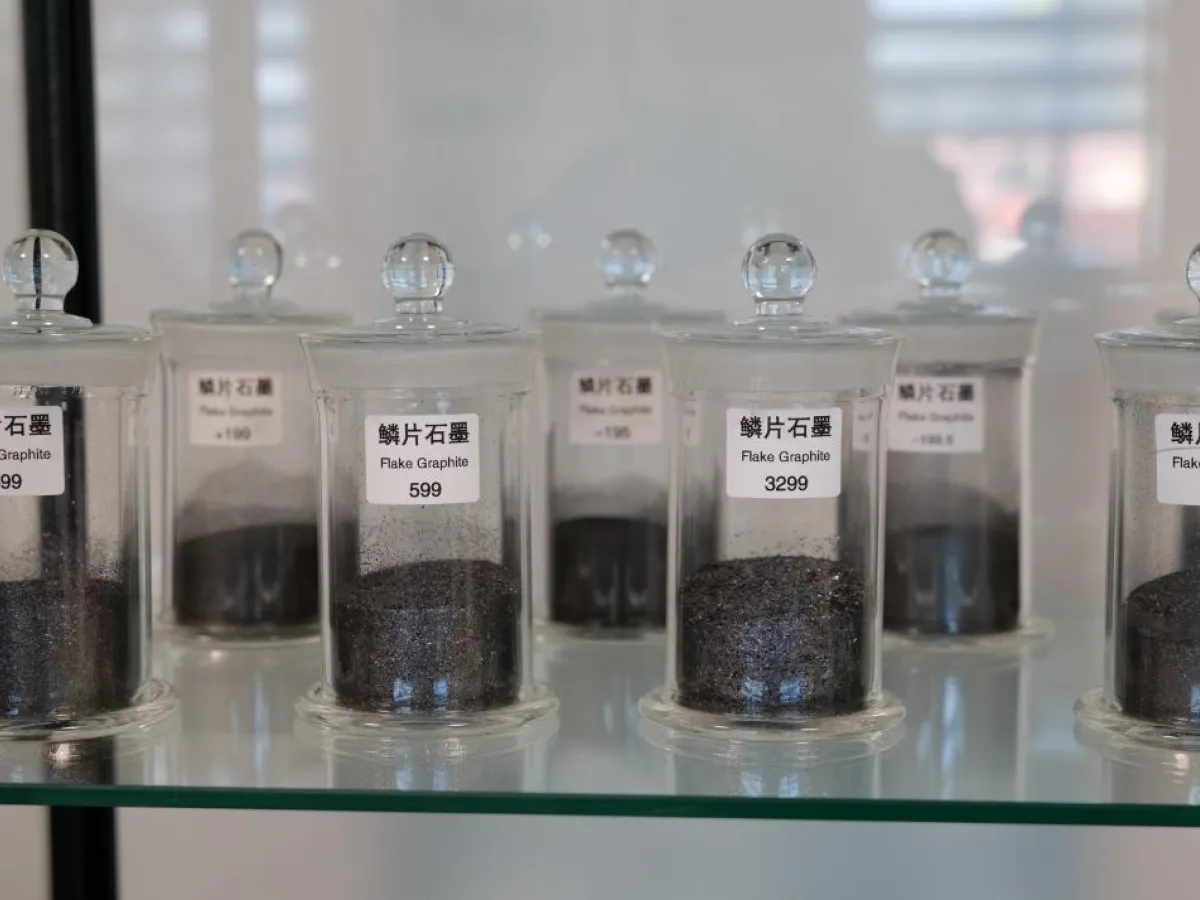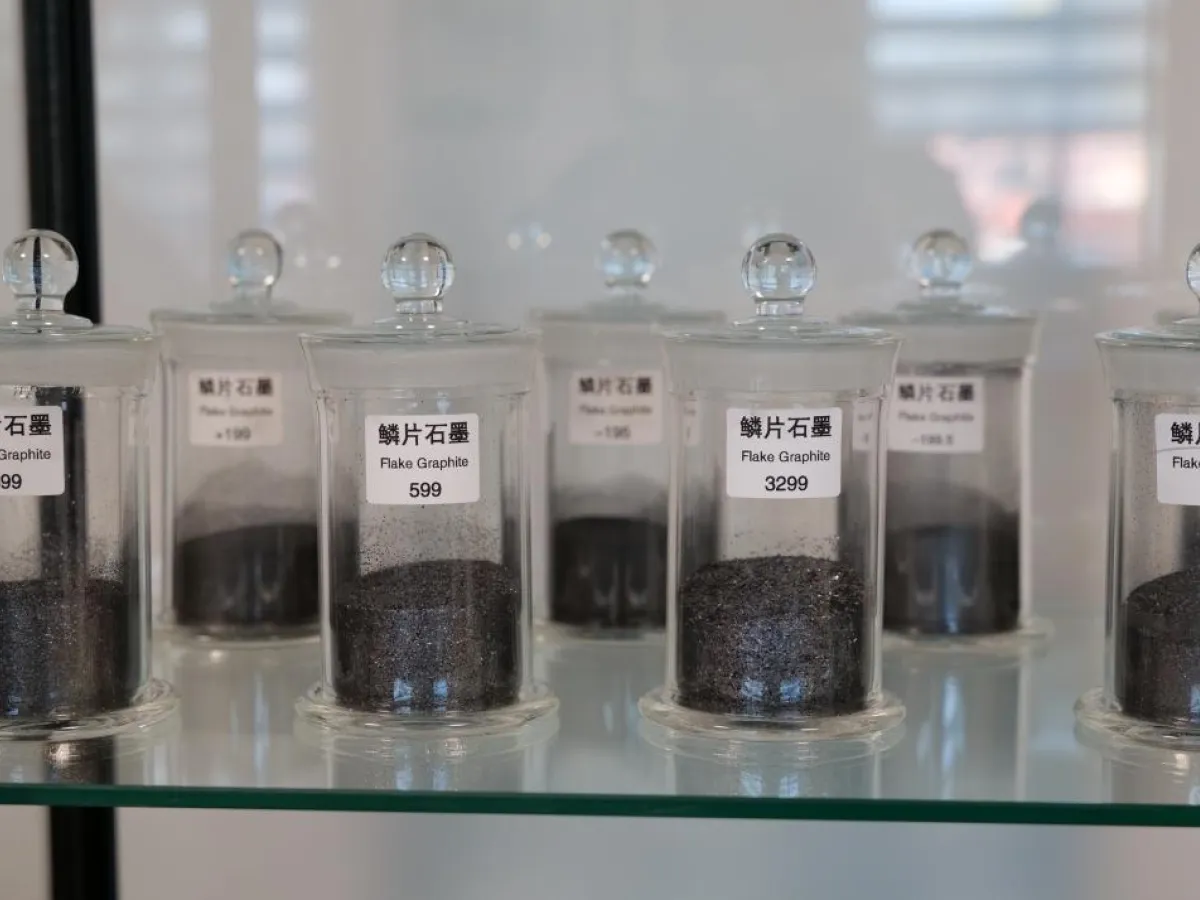
In the procurement of natural flake graphite, particle size is a technical specification that often needs to be verified. For the same batch of graphite, the sieving data provided by the supplier may sometimes differ from the results obtained by the customer using a laser particle size analyzer. This discrepancy does not necessarily indicate a problem with the raw material; rather, it stems from the different measurement principles underlying the two methods. For graphite procurement, understanding the differences between these testing methods helps both parties minimize unnecessary misunderstandings when determining specifications and acceptance criteria.
The Sieving Method and the Laser Method Do Not Measure the Same Parameter
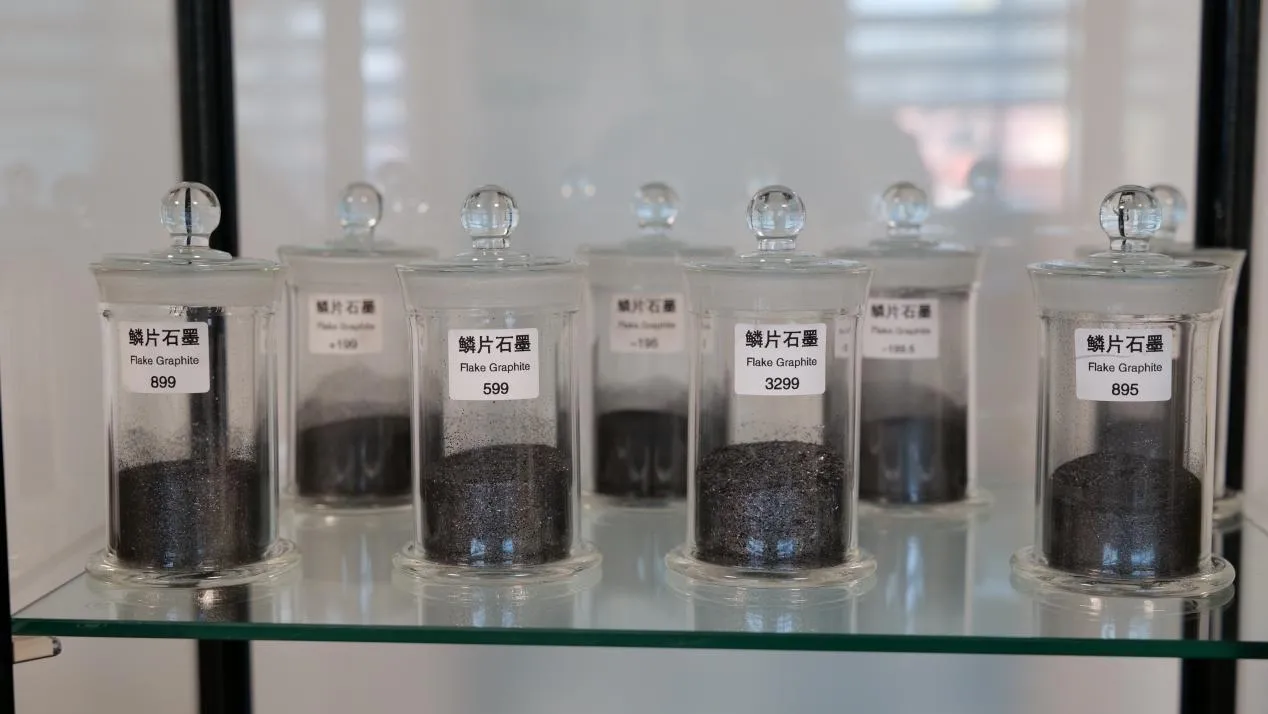
The sieving method is a commonly used particle size testing method in the graphite industry. It involves classifying samples using standard sieves and determining the particle size range based on the mesh sizes through which the graphite passes. This method is relatively intuitive and is suitable for many standard specifications of natural flake graphite.
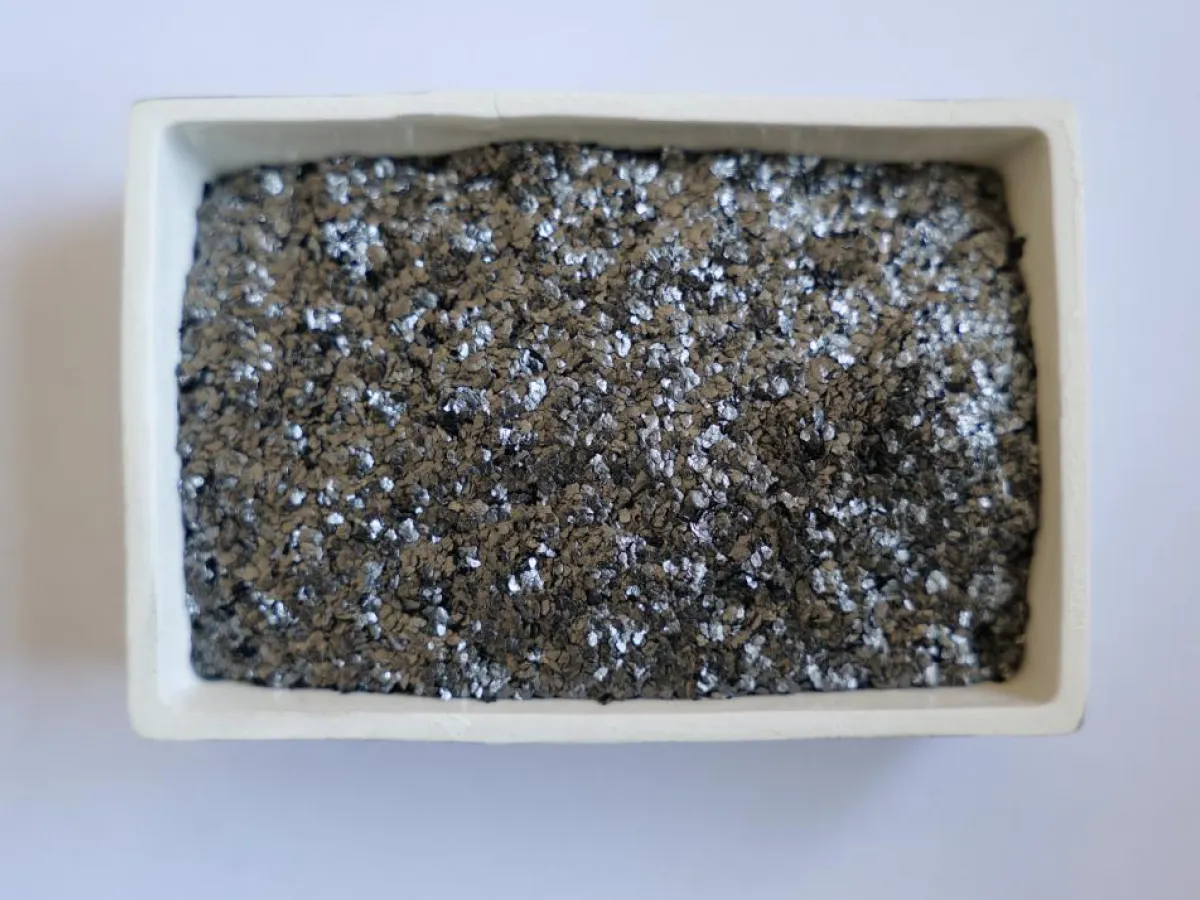
However, flake graphite has a lamellar structure, and there is significant variation in the length, width, and thickness of individual particles. The arrangement of particles on the sieve and the way they pass through it can influence the final sieving results. Therefore, sieving data is best interpreted in conjunction with specific sieve specifications and testing standards.
The laser particle size method calculates the particle size distribution based on how particles scatter laser light, typically yielding an equivalent particle size. For spherical particles, this result is relatively easy to interpret; however, since natural flake graphite consists of non-spherical particles, the data obtained from laser measurement cannot be simply interpreted as the actual length or thickness of the graphite flakes.
Therefore, if different D50 values or particle size distributions are obtained for the same batch of flake graphite using different testing methods, this does not necessarily mean that one set of data is inaccurate.
Why Is It Important to Agree on a Testing Method in Advance When Purchasing Graphite?
In actual procurement, the most common issue arises when a contract specifies only a particle size requirement without clearly defining the testing method. For example, if both parties agree on a specific particle size requirement, but the supplier uses sieving while the customer uses laser particle size analysis for acceptance testing, the final results may differ. If the testing method and acceptance criteria are not agreed upon in advance, disputes over product compliance are likely to arise. For applications that are particularly sensitive to particle morphology, relying solely on laser particle size data may not be sufficient; it is also advisable to use methods such as microscopy or image analysis to assess the actual flake morphology of the graphite.
Therefore, when procuring natural flake graphite, in addition to confirming fixed carbon content, ash content, and particle size range, it is recommended to specify the testing methods, applicable standards, and acceptance criteria in advance.
How is the particle size of natural flake graphite determined?
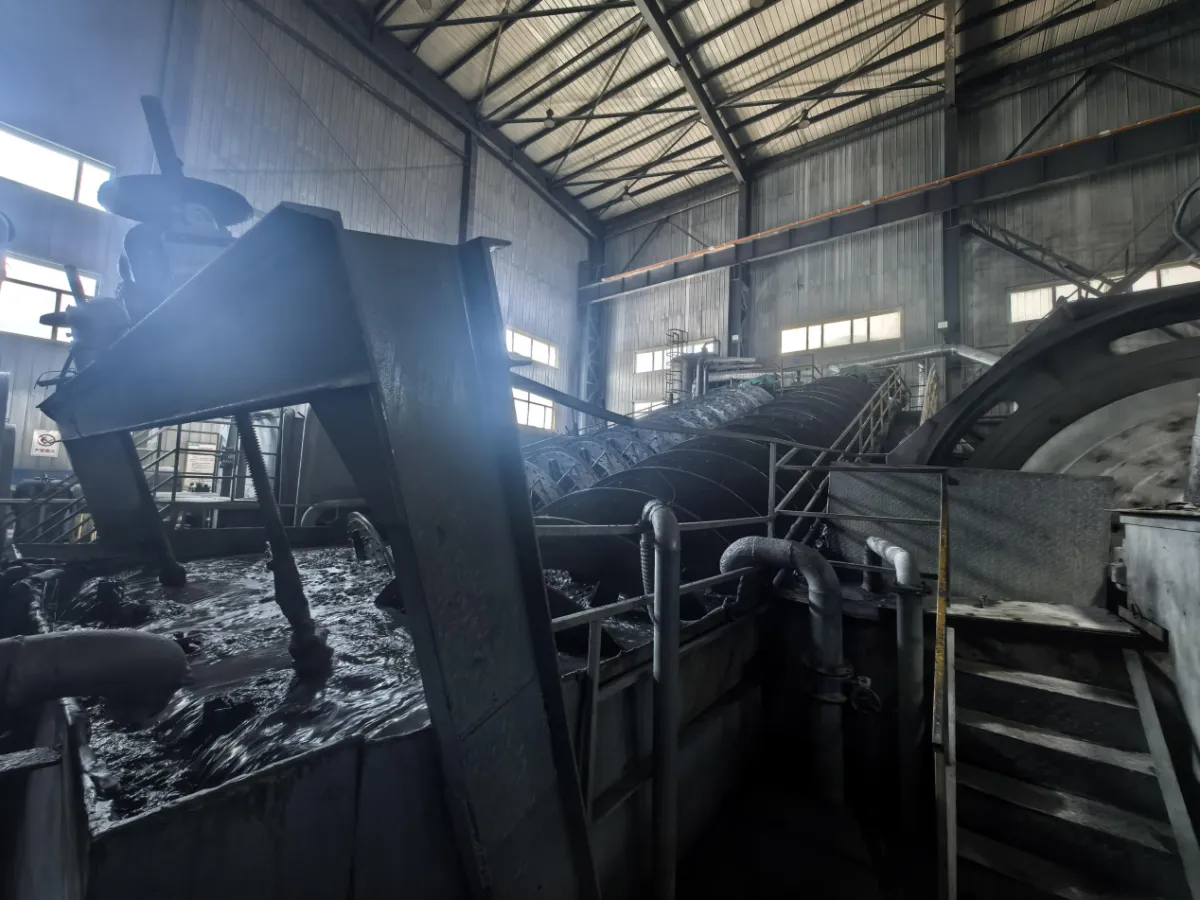
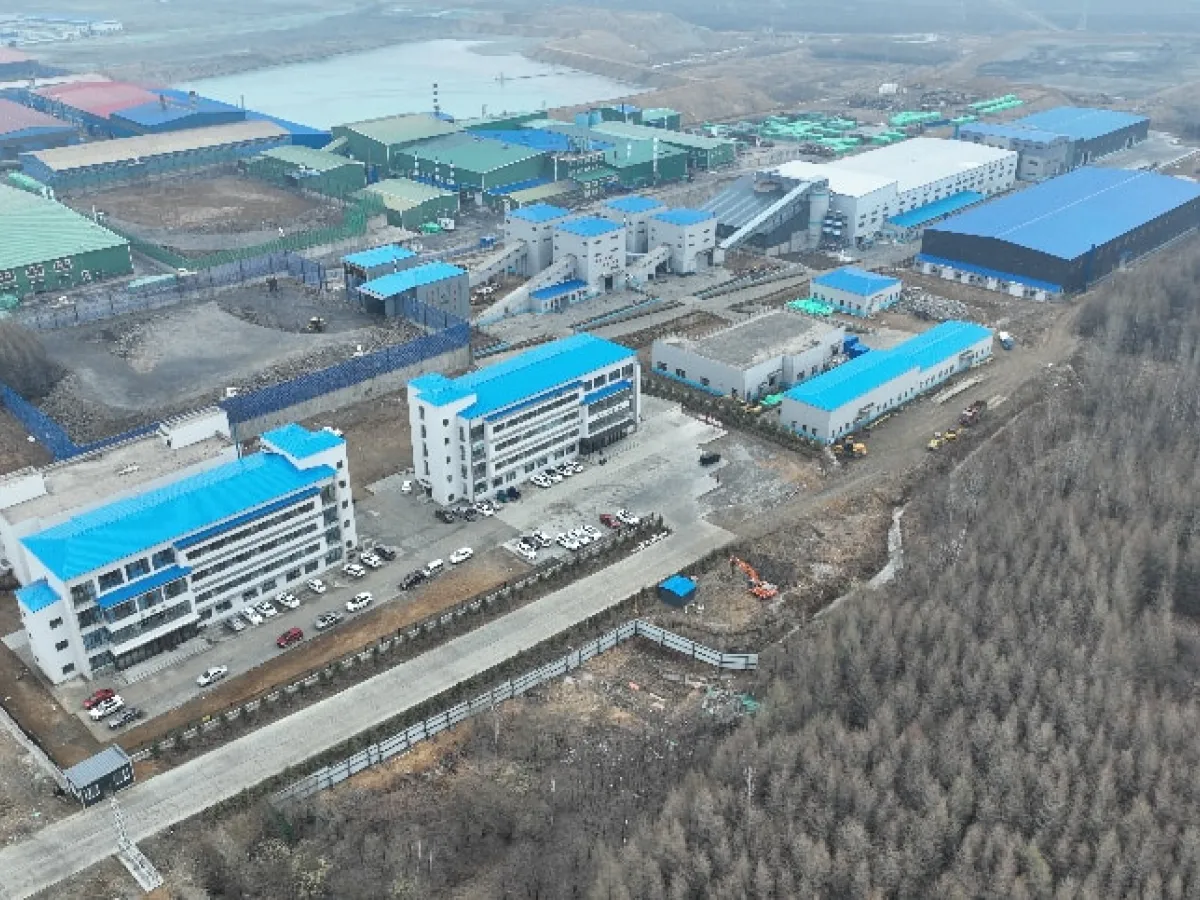
We have long been engaged in the mining and processing of natural flake graphite. Our product range covers various fixed carbon contents, particle sizes, and flake specifications, and we can provide products tailored to our customers’ application requirements. For customers with specific particle size requirements, we can provide corresponding particle size data based on mutually agreed-upon testing methods and specify the testing basis in the product documentation to facilitate verification by procurement, technical, and quality control departments.
If you are sourcing natural flake graphite but have questions regarding the correspondence between sieve-size distribution, laser particle size, or specific specifications, please feel free to contact us. We can recommend suitable graphite products based on your application and testing requirements.
Copyright © 2026 by Qingdao Baohua New Materials Technology Co., Ltd.
| Privacy Policy