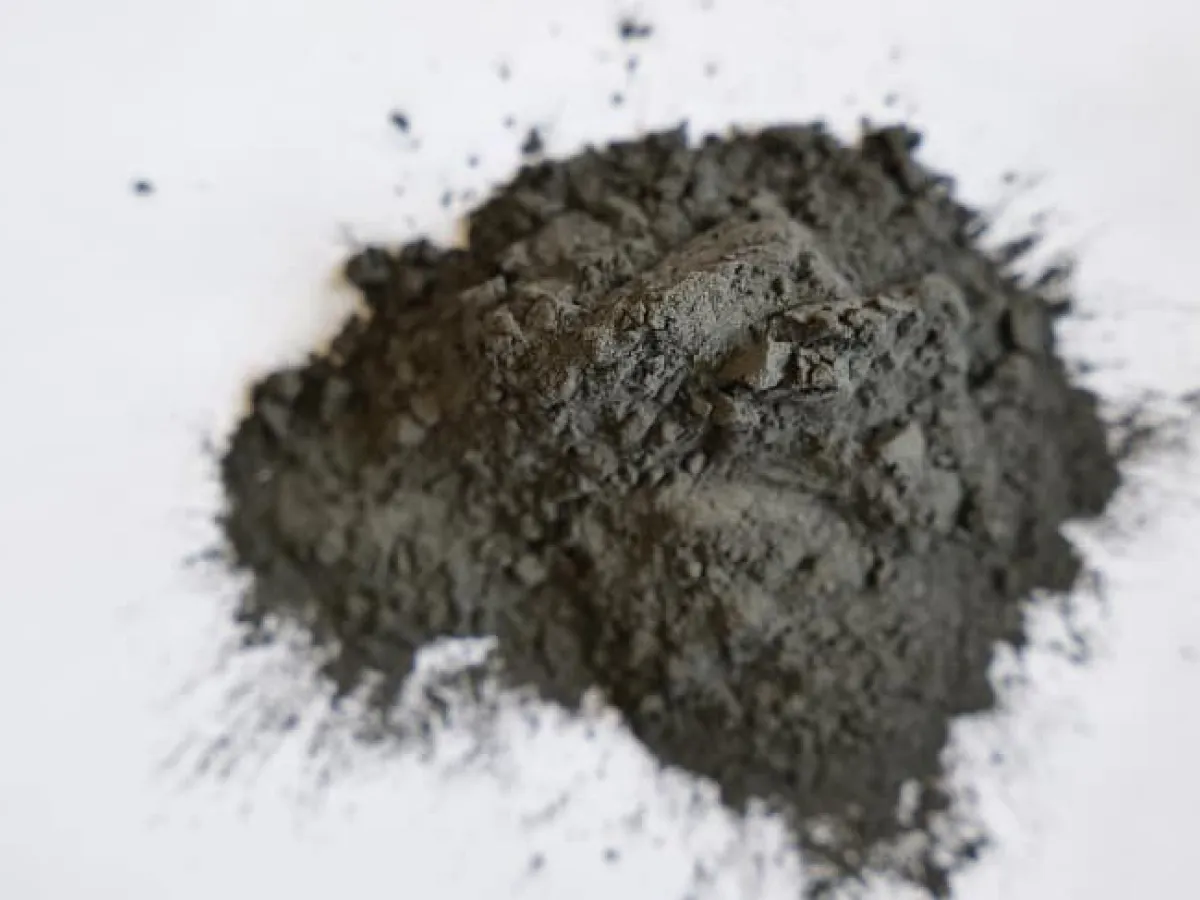
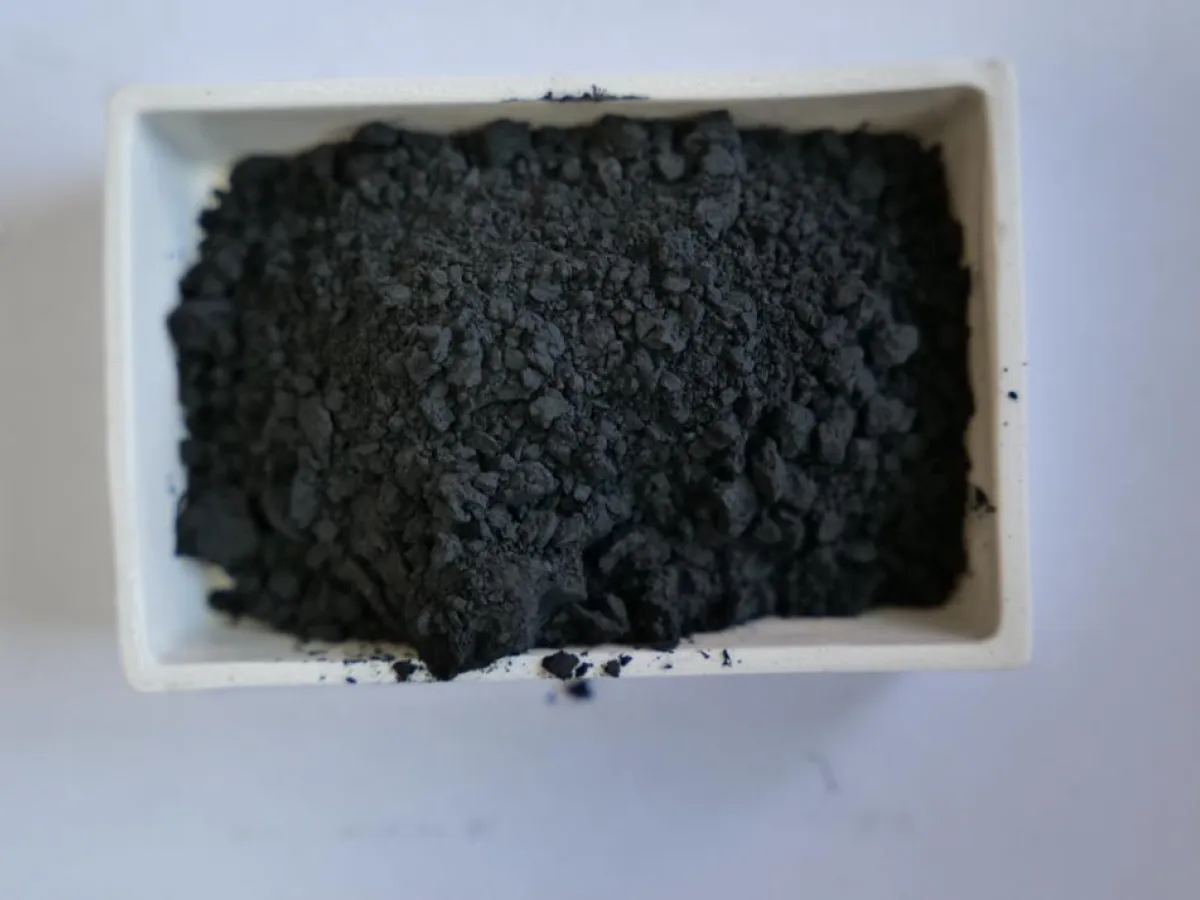
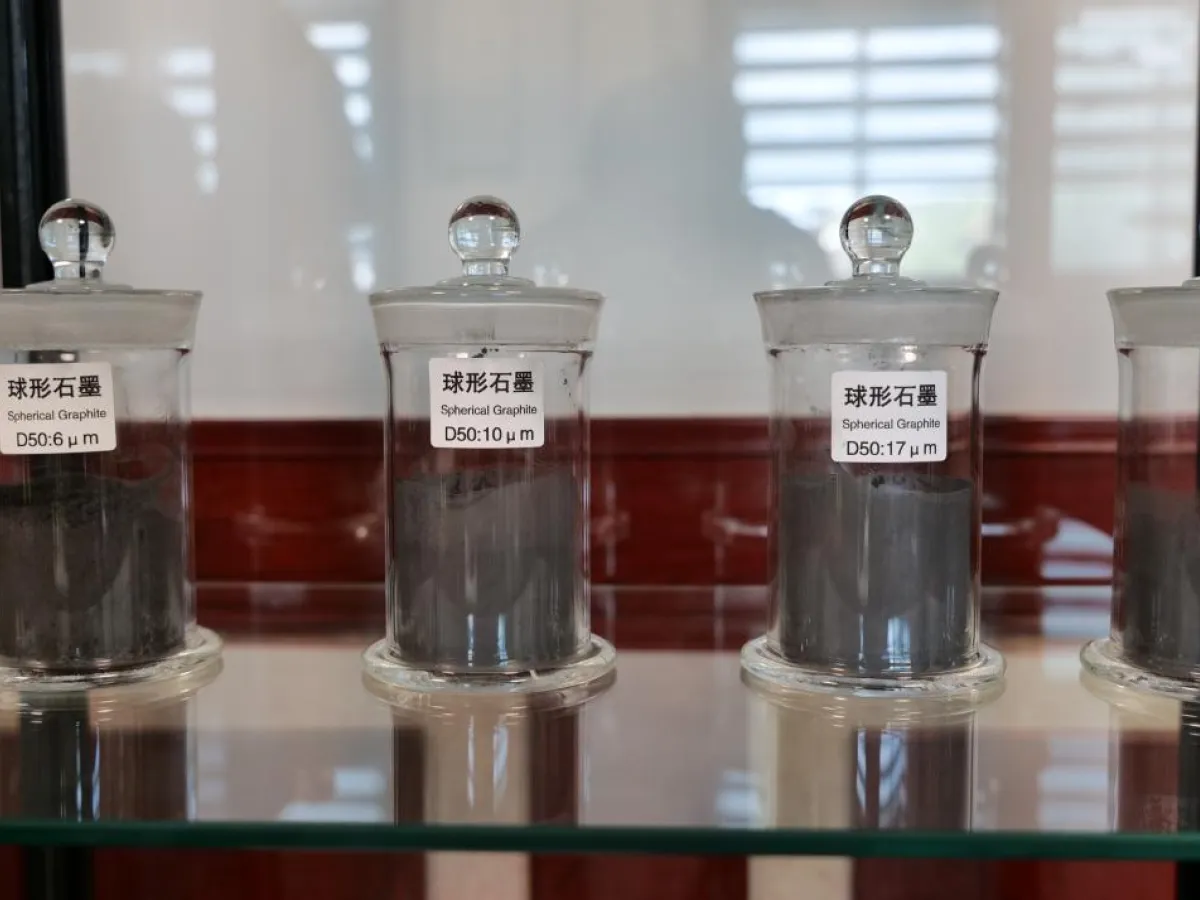
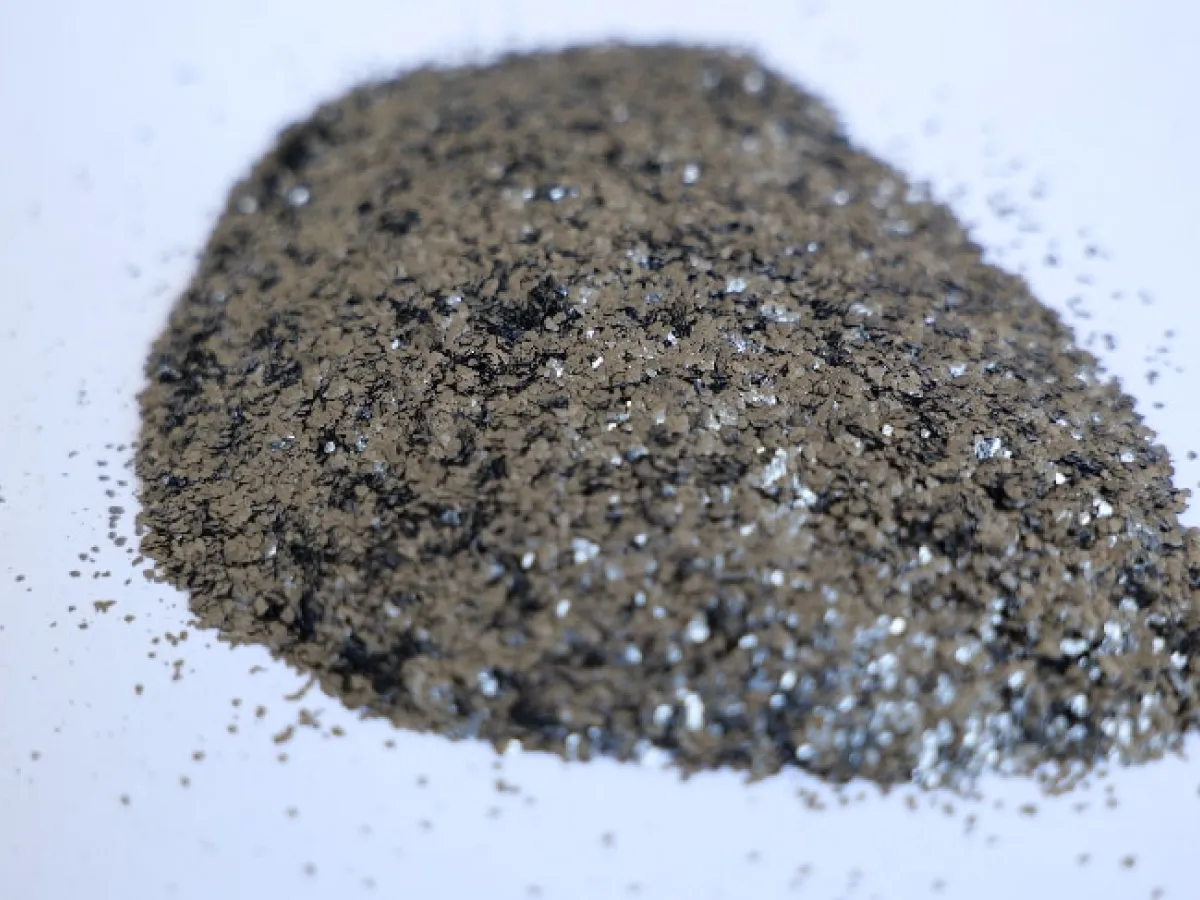
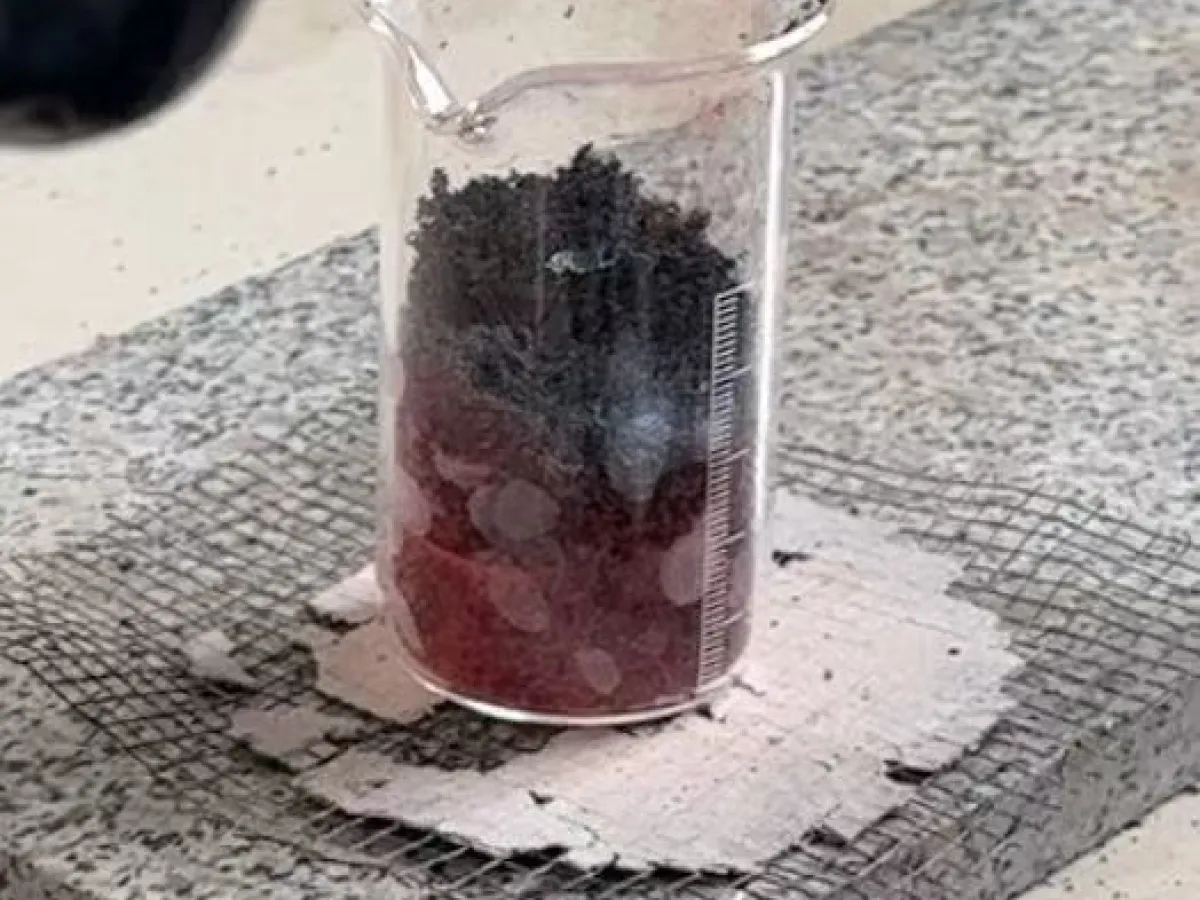
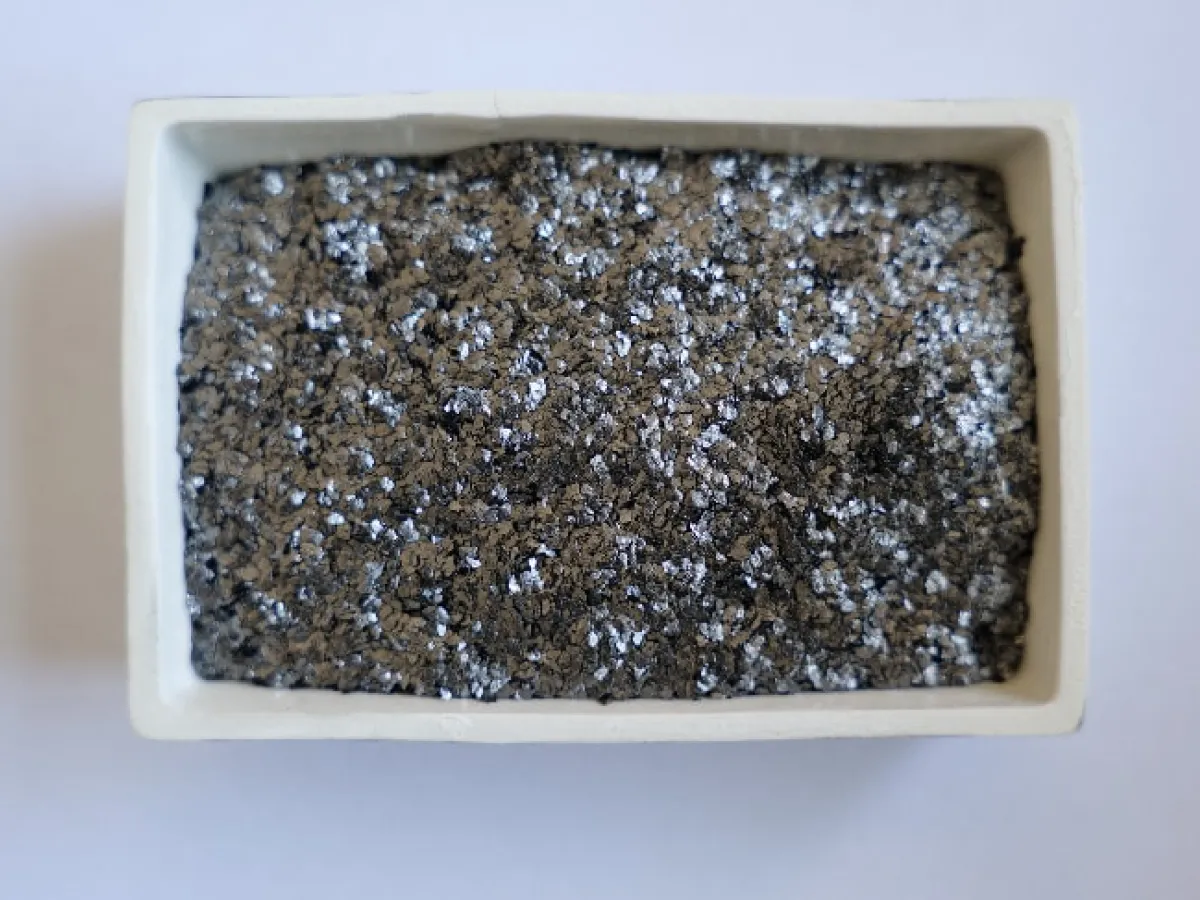
When storing graphite products, expandable graphite cannot be handled exactly the same way as ordinary natural flake graphite. Natural flake graphite is inherently stable, and routine storage primarily requires protection against moisture and contamination; however, expandable graphite undergoes intercalation treatment, making its performance more directly dependent on packaging integrity and storage conditions. Therefore, from factory packaging to storage after the customer receives the product, greater care must be taken to protect against moisture and high temperatures.
Expandable graphite is a material derived from natural flake graphite through intercalation treatment, with intercalated substances present between the graphite layers. This unique structure gives it the ability to expand when heated, but it also makes the product more sensitive to moisture, temperature, and packaging conditions. If the packaging is not sufficiently airtight and the product is exposed to a humid environment for an extended period, the stability of the intercalation system may be compromised, which in turn could affect its expansion performance during subsequent use. For certain acid-processed expandable graphite products, attention must also be paid to the impact of free acids on packaging materials and the storage environment.
Therefore, the key to storing expandable graphite is not merely “moisture protection,” but rather maintaining the product as close as possible to its condition at the time of shipment.
Packaging is a critical step in preserving the performance of expandable graphite. During actual transportation and storage, it is typically necessary to use inner packaging with good sealing properties and to select appropriate outer packaging based on the product’s characteristics and transportation conditions. Inner bags must be free from tears, air leaks, or moisture, while outer packaging should be sufficiently sturdy to minimize damage to the inner packaging during handling.
For products with high requirements for moisture resistance or storage stability, composite packaging with superior barrier properties can be selected based on customer needs. Additionally, the packaging should clearly label information such as the product name, specifications, lot number, net weight, and production date to facilitate customers’ inventory and batch management.
Upon receipt of expandable graphite, it is recommended to store it in a dry, cool, and well-ventilated indoor environment, away from direct sunlight and heat sources. The product should be stored off the ground to avoid direct contact with damp floors. During storage, it is also important to check that the packaging remains intact. If the packaging is found to be damaged, damp, or improperly sealed, the product’s condition should be inspected promptly to prevent further issues. Additionally, expandable graphite should be stored separately from strong oxidizing agents and other chemicals that may affect the product’s stability. For customers purchasing in bulk, we recommend managing inventory by batch and implementing a first-in, first-out (FIFO) system based on actual stock levels to minimize long-term inventory buildup.
Compared to ordinary natural flake graphite, expandable graphite has stricter requirements for packaging and storage conditions. Properly sealed packaging minimizes the impact of moisture and external environmental factors on the product, while appropriate warehousing practices help maintain product stability during transportation and storage. We manufacture and supply expandable graphite, offering customized packaging solutions tailored to specific applications. Standard products come in sealed inner packaging, and we are open to discussing more suitable packaging options based on your specific requirements for transportation, storage, and moisture protection.
If you are purchasing expandable graphite, in addition to considering product specifications such as expansion ratio and particle size, please feel free to discuss your packaging and storage requirements with us. We can provide tailored recommendations based on your specific transportation and usage conditions.
Copyright © 2026 by Qingdao Baohua New Materials Technology Co., Ltd.
| Privacy Policy