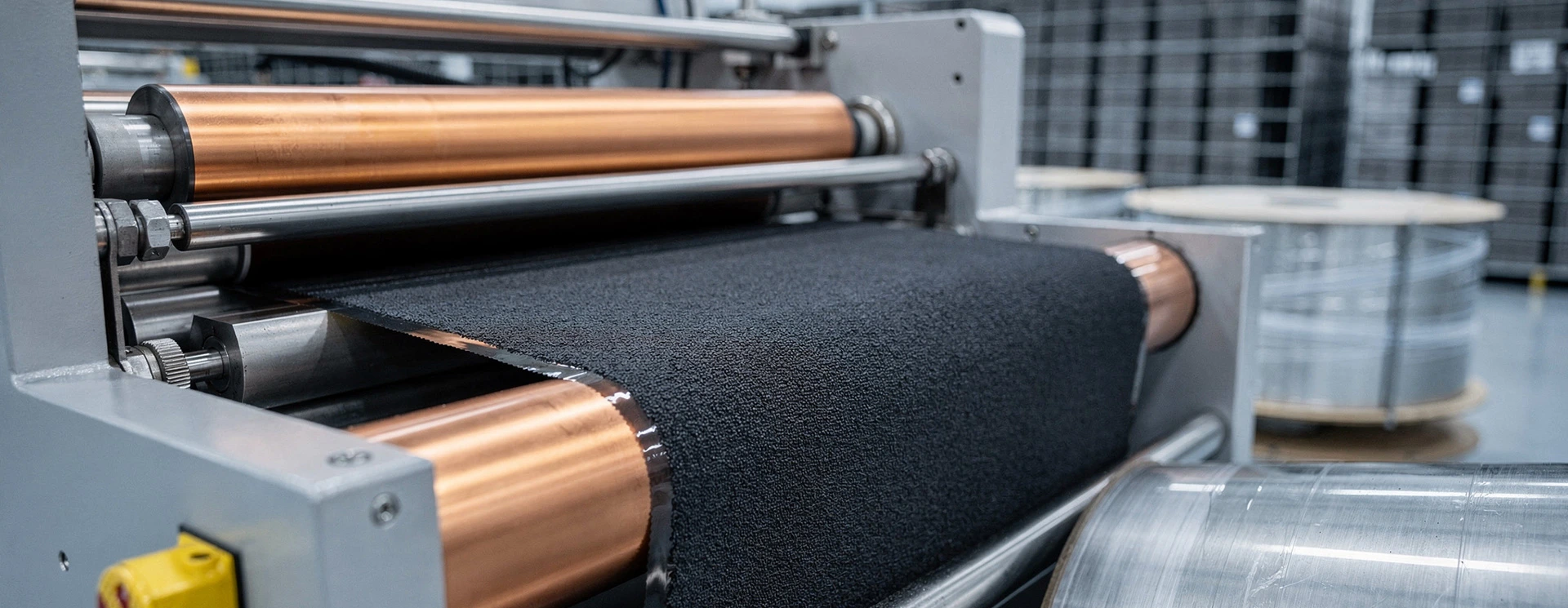
Graphite is currently the most widely used anode material in lithium-ion batteries. It primarily leverages its unique layered structure to facilitate the insertion and extraction of lithium ions, thereby storing and releasing energy. Key applications include the preparation of natural and synthetic graphite as the main active material, which undergoes processes such as pulverization, classification, and carbon coating to deliver high capacity, stability, and long cycle life. In addition, graphene is used as a conductive additive or surface coating to improve fast charging capabilities and electrical conductivity, significantly enhancing the battery’s capacity, coulombic efficiency, and cycle life.
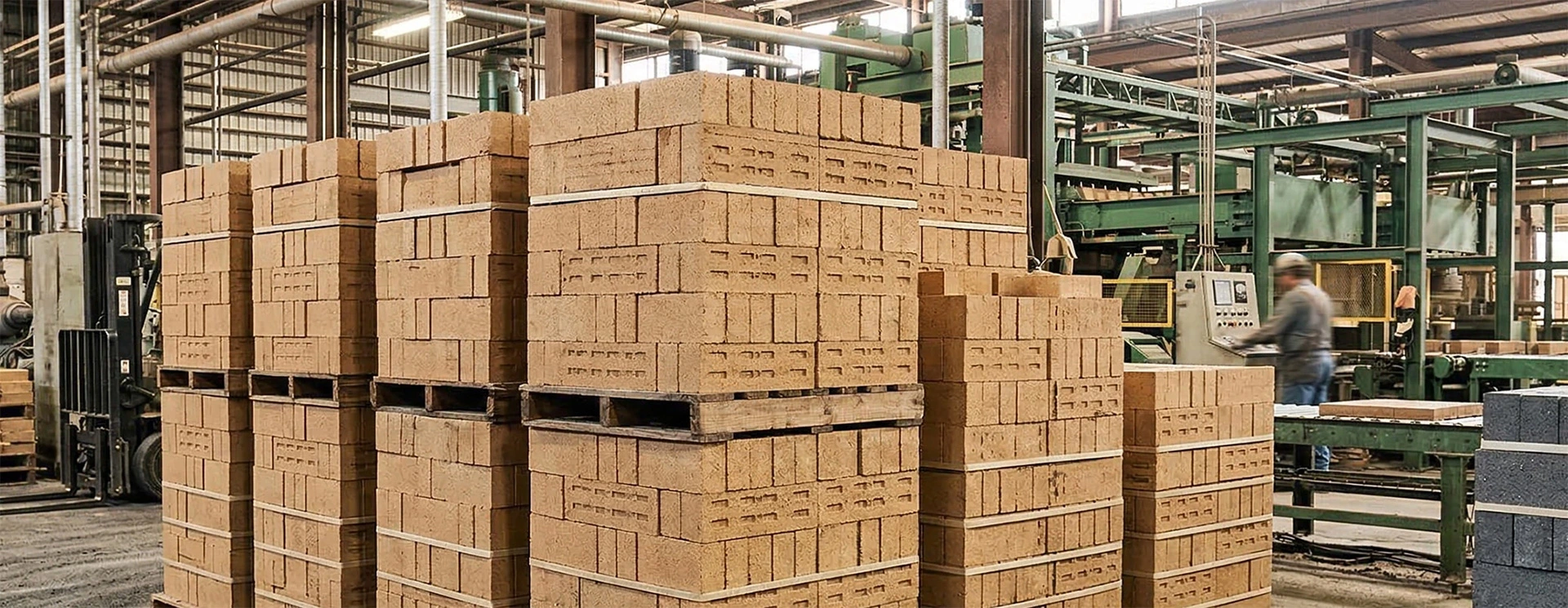
The Celts used graphite to produce particularly fire-proof crucibles more than 2000 years ago. Because graphite is resistant to oxidation, offers good thermal conductivity and is also chemically inert, this raw material still plays an important role in the refractory industry today – e.g. in magnesite bricks for lining furnaces or coverings for high-quality metal melts to prevent oxidation. Large-flake graphite with a well-developed crystal structure is used for the production of refractory materials. It dissipates heat, yet can withstand very high temperatures and guarantees a long service life for the product.
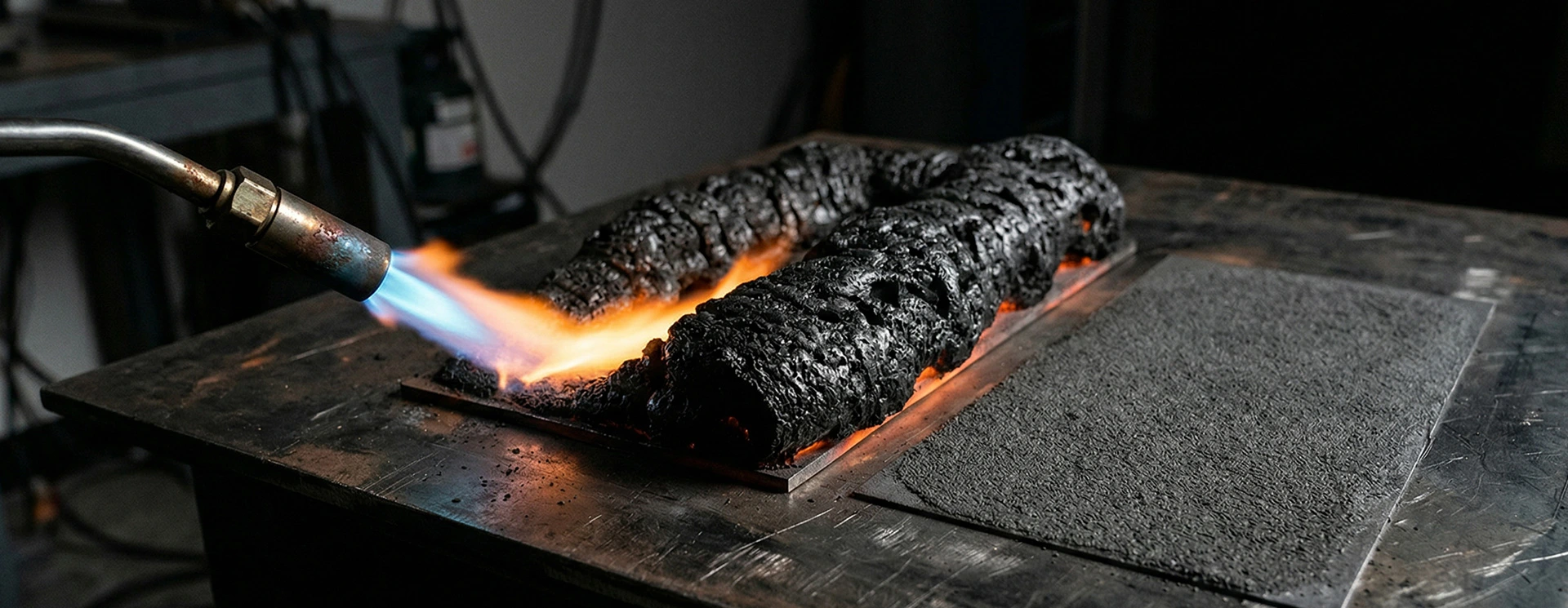
Flame retardants are intended to limit, slow or prevent the spread of fires. Whether in upholstered furniture, car seats or carpets – flame retardants are used wherever there are potential sources of fire. Expandable graphite is particularly suitable as a flame retardant additive: When heat is applied to the material, the graphite expands and swells to create a protective layer on the surface, slowing the spread of the fire. Moreover, by sealing cavities, e.g. by using sleeves containing expandable graphite (for pipeline systems, for instance), the material blocks combustion gases which would otherwise penetrate the material.
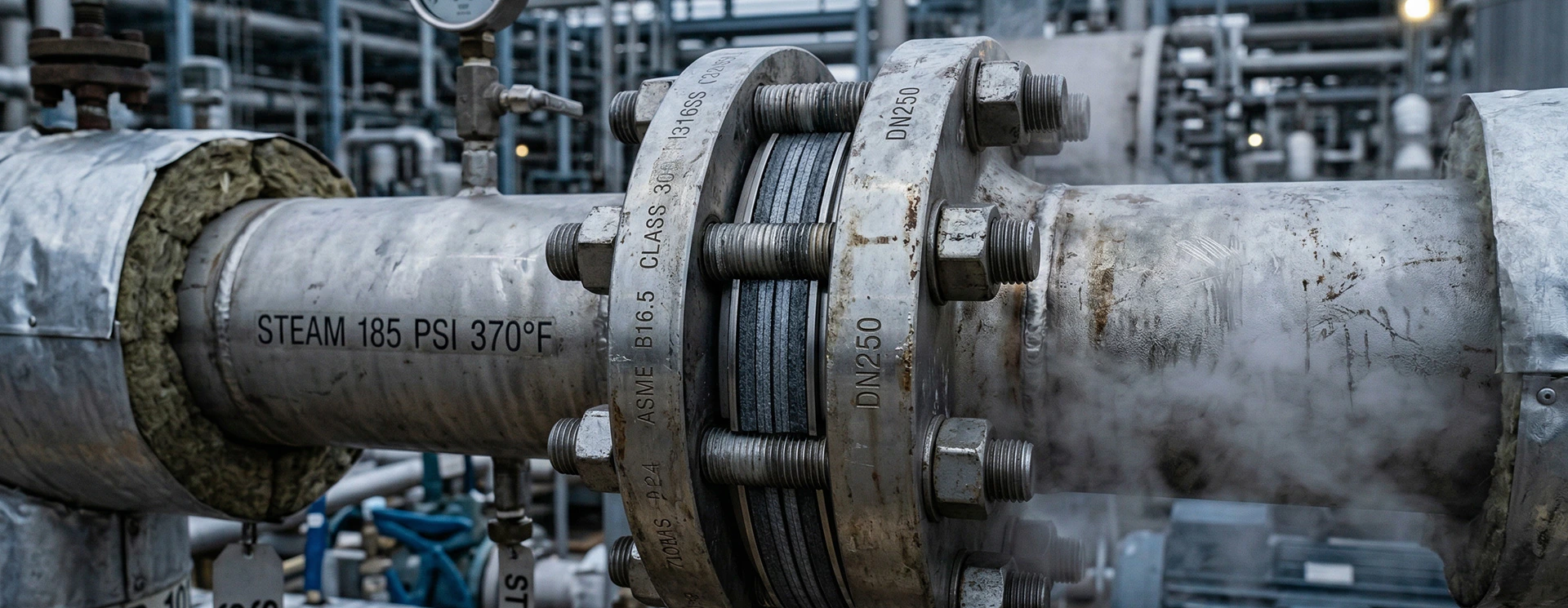
Expanded graphite is an exceptional sealing material; when compressed, it is known as flexible graphite. Compared to traditional sealing materials such as asbestos, rubber, and cellulose, flexible graphite offers a wider operating temperature range, a low coefficient of thermal expansion, and does not soften at high temperatures or become brittle at low temperatures. It is often referred to as the “King of Seals.”
High-quality flexible graphite sealing materials are resistant to high temperatures and corrosion, making them suitable for sealing high-temperature fluids in industries such as chemicals, petroleum, power generation, metallurgy, and automotive. To ensure that seals deliver excellent sealing performance and a long service life, it is essential not only to have a reasonable sealing structure and manufacturing process but, more importantly, to use sealing materials with superior performance.
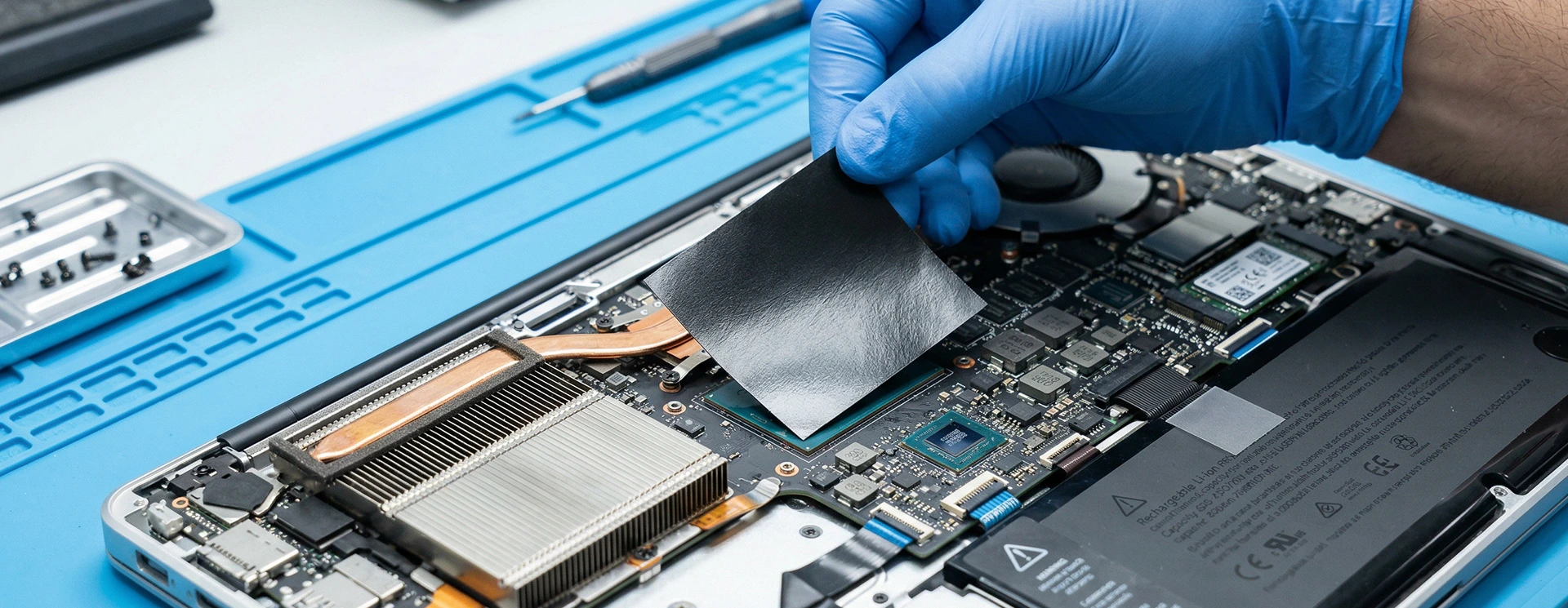
Due to its extremely high thermal conductivity in the plane, light weight, low thermal resistance, and excellent shielding properties, graphite is widely used as a heat dissipation material and has found extensive application in the telecommunications industry, medical equipment, laptops, and mobile phones.
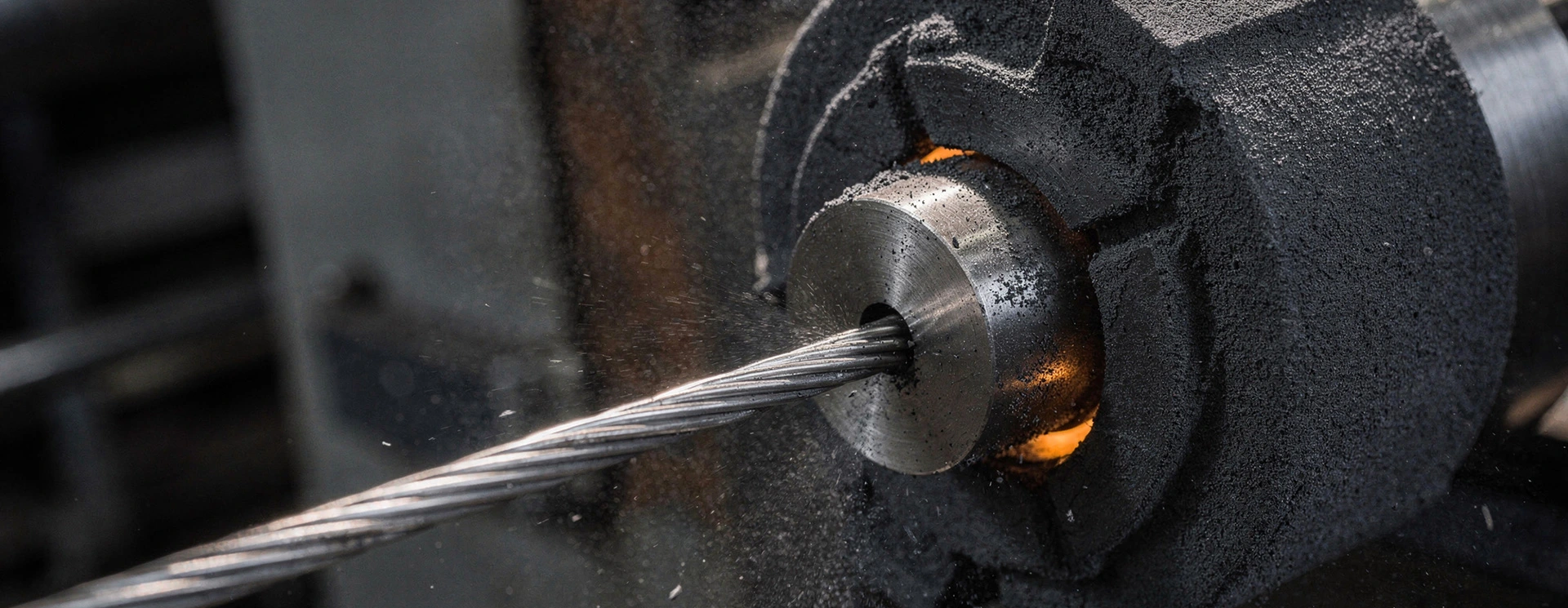
Graphite is often used as lubricant in machinery industry. Lubricating oil often can not be used at high speed, high temperature, high pressure conditions, and graphite can be at a 200℃ to 2000℃ temperature and also at a high sliding speed (LOOM /s) without lubricating oil work. Many of the transport of corrosive medium some equipment, are generally widely used graphite materials made of piston rings, seals and bearings, they operate, do not need to add lubricating oil, graphite is also a good lubricant for many metal processing (wire drawing, tube pulling).
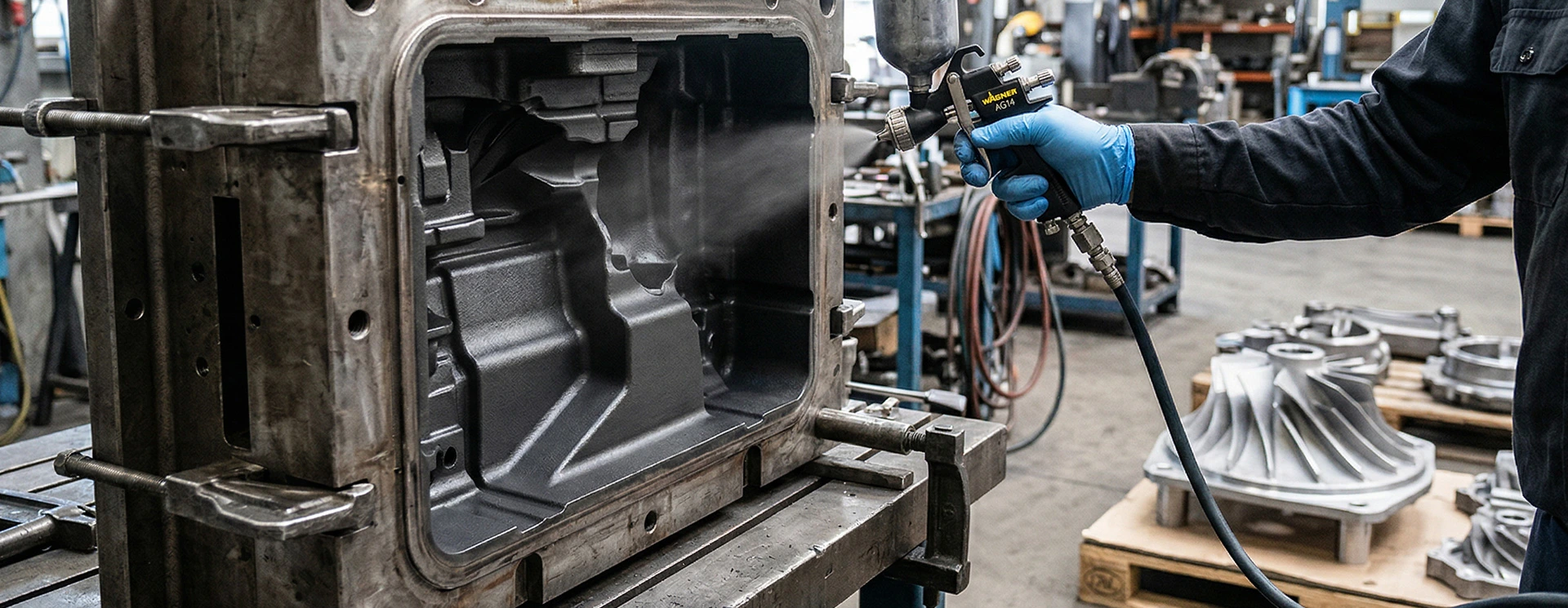
Graphite is used as a release agent primarily due to its high temperature resistance (>3000°C), lubricity resulting from its layered structure, and chemical stability. It is applied to the mold surface by spraying or brushing in the form of graphite emulsion (a water-based or oil-based suspension). Its core application lies in high-temperature metal processing, where it forms a uniform, stable layer that provides lubrication and thermal insulation, effectively preventing adhesion between the workpiece and the mold, thereby improving demolding efficiency and product quality.
First, graphite’s lubricating properties create a uniform and stable lubricating film between the mold and the material being demolded, significantly reducing demolding friction. This makes the demolding process smoother and minimizes damage to the mold or the material caused by excessive friction.
Graphite is soft in texture, making it easy to apply and distribute evenly across the mold surface. It is convenient to use and can quickly form an effective release layer. Furthermore, graphite is relatively low-cost, offering significant advantages for large-scale production.
In summary, graphite, as a mold release agent, offers numerous advantages, including excellent lubricity, high chemical stability, high-temperature resistance, ease of use, and low cost, and has been widely adopted in numerous mold release applications.
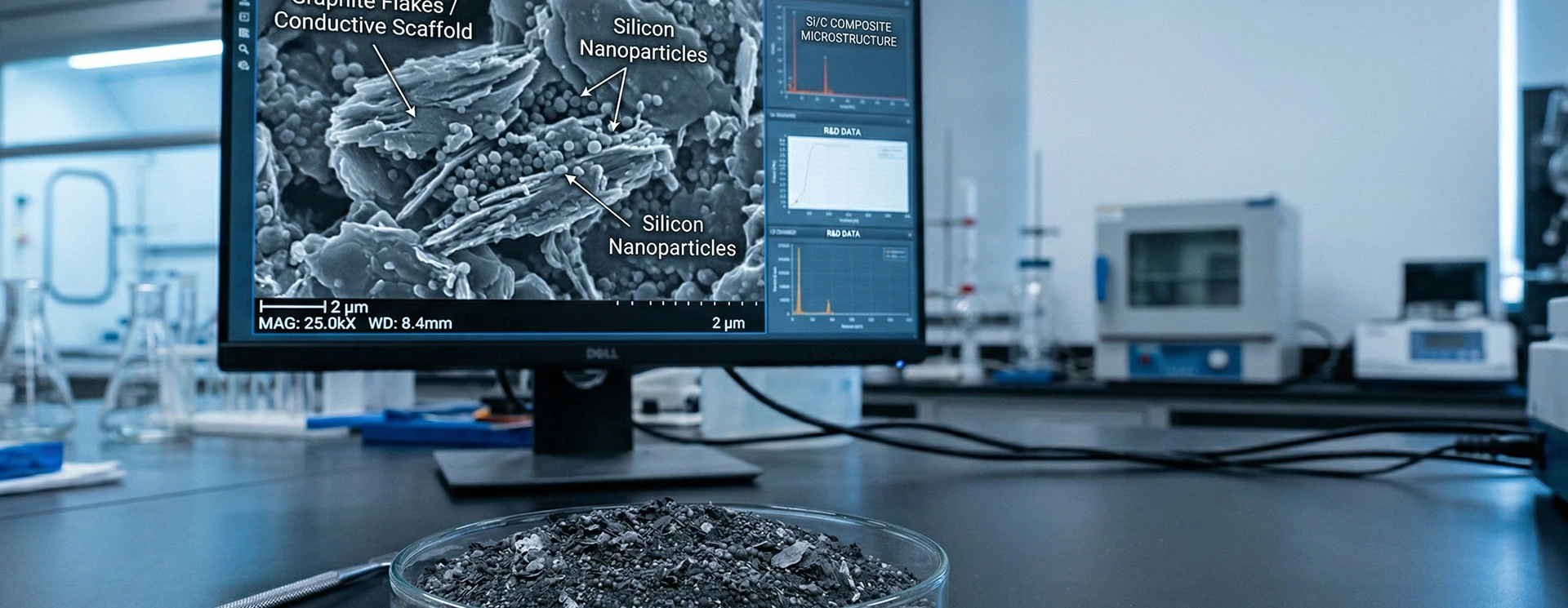
In silicon-based anodes, graphite plays a key role as a conductive scaffold, a buffer against volume expansion, and a means to enhance cycling stability. This is achieved through composite technologies such as mechanical ball milling, carbon coating, and graphene wrapping. By leveraging graphite’s excellent conductivity, structural stability, and flexibility, a conductive network can be provided for high-capacity silicon nanoparticles, buffering the approximately threefold volume expansion of silicon during charging and discharging, thereby improving the battery’s cycle life and energy density.
Copyright © 2026 by Qingdao Baohua New Materials Technology Co., Ltd.
| Privacy Policy