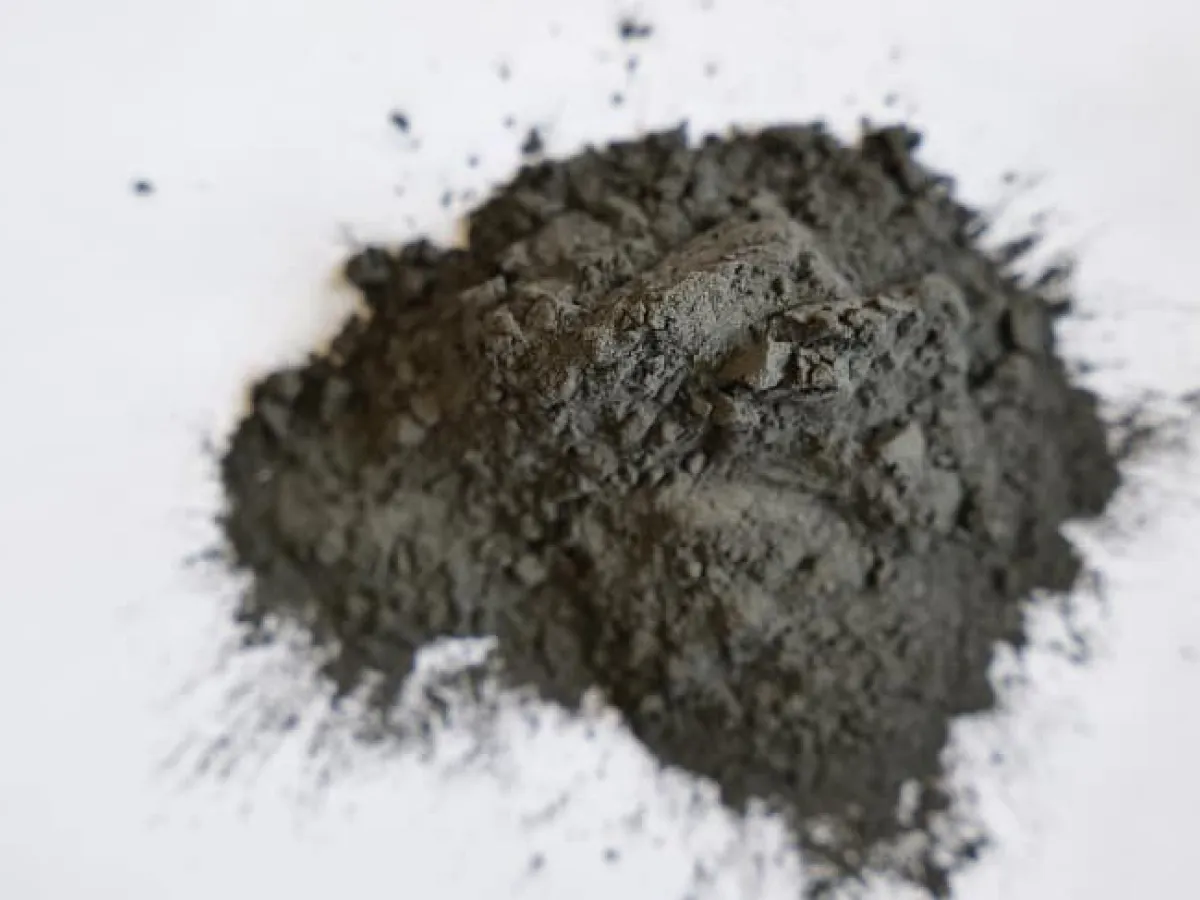
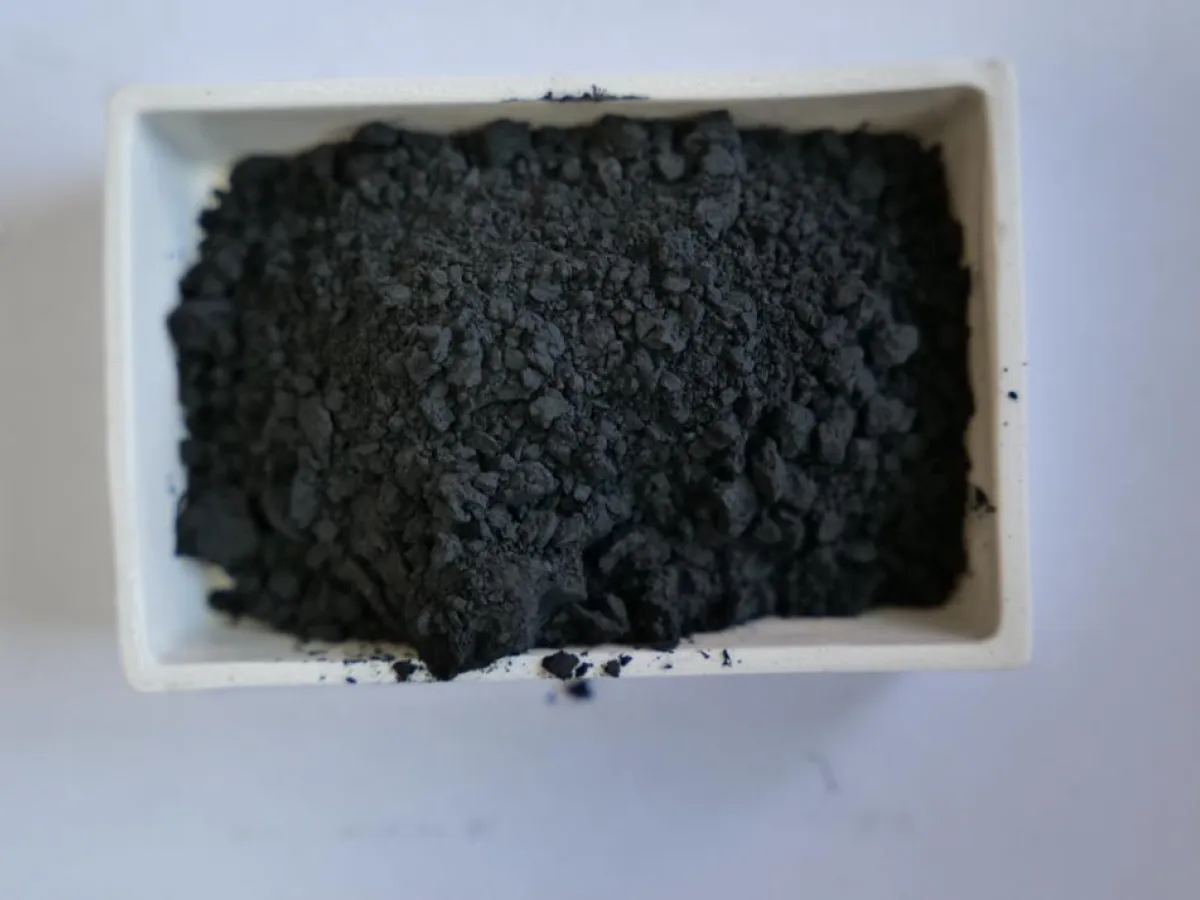
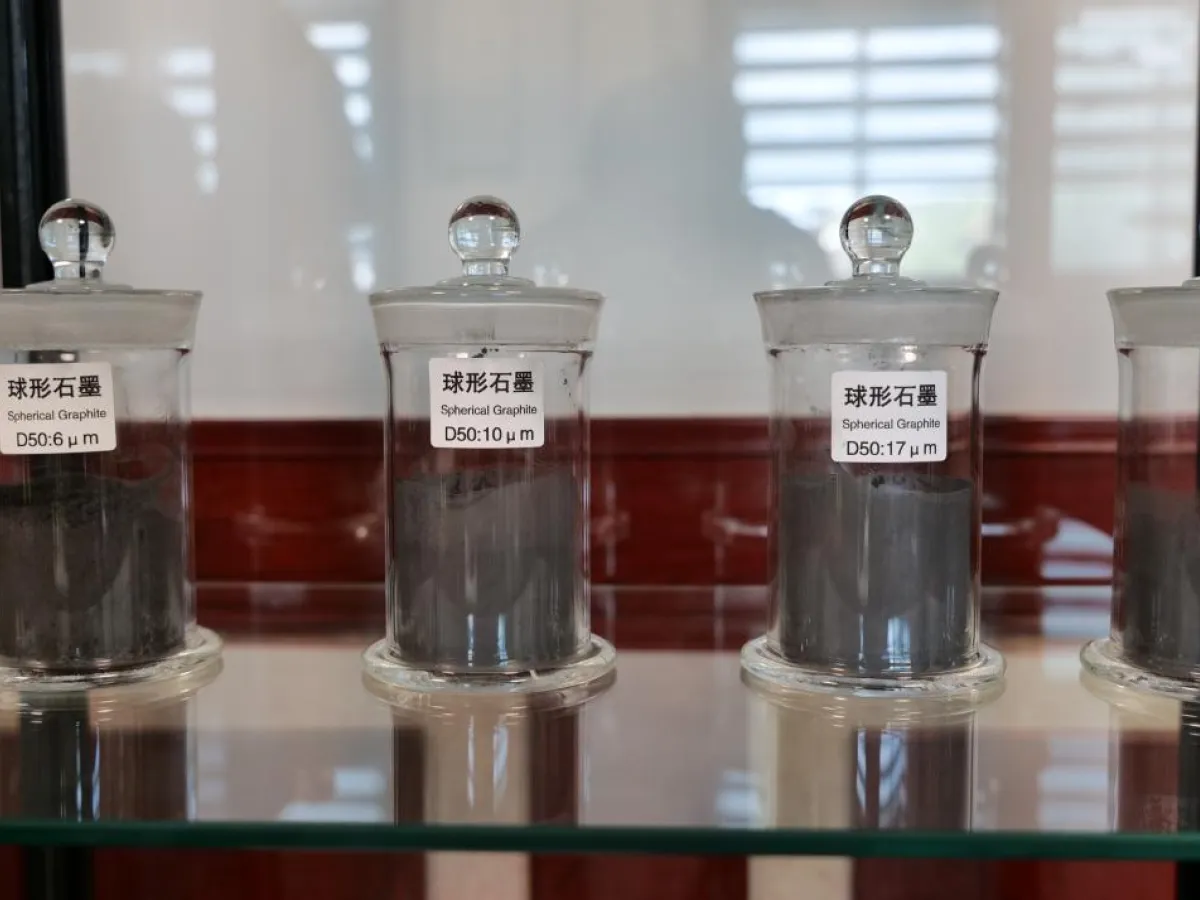
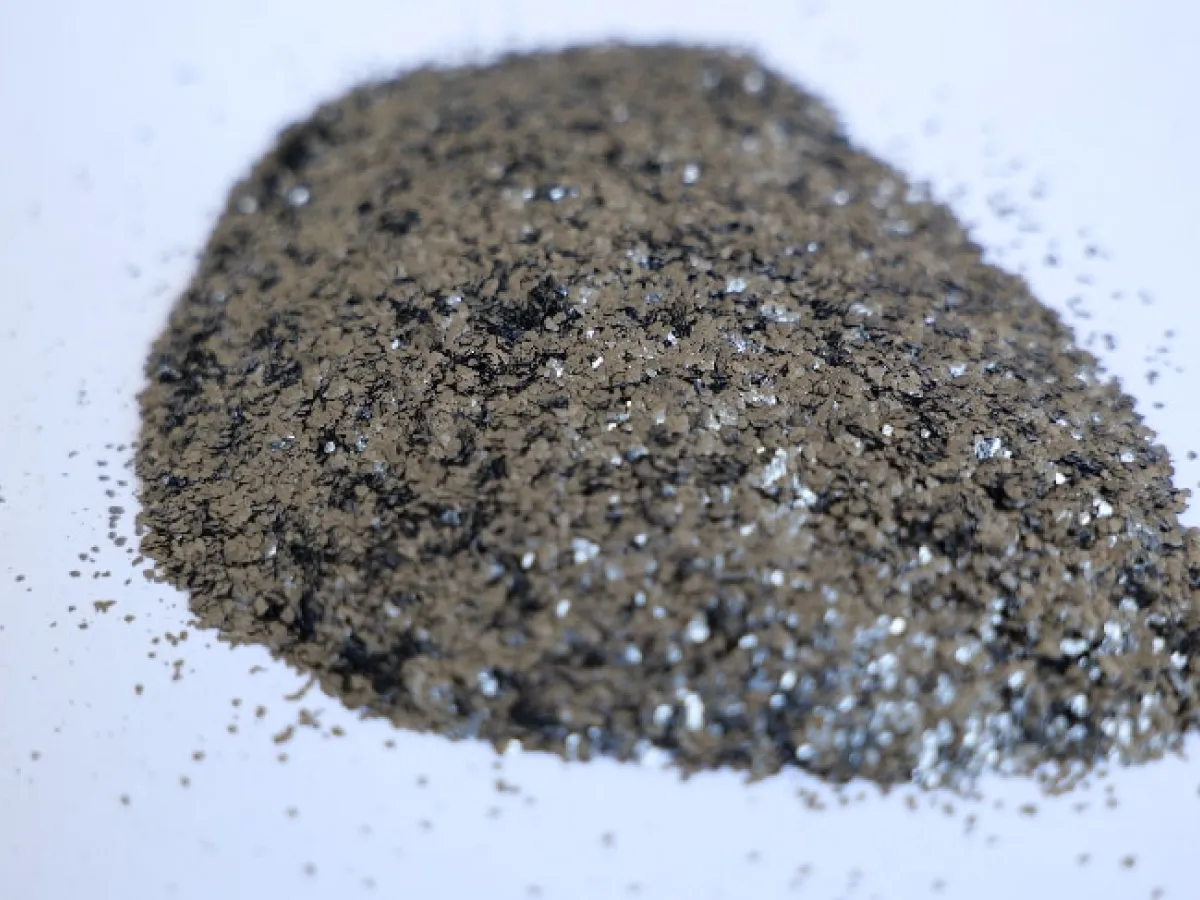
As the demand for fast charging in power batteries continues to rise, the particle size, morphology, and surface properties of spherical graphite are receiving increasing attention. Fast-charging performance is not determined by any single parameter alone but is also related to electrode structure, electrolyte transport, and battery design. Therefore, when selecting spherical graphite for fast charging, it is necessary to comprehensively consider multiple parameters rather than simply pursuing smaller particle sizes or higher tapped density.
Particle size affects the diffusion distance of lithium ions within graphite particles. Appropriately reducing particle size helps shorten the solid-state diffusion path but may also increase specific surface area and interfacial side reactions. Therefore, smaller is not necessarily better; it is also necessary to balance initial Coulombic efficiency, cycling stability, and compaction performance. In addition to D50, particle size distribution parameters such as D10 and D90 are also worth considering. Particle size distribution affects particle packing and electrode structure; the specific control range should be determined based on the anode formulation, electrode sheet design, and target charging rate, and a single set of particle size parameters cannot be directly applied to all fast-charging batteries.
Tapped density relates to powder packing and electrode compaction design, while specific surface area is associated with electrolyte contact area, interfacial reactions, and SEI film formation. A higher degree of compaction helps increase volumetric energy density, but if the electrode pore structure is suboptimal, it may also increase ionic transport resistance. A larger specific surface area helps increase interfacial contact but may lead to more side reactions and irreversible lithium loss. Therefore, these two parameters must be evaluated comprehensively in conjunction with electrode porosity, tortuosity, and actual charging performance.
Spheronization processing can alter the morphology and packing arrangement of graphite particles, but a high degree of sphericity does not necessarily mean that lithium ions can enter the particles from all directions with equal efficiency. Graphite inherently possesses a layered crystal structure, and lithium-ion transport is still influenced by factors such as crystal orientation, edge sites, and electrode structure. In fast-charging applications, in addition to focusing on the particle morphology of spherulized graphite, evaluations should also consider the electrode orientation index, pore structure, and the state of the electrode after compaction. Specific targets should be determined by the material system and electrode design, rather than setting uniform values directly based on charging rates such as 2C or 3C.
For certain fast-charging anode systems, carbon coating can be used to modulate the interfacial properties of the graphite surface and improve electronic conductivity and cycling stability. However, the effectiveness of coating depends on the structure, uniformity, and thickness of the coating layer, as well as the electrolyte and electrode formulation. Insufficient coating may fail to achieve the expected improvements in interfacial properties, while excessive coating or an inappropriate structure may also impair lithium-ion transport. Therefore, the decision on whether coating is necessary, which process to use, and how to control the coating amount should be determined based on the target product performance and battery test results.
There is no fixed set of specifications for spherical graphite used in fast-charging batteries that applies to all battery systems. When selecting a material, it is recommended to focus on the following:
1. Particle size and distribution: Whether D10, D50, and D90 meet the design requirements for the target electrode.
2. Tapped density: Whether it meets the requirements for compaction and volumetric energy density.
3. Specific surface area: Whether it balances interfacial reactions, initial efficiency, and cycling stability.
4. Particle morphology and electrode structure: Do they facilitate the formation of suitable ion transport channels?
5. Surface treatment: Is carbon coating required, and does the coated material meet the target performance requirements?
Ultimately, material specifications must be validated through appropriate electrode and battery testing. Only by integrating powder performance with electrode design, charging conditions, and cycle life can one determine whether the material is truly suitable for the target fast-charging application. We have long been engaged in the mining and processing of natural flake graphite, and we also produce spherical graphite. For customers seeking to develop fast-charging anode materials, we can discuss product specifications based on target particle size, fixed carbon content, and other technical requirements to further evaluate the suitability of raw materials and products.
Copyright © 2026 by Qingdao Baohua New Materials Technology Co., Ltd.
| Privacy Policy