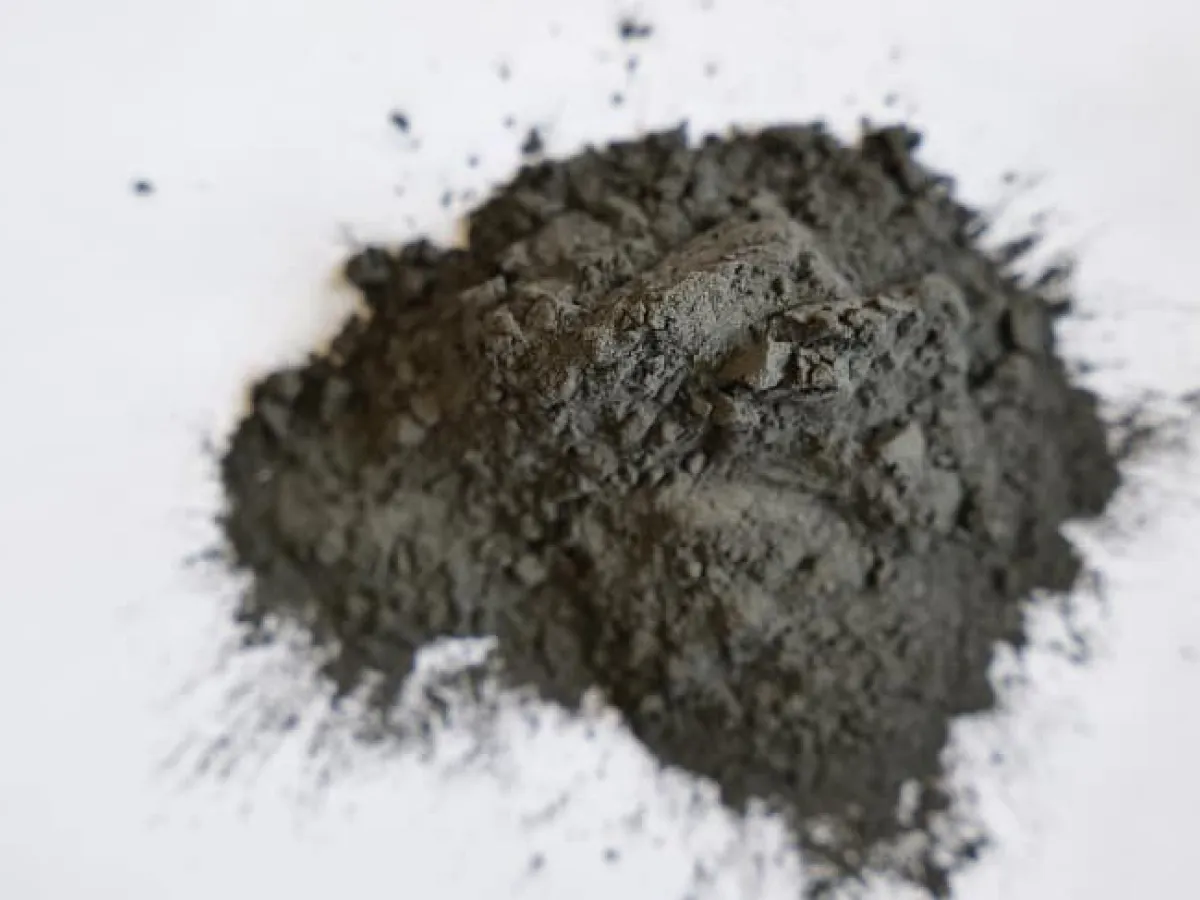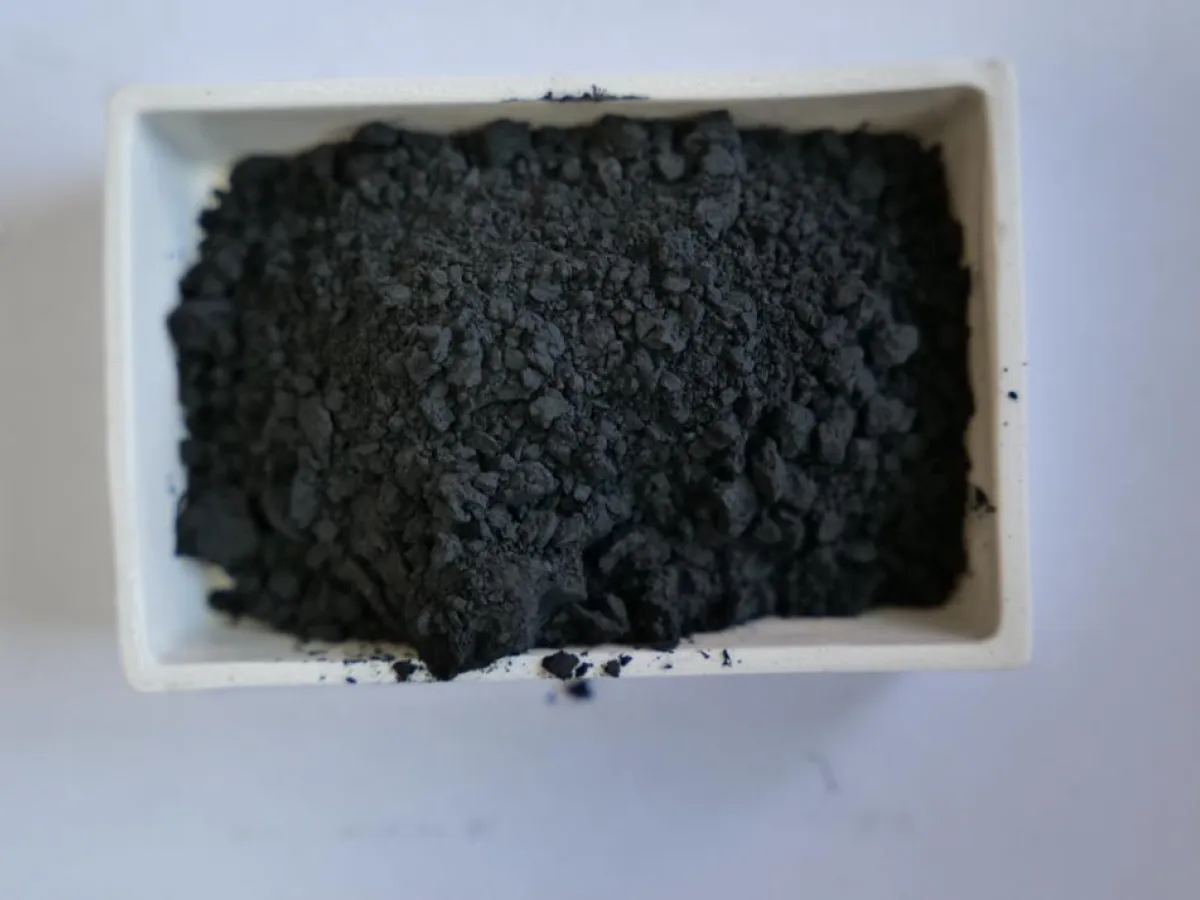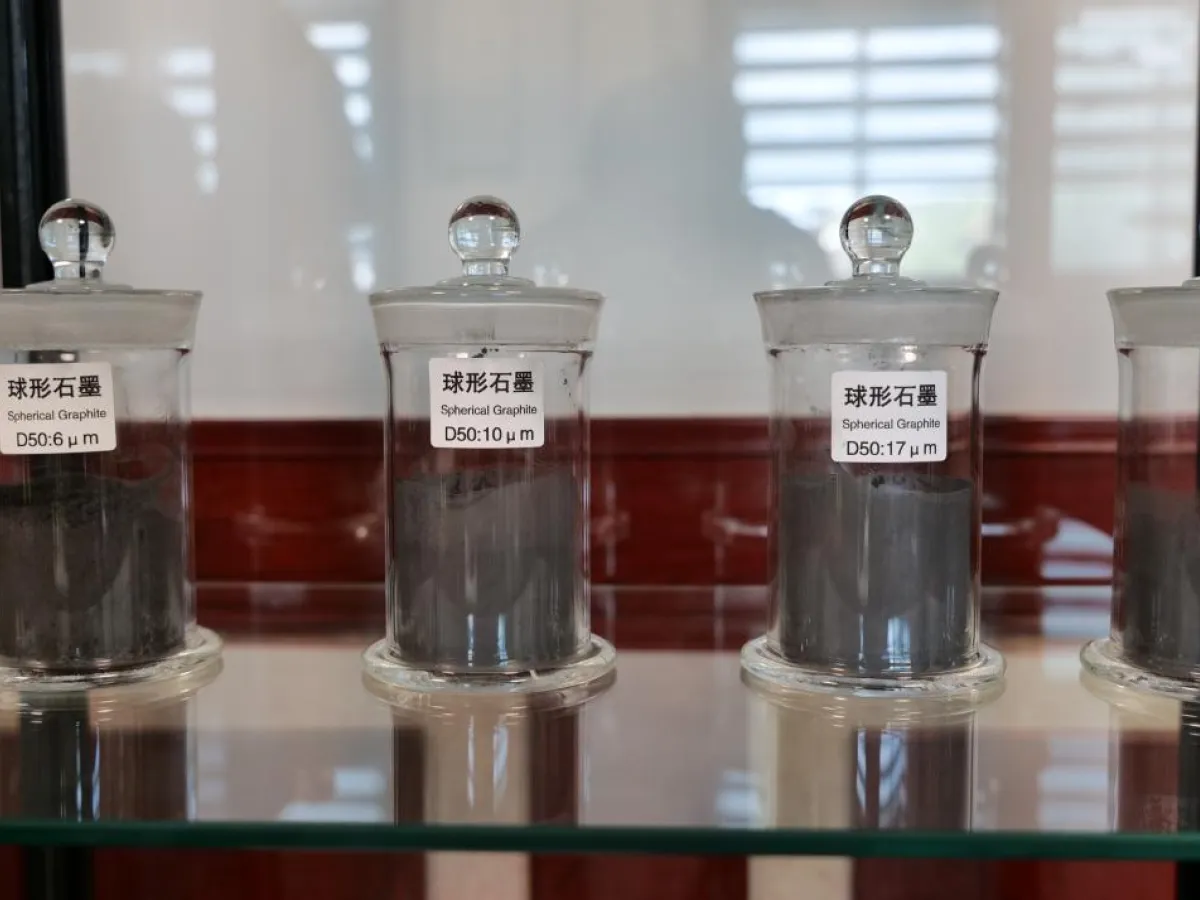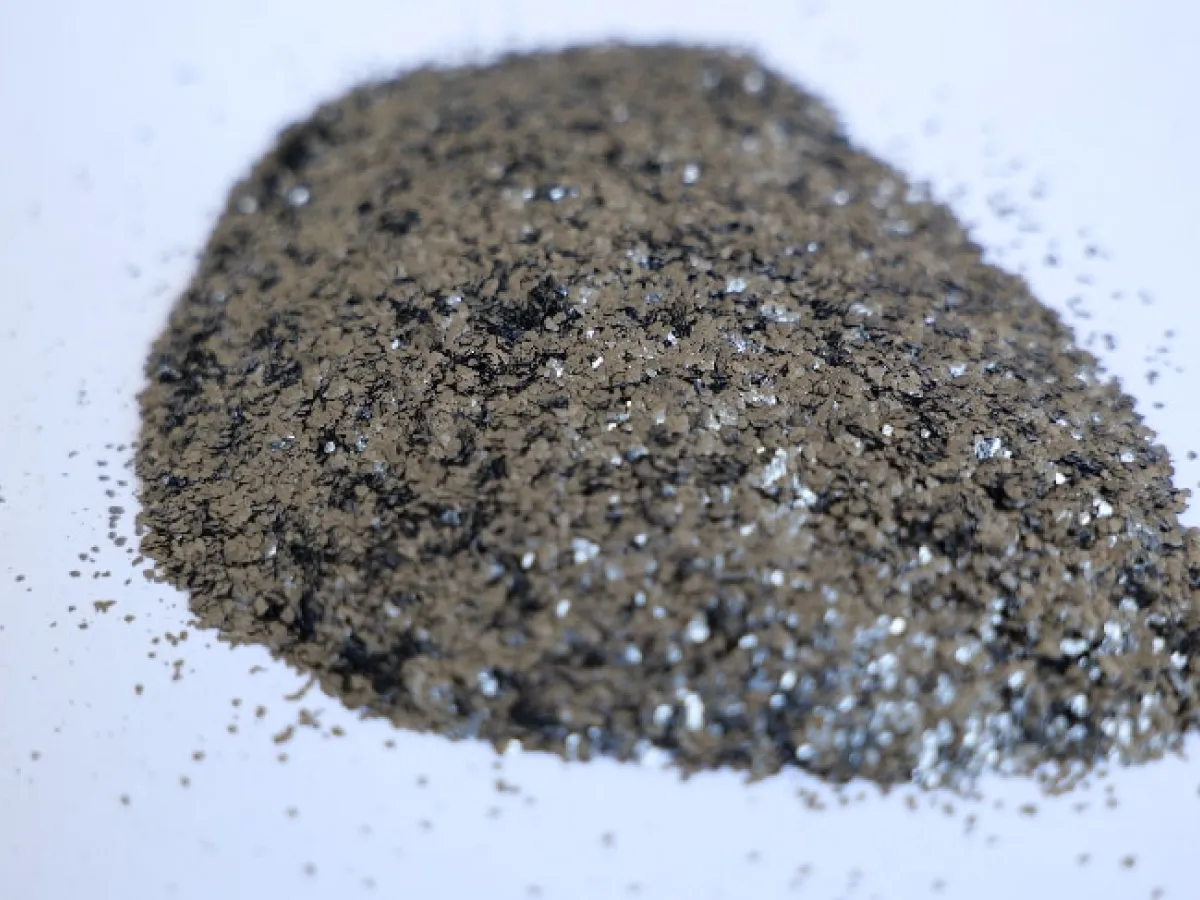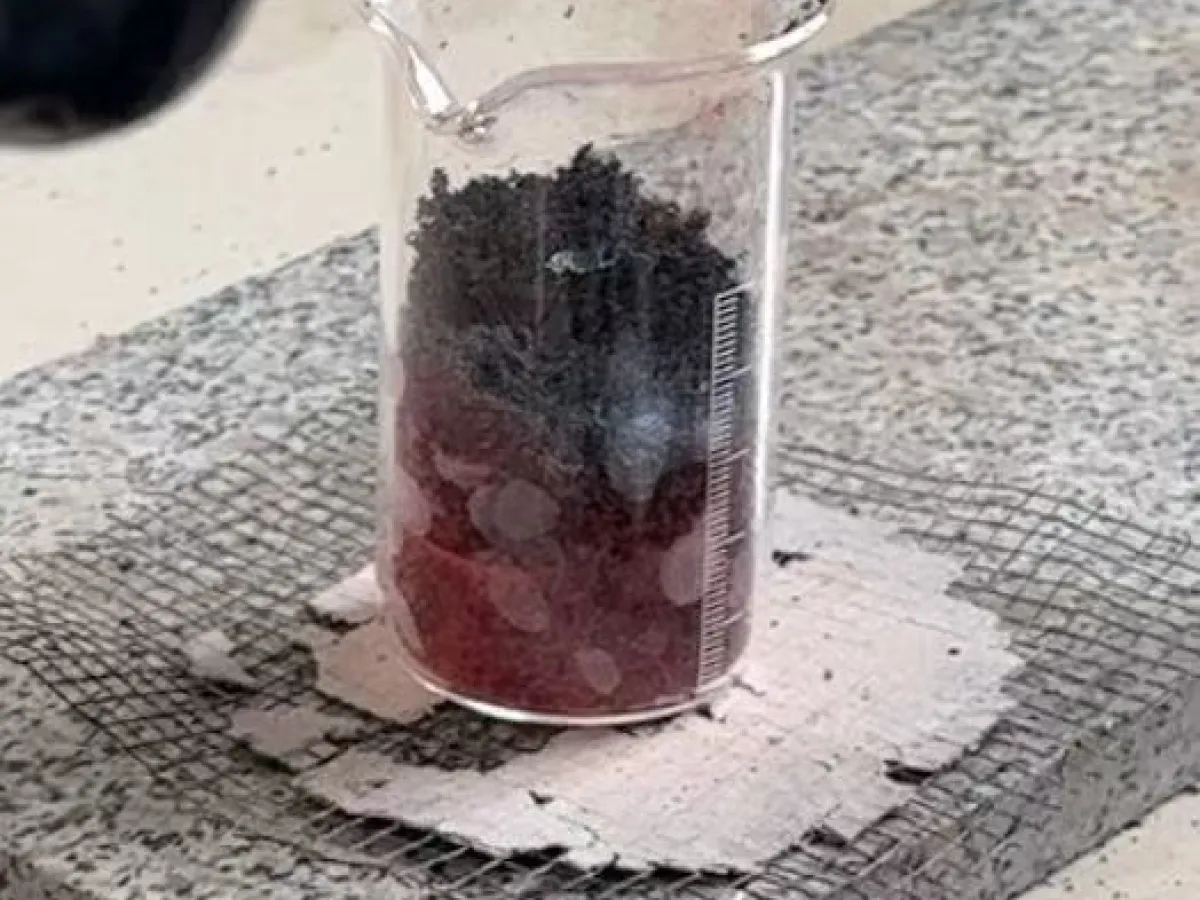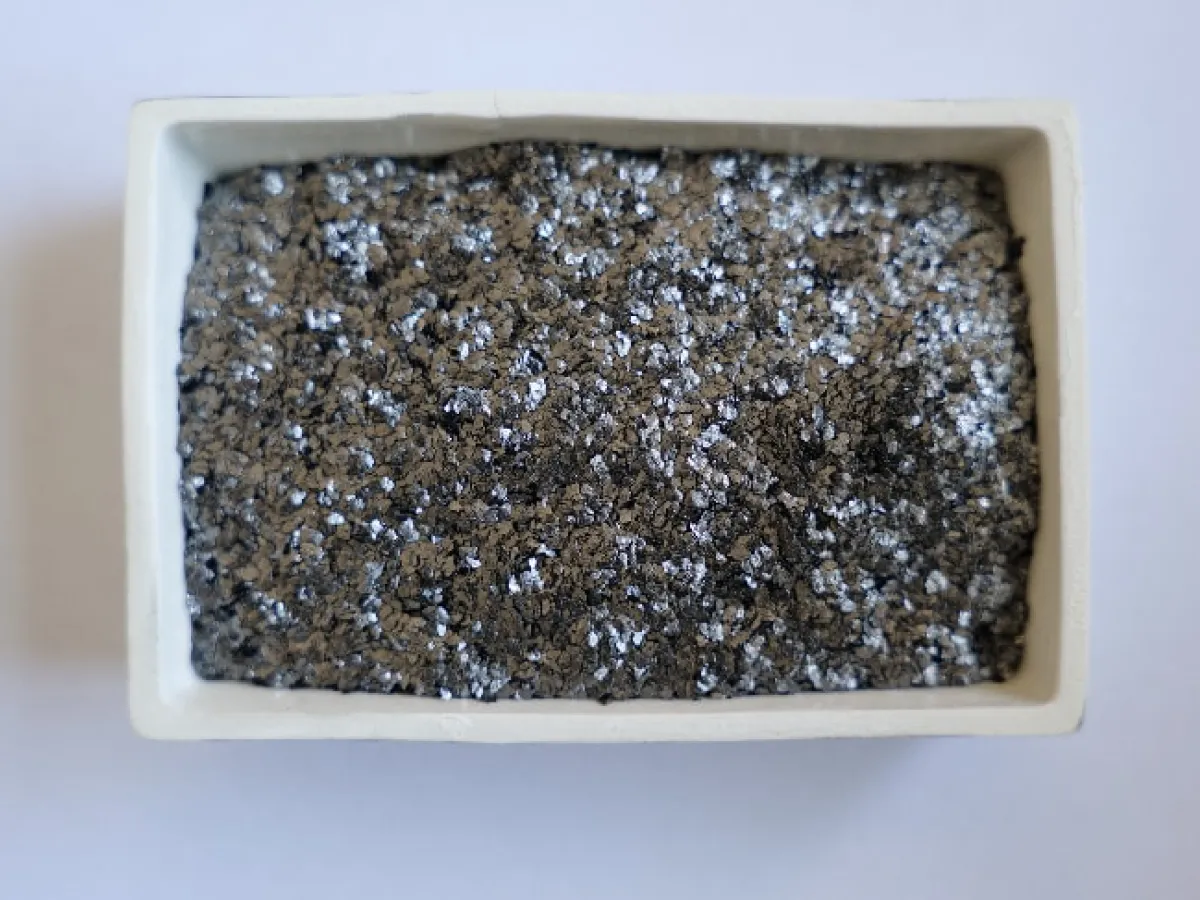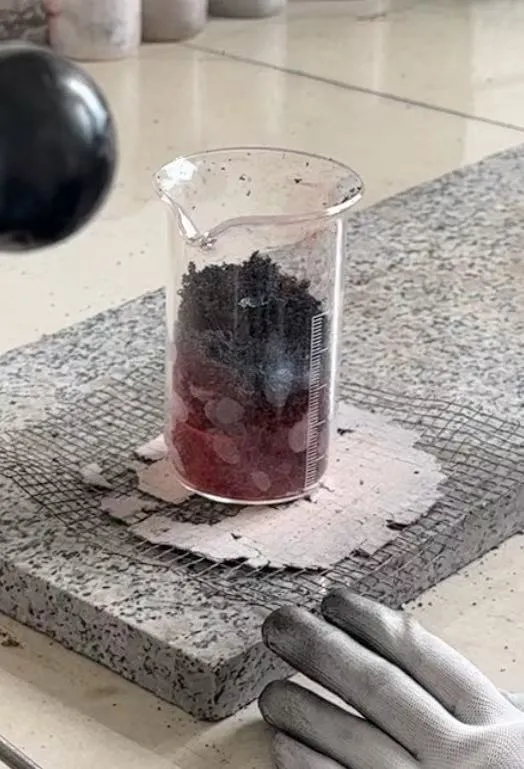
During the procurement of expandable graphite, the expansion ratio is one of the key performance indicators of concern to customers. Sometimes, discrepancies in data between a supplier’s test report and a customer’s re-test for the same batch of products do not necessarily indicate a quality issue; rather, they may be related to testing methods, sample condition, and test conditions. Understanding the factors that influence expansion ratio test results helps both the buyer and seller establish more accurate quality evaluation standards.
The expansion ratio of expandable graphite is typically evaluated based on expansion volume—that is, the volume reached by a unit mass of graphite after thermal expansion. Currently, domestic testing of expandable graphite can refer to GB/T 10698-2023 “Expandable Graphite,” which specifies product technical requirements, test methods, and inspection rules. During the actual testing process, samples must be prepared and subjected to high-temperature expansion according to a standardized method, after which the expansion volume is calculated based on the post-expansion volume. For purchasing companies, when verifying product specifications, it is essential not only to focus on the test results themselves but also to understand the testing methods and conditions to avoid misinterpretations caused by differences in testing approaches.
Even when using the same testing standard, certain data discrepancies may still arise under different experimental conditions. First, the testing temperature and heating conditions directly affect the expansion performance of expandable graphite. If the temperature is insufficient, the interlayer substances cannot react fully, which may result in incomplete expansion; conversely, excessively high temperatures or improper heating conditions may also affect the final test results. Second, the condition of the sample is equally important. Expandable graphite is somewhat hygroscopic, and the storage environment, packaging condition, and pre-test handling procedures may all influence the test data. Therefore, test samples must be kept well-sealed and tested in accordance with the specifications. Furthermore, the particle size and flake structure of the graphite itself can also affect expansion performance. Products with different particle size specifications may exhibit variations in expansion rate, expansion morphology, and final expansion volume; therefore, the test report should clearly specify the product specifications and test conditions.
For both buyers and suppliers, establishing uniform testing standards is a key way to minimize data discrepancies. During the procurement process, it is recommended that both parties confirm in advance: the testing standards to be adopted; the testing methods for expansion ratios; sample preparation requirements; and the criteria for evaluation and acceptance. At the same time, suppliers should ensure the consistency of products across different batches and include relevant test information in the test reports to facilitate re-testing and quality verification by customers. For expandable graphite used in fire-resistant materials, sealing materials, and other functional materials, consistent expansion performance is more important than a single test value.
We have long been engaged in the production and processing of graphite products, offering expandable graphite with varying expansion ratios and particle size specifications. Our products can be applied in fire-resistant materials, sealing materials, coatings, and other high-temperature protection applications. As a professional manufacturer of expandable graphite, we prioritize batch-to-batch consistency and provide corresponding test data and product documentation according to customer requirements, helping customers more accurately evaluate material performance.
If you are looking for a reliable supplier of expandable graphite, please feel free to contact us for more product information.
Copyright © 2026 by Qingdao Baohua New Materials Technology Co., Ltd.
| Privacy Policy