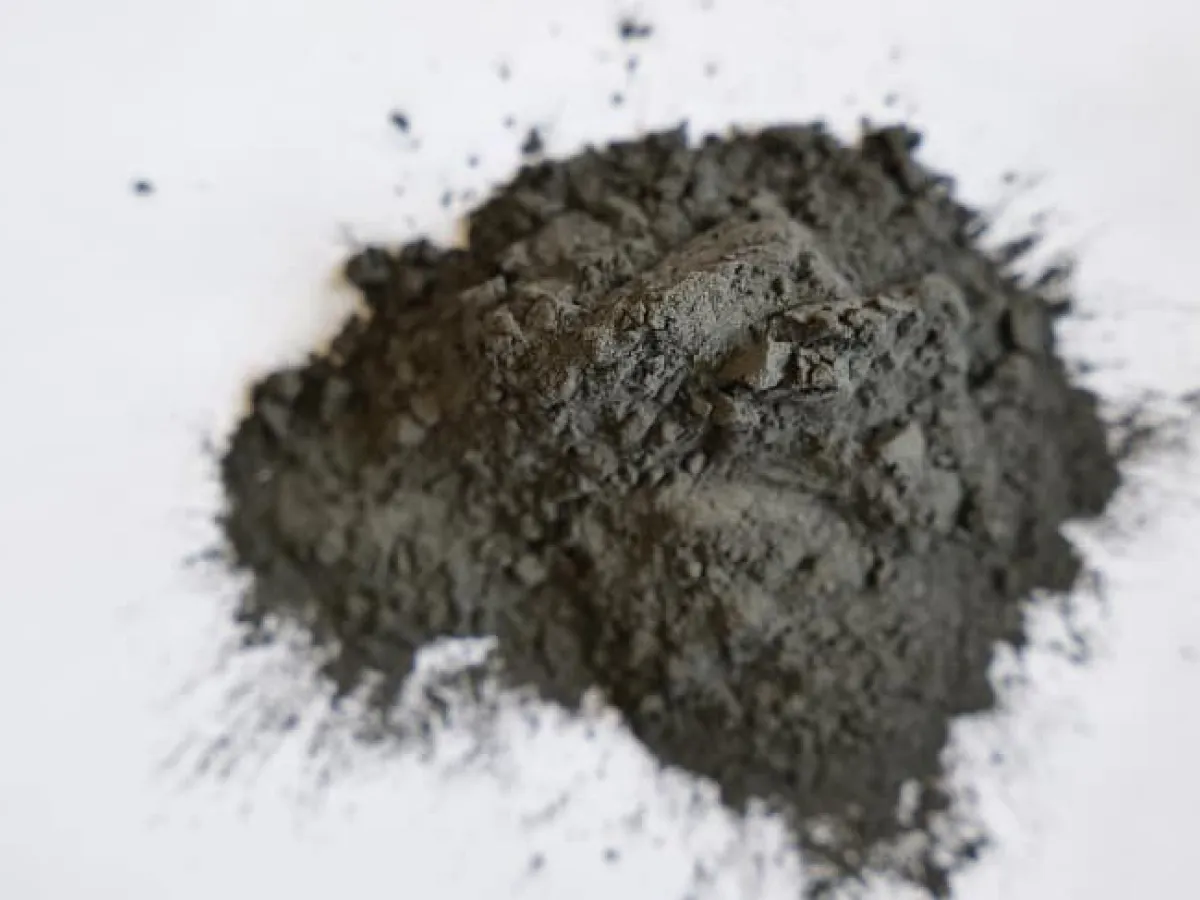
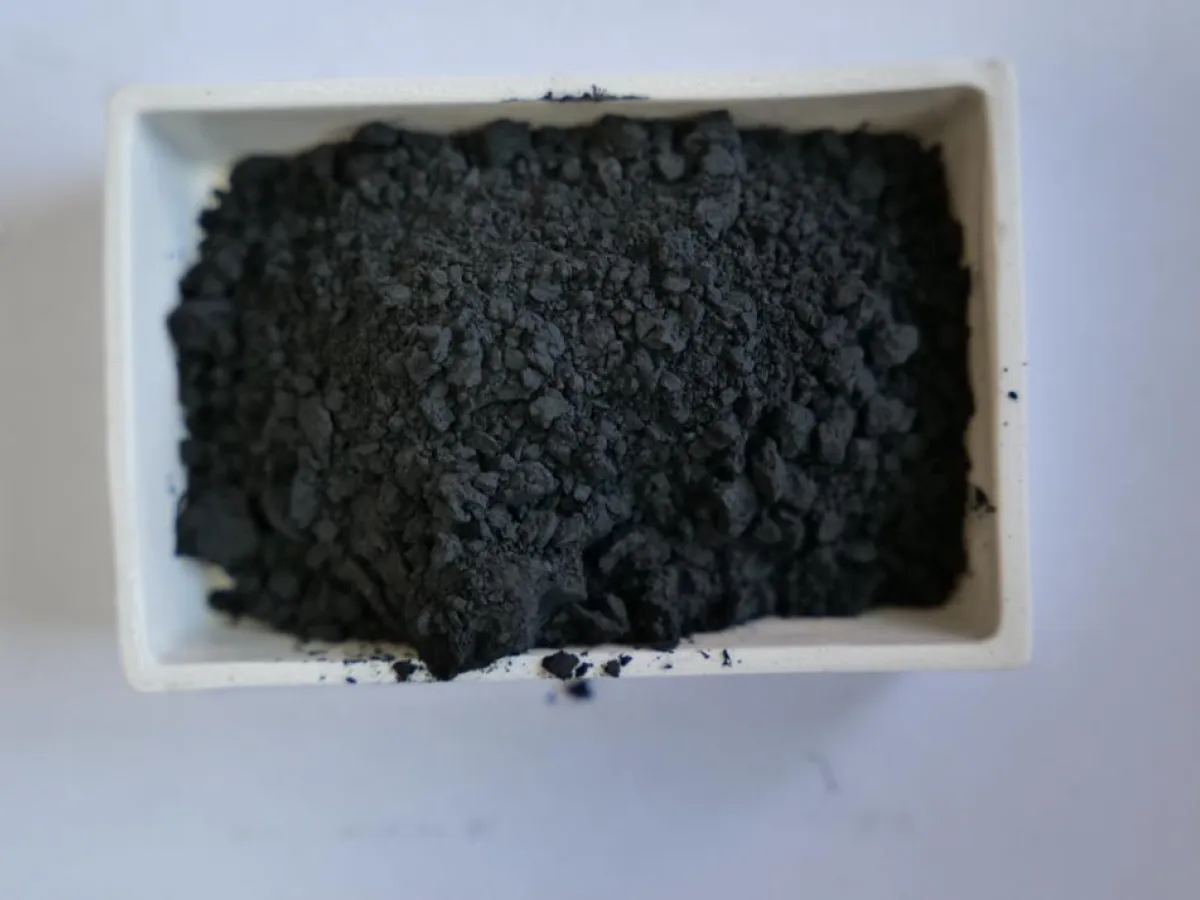
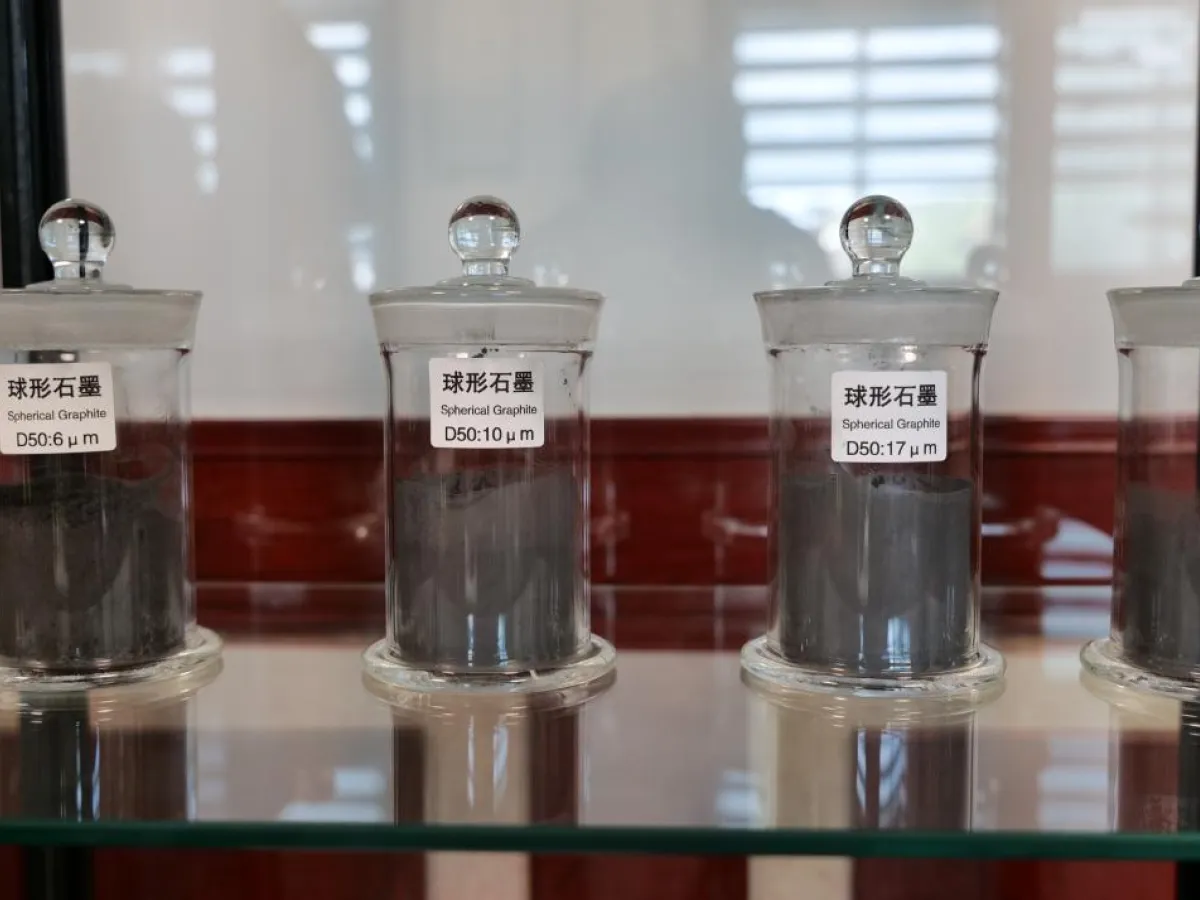
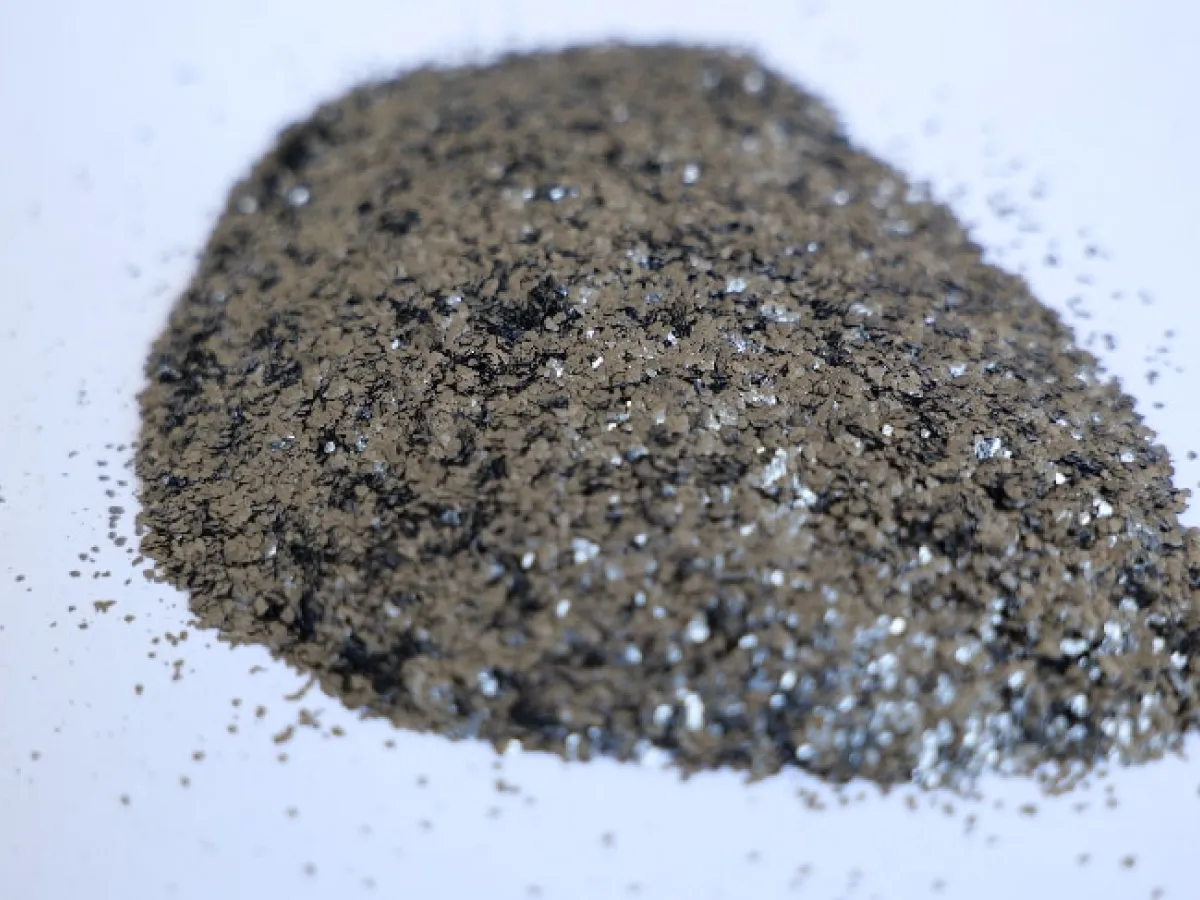
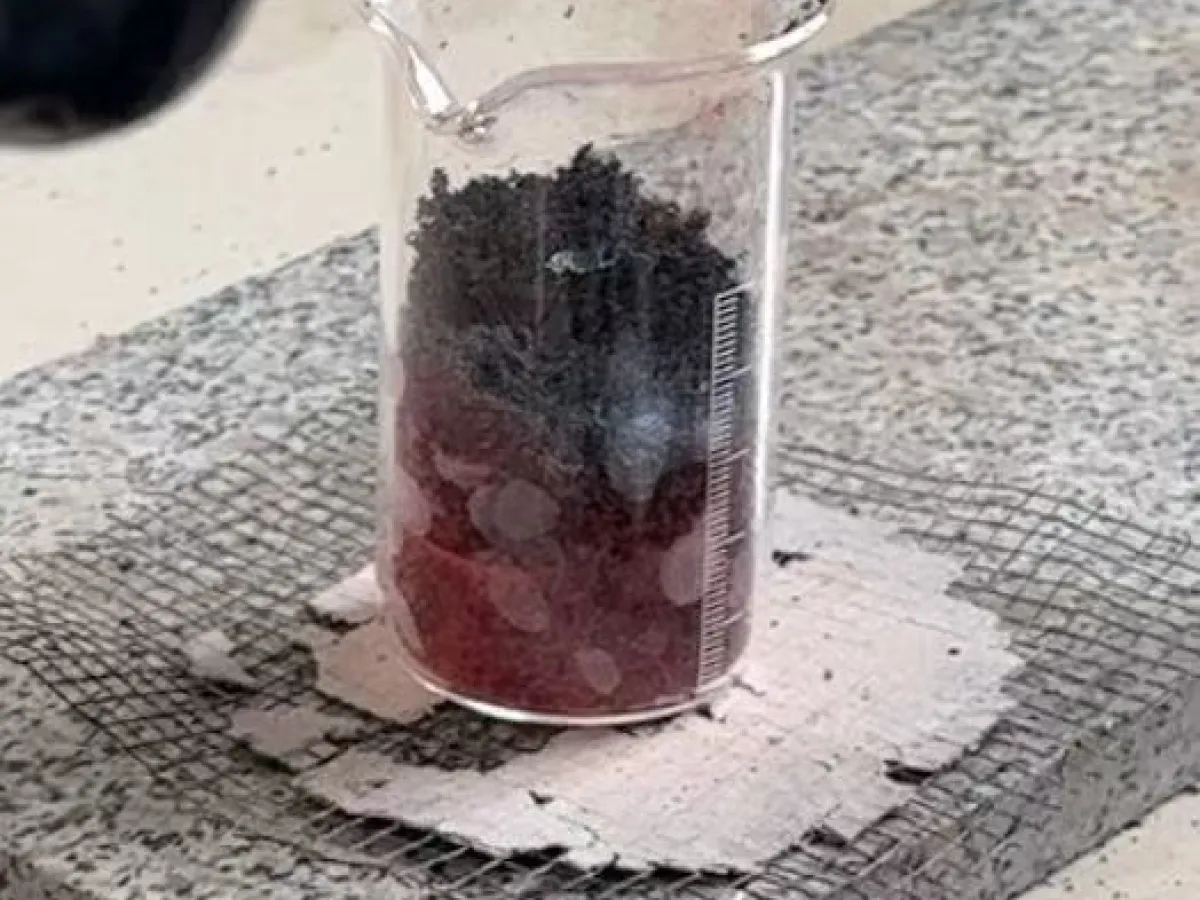
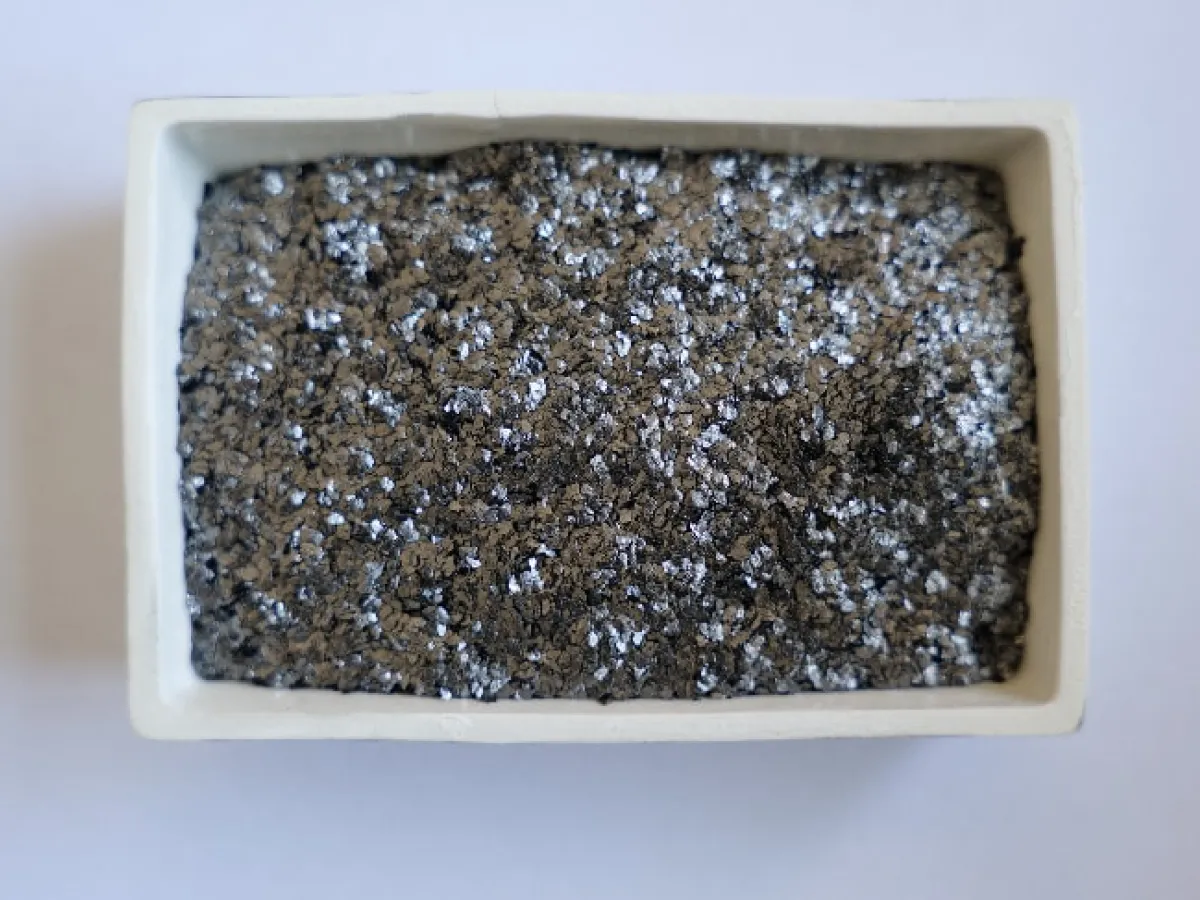
In the quality testing of spherical graphite, the content of magnetic contaminants is a key indicator of concern for customers of battery anode materials. Magnetic metal impurities can affect battery performance and safety; therefore, accurately testing for magnetic contaminants and ensuring consistency in data across batches are critical for the quality control of spherical graphite.
Currently, both GB/T 38887-2020 “Spherical Graphite” and GB/T 24533-2019 “Graphite-Based Anode Materials for Lithium-Ion Batteries” pertain to the detection of magnetic impurities in spherical graphite. Specifically, Clause 6.9 of GB/T 38887-2020 stipulates that magnetic substances shall be determined in accordance with Appendix K of GB/T 24533-2019. Both standards are currently in force. According to the relevant standards, the testing for magnetic substances involves five elements: iron, chromium, nickel, zinc, and cobalt. The reported results should focus on the total content of these five elements; the total amount of magnetic substances cannot simply be replaced by the content of iron alone.
The core of the standard method is a combination of magnetic rod adsorption and inductively coupled plasma emission spectroscopy (ICP-OES). During the testing process, spherical graphite samples are first dispersed in anhydrous ethanol, and magnetic particles in the sample are adsorbed using a magnetic rod; the adsorbed material is then treated with acid to leach the relevant metal elements into the solution; finally, the content of each element is determined instrumentally, and the total amount is calculated. This method not only assesses the presence of particles that can be adsorbed by the magnetic rod but also quantifies the adsorbed material through subsequent elemental analysis. In actual testing, all stages—including sample preparation, magnetic rod conditions, the adsorption process, and instrumental analysis—must be controlled in accordance with standard specifications; the content of magnetic substances cannot be determined solely based on the weight of particles adsorbed by the magnetic rod.
Data discrepancies in the detection of spherical graphite magnetic substances may be related to factors such as sample representativeness, the condition of the magnetic rod, adsorption conditions, the sample preparation process, and instrumental analysis. Even if the test item names are identical, results may not be directly comparable if the testing methods or specific operating conditions differ. Furthermore, the objectives of rapid screening and standard quantitative testing are not entirely the same. For example, magnet adsorption and weighing primarily reflect the mass of the adsorbed material, whereas the standard method calculates the total content of specified elements through elemental analysis; the results of the two cannot be directly interchanged. If the purchasing party requires a re-inspection, it is recommended to standardize the testing criteria, sample preparation methods, and reporting standards as much as possible.
When reviewing test reports for magnetic impurities in spherical graphite, in addition to focusing on the final numerical values, the following details should also be verified:
1. Testing Standards: Whether the adopted standards and specific methods are specified.
2. Test Items: Whether the total content of specified elements is reported, or whether only a single element (such as iron) is reported.
3. Unit of Measurement: Verify that units such as ppm and mg/kg are consistent.
4. Detection Limit and Reporting Format: Distinguish between specific measured values, “below the detection limit,” and “not detected,” and cross-check the detection limit or quantification limit stated in the report.
5. Re-testing Conditions: If discrepancies exist between the two parties’ results, first verify the sampling, pretreatment, and testing methods before discussing whether third-party re-testing is necessary.
Specific acceptance limits for magnetic content should be based on applicable product standards, customer technical agreements, and mutual agreements between both parties; the limit set by a single customer should not be directly regarded as a uniform requirement for all spherical graphite products.
The testing of magnetic content in spherical graphite not only relates to product quality control but also affects customers’ review of test reports and requests for retesting. Clarifying the basis of standards, standardizing testing methods, and accurately understanding total element content, detection limits, and reporting units are essential foundations for reducing testing disputes. We manufacture natural flake graphite and spherical graphite and place great emphasis on product quality and testing requirements. For customers with specific requirements regarding magnetic impurities, we recommend clarifying the applicable standards, target limits, and reporting requirements prior to procurement so that both parties can conduct quality verification based on uniform technical conditions.
Copyright © 2026 by Qingdao Baohua New Materials Technology Co., Ltd.
| Privacy Policy