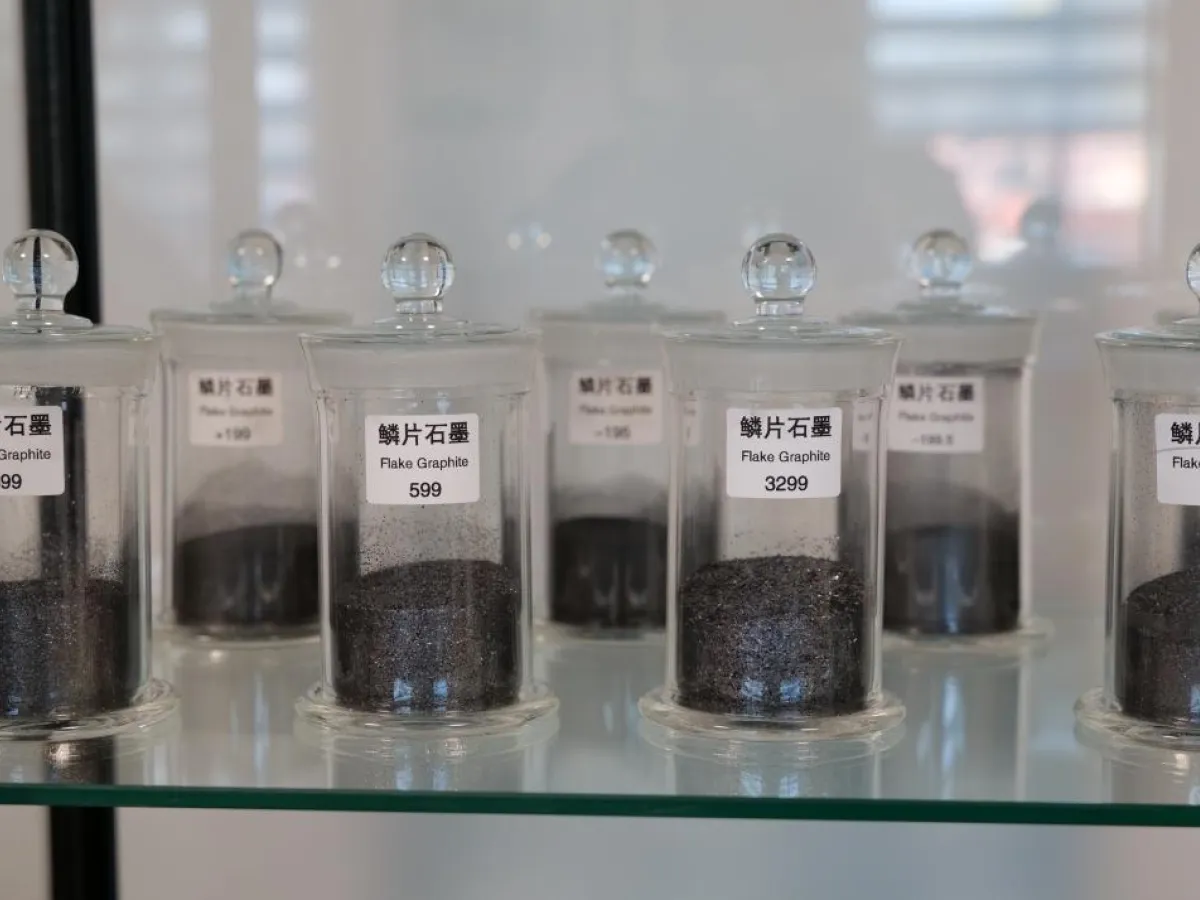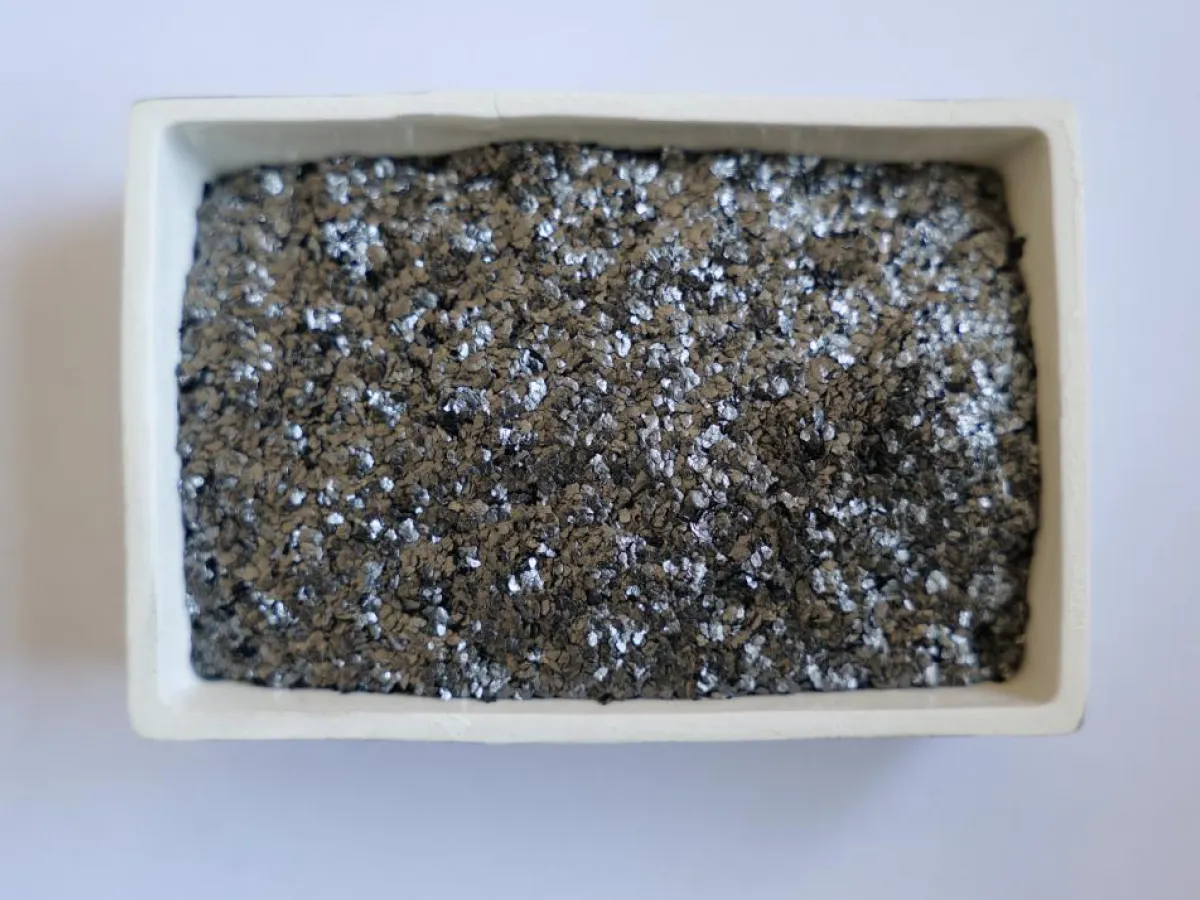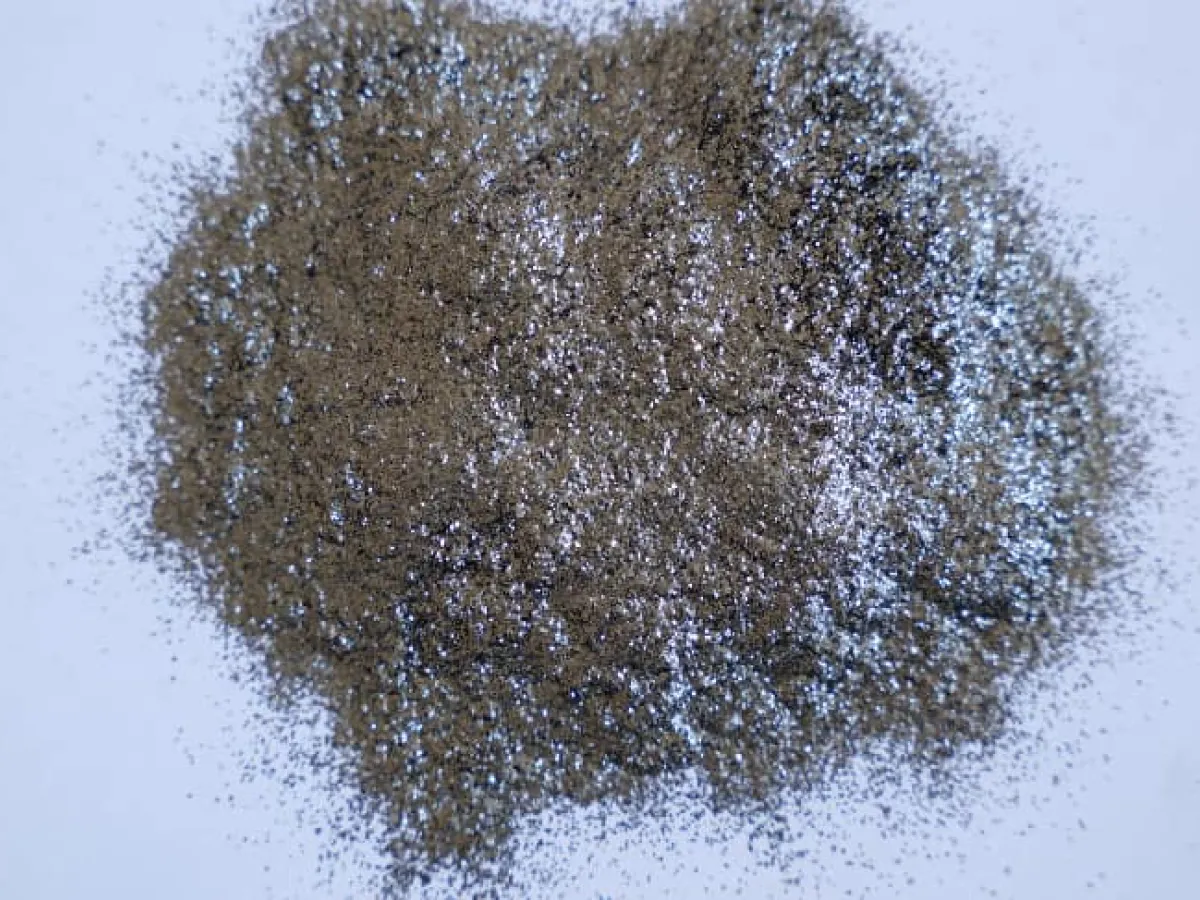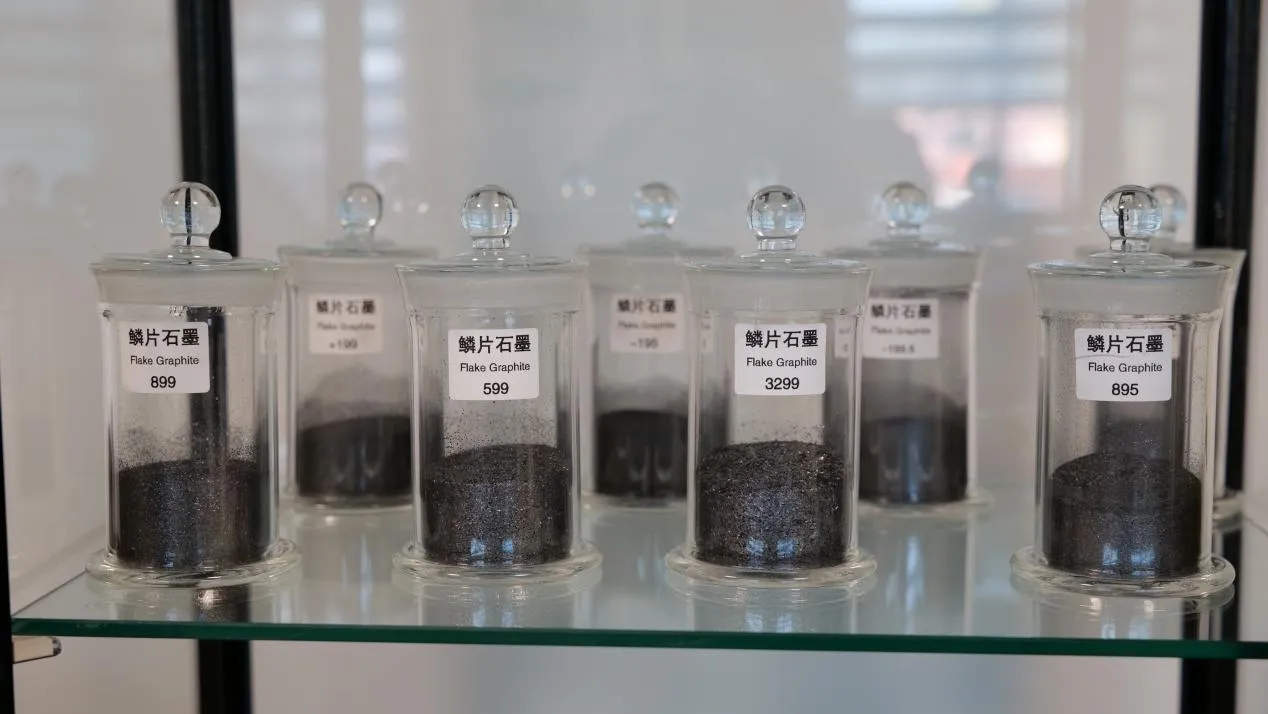
In foundry production, the surface condition of the mold cavity directly affects the final quality of the casting. To minimize direct contact between the molten metal and the sand mold, foundry coatings typically need to form a stable barrier layer. Thanks to its layered structure, high-temperature resistance, and excellent lubricating properties, natural flake graphite is one of the most commonly used carbon-based materials in foundry coatings. Compared to ordinary powdered fillers, the flake-like structure of natural flake graphite enables better coverage within the coating. After molten metal is poured, the graphite layer acts as a barrier under high-temperature conditions, helping to reduce direct contact between the metal and the sand mold, thereby lowering the risk of sand adhesion and improving the surface quality of the castings.
Graphite in foundry coatings is not used solely to “increase carbon content.” In practical applications, it is more important that the graphite particles are uniformly distributed within the coating and form a continuous, stable covering on the mold cavity surface. Therefore, the flake size and particle size of natural flake graphite must be selected in conjunction with the coating system. Particles that are too large may affect the uniformity of the coating, while those that are too fine may alter the coating’s rheology and suspension properties. The appropriate graphite specifications vary depending on the type of sand mold, casting alloy, and application method. This is why, when purchasing graphite for foundry coatings, one cannot rely solely on fixed carbon content. In addition to fixed carbon, attention should also be paid to indicators such as particle size, flake size, ash content, moisture content, and volatile matter.
If a customer’s primary concern is the surface quality of castings, they should focus on the graphite’s particle size distribution and flake structure; if the coating requires higher levels of high-temperature stability and impurity control, then fixed carbon and ash content require closer attention. In other words, there is no “
one-size-fits-all” solution for natural flake graphite used in foundry coatings. Graphite specifications must be matched to the coating formulation, application method, and the final casting requirements.
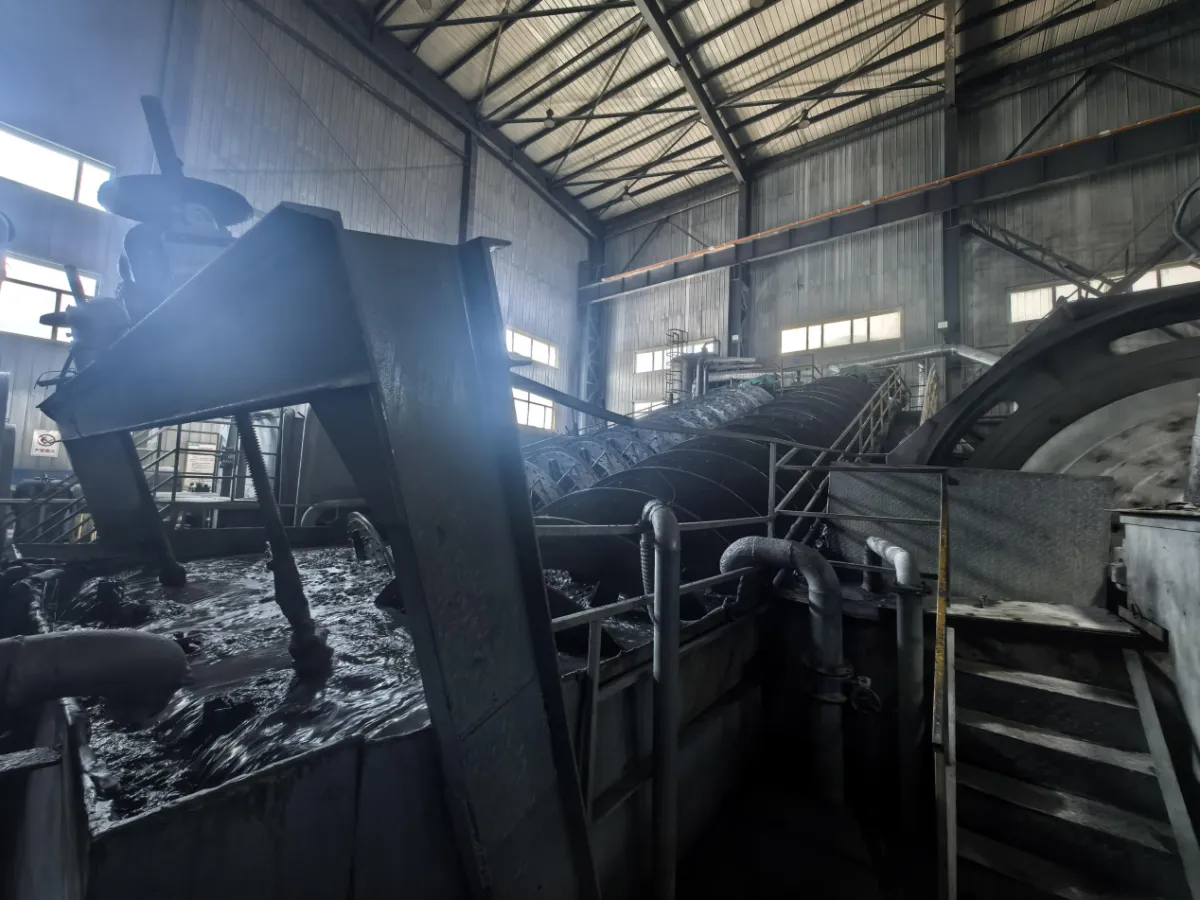
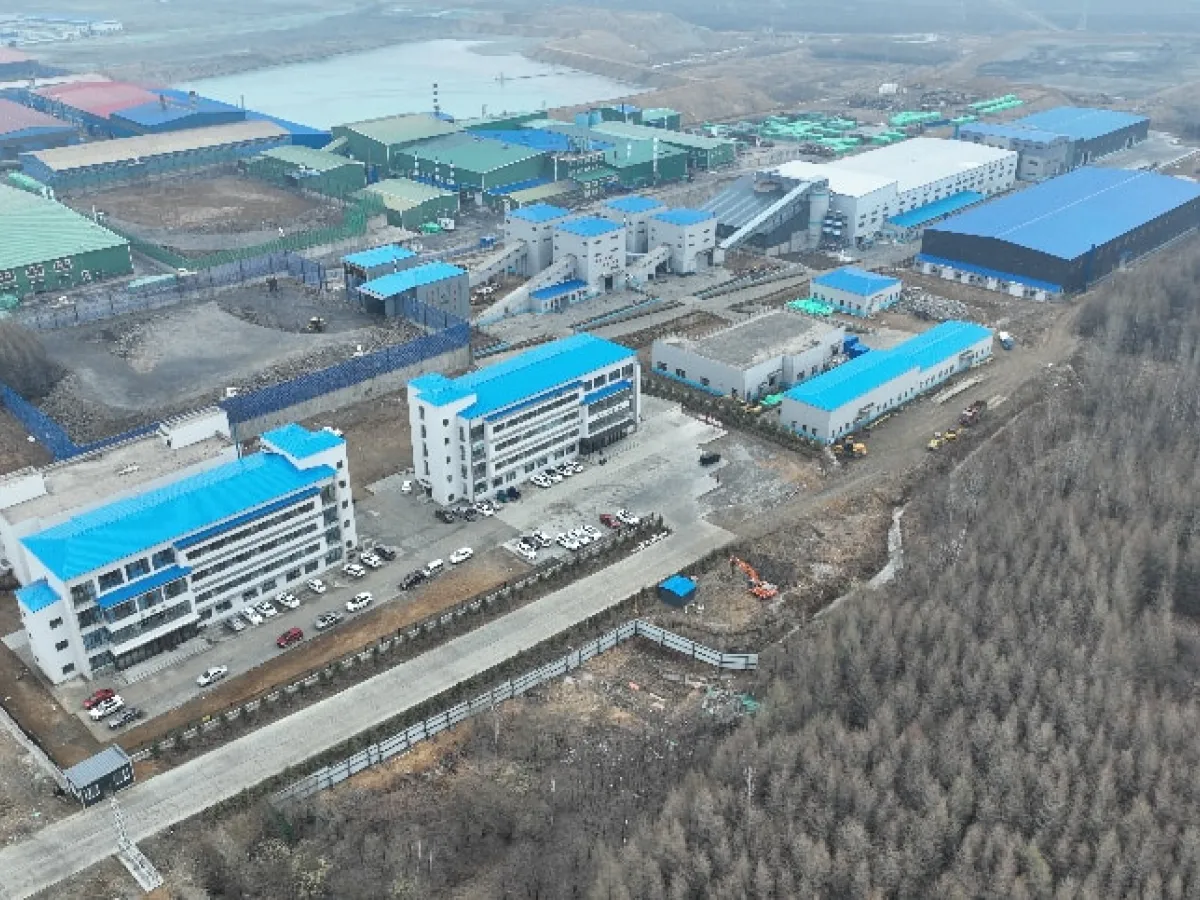
Jinhui Graphite has over 30 years of experience in natural graphite mining and processing. We supply natural flake graphite with fixed carbon content ranging from 80% to 99.95% and particle sizes from -325 to +35 mesh, and can provide various specifications, including large, medium, and small flakes. For foundry coating applications, we can match the appropriate grade based on the customer’s requirements for fixed carbon content, particle size, flake size, and ash content, and adjust specifications according to actual formulation needs.
For foundry coatings, the truly suitable graphite is not merely one with “high carbon content”; more importantly, it must be able to interact stably with the entire coating system.
Copyright © 2026 by Qingdao Baohua New Materials Technology Co., Ltd.
| Privacy Policy