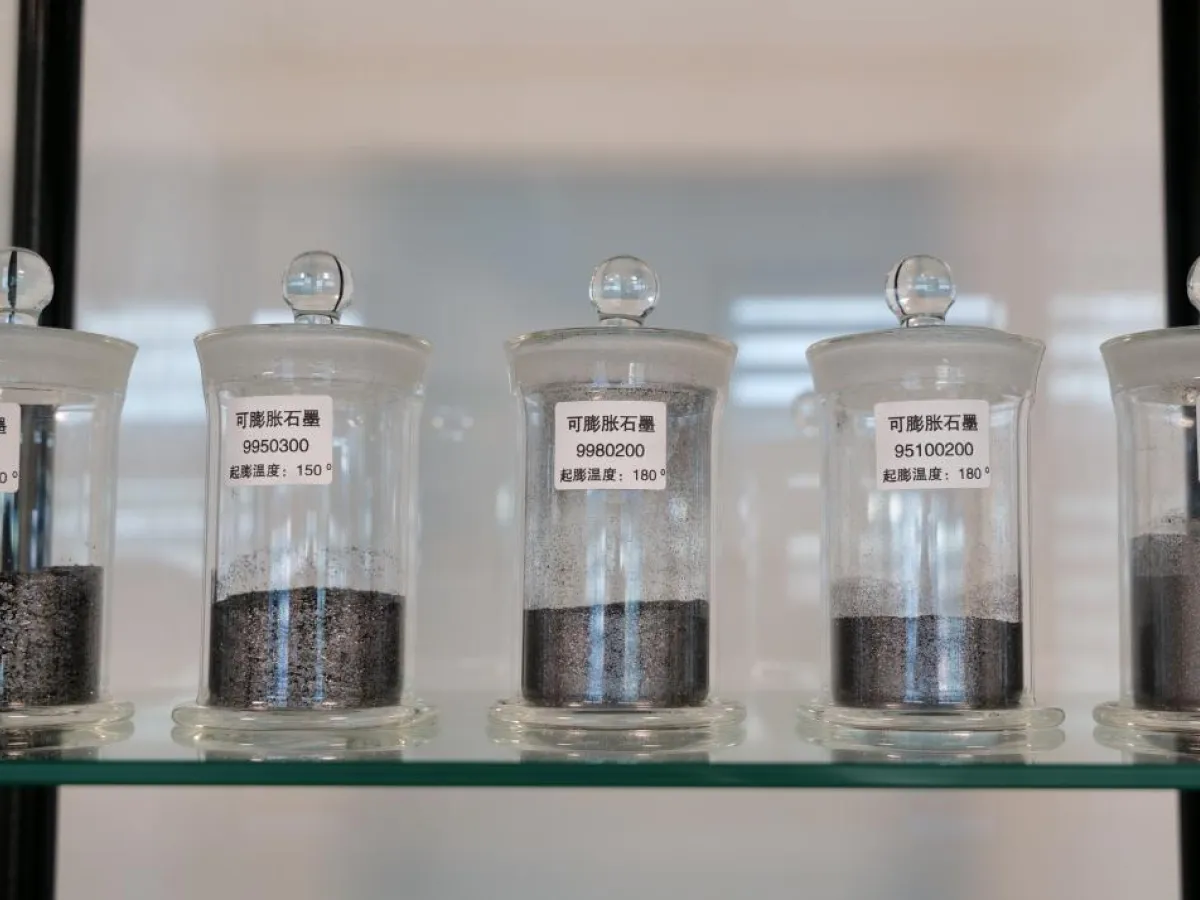
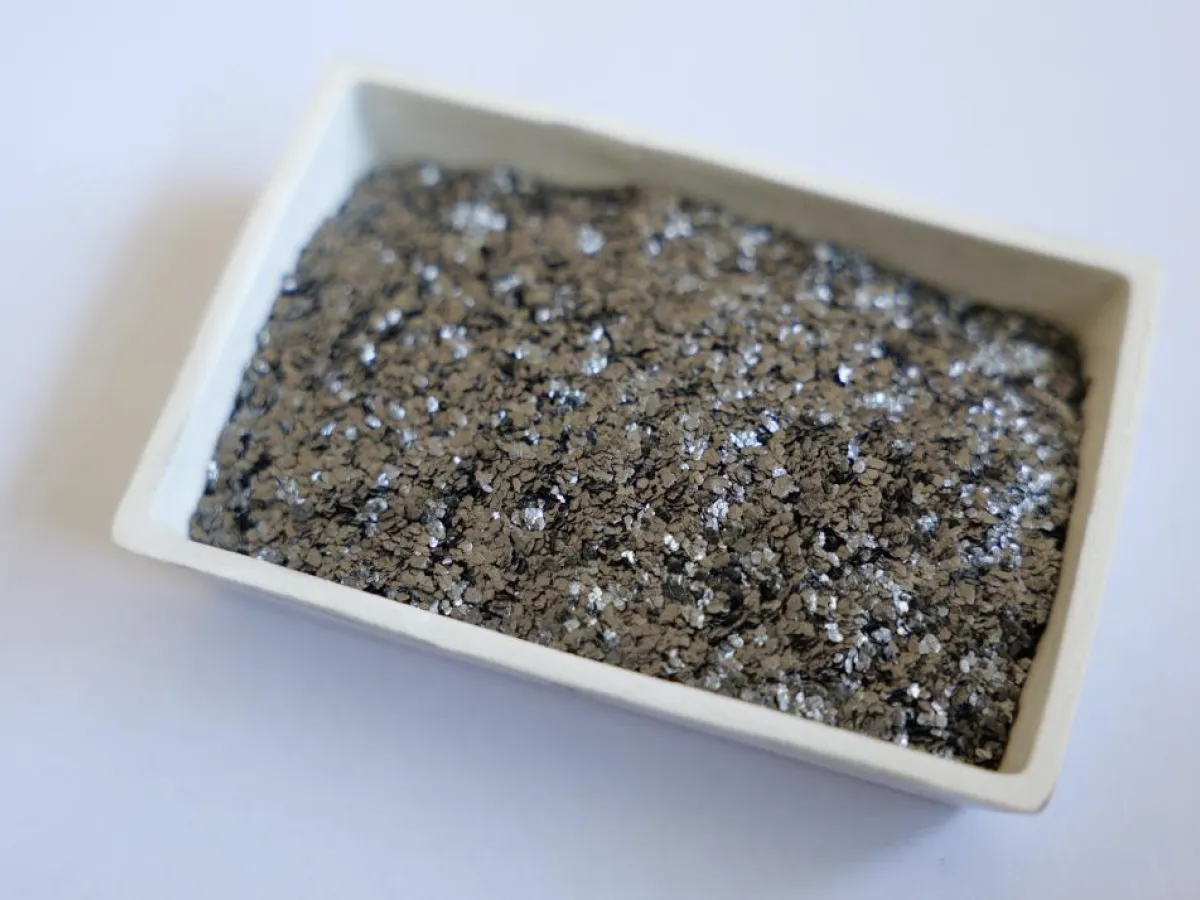
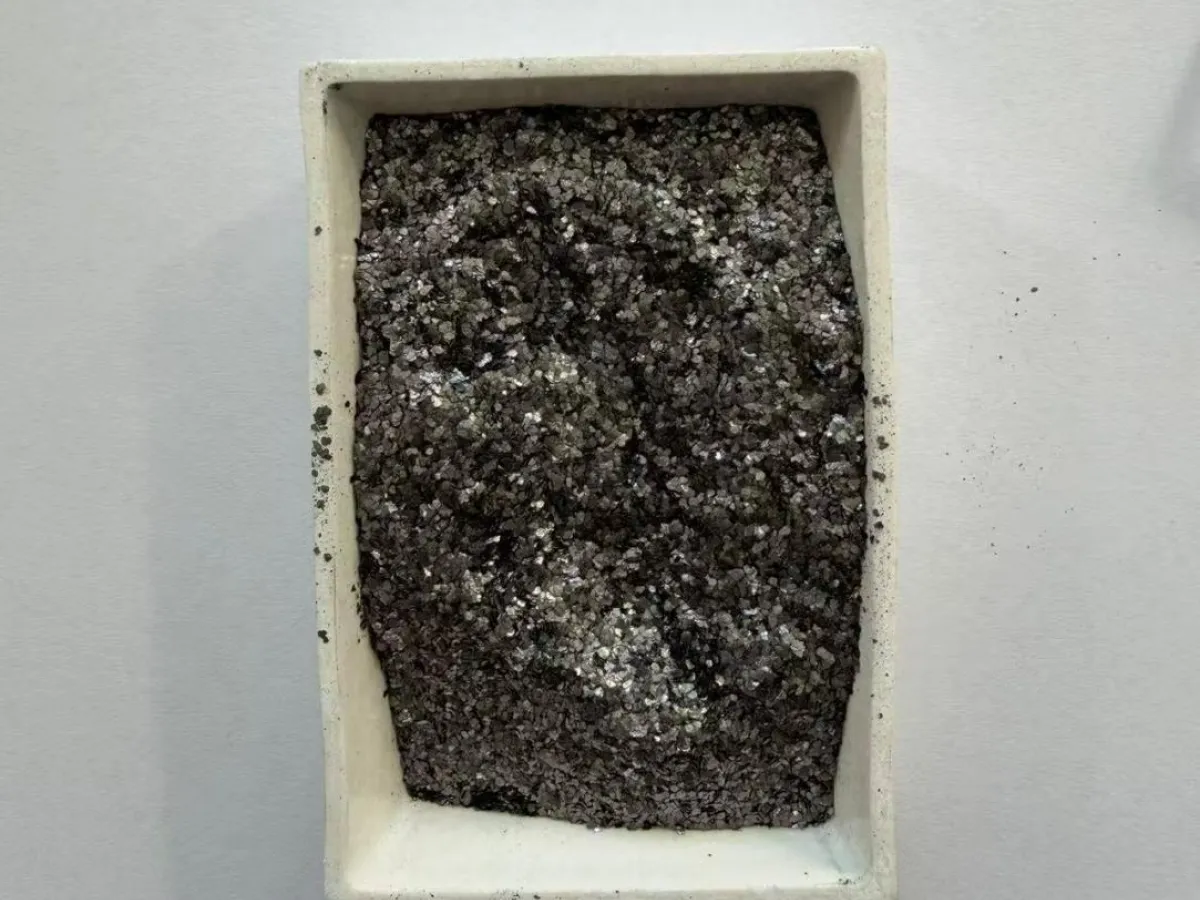
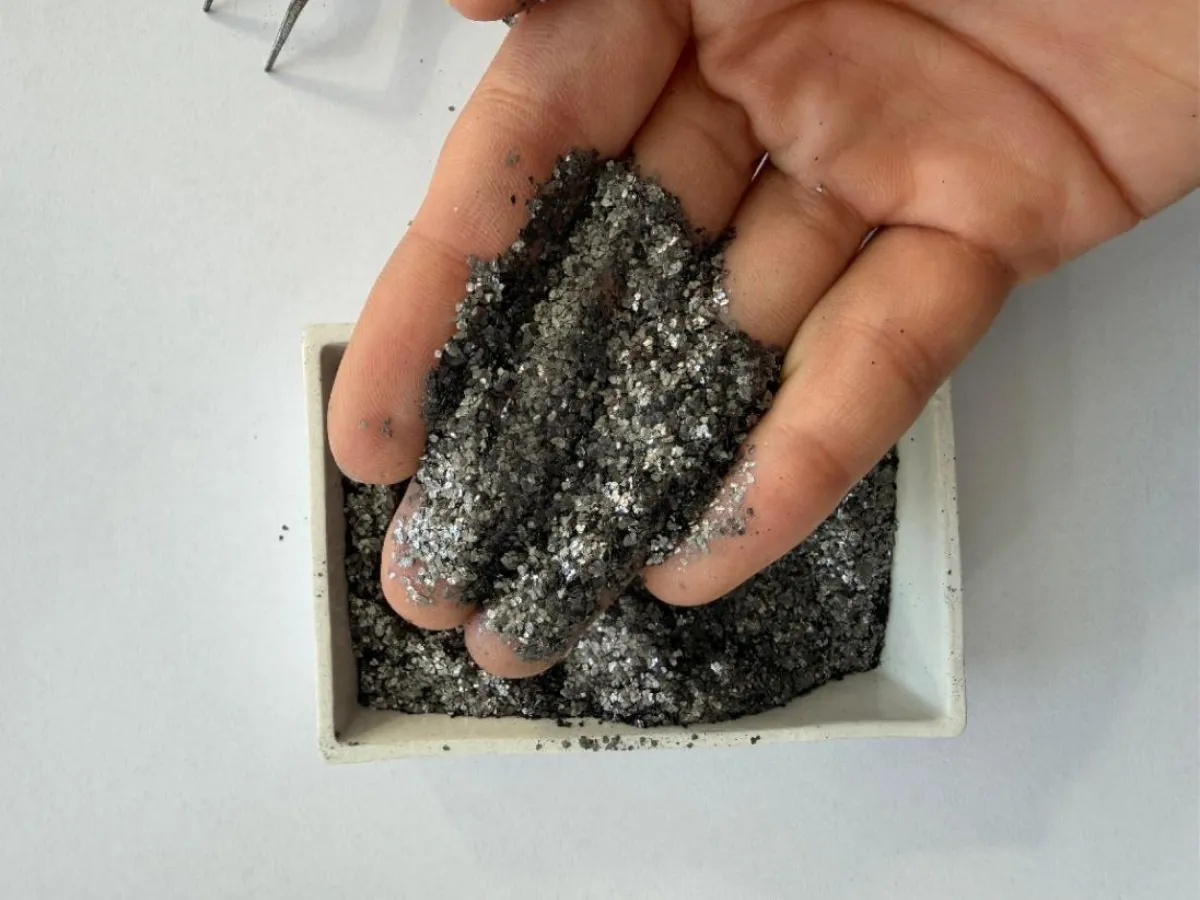
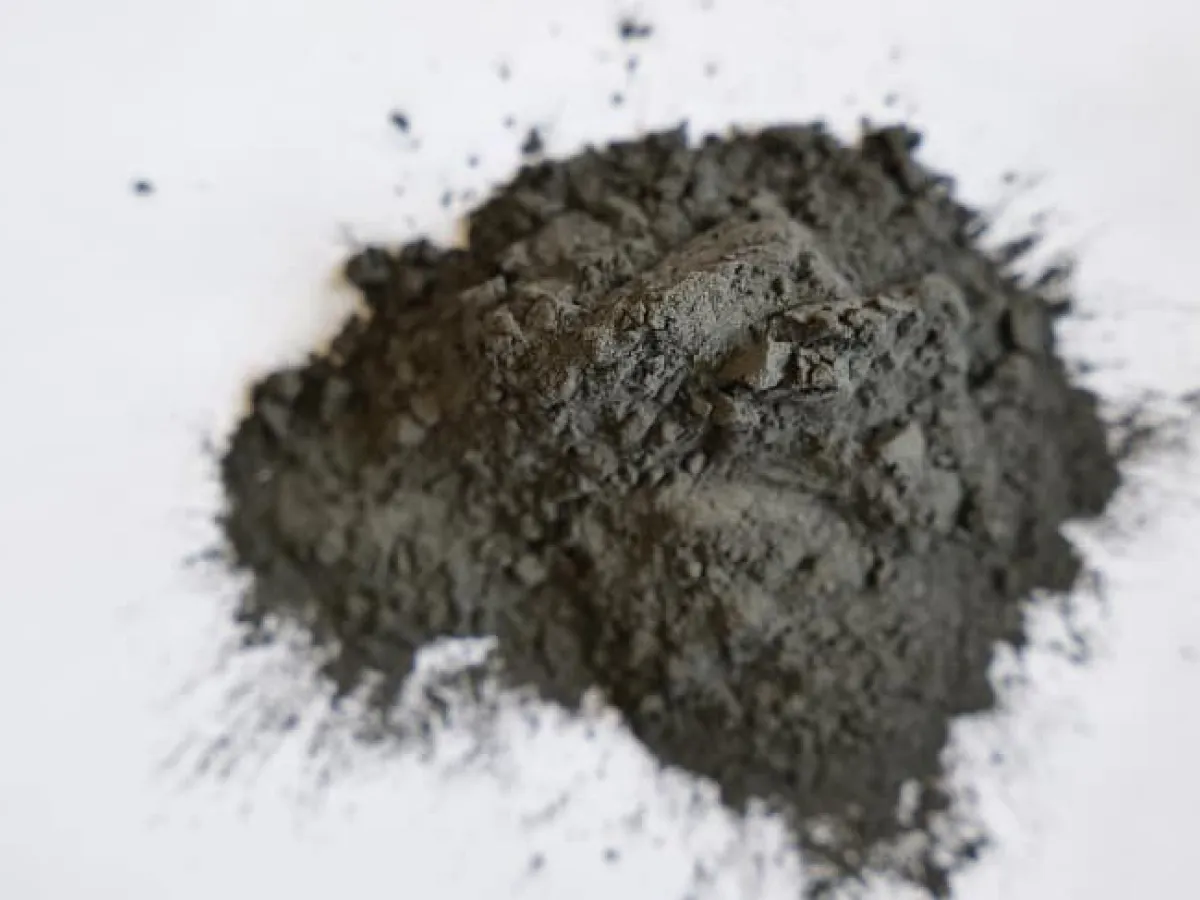
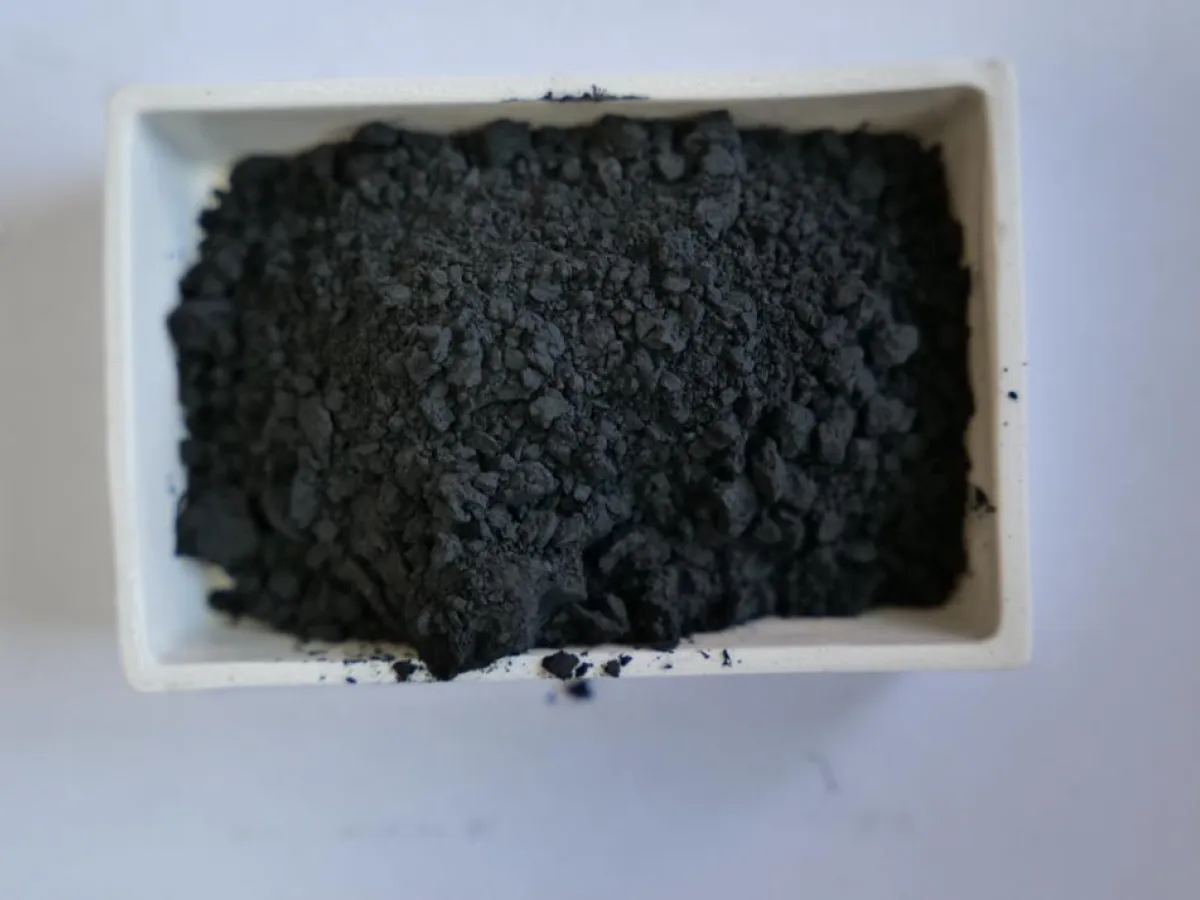
In power battery thermal management systems, controlling temperature differences between battery cells affects the operational stability and service life of the battery pack. Traditional solutions typically use silicone-based thermal pads to fill the gaps between battery cells and cooling structures. In contrast, expandable graphite, after being pressed, can be formed into flexible graphite foils with high in-plane thermal conductivity, offering an alternative material option for temperature equalization in battery modules. Expandable graphite and traditional thermal pads are not simply interchangeable. There are significant differences between the two in terms of thermal conductivity direction, compression performance, and application methods, so the choice must be made based on the battery structure and actual heat dissipation requirements.
Traditional thermal pads typically use silicone rubber as a matrix, with the addition of thermally conductive fillers such as aluminum oxide and boron nitride. During installation, the pad is compressed to a certain degree to fill the microscopic gaps between the heat-generating components and the heat dissipation structure, reducing the contact thermal resistance caused by air layers and enabling effective heat transfer. Expandable graphite foil, however, exhibits distinct thermal conductivity characteristics. Expandable graphite, after undergoing high-temperature expansion and compression, forms a flexible graphite material with a layered structure. Because graphite crystals exhibit significant anisotropy, their in-plane thermal conductivity is typically higher than that in the thickness direction. Therefore, graphite foil is better suited for dissipating heat in the in-plane direction, helping to disperse localized hot spots; traditional thermal pads, on the other hand, focus more on filling interface gaps to establish heat transfer pathways between heat-generating components and heat dissipation structures.
A key advantage of thermal pads is their compressibility. Given the assembly tolerances, surface irregularities, and operational vibrations present inside battery packs, silicone-based thermal pads can adapt to a certain range of gap variations through compression, thereby improving contact. Expanded graphite foil possesses a certain degree of flexibility, but its compression and rebound capabilities differ from those of silicone thermal pads. The thickness, density, and compression process of graphite foil all affect its mechanical performance. For areas with large gaps, uneven surfaces, or where continuous elastic compensation is required, using graphite foil alone may not be suitable. Therefore, when selecting materials, one must not only consider the thermal conductivity but also take into account contact pressure, assembly space, compression and rebound performance, as well as structural stability during long-term use.
In battery thermal management design, traditional thermal pads and expanded graphite foil can serve different purposes. Thermal pads are typically used in locations requiring gap filling—such as between battery cells and liquid cooling plates, or between power devices and heat dissipation structures—with the primary goal of reducing interfacial thermal resistance and ensuring efficient heat transfer. Expanded graphite foil, on the other hand, can be used in structures requiring planar heat diffusion. For example, in battery modules designed for insulation and structural integrity, using graphite foil to conduct heat in a planar direction helps improve local temperature distribution. Additionally, expanded graphite can be combined with phase-change materials such as paraffin wax, utilizing its porous structure as a thermal skeleton to enhance heat transfer within the phase-change material. Such composite materials also offer design approaches for battery thermal management that differ from those of traditional thermal interface materials. It is important to note that graphite is electrically conductive. When using graphite foil in battery packs, electrical insulation, structural isolation, and heat dissipation pathways must also be considered; its suitability cannot be determined solely based on in-plane thermal conductivity.
Expanded graphite foil and traditional thermal pads each have their own advantages; when selecting between them, focus should be placed on the application location and structural requirements:
When filling gaps and accommodating assembly tolerances: Prioritize thermal pads with suitable compression properties.
When heat needs to be dissipated in the in-plane direction: Evaluate the feasibility of using expanded graphite foil.
When both interfacial heat transfer and in-plane temperature uniformity are required: Consider using a combination of both materials based on the module structure.
Actual solutions must also be validated in conjunction with material thickness, density, heat conduction direction, contact thermal resistance, insulation requirements, and battery pack structure.
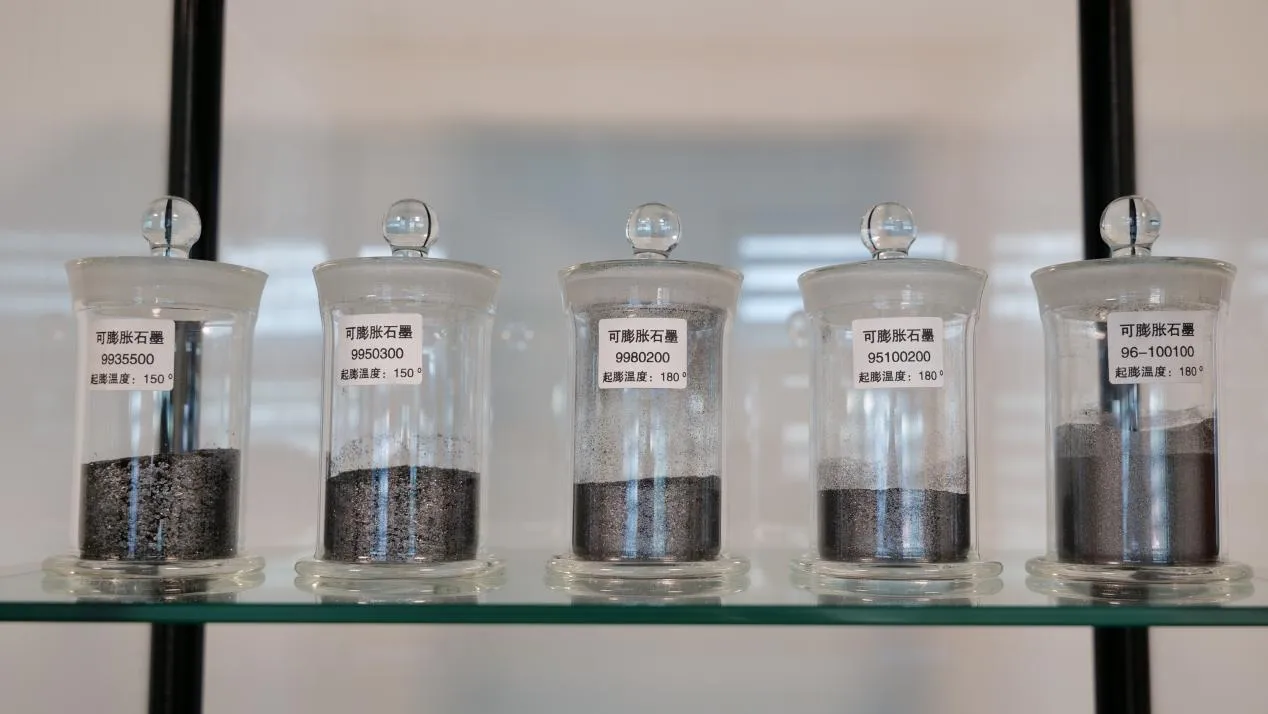
Expanded graphite foil and traditional thermal pads are not mutually exclusive. The former excels in in-plane heat diffusion, while the latter excels in interfacial filling and compression adaptability. For battery thermal management systems, selecting the right materials is essential to effectively meet the heat transfer requirements at different locations. As a manufacturer of expandable graphite, Qingdao Jinhui Graphite Group offers expandable graphite raw materials in various specifications, providing raw material support for the development of downstream expandable graphite foil and related thermal management materials. Specific product specifications and application suitability can be further discussed based on the customer’s processing methods and performance requirements.
Copyright © 2026 by Qingdao Baohua New Materials Technology Co., Ltd.
| Privacy Policy