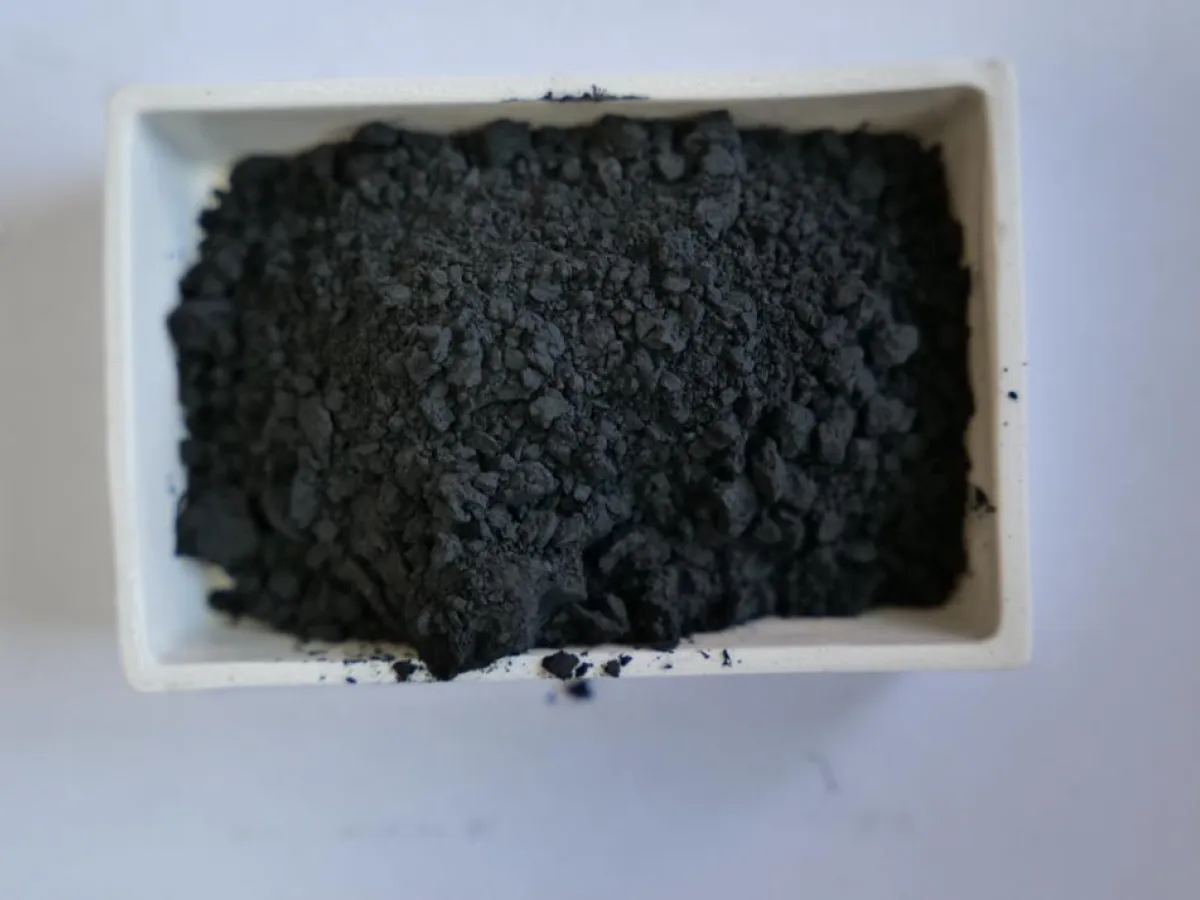
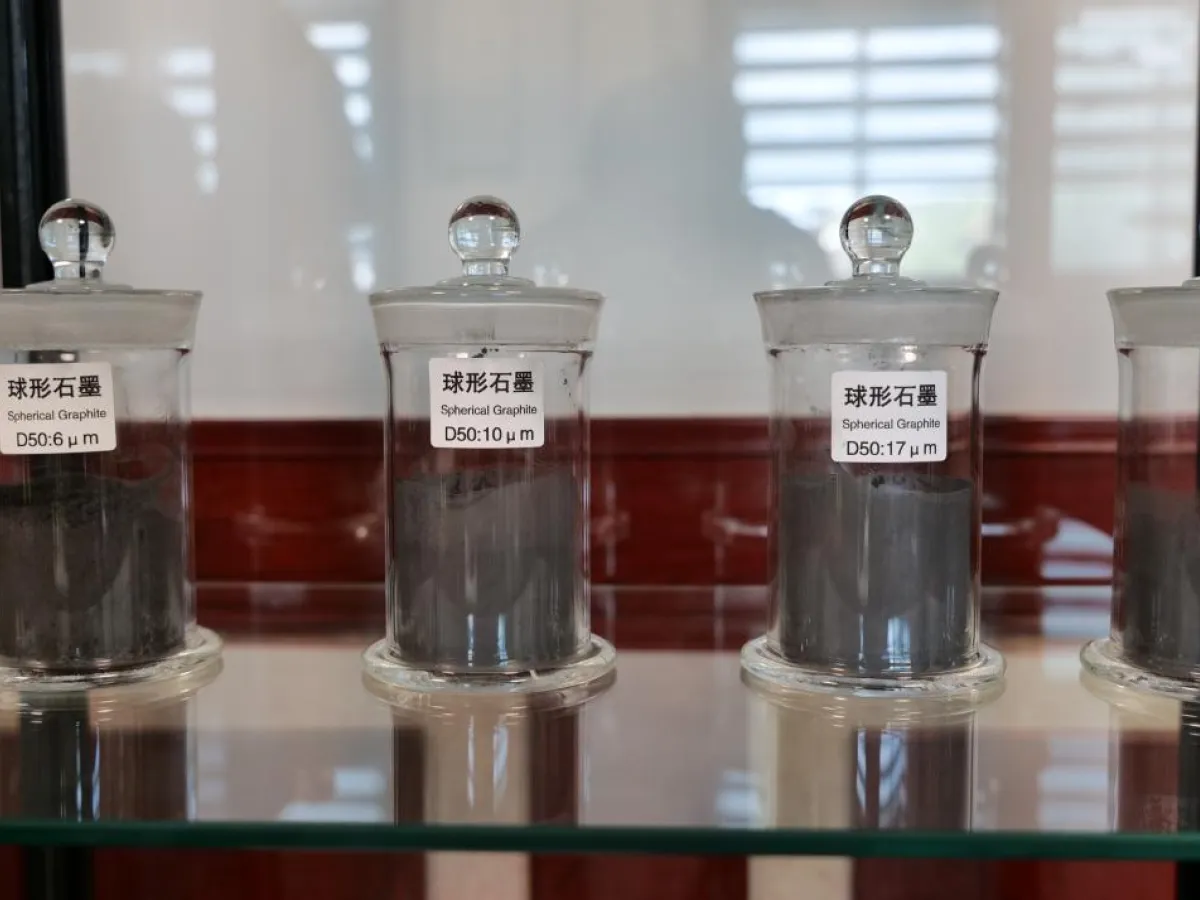
In polymer flame-retardant applications, expandable graphite rapidly expands when heated, forming a porous carbon layer that blocks the transfer of heat and oxygen into the material’s interior; as a result, it is widely used in halogen-free flame-retardant systems. However, in practical applications, some formulations suffer from issues such as a loose, brittle expanded carbon layer or one that peels off the material’s surface, compromising the integrity of the carbon layer and the flame-retardant performance. This phenomenon, in which the expanded structure fractures and scatters, is sometimes referred to as the “popcorn effect.” To address this issue, in addition to optimizing the formulation, attention must also be paid to the compatibility between expandable graphite and the polymer matrix.
When expandable graphite is heated, the interlayer intercalants decompose and release gas. The gas pressure causes the spacing between graphite layers to increase, causing the originally compact flake structure to expand into a worm-like morphology. This is the fundamental basis for the flame-retardant performance of expandable graphite. However, the expanded graphite structure has a high porosity and a relatively low overall density. If the carbon layer lacks sufficient strength on its own, or if it lacks effective support from the polymer matrix and other flame-retardant components, localized fragmentation, delamination, and scattering may occur under the impact of flames and airflow turbulence.
This leads to two problems: on the one hand, the integrity of the carbon layer is compromised, affecting its thermal insulation and barrier functions; on the other hand, uneven coverage of the carbon layer may expose certain polymer areas to the heat source, reducing the overall flame-retardant effectiveness. Therefore, when evaluating the flame-retardant performance of expandable graphite, one must not only consider the expansion ratio but also focus on the continuity, adhesion, and structural stability of the expanded graphite layer.
The interfacial bonding between expandable graphite and the polymer matrix is a key factor influencing flame-retardant performance. The chemical properties of the graphite surface are relatively stable, resulting in weak interactions with certain polymers. If the surface characteristics of the material are incompatible with the resin system, problems such as uneven dispersion and agglomeration of graphite particles may occur during mixing and processing.
This situation can affect the overall structure of the flame-retardant system: localized overconcentration of graphite particles in some areas and insufficient distribution in others may result in inconsistent expansion behavior when heated. Additionally, if the interfacial bonding between graphite particles and the polymer is weak, the stresses generated during expansion may cause interfacial delamination, making it difficult for the carbon layer to remain intact. For water-based resin systems, polyolefin systems, and other types of polymers, the surface properties, processing methods, and compatibility requirements of the materials vary. Therefore, whether expandable graphite requires surface modification should be determined based on the specific resin and formulation, rather than applying a single treatment method to all applications.
The primary purpose of surface modification is to improve the dispersion of expandable graphite within the polymer and enhance interfacial bonding, while preserving its thermal expansion capacity as much as possible. Common research approaches include the following categories.
1. Polymer Coating
By forming a polymer coating on the surface of expandable graphite particles, the interaction between the particles and the resin matrix can be adjusted to improve dispersion and interfacial bonding. Some coating systems also utilize the carbonization properties of the coating material when heated to assist in the formation of a relatively stable flame-retardant carbon layer.
However, the composition and thickness of the coating must be carefully controlled. If the coating material interferes with the release of intercalated substances or hinders the normal expansion of the graphite, it may also weaken the original flame-retardant effect.
2. Coupling Agents and Surface Graft Modification
Through coupling agent treatment or chemical grafting, specific functional groups can be introduced onto the graphite surface to improve its interaction with the polymer matrix. For example, in certain water-based resin systems, particle dispersion can be improved by adjusting surface hydrophilicity; for specific organic resins, however, the compatibility between the surface treatment agent and the resin must be considered. It should be noted that increased hydrophilicity does not necessarily imply improved compatibility with all polymer systems. The modification method should be selected based on the specific type of resin.
3. Modification via Inorganic Components
Introducing inorganic components, such as layered double hydroxides (LDH), onto the surface of expandable graphite is another modification approach currently under investigation. During heating, these components may contribute to the protection of the carbon layer by releasing moisture or forming inorganic residues, thereby producing a synergistic flame-retardant effect with the expandable graphite. However, the actual effectiveness depends on the type of inorganic component, the addition ratio, the dispersion state, and the overall flame-retardant formulation; it cannot be simply assumed that coating will necessarily reduce the scattering of the char layer. Overall, the key to surface modification is not merely altering the appearance or surface properties of the graphite particles, but rather improving dispersion and interfacial bonding without affecting the normal expansion process of the expandable graphite.
IV. How to Determine Whether Surface Modification Is Necessary?
For polymer manufacturers using expandable graphite, the decision to perform surface modification should be based on actual processing results and flame-retardant test data.
Observe Dispersion: Examine the dispersion of graphite particles in the resin to determine if there is significant agglomeration or uneven distribution.
Evaluate Interfacial Bonding: Observe whether the char layer easily detaches after combustion and whether the expanded structure remains intact.
Compare expansion performance: Compare expansion behavior before and after modification to ensure that surface treatment does not interfere with the material’s normal expansion.
Conduct formulation validation: Evaluate whether the modification has genuinely improved flame retardancy by considering the limiting oxygen index, vertical burn tests, and actual application requirements.
For different polymer systems, the appropriate particle size, expansion ratio, surface treatment method, and addition ratio may vary. Only by integrating material properties with processing techniques can a suitable application solution be identified.
The “popcorn effect” of expandable graphite is not an issue with the expansion itself, but rather the structural fragmentation and scattering of the expanded carbon layer under specific conditions, which compromises its sustained barrier capability. The dispersion state of the polymer matrix and the nature of interfacial bonding also influence this process. Methods such as polymer coating, coupling agent treatment, and inorganic component compounding can be explored to improve material compatibility and carbon layer stability. However, surface modification is not mandatory for all formulations and still requires validation based on resin type, processing conditions, and flame-retardant requirements.
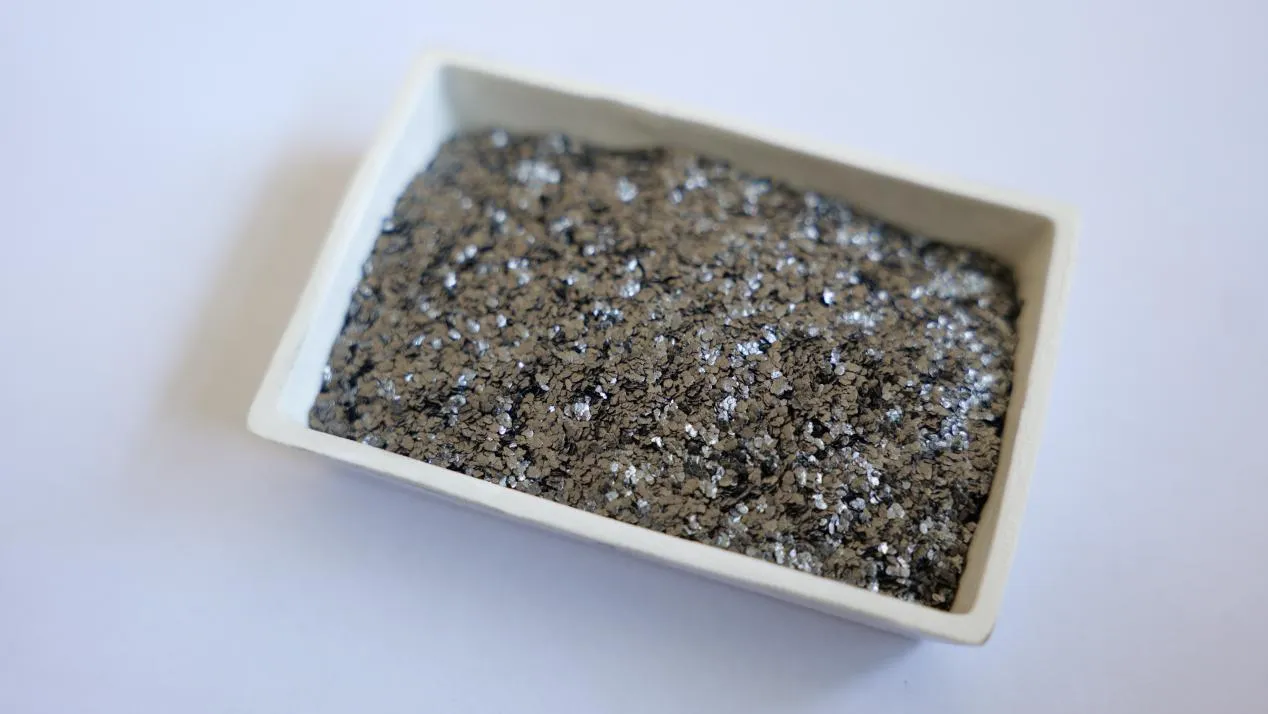
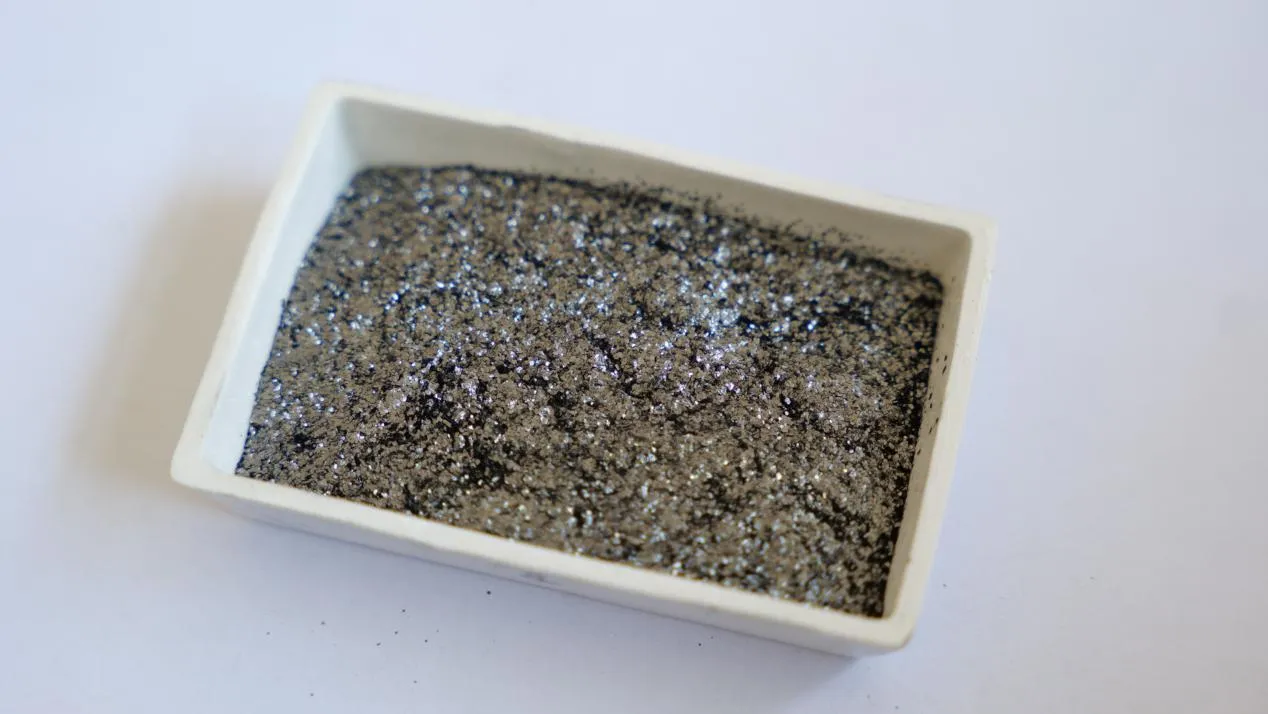
As a manufacturer of expandable graphite, Qingdao Jinhui Graphite Group offers expandable graphite raw materials in various specifications. For polymer flame-retardant applications, we recommend further evaluating suitable raw material specifications and application solutions in conjunction with the customer’s resin system, processing methods, and target performance.
Copyright © 2026 by Qingdao Baohua New Materials Technology Co., Ltd.
| Privacy Policy