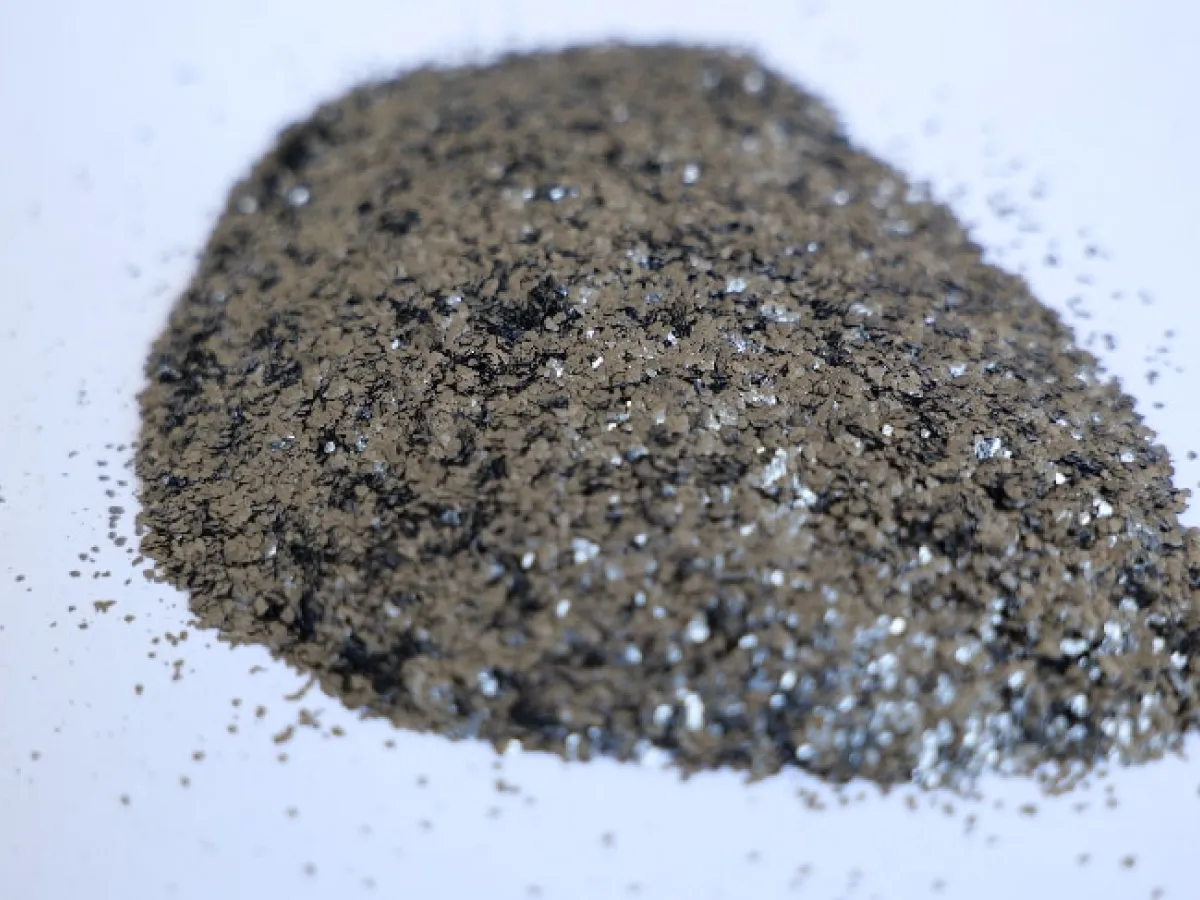
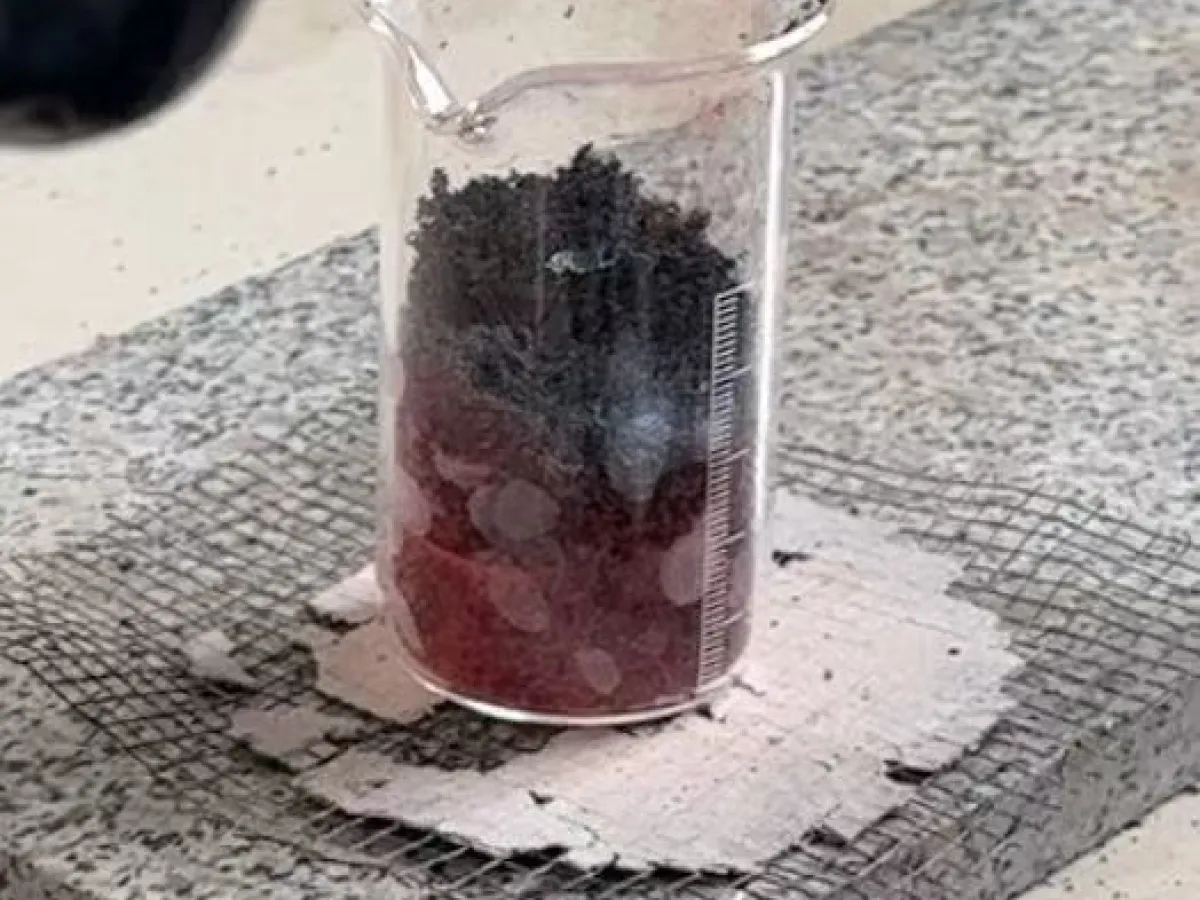
In continuous casting protective slag formulations, natural flake graphite—as a carbon-based material—can be used to regulate the sintering and melting behavior of the protective slag. While fixed carbon content and ash content are certainly important during procurement, particle size distribution deserves equal attention for this specific application. It affects how graphite particles mix, interact with, and distribute among other raw materials, which in turn influences the protective slag’s actual performance.
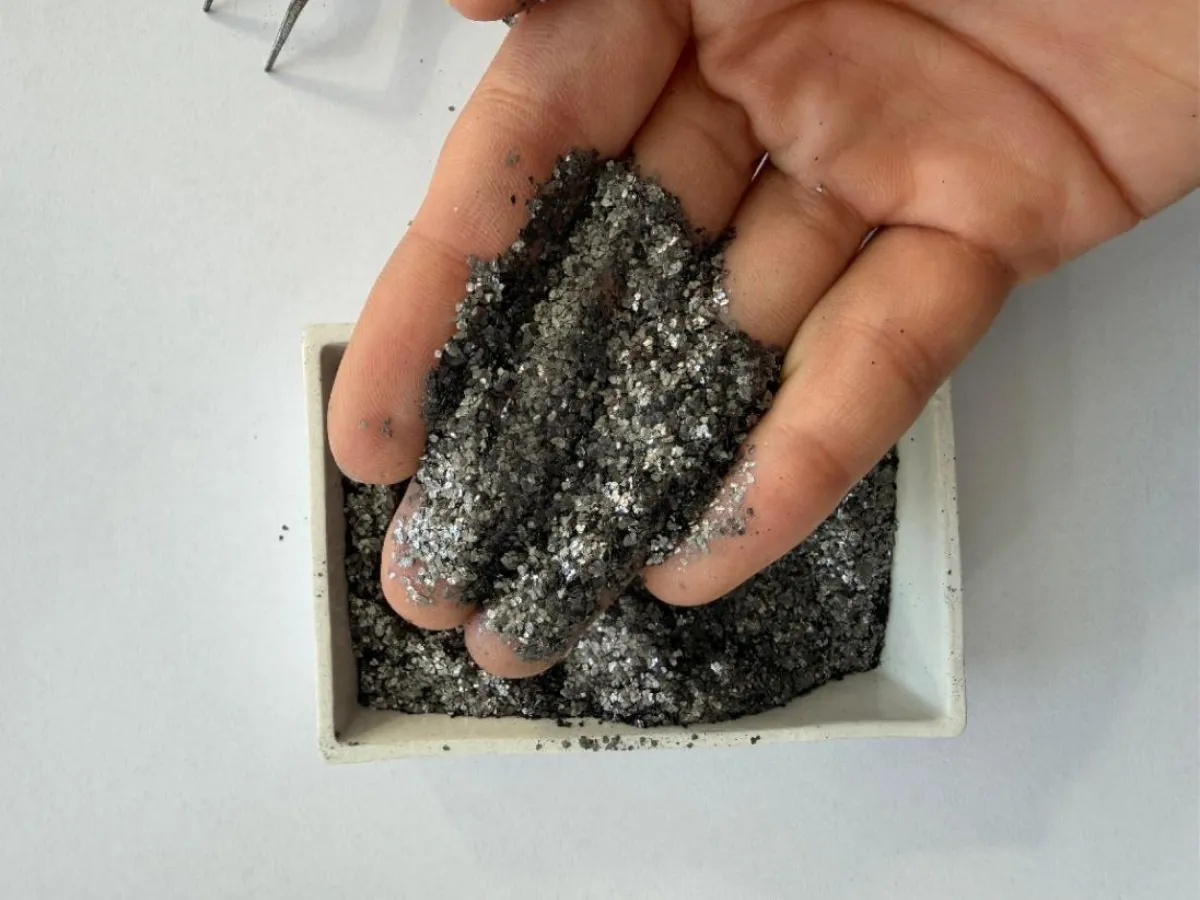
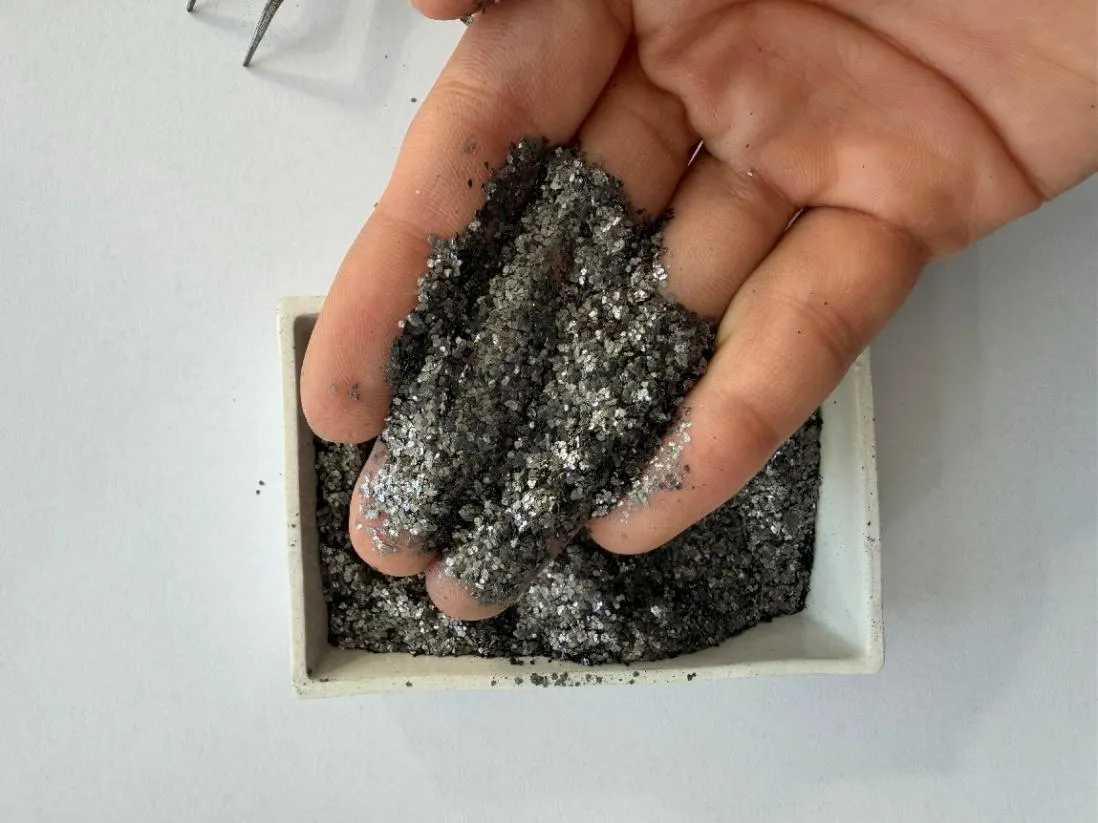
Carbon-based materials in protective slag are primarily used to regulate the melting rate and reduce premature sintering of particles. Natural flake graphite has a lamellar structure, and its particle size and morphology influence how it interacts with other components and behaves at high temperatures. Generally, finer graphite particles have a larger specific surface area, which facilitates thorough contact with other raw materials; coarser particles, on the other hand, may play different structural and rate-controlling roles in the formulation. However, finer is not necessarily better—the actual effect also depends on the type of carbonaceous material, the addition ratio, and the overall formulation of the protective slag. Therefore, when selecting natural flake graphite, one should not rely solely on the average particle size but should evaluate its suitability for the target protective slag system by considering the particle size distribution as well.
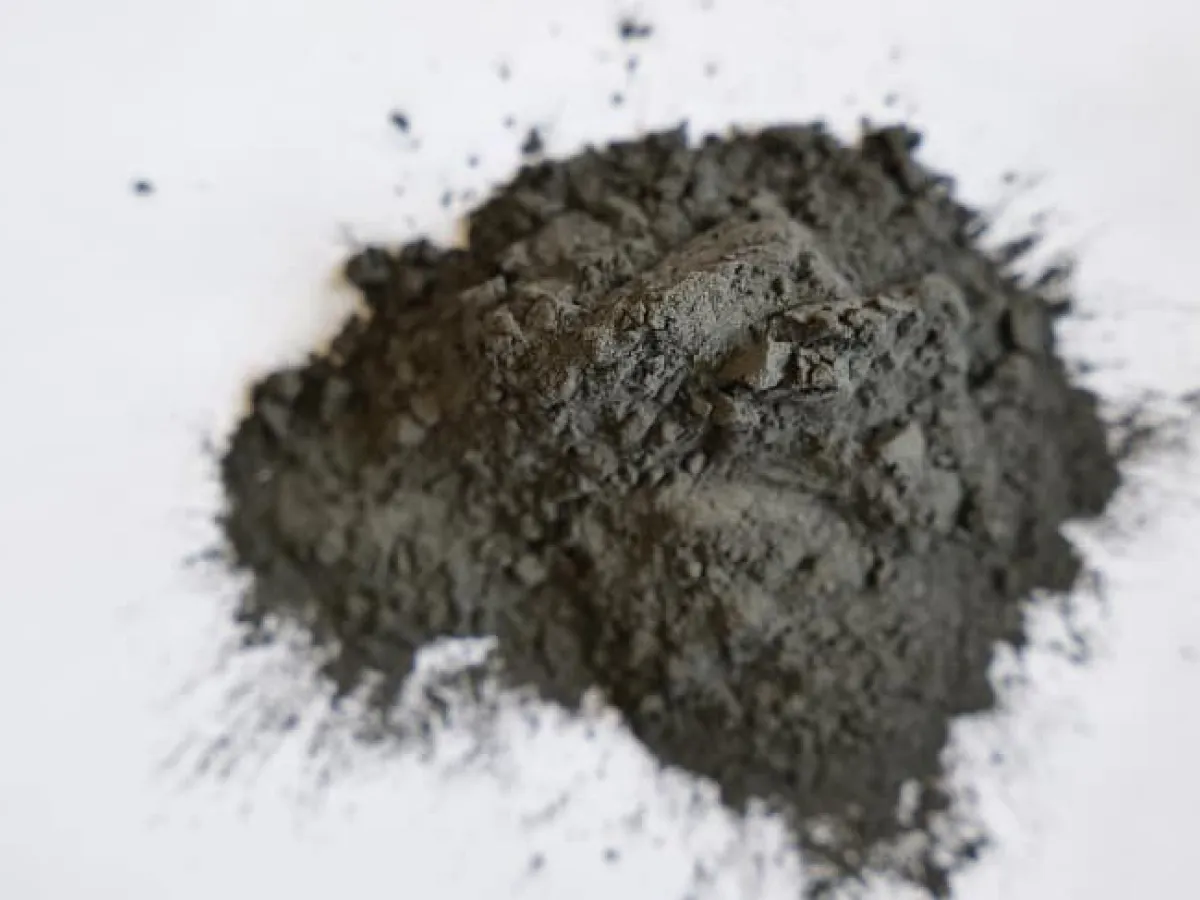
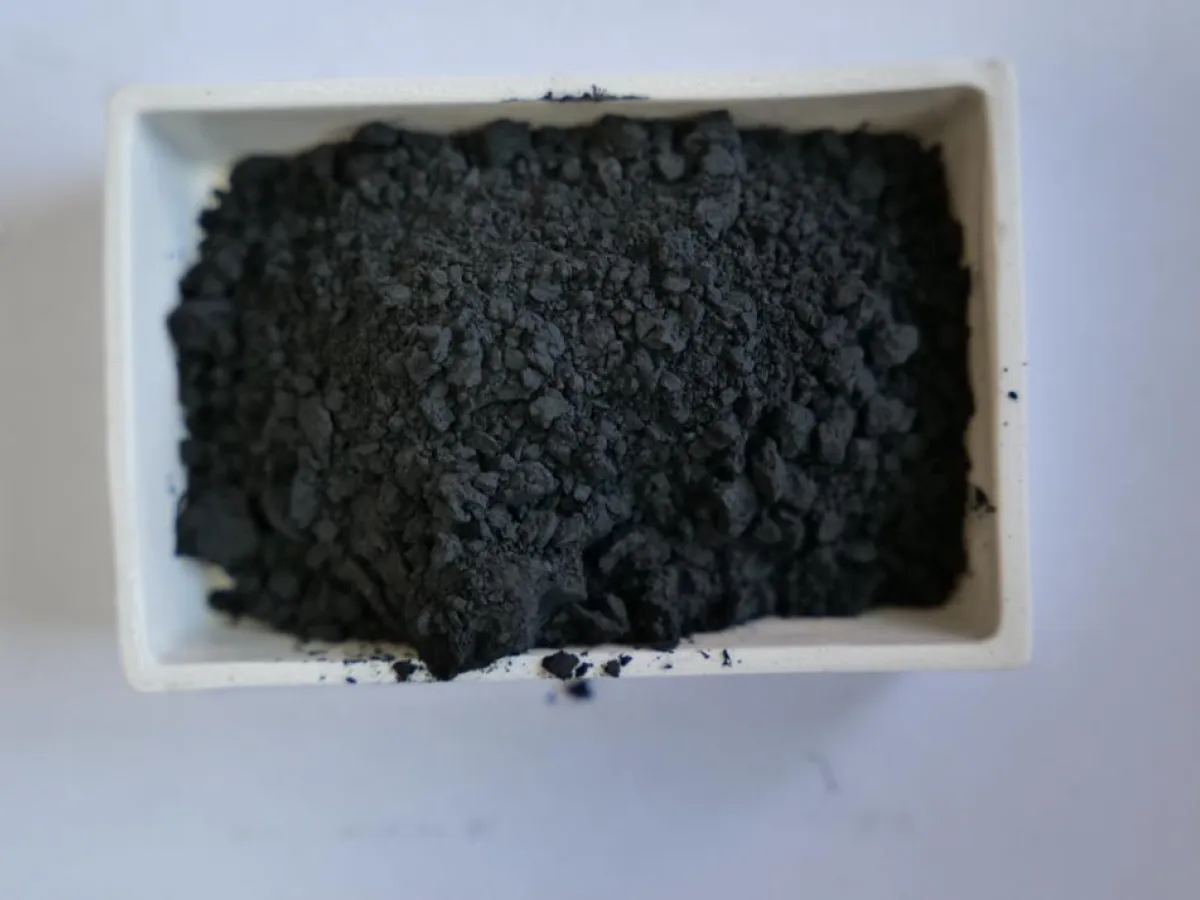
Fixed carbon content reflects the carbon content level of the graphite raw material, while ash content helps assess the impact of inorganic impurities on the formulation. However, even if two batches of natural flake graphite have similar fixed carbon contents, differences in particle size distribution may still result in variations in their mixing behavior and performance within the protective slag. This does not mean that purity is unimportant. For protective slag manufacturers, a reasonable selection approach involves simultaneously considering fixed carbon content, ash content, particle size distribution, and flake morphology, and then determining the priority of each parameter based on the specific formulation. Only through practical testing can one determine which parameters have a greater impact on the target product.
When selecting graphite raw materials for continuous casting protective slags, it is recommended to focus on verifying the following information:
1. Fixed carbon content and ash content: Determine whether the raw material’s carbon content and impurity levels meet the formulation requirements.
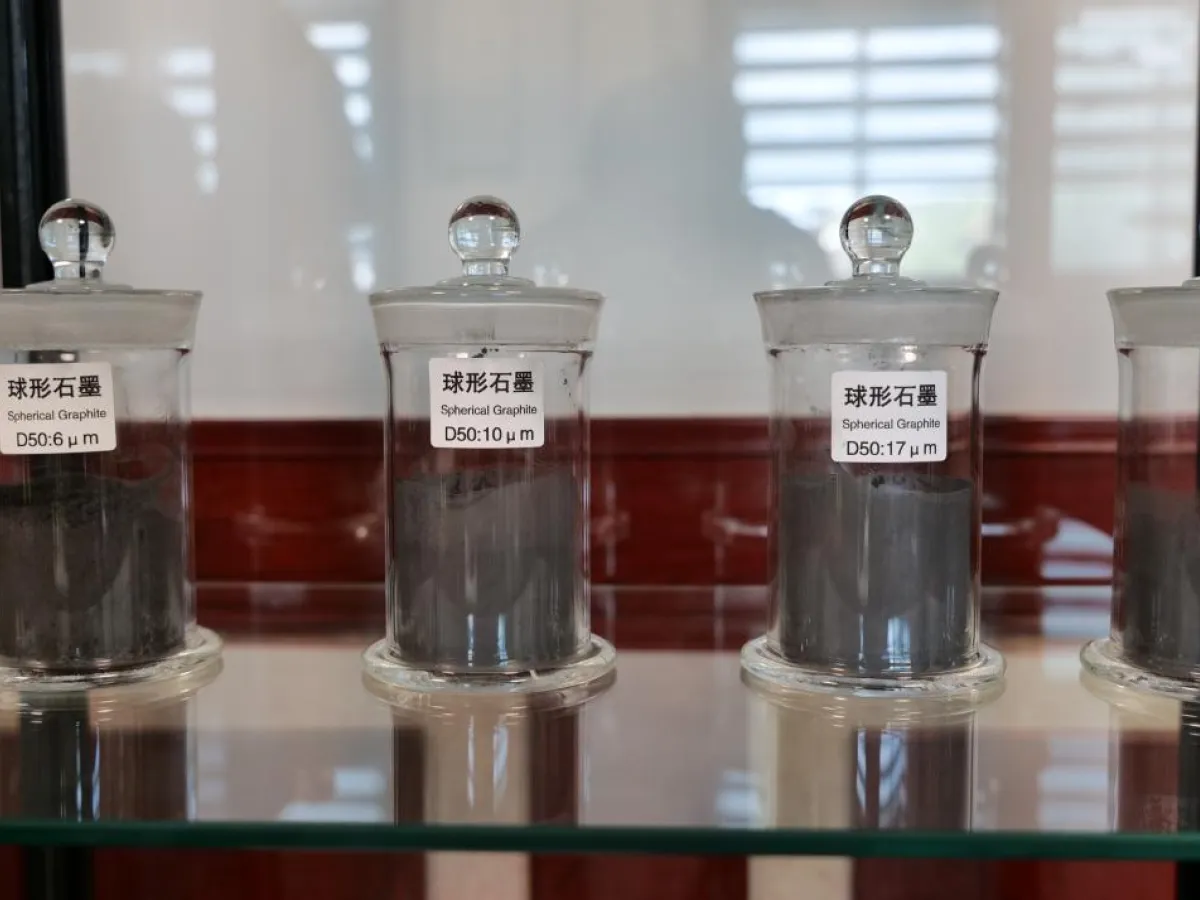
2. Particle size distribution: In addition to the average particle size, attention should be paid to the proportion of particles in different size ranges to avoid judging suitability based solely on a single particle size parameter.
3. Flake morphology: Evaluate the suitability of the raw material in conjunction with the protective slag mixing process and application requirements.
4. Batch consistency: Ensure consistency in particle size and chemical parameters across different batches to minimize the impact of raw material fluctuations on production.
For protective slag formulations with specific melting rate and sintering control requirements, it is recommended to conduct trial runs using existing formulations to compare the actual performance of different particle size specifications before determining which raw materials are suitable for long-term procurement.
In continuous casting protective slag applications, the selection of natural flake graphite should not be limited to fixed carbon content and purity levels alone. Particle size distribution, flake morphology, and carbon blending methods collectively influence the raw material’s performance; only by appropriately balancing these factors can the process requirements for protective slag be better met.
We have long been engaged in the mining and processing of natural flake graphite and can provide products with varying fixed carbon contents and particle size specifications. We also work with customers to select raw materials based on their specific application needs. For customers using protective slag in continuous casting, we can focus on matching products based on target particle size distribution, chemical specifications, and batch consistency.
Copyright © 2026 by Qingdao Baohua New Materials Technology Co., Ltd.
| Privacy Policy