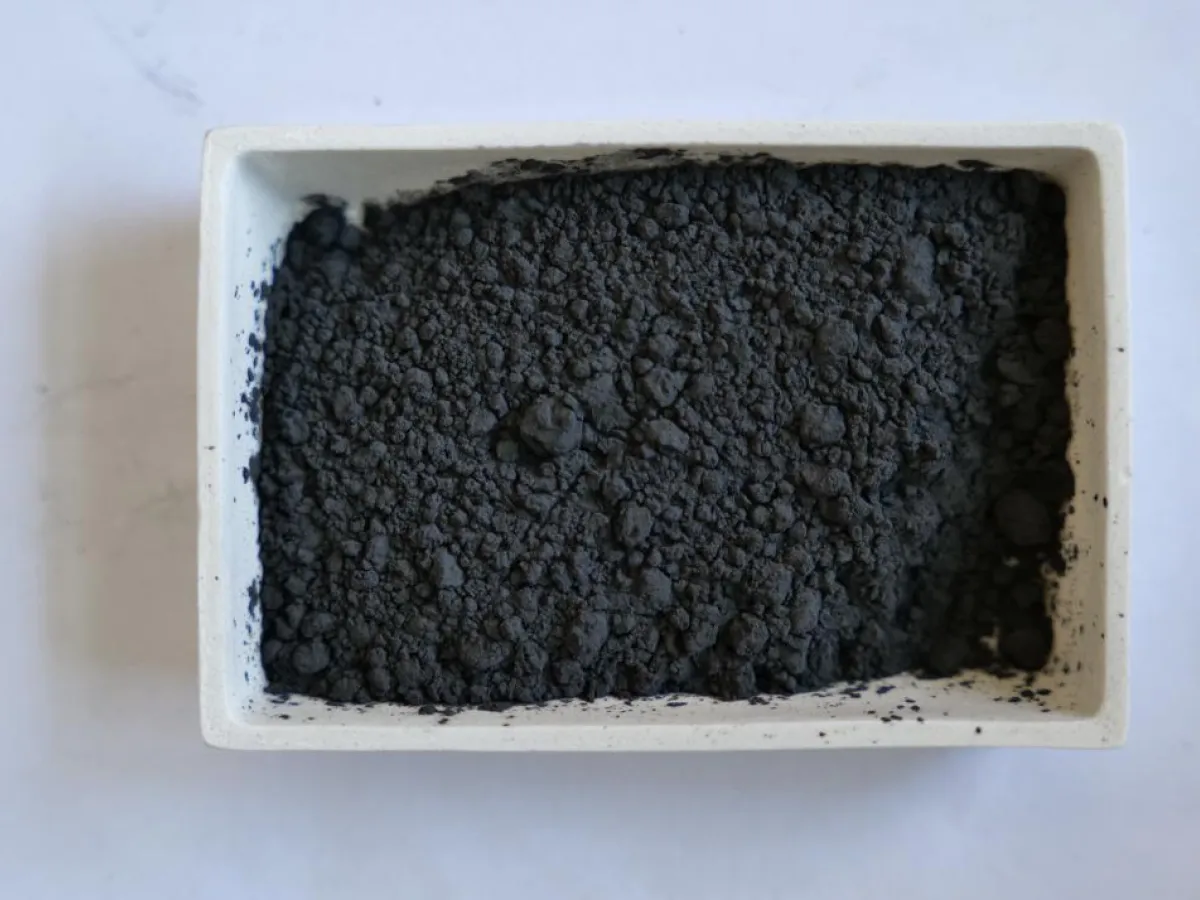
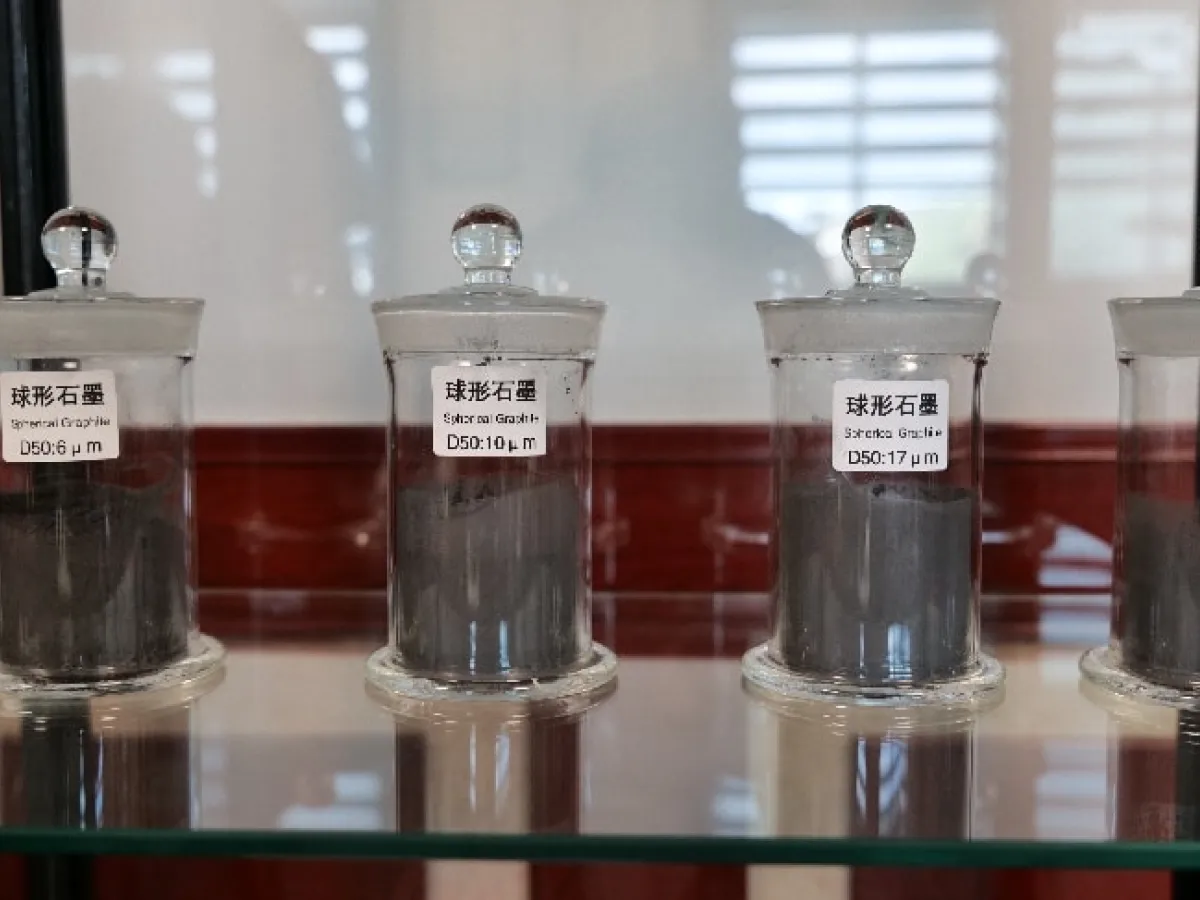
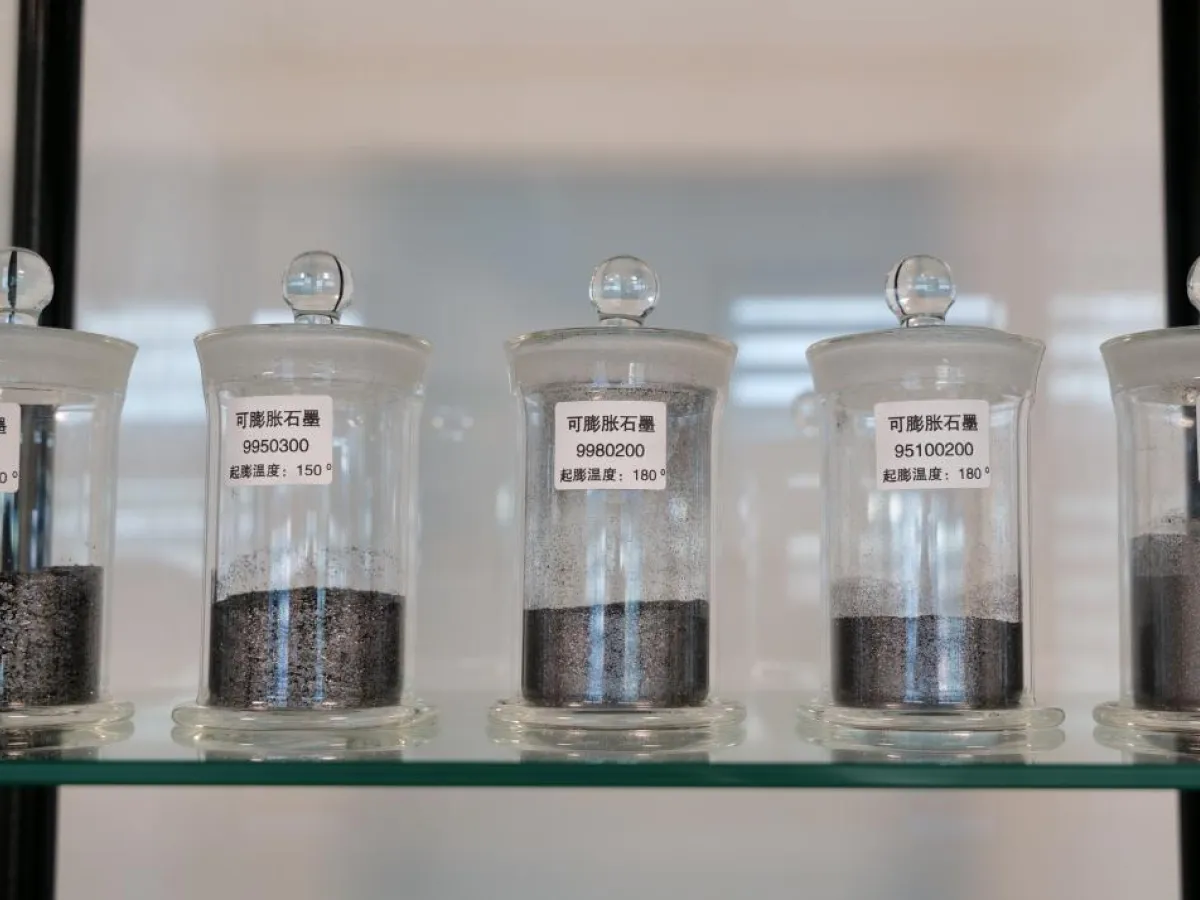
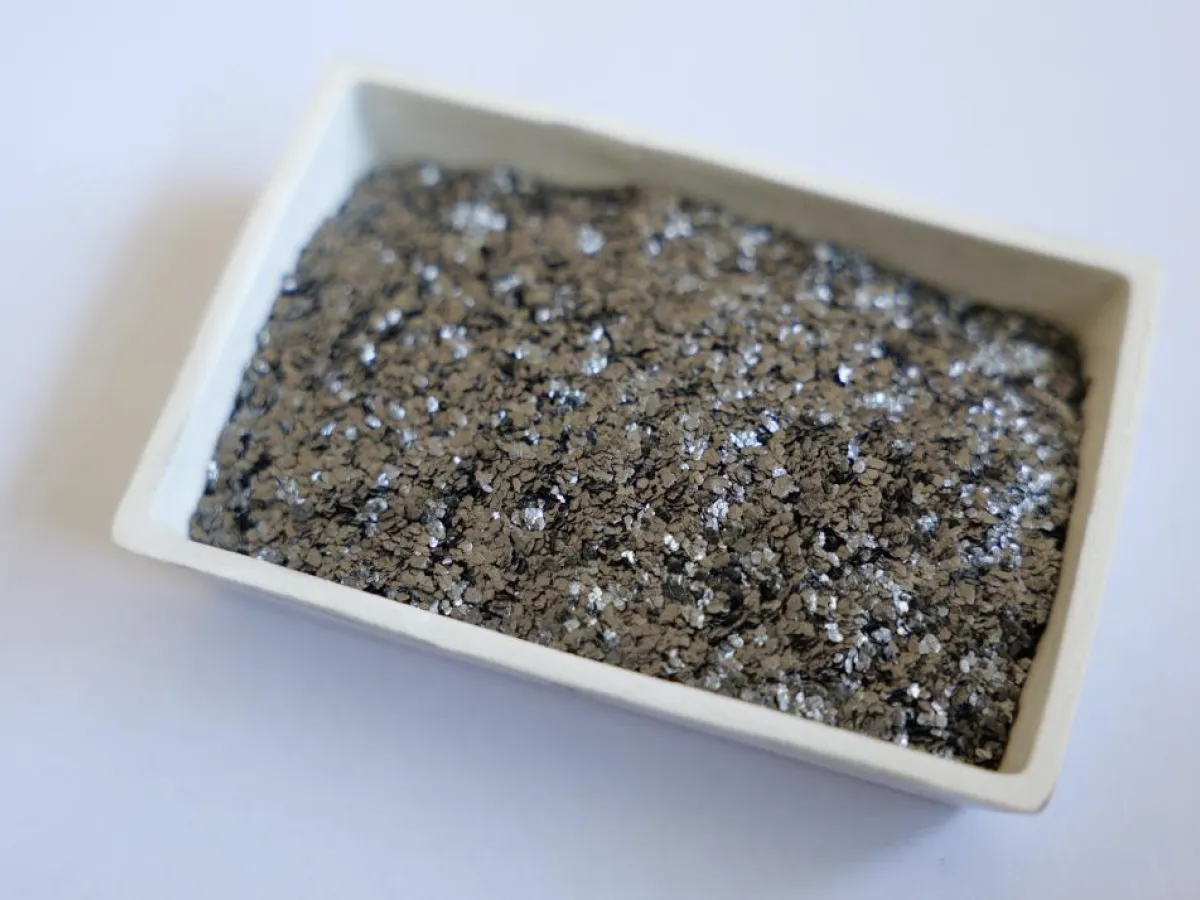
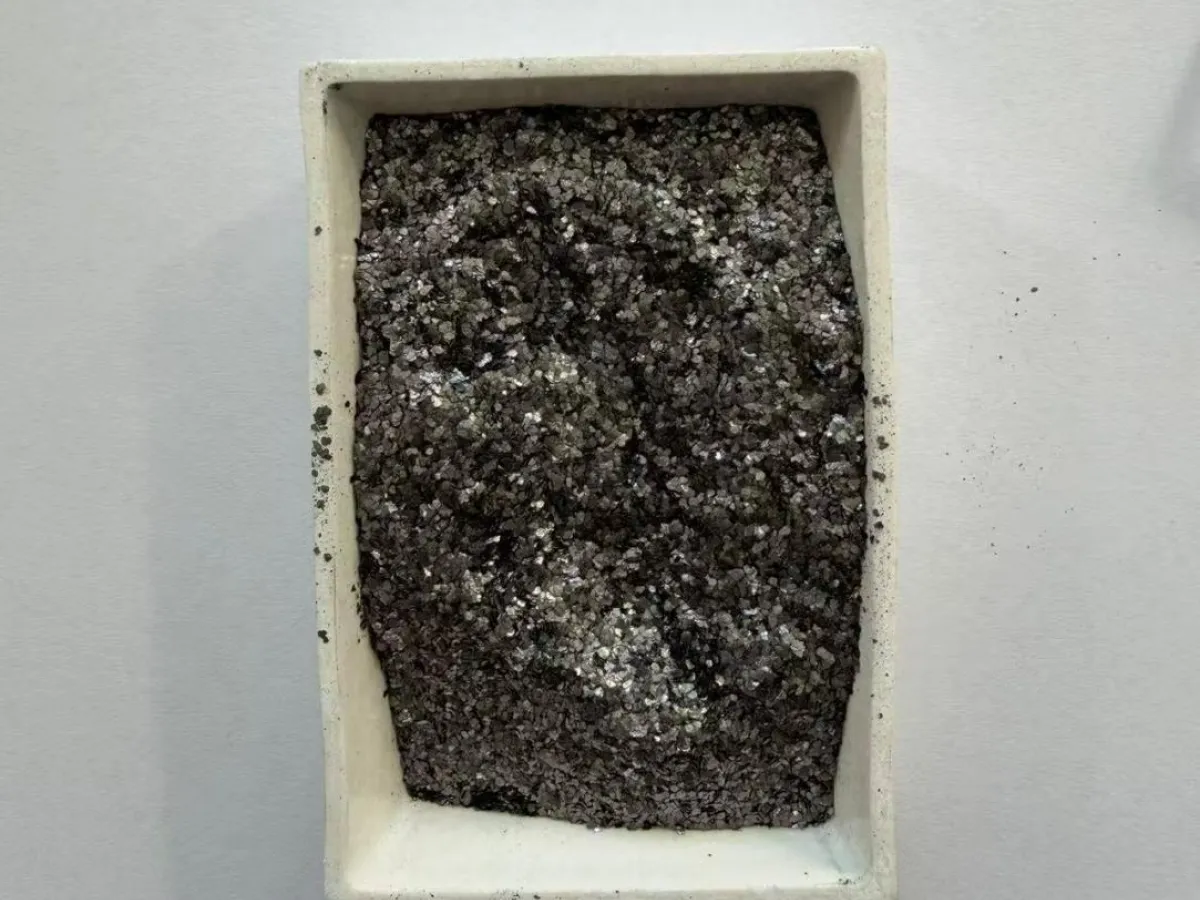
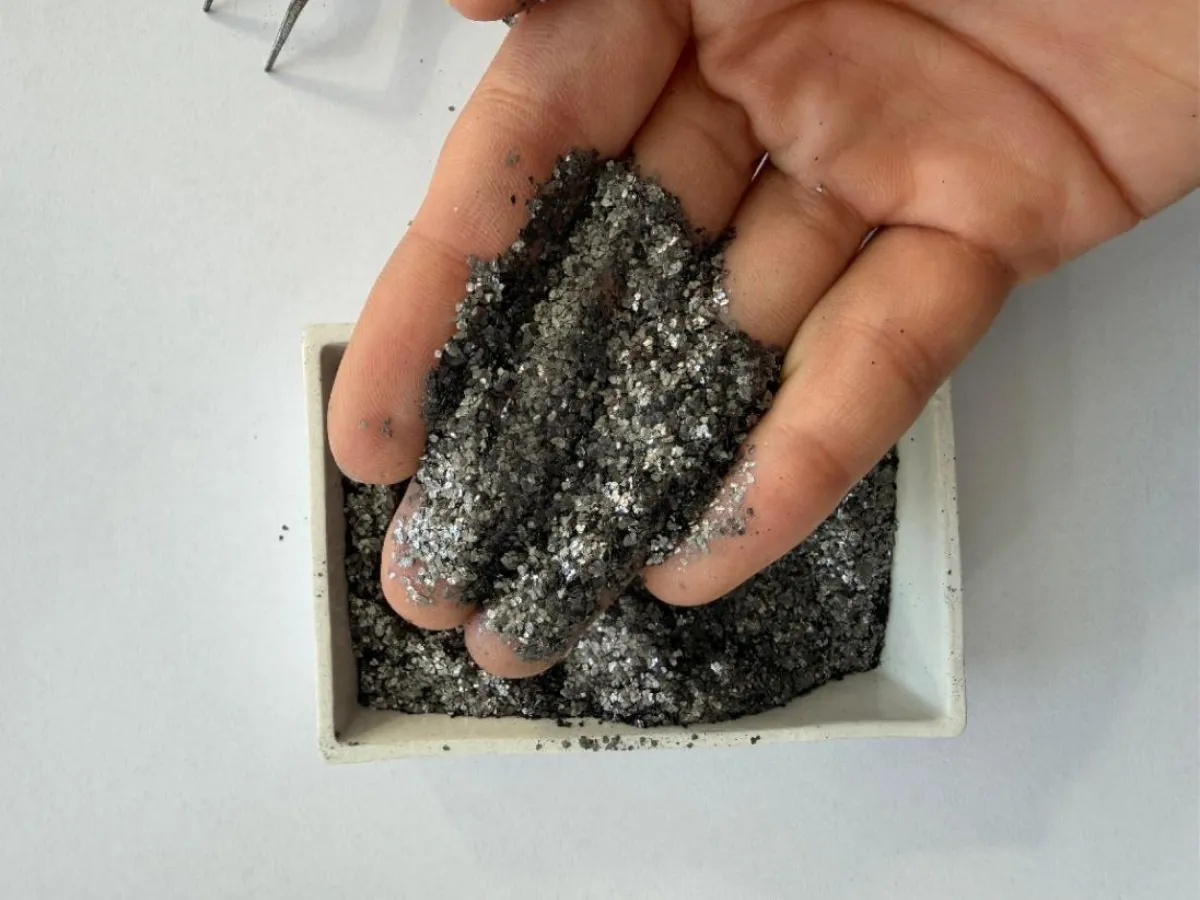
When spherical graphite is mentioned, most people’s first thought is lithium-ion battery anode material. While this is indeed the largest current application market for spherical graphite, it is by no means the only one. Long before the boom in the lithium-ion battery industry, the spherical shape of spherical graphite and the excellent properties of graphite itself had already found practical applications in precision casting and high-temperature thermal insulation. As a manufacturer that produces both natural flake graphite and spherical graphite, we will highlight the practical value of spherical graphite in these two “non-anode” applications in this article.
In the precision casting of steel and iron, spherical graphite is widely used as an additive due to its excellent lubricating properties, high wear resistance, and non-stick characteristics. Its mechanism of action is as follows: during the casting process, friction and thermal stress occur between the molten metal and the mold. An appropriate amount of spherical graphite forms a lubricating layer at the interface, reducing the occurrence of thermal cracks and deformation, thereby improving the yield rate and surface quality of the castings. Currently, spheroidal graphite has become one of the most common additives in the production of cast steel and cast iron. Compared to natural flake graphite, the spherical morphology of spheroidal graphite allows for more uniform dispersion within the mold material and results in less directional lubrication, which is particularly advantageous for the uniform forming of complex-shaped castings.
Spheroidal graphite also plays a significant role in the field of high-temperature processing. Thanks to its excellent high-temperature strength, oxidation resistance, and thermal conductivity, spherical graphite can be used as a thermal barrier for high-temperature workpieces, a material for manufacturing high-temperature thermocouples, and as thermal insulation for high-temperature furnaces and kilns. In these applications, the spherical morphology of spherical graphite helps form a uniform packing structure, making the pore distribution of the insulation layer more controllable and thereby achieving a balance between thermal conductivity and thermal insulation. In addition, spherical graphite can be processed into products such as graphite blocks and graphite rods to serve high-temperature operating conditions in sectors including petrochemicals, metallurgy, and aerospace.
To understand the applications of spherical graphite in precision casting and high-temperature thermal insulation, it is necessary to distinguish them from its use as an anode material. For anode materials, the requirements for spherical graphite focus on purity (≥99.95%), tapped density, and particle size distribution, with the goal of achieving optimal electrochemical performance. In contrast, the requirements for spherical graphite in precision casting and high-temperature thermal insulation place greater emphasis on morphological stability, lubricity, and thermophysical properties, with relatively less stringent purity requirements and higher cost sensitivity. This means that a single spherical graphite production line can adjust process parameters according to customer needs to produce product specifications tailored to different application scenarios, rather than requiring all spherical graphite to be manufactured to battery-grade standards.
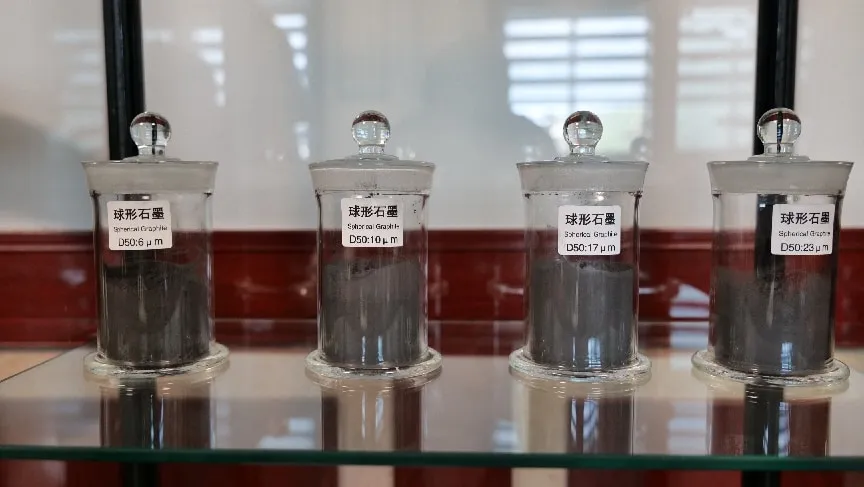
The value of spherical graphite extends beyond lithium-ion battery anodes. In precision casting, it serves as a lubricating additive that reduces thermal cracking and improves yield; in high-temperature thermal insulation, it is a reliable choice for thermal barrier layers and furnace insulation materials. Although these “non-anode” applications are smaller in scale than the battery market, they feature mature technology and stable demand, representing an important direction for the diversification of spherical graphite products. Our spherical graphite products can be specifically tailored in terms of sphericity, particle size, and purity to meet the specific requirements of precision casting or high-temperature thermal insulation applications.
Copyright © 2026 by Qingdao Baohua New Materials Technology Co., Ltd.
| Privacy Policy