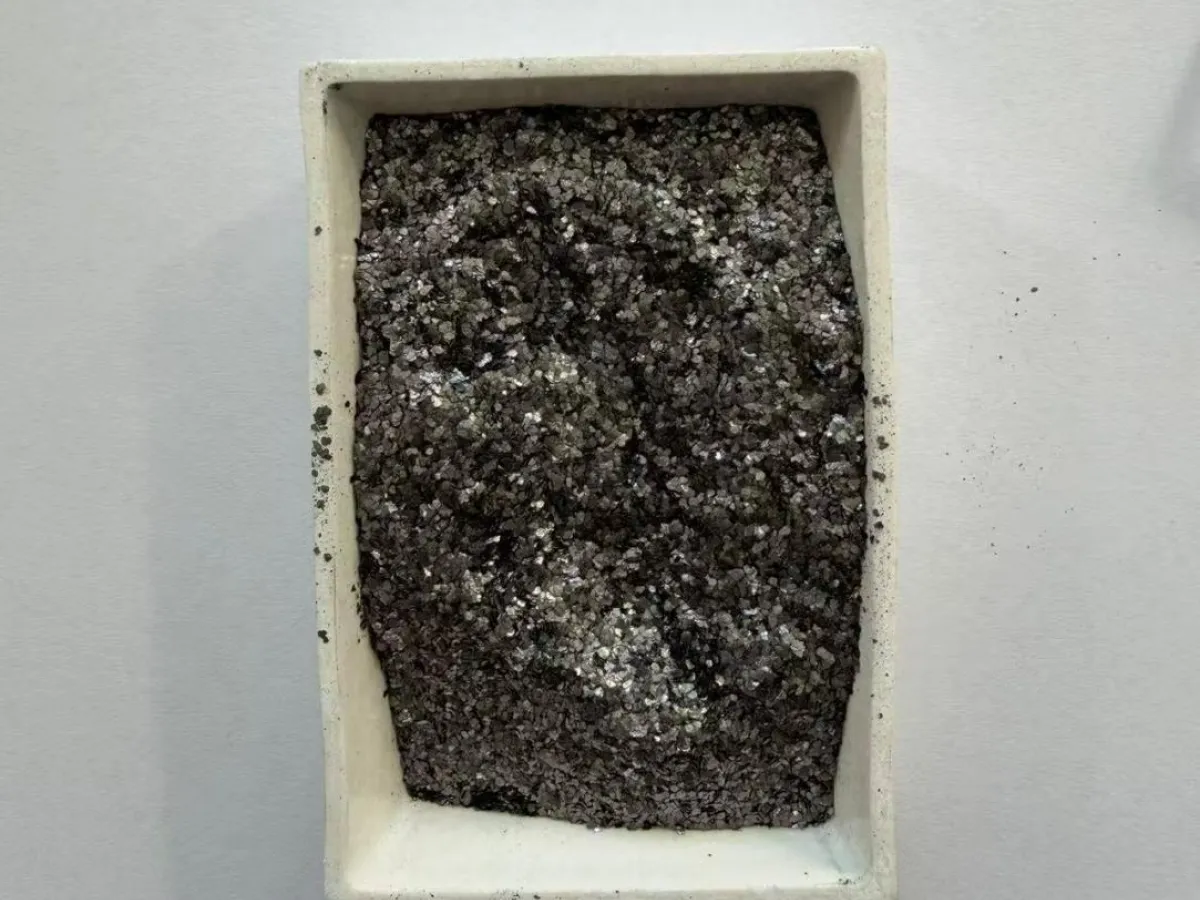
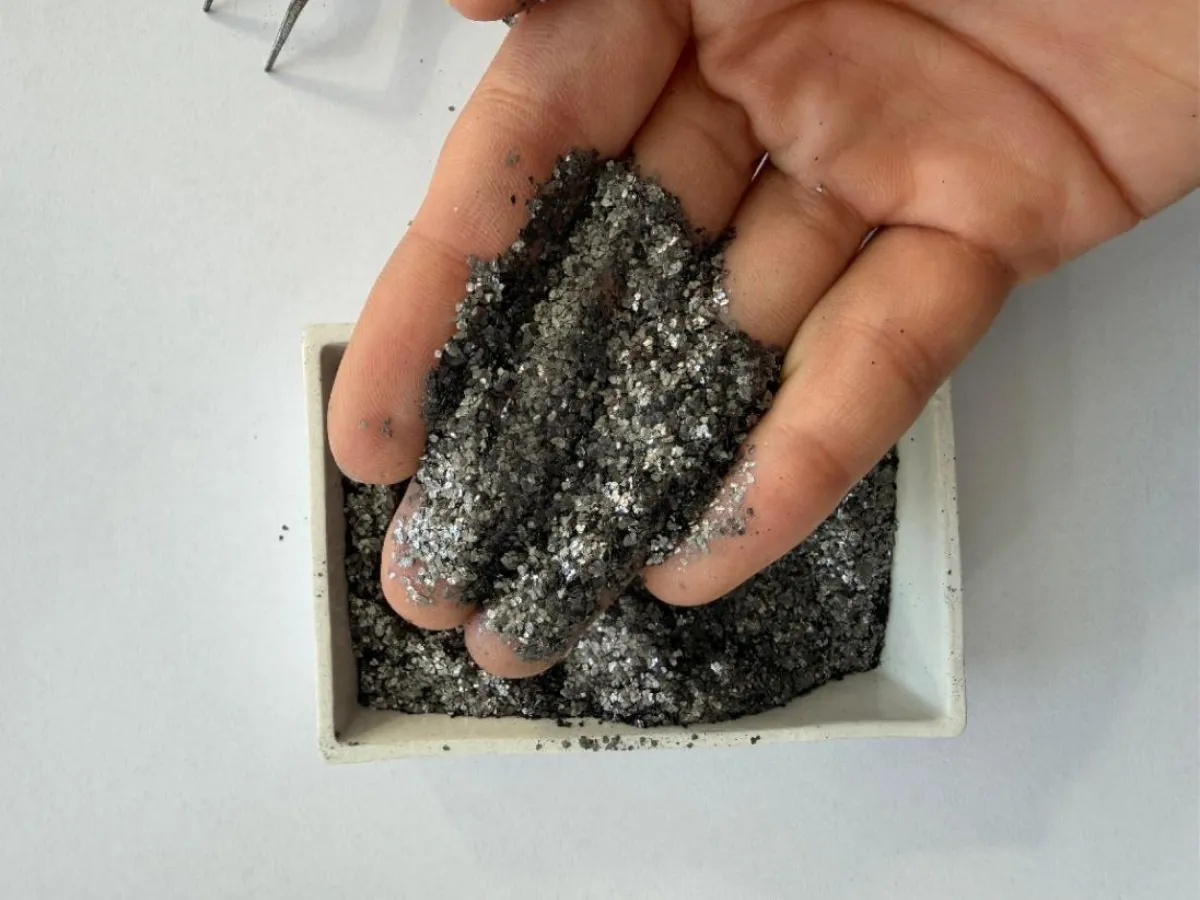
With the rapid development of the global energy storage market, the cost and cycle life of battery anode materials are receiving increasing attention. Compared to power batteries, energy storage batteries place greater emphasis on total life-cycle cost and long-term operational stability. Against this backdrop, the cost-performance comparison between natural spherical graphite and synthetic graphite has become a new topic of discussion in the anode materials market.
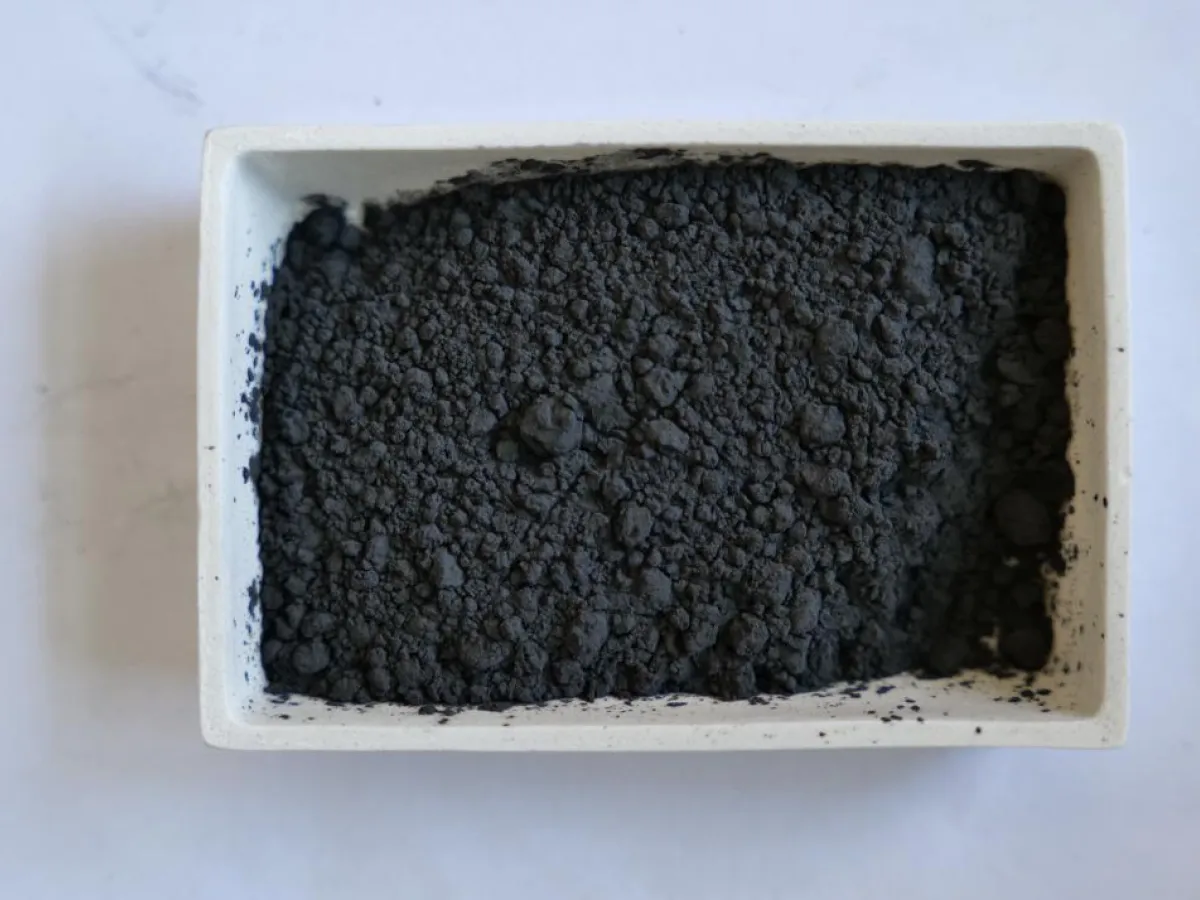
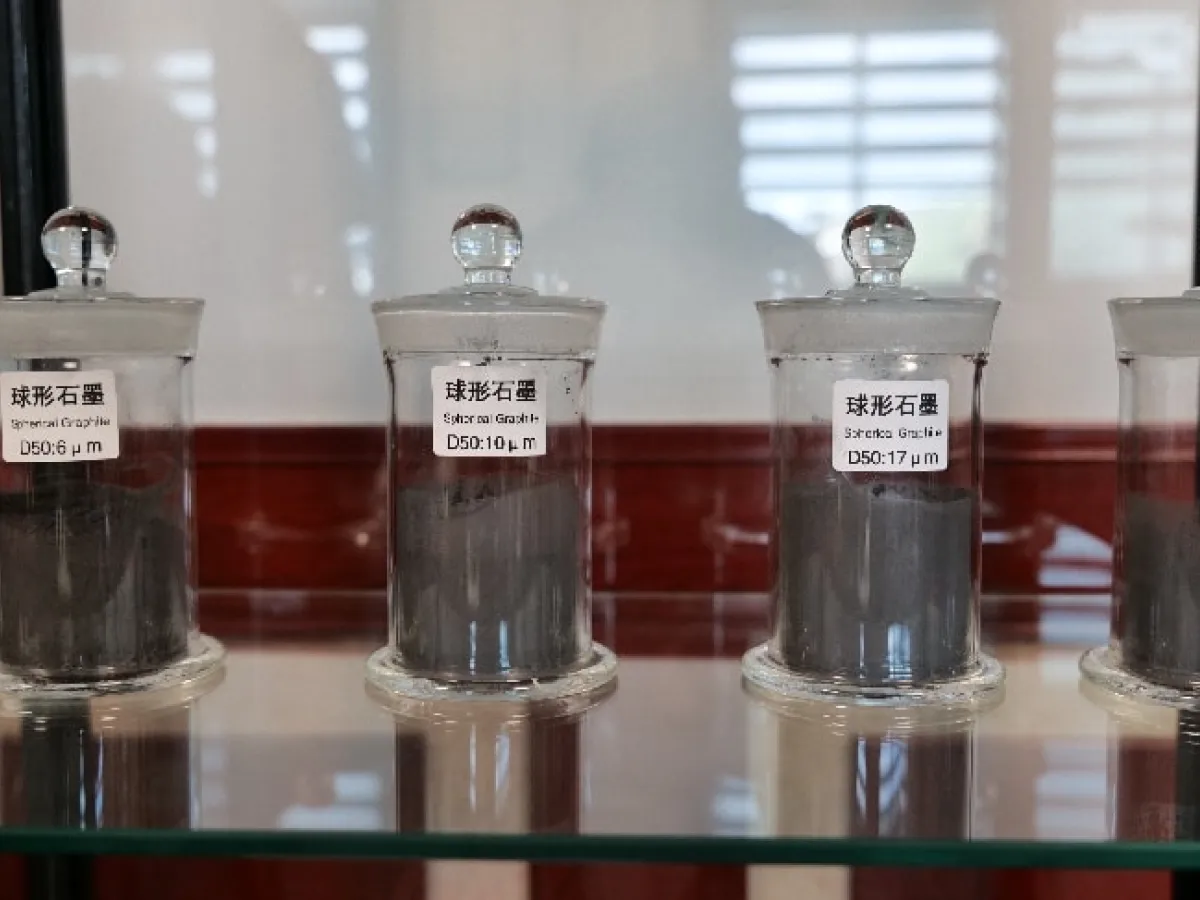
Natural spherical graphite is produced from natural flake graphite through spheronization, purification, and subsequent processing, without requiring the high-temperature graphitization process needed for synthetic graphite. Synthetic graphite is primarily made from raw materials such as petroleum coke and needle coke and requires high-temperature graphitization treatment; electricity consumption and processing costs constitute significant portions of its overall cost. Therefore, natural graphite holds a certain advantage in terms of energy consumption during production. However, the final cost of natural spherical graphite is also influenced by factors such as spheronization yield, purification, coating, and quality control; therefore, it cannot be simply assumed that its price is necessarily lower than that of synthetic graphite.
A cost advantage does not imply direct substitutability. While natural spherical graphite exhibits good lithium-ion intercalation performance, its initial coulombic efficiency, cycling stability, and rate capability are affected by particle structure, surface condition, and processing techniques. Synthetic graphite, on the other hand, has established advantages in cycling performance, product consistency, and large-scale application, and therefore continues to hold an important position in the energy storage anode market. The electrochemical performance of natural spherical graphite can be improved through technologies such as surface coating and structural optimization. However, for energy storage batteries with high cycling requirements, testing and validation must still be conducted in conjunction with specific cell systems.
Energy storage projects are placing increasing emphasis on the total cost of ownership (TCO) of batteries. The procurement of anode materials no longer focuses solely on the initial price but also requires a comprehensive consideration of cycle life, capacity retention, and batch consistency. Natural spherical graphite offers certain advantages in terms of raw materials and energy consumption; by blending it with synthetic graphite, a balance can be struck between material cost and electrochemical performance. In the future, the application of natural spherical graphite in the energy storage sector is more likely to expand gradually through blended formulations and specific application scenarios rather than completely replacing synthetic graphite.
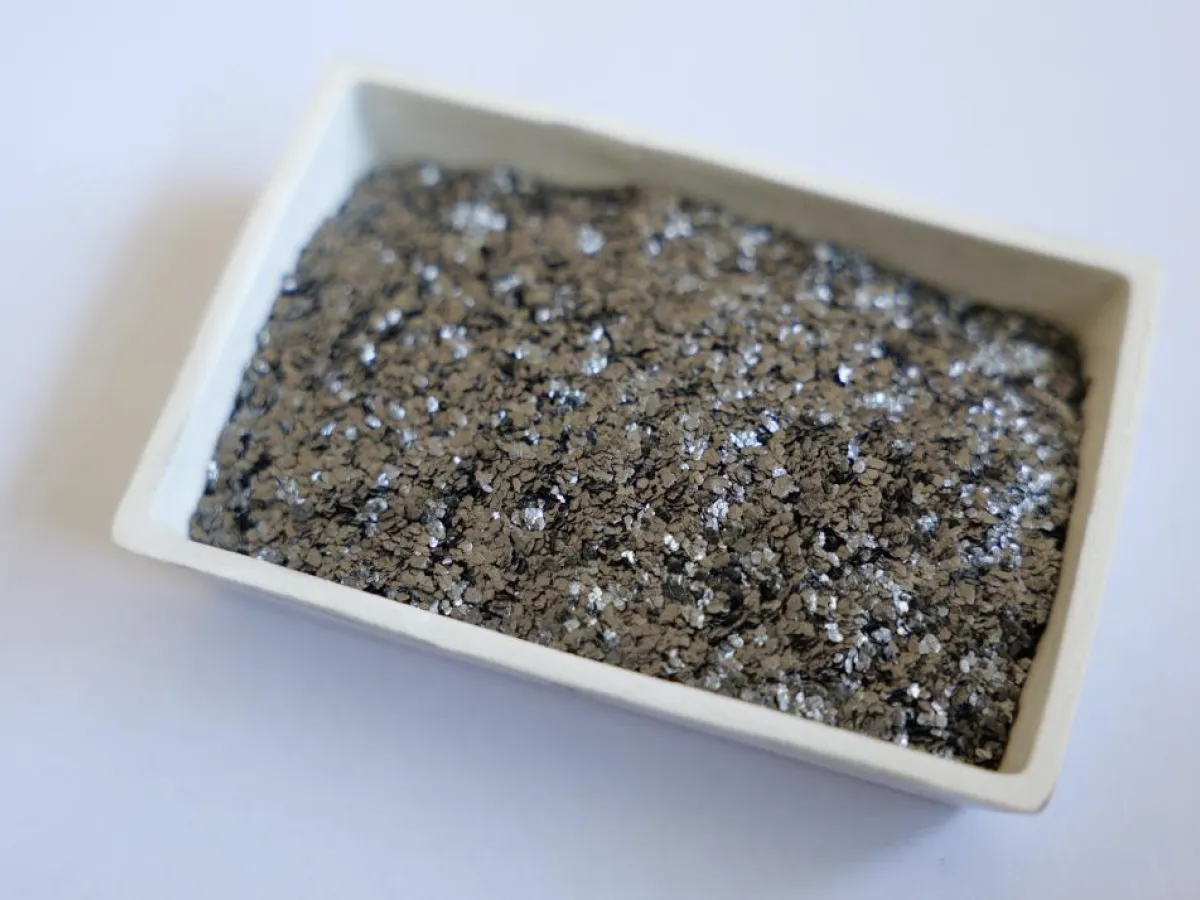
The growth of the BESS market has opened up new application opportunities for natural spherical graphite. While natural graphite offers cost advantages and synthetic graphite boasts mature cycling performance, the final choice ultimately depends on the battery system and project requirements. Qingdao Jinhui Graphite Group possesses production and processing capabilities for both natural flake graphite and spherical graphite and can provide product specifications and selection guidance tailored to customers’ anode material needs.
Copyright © 2026 by Qingdao Baohua New Materials Technology Co., Ltd.
| Privacy Policy