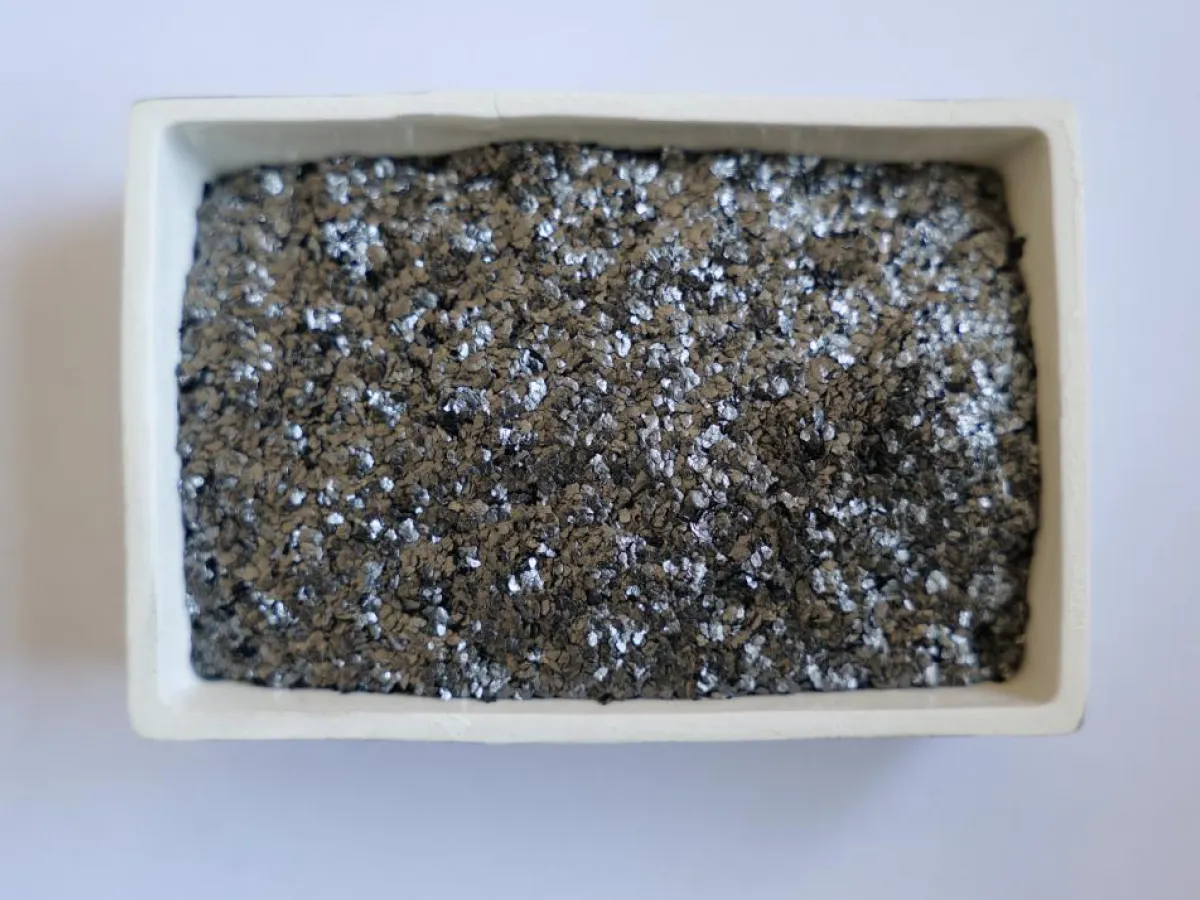
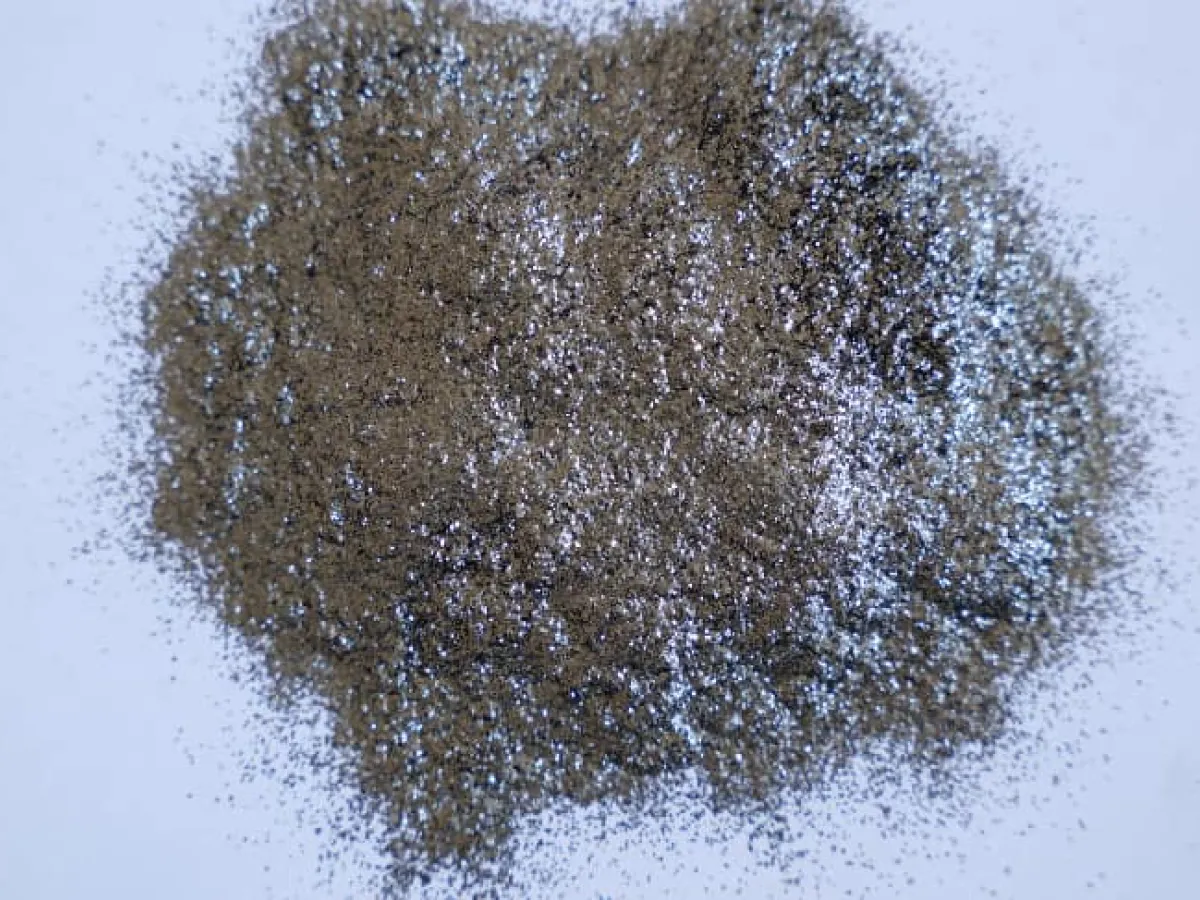
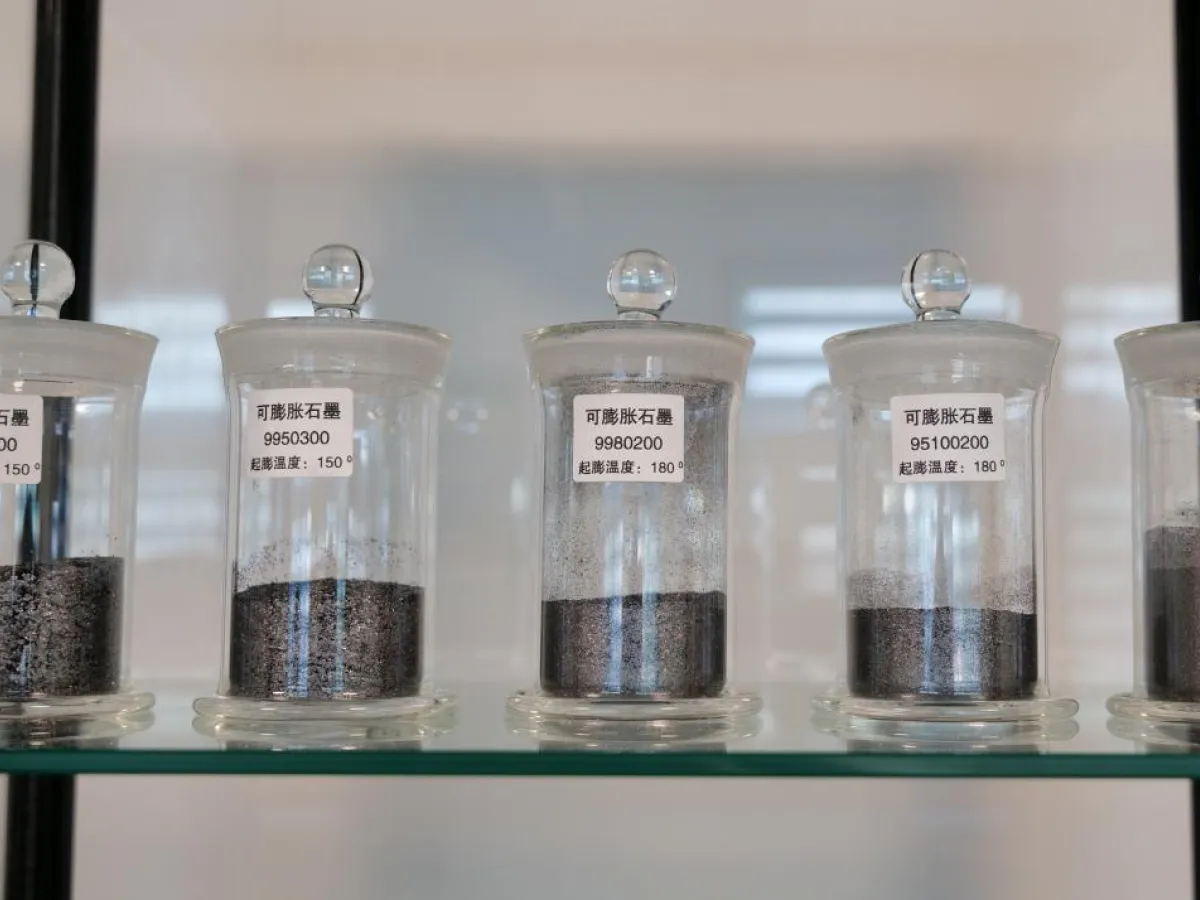
In powder metallurgy, graphite does not serve a single function once it is incorporated into a metal powder system. For iron-based powder metallurgy materials, natural flake graphite not only provides carbon but also plays a role in powder mixing, compaction, and subsequent sintering processes. Therefore, the selection of graphite specifications often requires consideration of the entire production process, rather than focusing solely on a fixed carbon content.
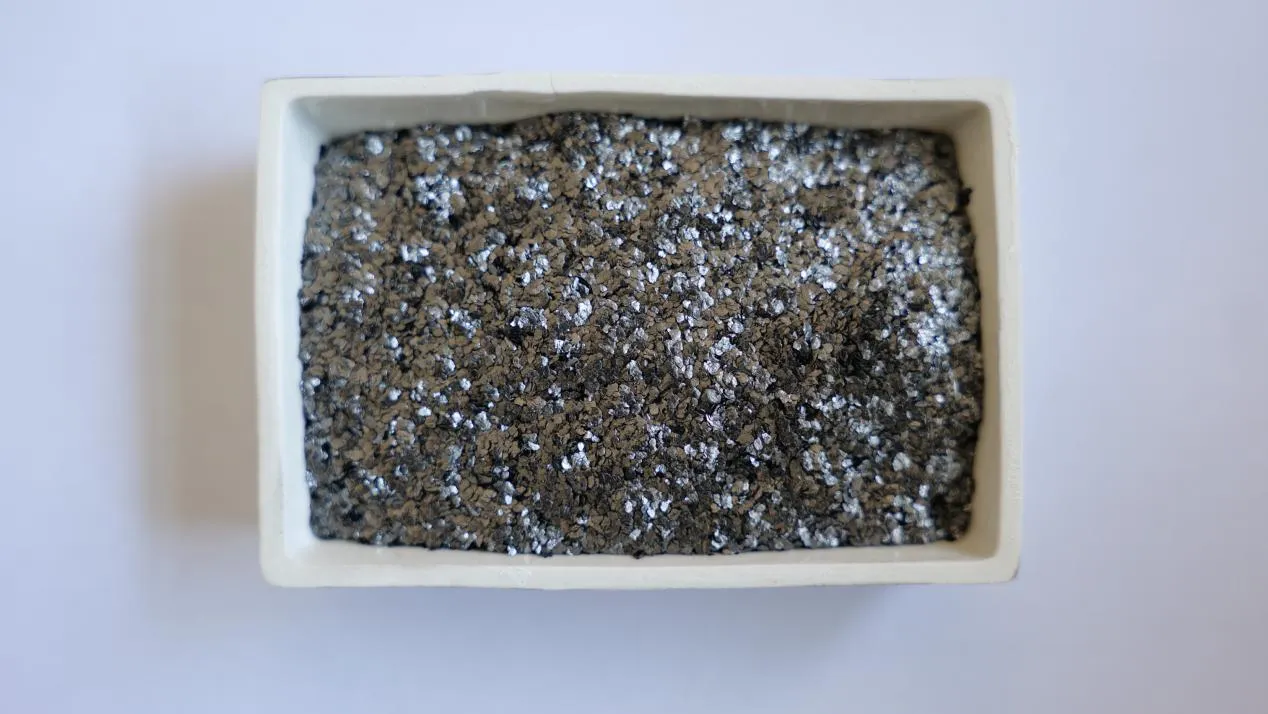
The first step in powder metallurgy is typically the thorough mixing of metal powders with other components. At this stage, the particle size and flake size of natural flake graphite influence its distribution within the metal powder. If there is a significant difference in particle size between the graphite and the matrix powder, it may affect the uniformity of the mixture; conversely, if the particle size is too fine or too coarse, it may alter the dispersion state during the actual process. Consequently, graphite for powder metallurgy must generally be selected to match the specific metal powder system and mixing process. This explains why, even for the same type of natural flake graphite, different powder metallurgy customers may have entirely different requirements regarding particle size and flake diameter.
After mixing, the powder is loaded into a die for compaction. Natural flake graphite has a characteristic layered crystal structure; under appropriate formulation conditions, it can act as a solid lubricant, influencing friction between powder particles as well as between the powder and the die. Therefore, at this stage, the significance of graphite extends beyond simply “how much carbon is added”; its particle characteristics may also affect the compaction and demolding processes.
Upon entering the sintering stage, the role of graphite changes further. In iron-based powder metallurgy materials, natural flake graphite acts as a carbon source, participating in carbon diffusion during the sintering process and thereby influencing the microstructure and properties of the final material. Consequently, the fixed carbon content, ash content, and actual amount of graphite added must all be considered in conjunction with the specific material system. For products such as friction materials and self-lubricating materials, graphite may primarily serve as a lubricating component. As can be seen, the requirements for graphite vary across different powder metallurgy products.
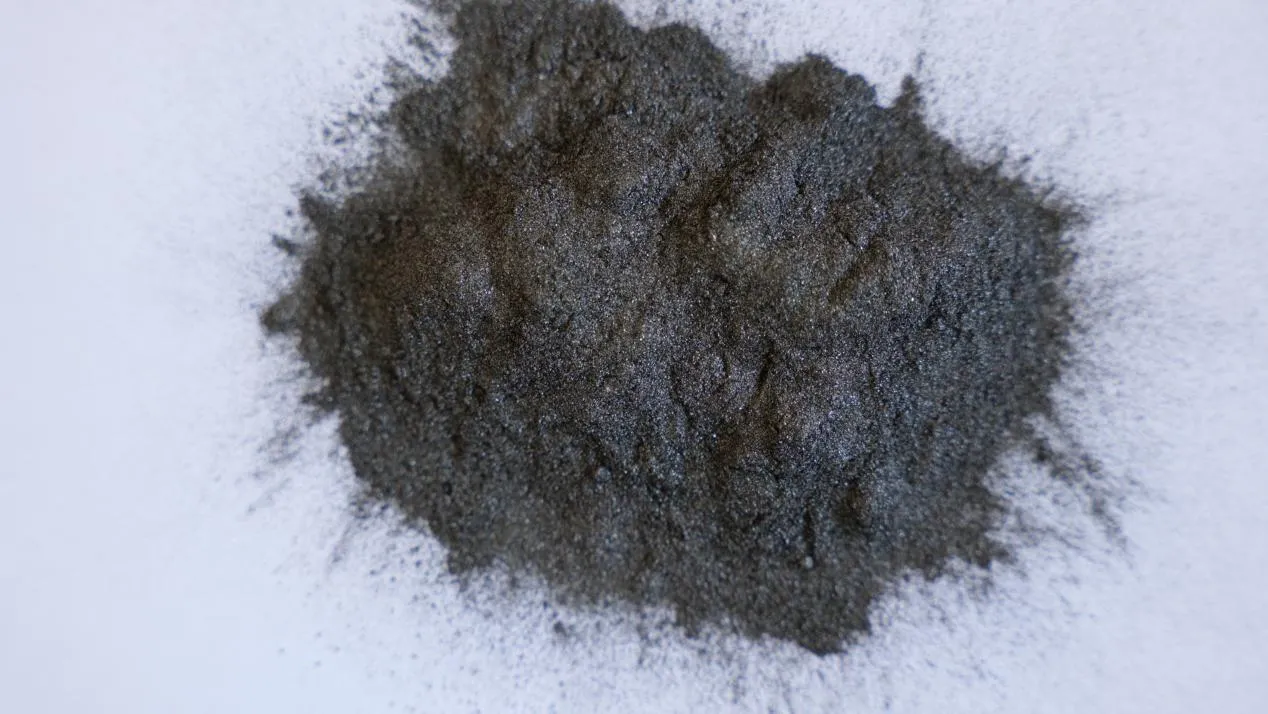
When making actual purchases, it is recommended not to specify a single requirement such as “99% fixed carbon,” but rather to simultaneously specify the application material, target particle size, mixing method, and sintering process. For some applications, high fixed carbon content implies lower impurity levels; for other systems, particle size matching and mixing uniformity may be more critical. Therefore, the most suitable natural flake graphite is not necessarily the product with the highest specifications.
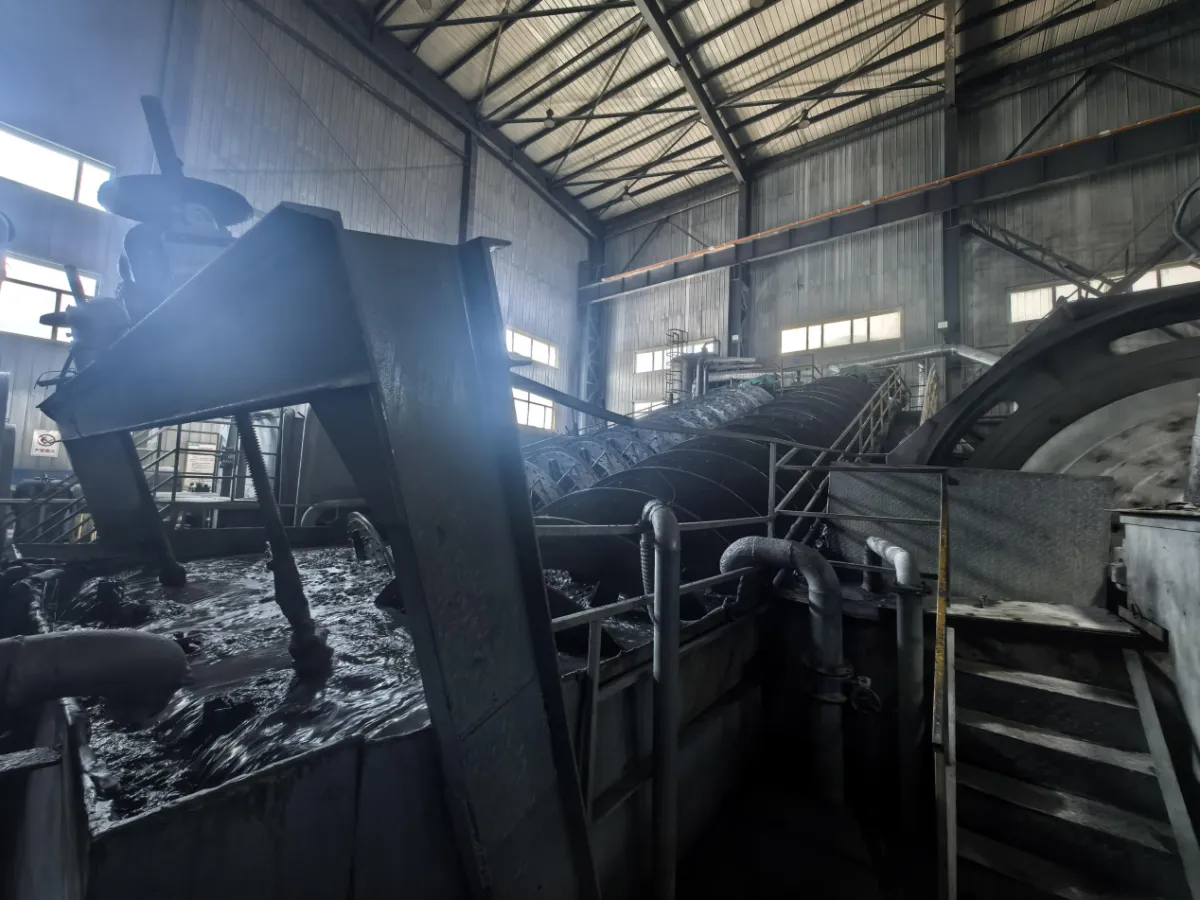
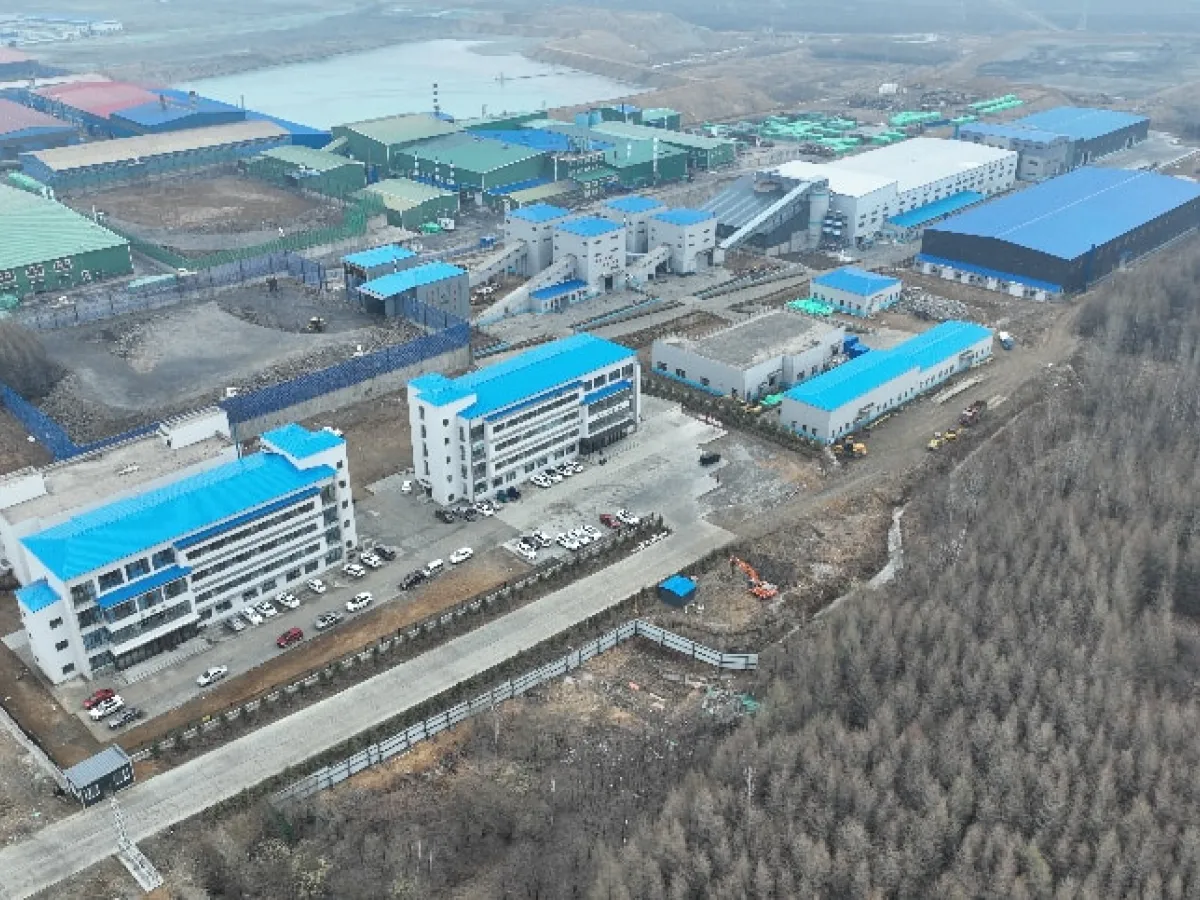
Jinhui Graphite owns its own natural graphite mines and processing facilities and has long been engaged in the mining, beneficiation, and deep processing of natural graphite. We supply natural flake graphite with fixed carbon content ranging from 80% to 99.95% and particle sizes from -325 to +35 mesh, available in large, medium, and small flake specifications. For powder metallurgy customers, we can match product grades based on metal powder systems, fixed carbon content, particle size, flake size, and impurity control requirements, and we can also customize products according to actual process needs.
In powder metallurgy, graphite is not evaluated as an isolated raw material parameter. From blending to pressing and then to sintering, only natural flake graphite that is properly matched to the process can truly realize its full value.
Copyright © 2026 by Qingdao Baohua New Materials Technology Co., Ltd.
| Privacy Policy