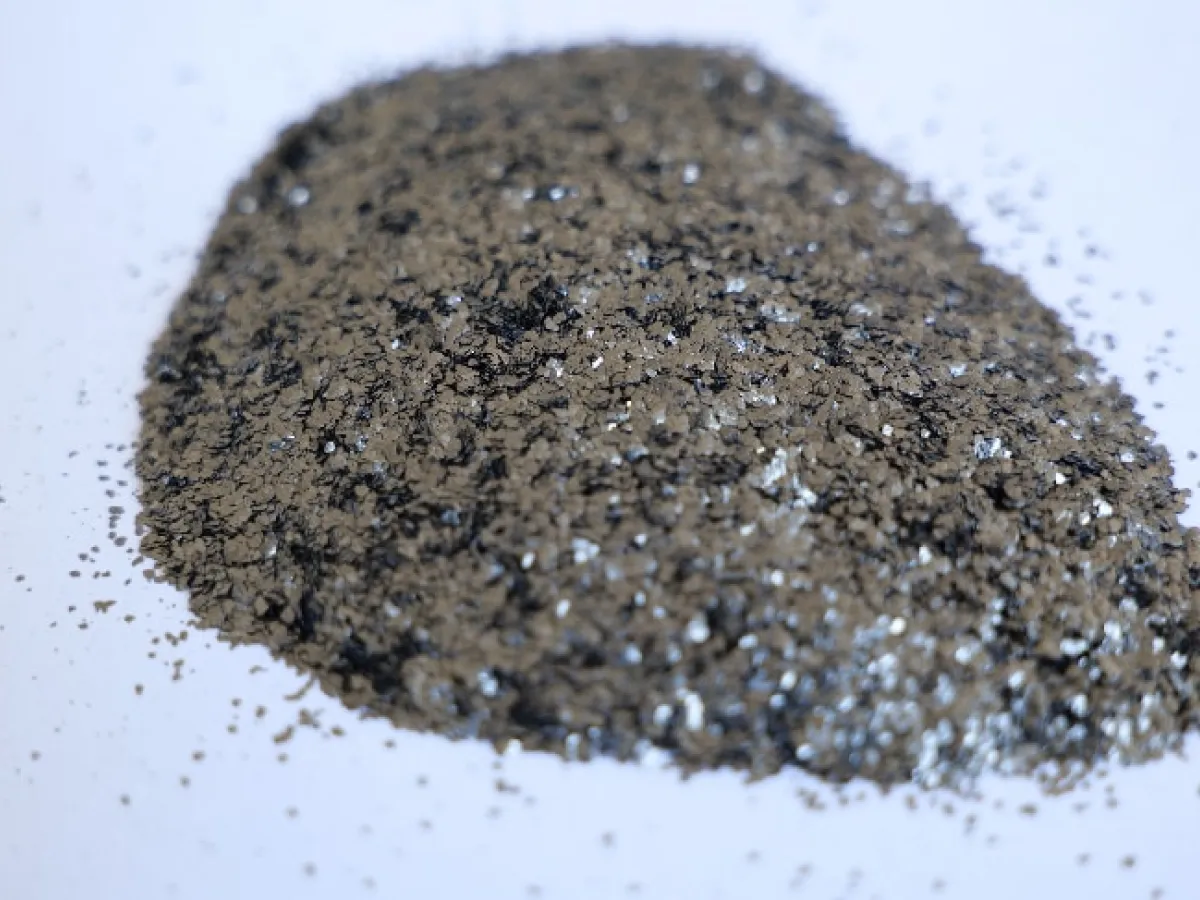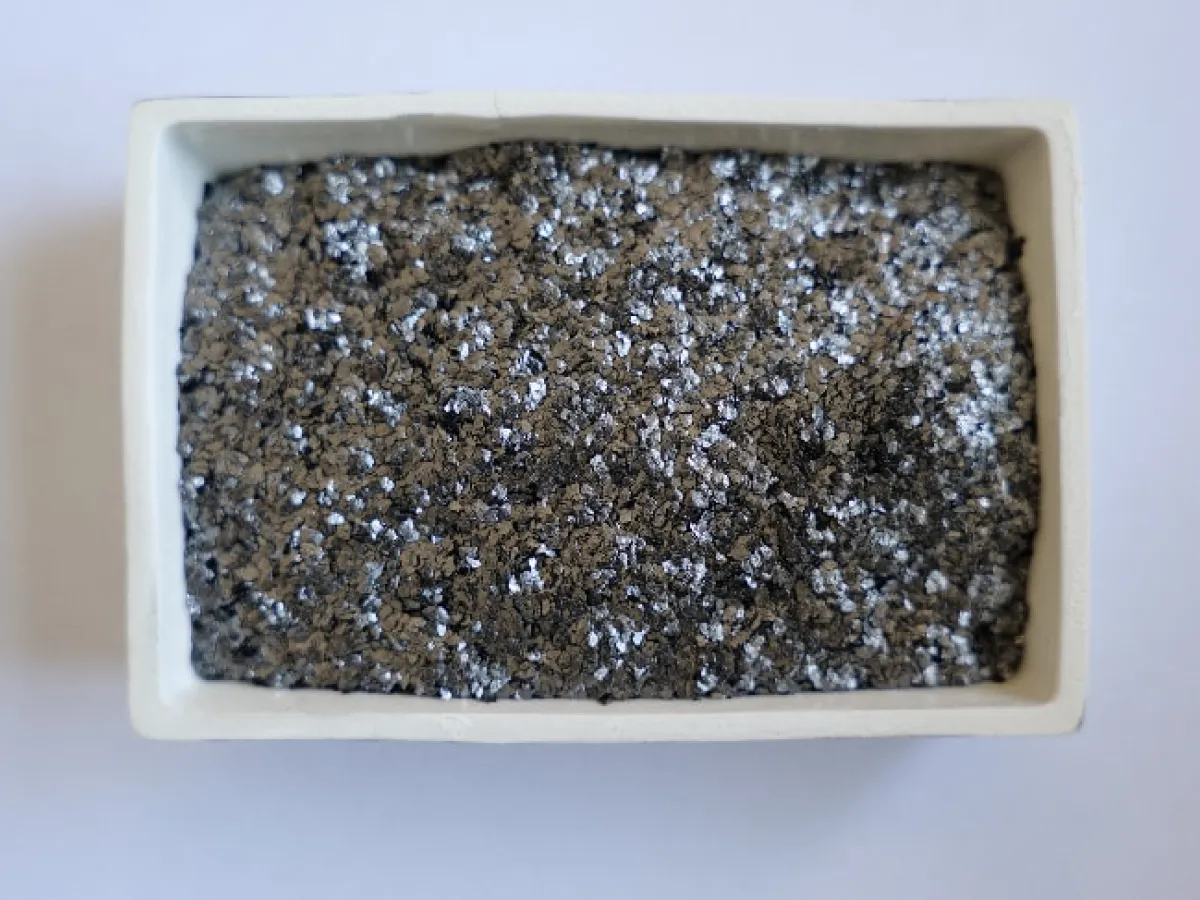
In the global supply landscape of natural flake graphite, China and Africa play distinctly different yet complementary roles. China is the world’s largest graphite producer, accounting for 67% of the global supply of natural graphite, and refines more than 90% of the world’s graphite into the form used as an anode material for batteries. Meanwhile, the three African countries—Madagascar, Mozambique, and Tanzania—are emerging as the most promising alternative sources of supply outside of China, thanks to their abundant graphite resources and the involvement of Western capital. As a natural flake graphite manufacturer with over 30 years of deep experience in the graphite industry, we will compare the strengths and weaknesses of Chinese and African graphite suppliers from a buyer’s perspective to help you make a rational procurement decision.
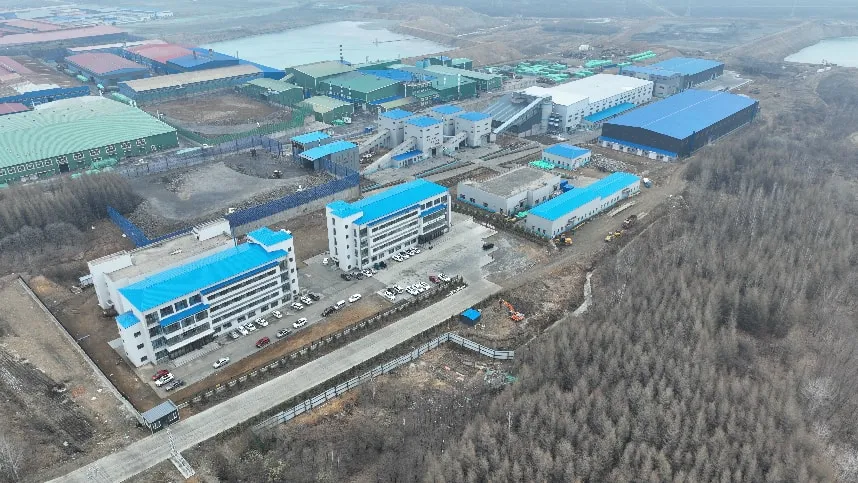
China’s natural flake graphite industry possesses two major advantages that African suppliers will find difficult to replicate in the short term. First is a complete industrial chain. China has established six major graphite production bases in Heilongjiang, Inner Mongolia, Shandong, and other regions, with full autonomy and control over the entire process—from mining and beneficiation to deep processing stages such as spheronization and purification. China holds the world’s largest reserves of natural graphite, which is of excellent quality. The country has also established the world’s largest supply system for crystalline graphite raw materials, with green, low-carbon, and smart mines capable of producing 6 million metric tons annually already in operation. Second is the technological barrier. China has mastered purification technologies covering the full range from 95% to 99.99995% purity, and has achieved large-scale production of high-end graphite products. Virtually all deep processing of graphite is carried out in China—even a significant portion of the raw graphite ore mined in Africa must be shipped to China for processing.
The core competitiveness of African graphite suppliers stems from three aspects. First is their resource endowment. The combined natural graphite reserves of Madagascar, Mozambique, and Tanzania total 67 million metric tons, which is nearly equivalent to the combined reserves of China (78 million metric tons) and Brazil (74 million metric tons). Madagascar is renowned for its large-flake graphite, while Mozambique produces high-quality -100-mesh graphite. Second are geopolitical factors. Starting in 2026, the United States will impose a 25% tariff on natural graphite imports from China, and the European Union is also actively seeking supply sources outside of China, which has significantly increased the strategic value of African graphite. Third are trade preferential policies. As a signatory to the “EU–ESA” Economic Partnership Agreement, Madagascar’s graphite products can enter the EU market with zero tariffs and zero quotas.
Despite the promising outlook, the reliability of African graphite suppliers still requires careful evaluation. First are infrastructure bottlenecks. Some companies in Tanzania have faced financial difficulties due to congestion at the Port of Dar es Salaam and have been forced to enter voluntary administration. Second are political and operational risks. Some suppliers in Mozambique have declared force majeure due to civil unrest triggered by election disputes, directly undermining the feasibility of Europe and the U.S.’s “de-risking” supply chain strategies. Third, there is insufficient processing capacity. African producers generally lack the capacity to process high-value-added products—such as expanded graphite and anode active materials—and suppliers for these advanced products are virtually nonexistent outside of China.
The choice between Chinese and African graphite suppliers depends on the buyer’s core requirements. For buyers seeking supply stability, technical support, and full-range product coverage, Chinese natural flake graphite suppliers remain a mature and reliable option; whereas buyers driven by geopolitical trade barriers or needing to meet “non-China origin” compliance requirements may prudently consider African suppliers as a supplementary source, though they must accept the periodic uncertainty of their supply chains and limitations in processing capabilities. Our natural flake graphite products, backed by China’s comprehensive industrial chain and technological expertise, provide customers with stable, traceable quality assurance.
Copyright © 2026 by Qingdao Baohua New Materials Technology Co., Ltd.
| Privacy Policy