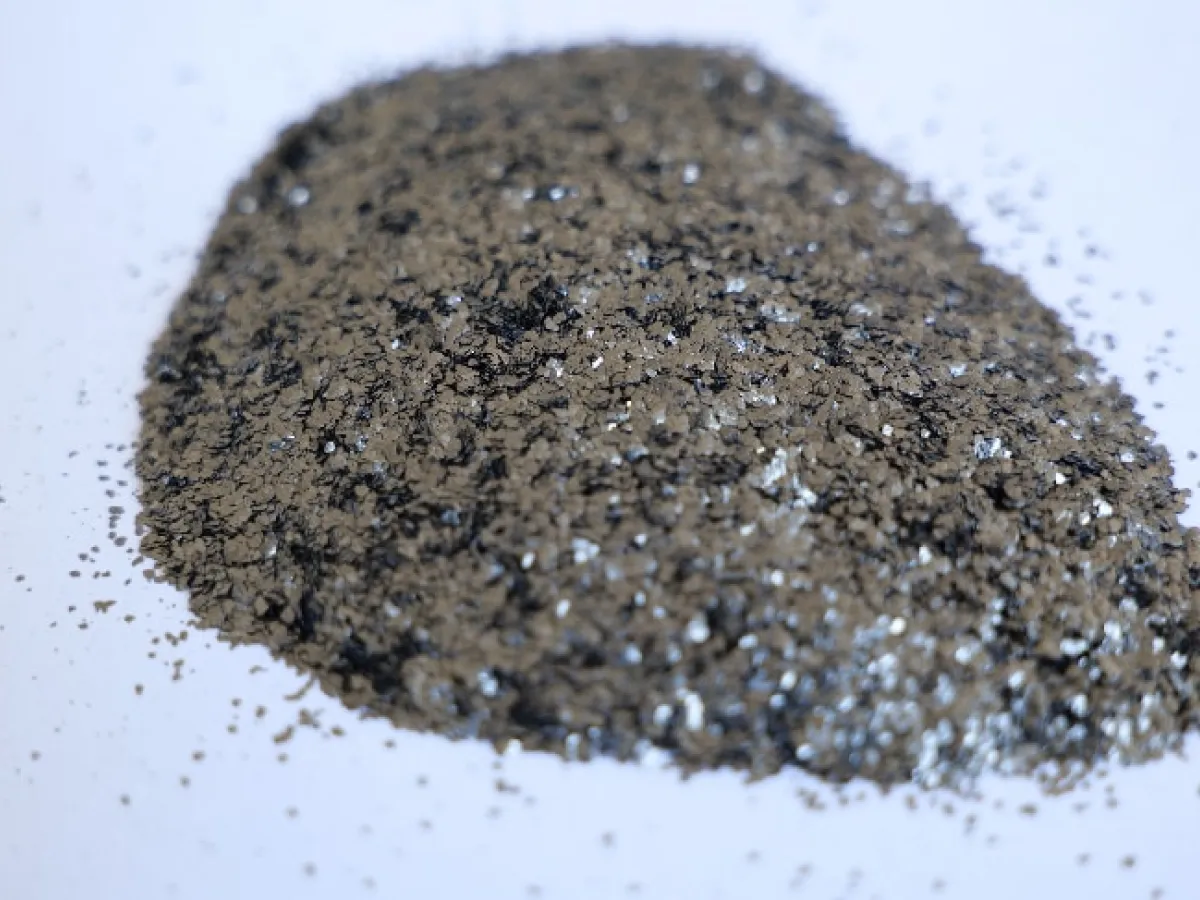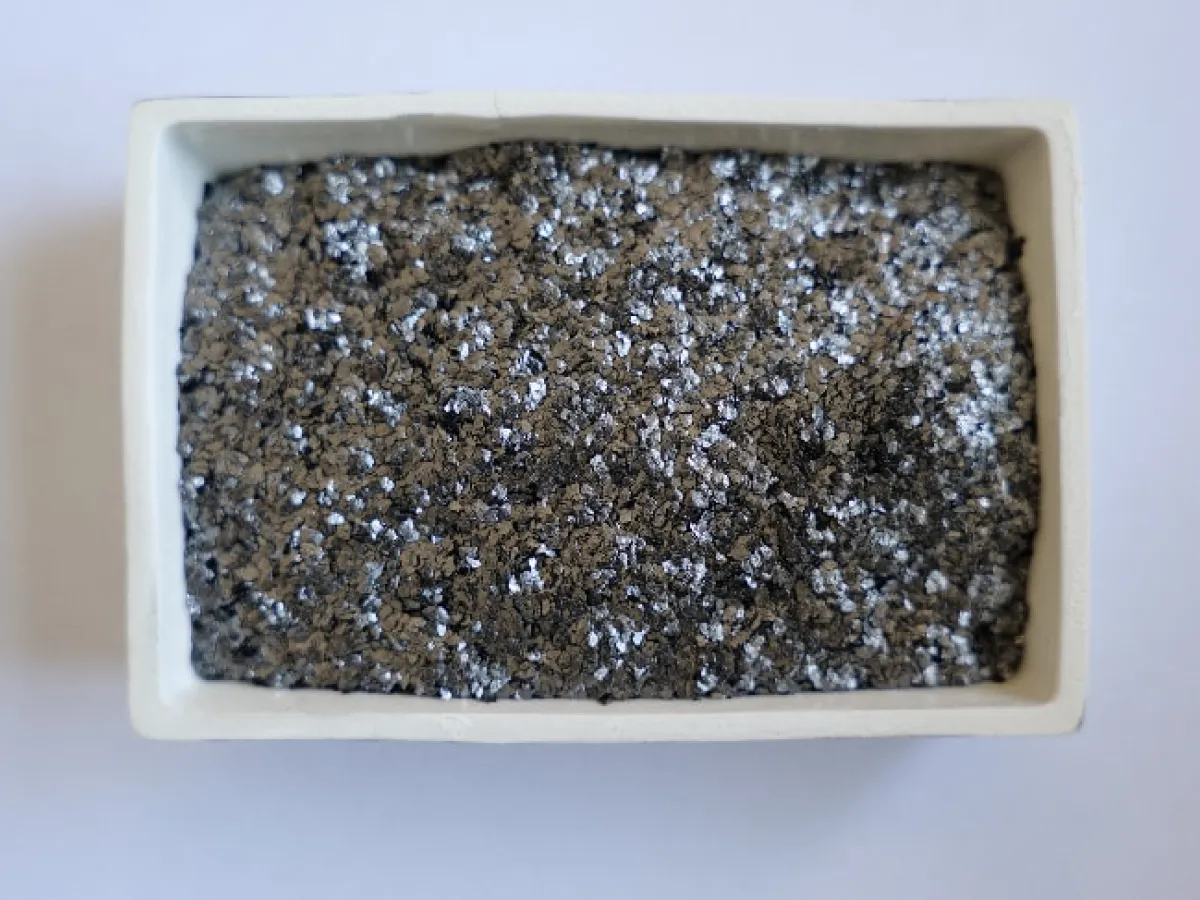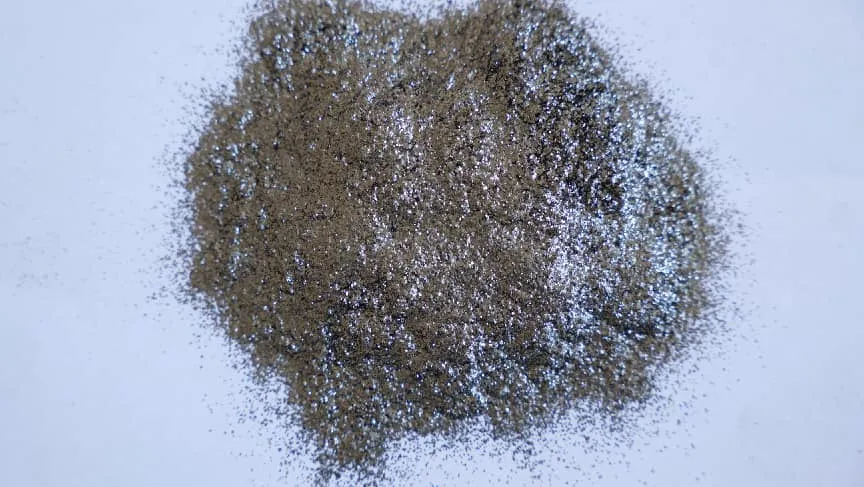
Among the traditional applications of natural flake graphite, refractory materials represent the field with the longest history and the highest consumption. Among these, magnesium-carbon bricks (MgO-C bricks) are the refractory products that consume the largest amount of natural flake graphite and play the most critical role. Since the advent of carbon-containing refractories in the 1970s, natural flake graphite has become an indispensable key raw material for magnesium-carbon bricks due to its properties, including resistance to slag wetting, high thermal conductivity, and low thermal expansion. The refractory industry has long been the largest consumer of natural flake graphite, with an annual consumption of nearly 500,000 metric tons. Even following the rise of the electric vehicle industry, its consumption remains on par with that of battery anode materials. As a manufacturer of natural flake graphite with over 30 years of experience in the graphite industry, we will analyze the specific role of natural flake graphite in the production of magnesium-carbon bricks and the key considerations for selection.
Magnesium-carbon bricks are unfired carbon composite refractories made primarily from magnesium oxide (MgO), a high-melting-point alkaline oxide with a melting point of 2,800°C, and natural flake graphite—a high-melting-point carbon material that is resistant to slag wetting. Various non-oxide additives are incorporated, and the mixture is bonded using a carbon-based binder. As the carbon source in magnesium-carbon bricks, natural flake graphite provides three core properties: resistance to slag wetting, which makes the brick body less susceptible to erosion by steel slag; high thermal conductivity, which facilitates rapid heat transfer and reduces thermal stress; low thermal expansion, which enhances thermal shock resistance. It is precisely this combination of three properties that makes magnesium-carbon bricks the mainstream refractory material for the linings of steelmaking converters, electric furnaces, and ladles, and they are widely used in various critical stages of high-temperature industries.
In the production of magnesium-carbon bricks, the purity and particle size of natural flake graphite are the two key variables that affect performance.
First is the fixed carbon content. The purity of graphite directly affects the magnesium-carbon brick’s resistance to spalling and its high-temperature flexural strength. If the ash contains impurities such as silicon dioxide or iron oxide, the graphite is prone to oxidation at operating temperatures, which is particularly detrimental to magnesium-carbon bricks. For natural flake graphite used in the production of magnesium-carbon bricks, the fixed carbon content is typically required to be greater than 95%, with high-end products requiring more than 98%. European patent research has confirmed that when the purity of natural flake graphite reaches 98% or higher, the high-temperature strength of magnesium-carbon bricks can rival that achieved by adding metallic antioxidants.
Second is particle size selection. When it comes to natural flake graphite, coarser is not necessarily better. Research has shown that in low-carbon magnesium-carbon bricks, replacing coarser graphite with finer graphite significantly improves physical properties, oxidation resistance, and thermal shock stability. This is because finer graphite enhances the matrix structure of the magnesium-carbon bricks. In production practice, the addition of natural flake graphite typically ranges from 3% to 25%, with a carbon content of approximately 15% providing the best resistance to slag erosion.
Natural flake graphite serves a threefold function in magnesium-carbon bricks: First, it acts as a physical barrier—graphite is virtually unwetted by high-temperature slag and molten steel, effectively preventing slag from penetrating the refractory matrix; second, it serves as a heat conduction pathway—graphite’s high thermal conductivity helps the brick dissipate heat rapidly, reducing thermal shock damage; third, it acts as a structural modifier—the layered structure of flake graphite allows it to slide under stress, absorbing thermal stress and thereby enhancing resistance to spalling. These functions collectively determine the service life of magnesium-carbon bricks. Depending on the type of furnace, the application location, and operating conditions, various performance metrics can be optimized by adjusting the purity and content of graphite.
Natural flake graphite is a key raw material in the production of magnesium-carbon bricks; its fixed carbon content and particle size selection directly determine the bricks’ resistance to oxidation, slag erosion, and thermal shock stability. As a core refractory material in the steelmaking industry, magnesium-carbon bricks remain one of the most important traditional application areas for natural flake graphite to this day. Our natural flake graphite products cover a wide range of purity and particle size specifications required for magnesium-carbon brick production, and we can provide customized recommendations based on the specific requirements of our customers’ refractory products.
Copyright © 2026 by Qingdao Baohua New Materials Technology Co., Ltd.
| Privacy Policy