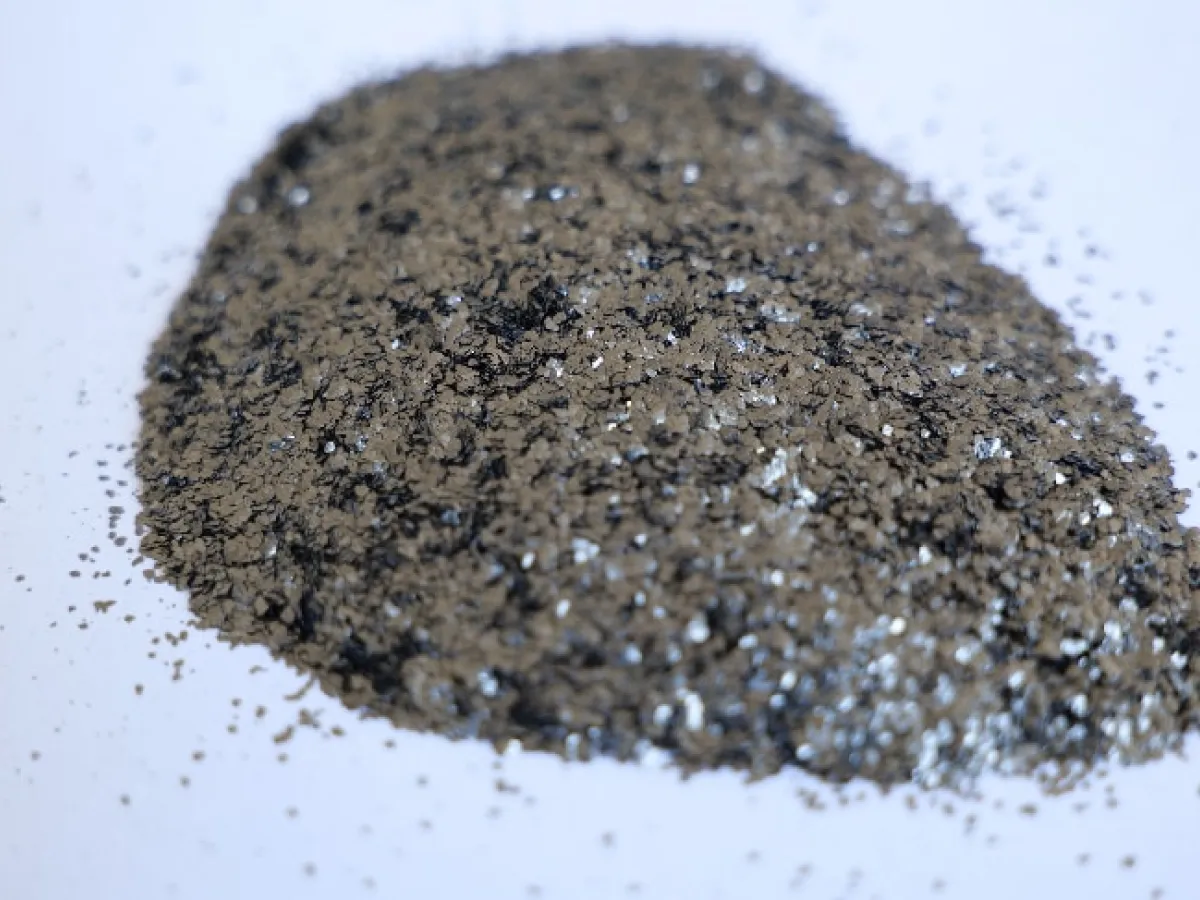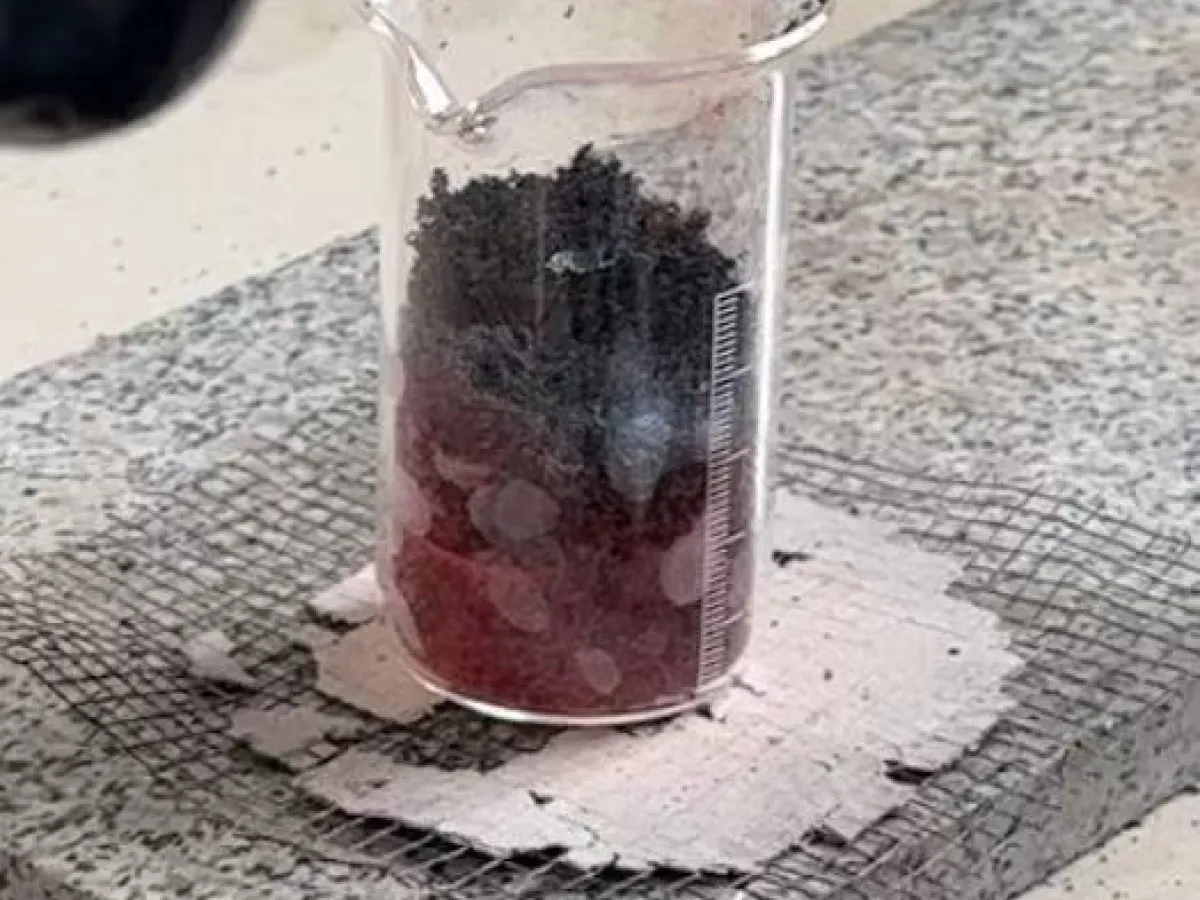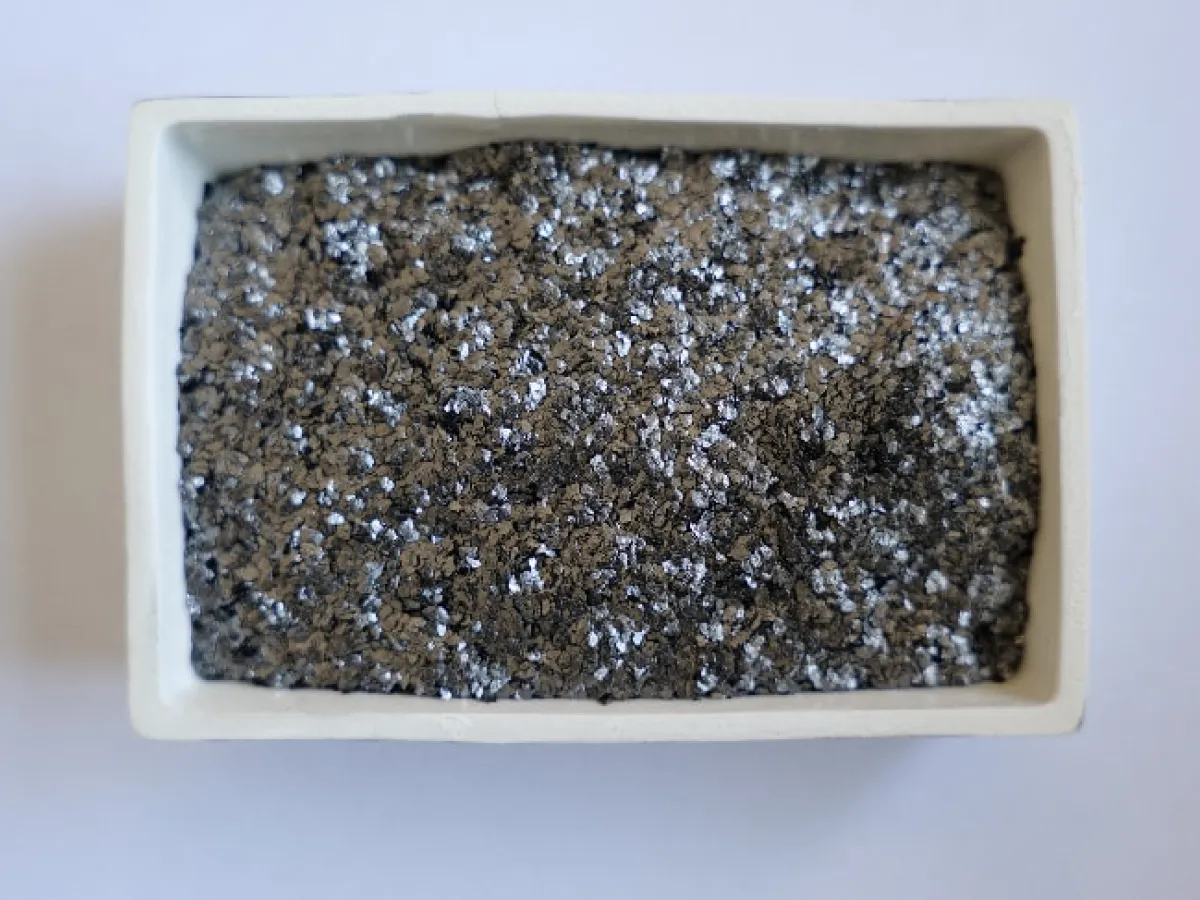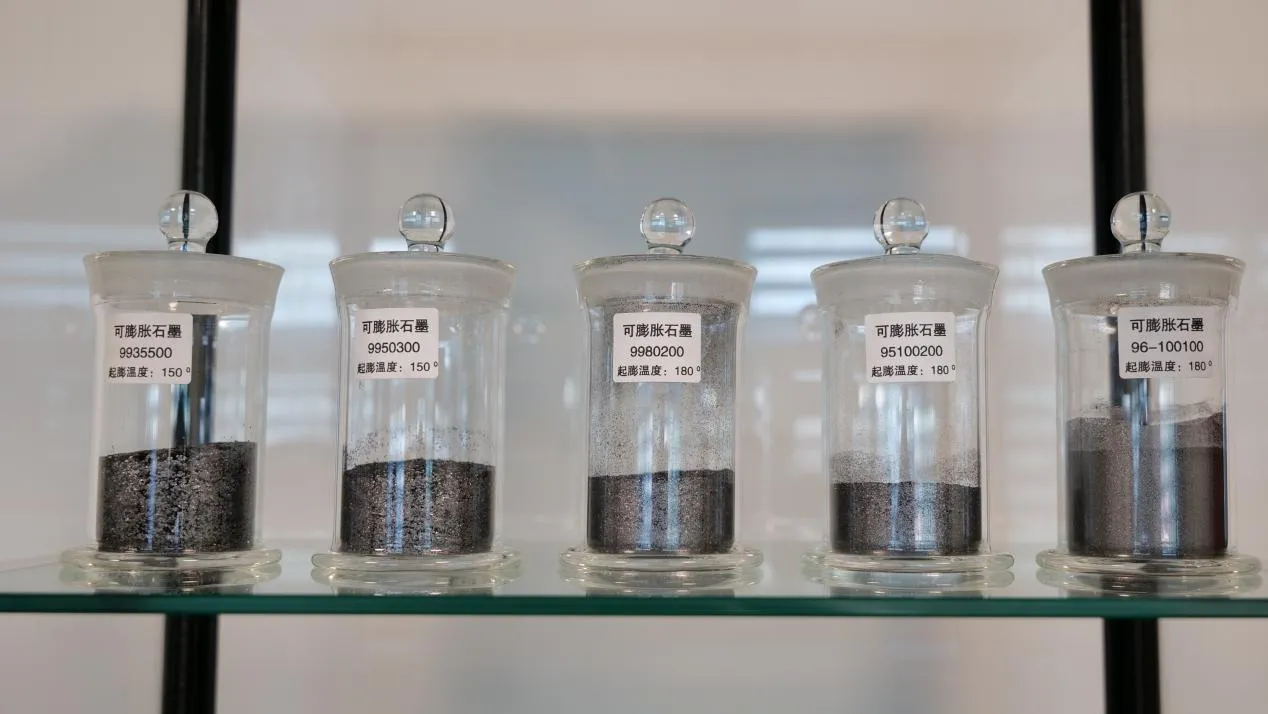
In the field of building fire protection, expandable graphite is evolving from a functional filler into a critical passive fire protection material. At high temperatures, expandable graphite rapidly expands along the C-axis, increasing in volume to hundreds of times its original size and forming a dense, heat-insulating carbon layer that effectively blocks the path of flame and smoke. Thanks to its environmentally friendly properties—halogen-free, low-smoke, and no-drip—expandable graphite has become a core raw material in fire door gaskets and fire-stop systems. As a manufacturer specializing in expandable graphite, we will introduce its typical applications and technical value in architectural fire doors and fire-stop systems.
The most direct application of expandable graphite in fire-rated doors is in expansion gaskets. Currently, there are two main forms: one involves mixing expandable graphite with rubber materials, inorganic flame retardants, and vulcanizing agents, then vulcanizing the mixture to produce expansion gaskets of various specifications. These are primarily used in fire-rated doors, fire-rated glass windows, and similar applications, where the gaskets serve to block the flow of smoke from start to finish during a fire. The other form uses glass fiber as a carrier, with the expandable graphite bonded to the carrier using an adhesive; this is also widely used in the manufacture of fire-rated doors. When a fire occurs, the expandable graphite in the seal begins to expand, rapidly sealing the gap between the door leaf and the door frame, effectively preventing early-stage dense smoke, toxic gases, and hot air from entering escape routes.
Due to its high expansion rate, expandable graphite is widely used in the manufacture of fire-resistant products such as fire-resistant bags, fire-resistant fillers, and fire-resistant rings. These products are used to seal wall penetrations for building pipes, cables, and gas lines, preventing flames from spreading through these openings during a fire. Take intumescent fire-blocking modules as an example: this material uses vermiculite and intumescent graphite as its primary components, which are molded and cured into standard-sized modules. These are widely used for fire sealing of cable and electrical openings in industries such as petrochemicals, power generation, and telecommunications.
The latest patented technology combines expandable graphite with ammonium polyphosphate, pentaerythritol, and zinc borate to form a fire-resistant expanding sealing material. The formulation contains 20–60 parts of expandable graphite, which, when heated, synergizes with phosphorus-nitrogen-based flame retardants to form a dense, ceramicized carbon layer. Experimental data show that adding this sealing material increases the fire resistance time of fire door core panels by more than 51%.
The fire-retardant effect of expandable graphite stems from its instantaneous expansion mechanism. When temperatures reach 150–300°C, the interlayer substances rapidly decompose and vaporize, generating thrust that causes the graphite layers to expand dramatically along the C-axis. The volume increases by tens to hundreds of times, forming a worm-like carbon layer. In actual fire doors and fire-sealing systems, this mechanism often works synergistically with other flame-retardant components—within composite material systems, expandable graphite, when combined with phosphorus-nitrogen-based intumescent flame retardants, can form multi-stage carbon layers across different temperature ranges, ensuring both rapid response at low temperatures and the stability of the carbon layer at high temperatures.
Thanks to its unique mechanism of instantaneously expanding to seal gaps and form a heat-insulating carbon layer, expandable graphite plays an irreplaceable role in fire door gaskets and fire-sealing systems for buildings. From fire door expansion gaskets to pipe fire-stop bags and cable fire-stop modules, expandable graphite provides comprehensive passive fire protection solutions for buildings, ranging from “door gap sealing” to “penetration sealing.” Our expandable graphite products are available in a wide range of mesh sizes and expansion ratios, and we offer customized solutions tailored to specific fire protection application requirements.
Copyright © 2026 by Qingdao Baohua New Materials Technology Co., Ltd.
| Privacy Policy