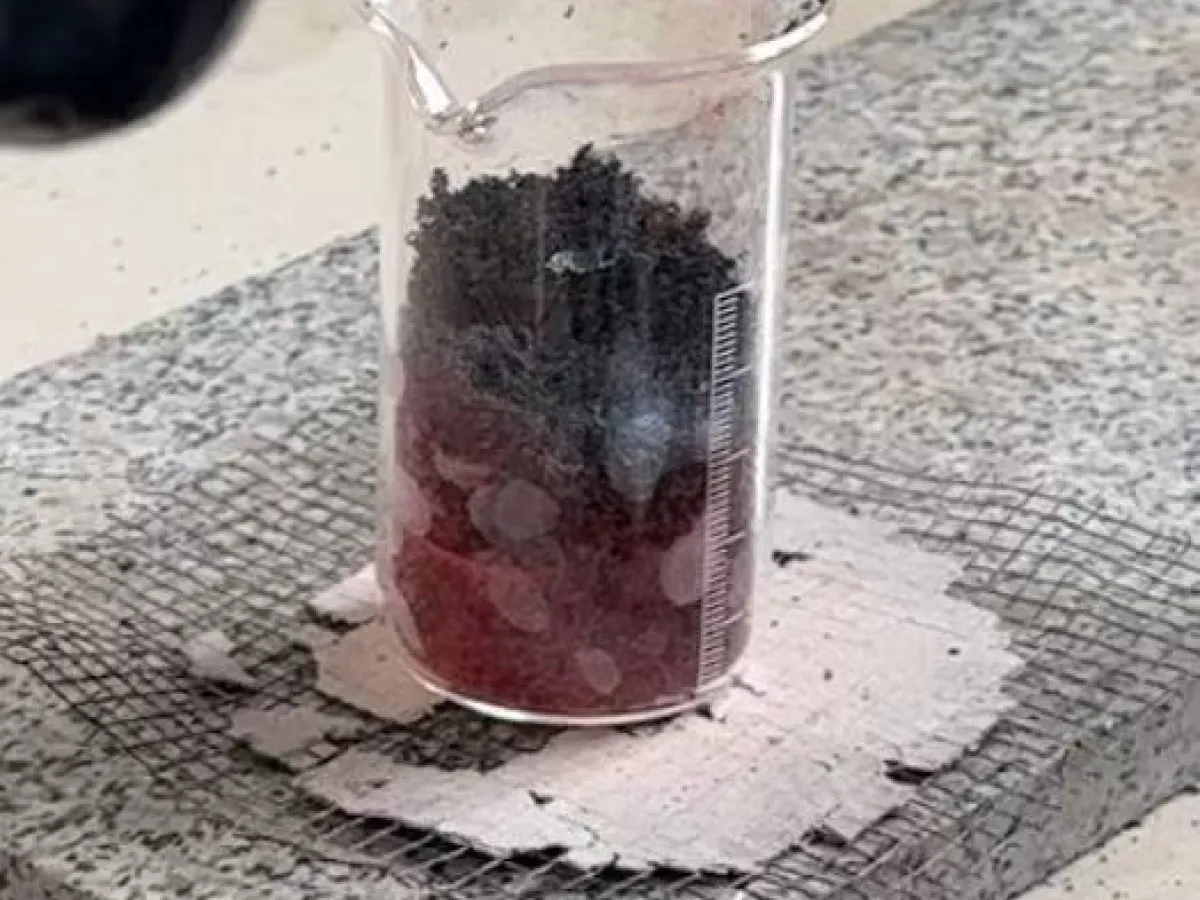
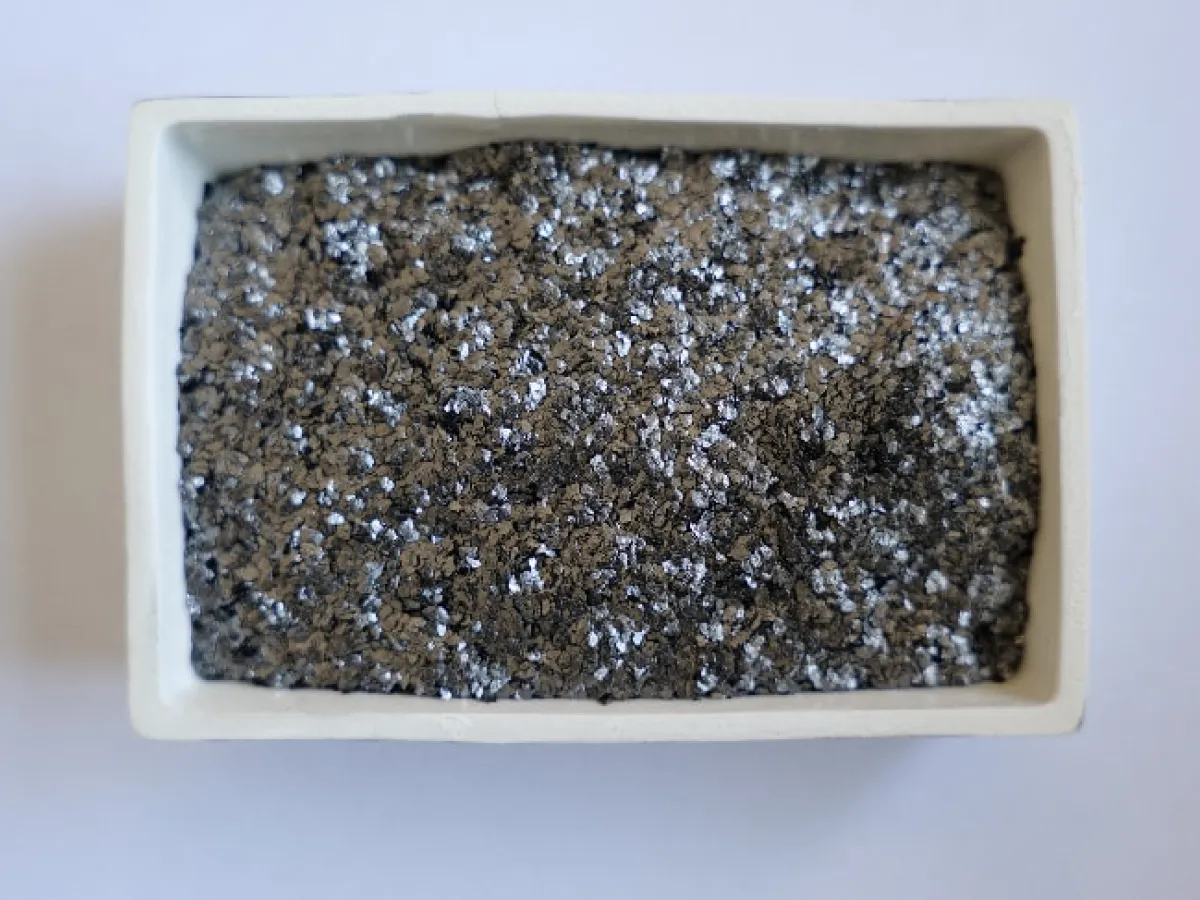
Natural flake graphite is not a synthetically produced industrial product, but rather a precious mineral left to humanity by the Earth over its long geological history. The formation of natural graphite is the result of complex metamorphic processes that carbon-bearing sedimentary strata undergo over hundreds of millions of years under the combined effects of tectonic movements, high temperature and pressure, and magmatic hydrothermal activity. As a manufacturer of natural flake graphite with over 30 years of deep expertise in the graphite industry, we examine the formation process and global distribution patterns of natural graphite from a geological perspective.
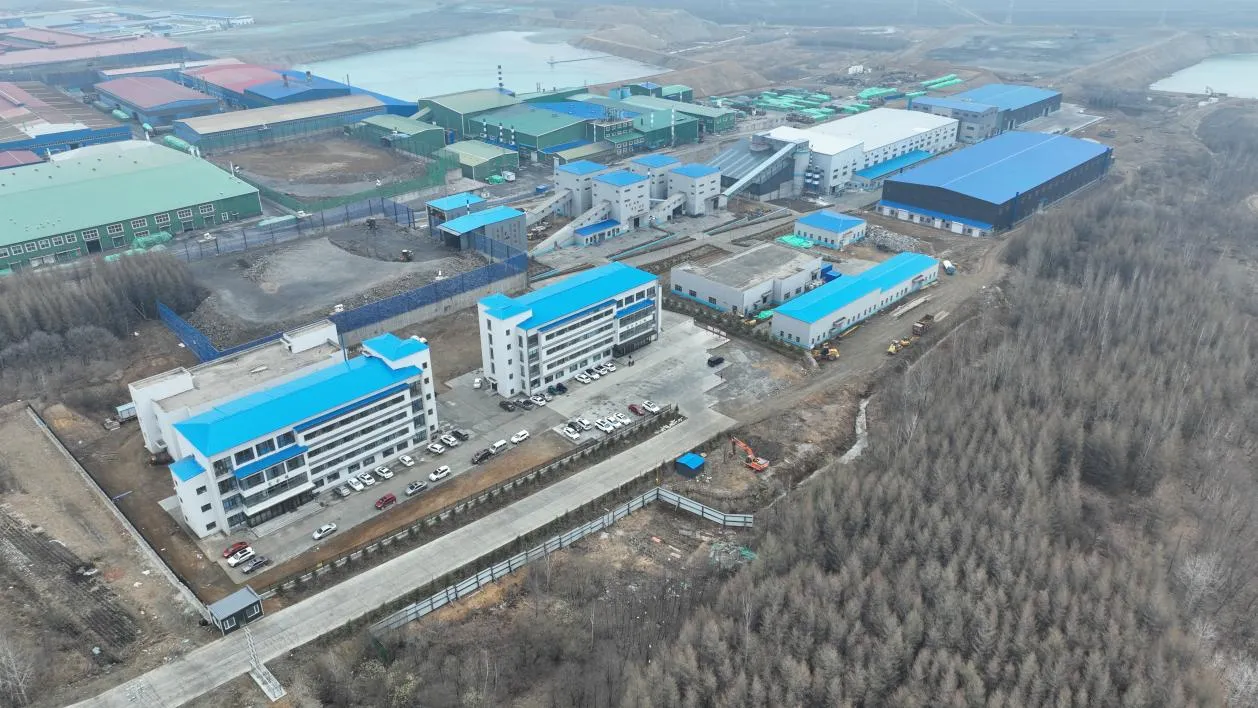
The formation of natural graphite is closely tied to the central process of “carbonaceous deposition—metamorphic crystallization.” Geologists believe that the carbon sources of graphite deposits fall into two main categories: in the vast majority of deposits, the carbon originates from organic matter deposited in ancient oceans or lakes (such as algae and plankton remains), which was buried and preserved under reducing conditions; the other category derives from carbon in magma sourced from the Earth’s deep mantle. Regardless of the source, these carbon-bearing materials must undergo the “trial” of geological processes—during orogenic events, carbon-bearing sedimentary strata are deeply buried and subjected to regional metamorphism. As temperature and pressure gradually increase, carbon atoms rearrange over vast geological time into a hexagonal layered crystal structure, ultimately forming natural flake graphite.
Based on differences in formation conditions and geological context, natural graphite deposits can be classified into four major genesis types.
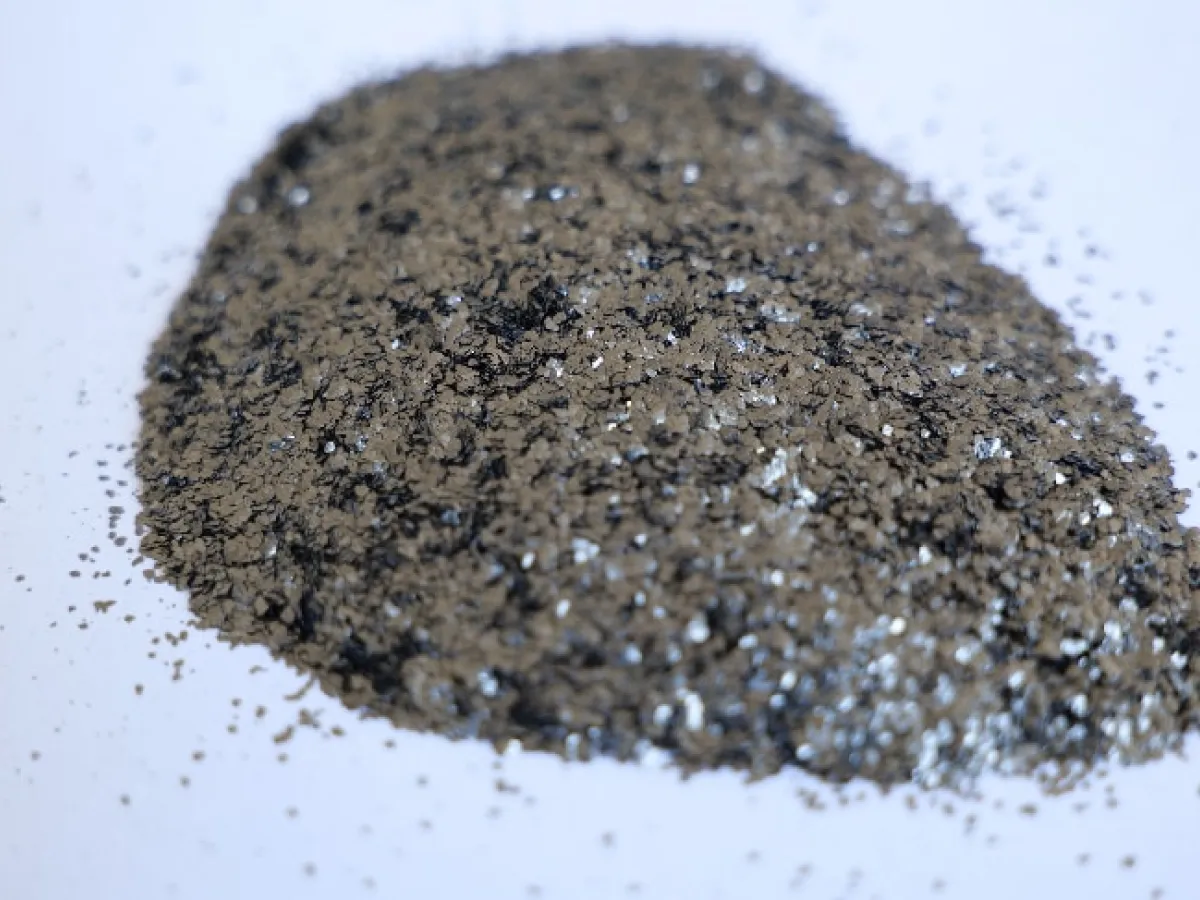
Regional metamorphic graphite deposits are the most common and have the greatest industrial value. These deposits formed in fold belts within the Precambrian continental crust. Carbon-bearing sedimentary strata underwent deep metamorphism under regional tectonic movements and high temperature and pressure, causing the carbon to crystallize into flake graphite. The ore bodies typically occur in layered or lens-shaped forms, as seen in famous graphite deposits such as Liumao in Heilongjiang and Nanshu in Shandong. Our natural flake graphite belongs to this genesis type; it features high flake integrity and excellent crystallinity, making it suitable for high-end applications such as refractory materials and battery anodes.
Contact metamorphic graphite deposits are formed by the thermal contact metamorphism of coal-bearing strata caused by magmatic intrusions. Carbon-bearing sedimentary rocks (coal seams, oil and gas reservoirs, etc.) undergo metamorphism under the thermal influence of magma; the carbon crystallizes but forms very fine crystals, often resulting in cryptocrystalline graphite (earthy graphite). The Lutang graphite mine in Hunan is a typical example of this type.
Magmatic (assimilation-type) graphite deposits form when magma assimilates and intrudes into carbon-bearing strata during its ascent; the carbon accumulates within the magma and crystallizes upon cooling. The ore in these deposits contains crystalline graphite, often in spherical or irregular shapes, accompanied by metal sulfides. The Huangyangshan Graphite Mine in Xinjiang belongs to this category.
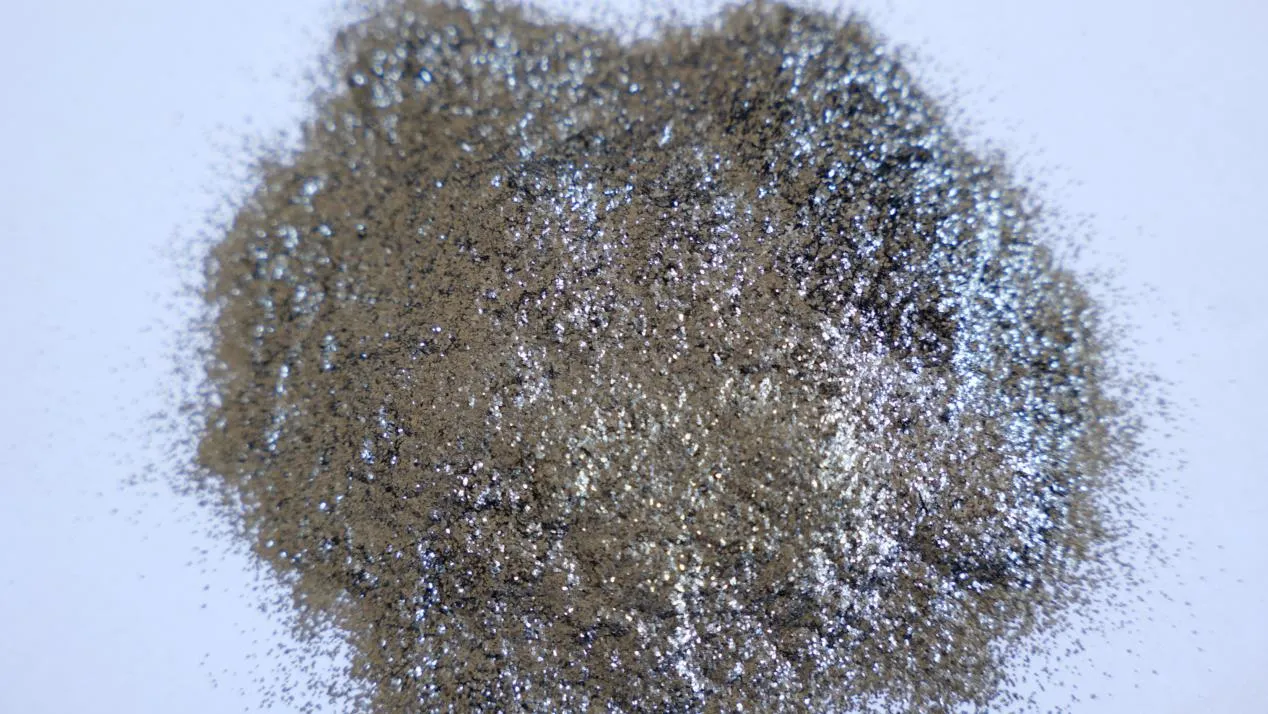
Hydrothermal graphite deposits are formed by the crystallization of carbon-bearing hydrothermal fluids that fill faults and fractures. Graphite crystals in these deposits are typically relatively coarse and of high purity, but reserves are small, and they mostly occur in vein-like formations.
Not all carbon-bearing strata can produce high-quality natural flake graphite. The degree and stage of metamorphism determine the scale and quality of the graphite ore body. Only when carbon-bearing strata undergo high-grade metamorphism ranging from the hornblende facies to the granulite facies can carbon atoms fully rearrange into complete hexagonal layered crystals, forming natural flake graphite with large flakes and high crystallinity. At lower metamorphic grades, fine-grained cryptocrystalline graphite or semi-graphite is formed. The more metamorphic stages and the longer the duration of metamorphism, the higher the crystallinity of the graphite and the better its quality.
Global graphite deposits are primarily distributed in East Asia–South Asia, East Africa, Eastern Europe–Central Europe, North America, South America, and Oceania. China is the country with the richest graphite resources globally, and its total reserves have ranked first in the world for many years. China’s natural flake graphite resources are primarily concentrated in the North China Block, the periphery of the Yangtze Block, and the Tianshan-Xingmeng Orogenic Belt. Six major graphite production bases have been established, including Jixi and Luobei in Heilongjiang, Xinghe in Inner Mongolia, and Pingdu in Shandong, which together account for more than 80% of the country’s total output. Apart from China, countries in East Africa—including Mozambique, Madagascar, and Tanzania—have achieved significant results in graphite exploration in recent years, discovering several large graphite deposits with reserves reaching hundreds of millions of metric tons; countries such as Brazil, Turkey, and India also possess substantial graphite resources.
Natural flake graphite is crystalline carbon formed from ancient carbon-bearing sedimentary strata through hundreds of millions of years of geological metamorphism. Regional metamorphic deposits provide the vast majority of the world’s crystalline graphite resources and are also the source of our natural flake graphite products. With its abundant graphite reserves and comprehensive industrial chain, China plays a dominant role in the global graphite supply.
Copyright © 2026 by Qingdao Baohua New Materials Technology Co., Ltd.
| Privacy Policy