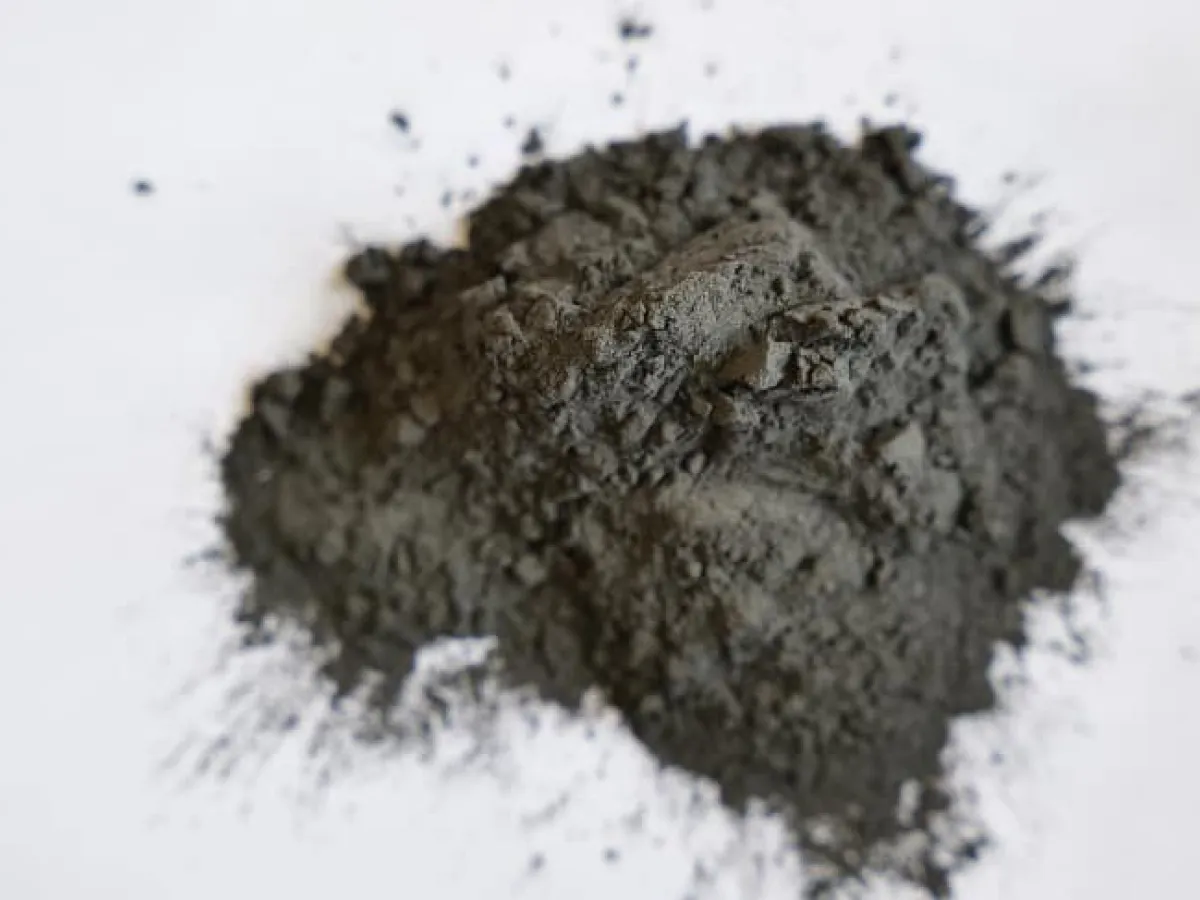
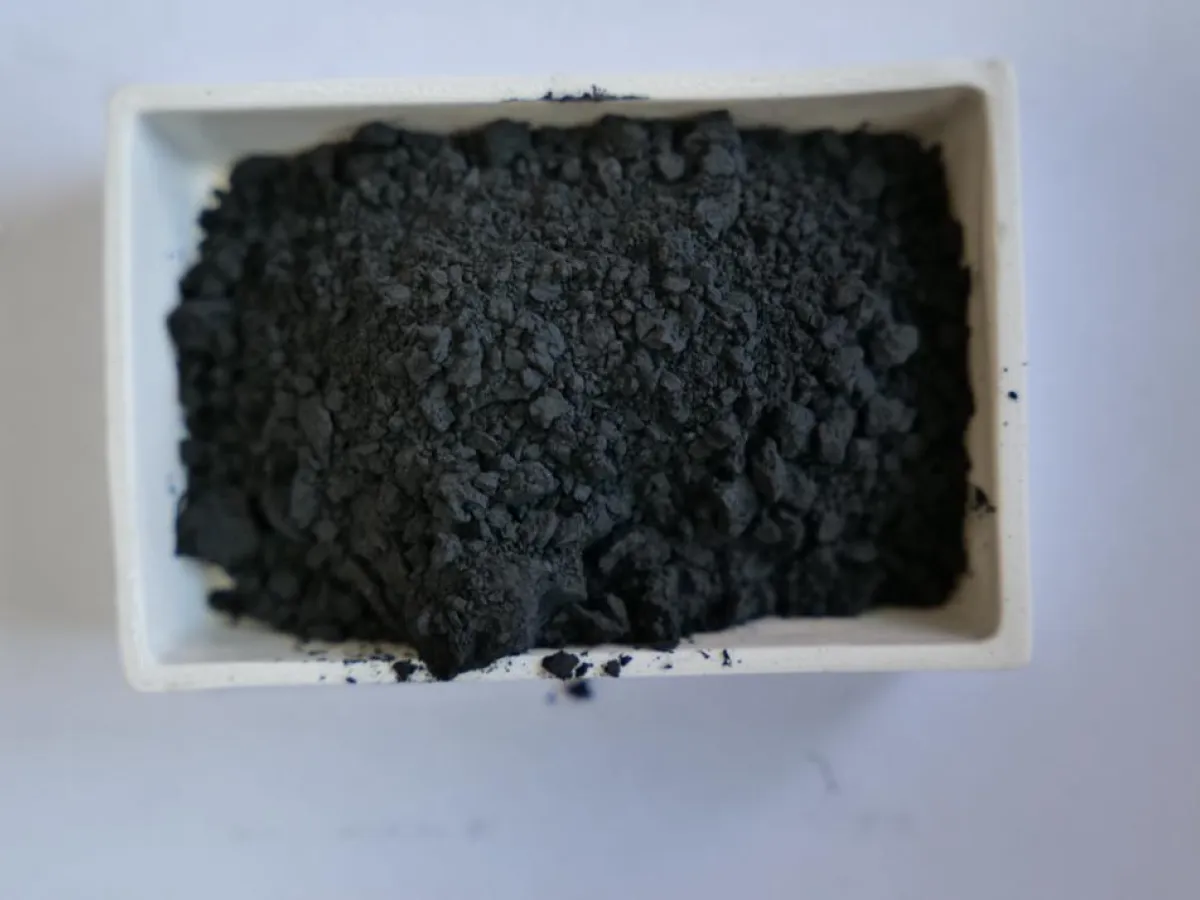
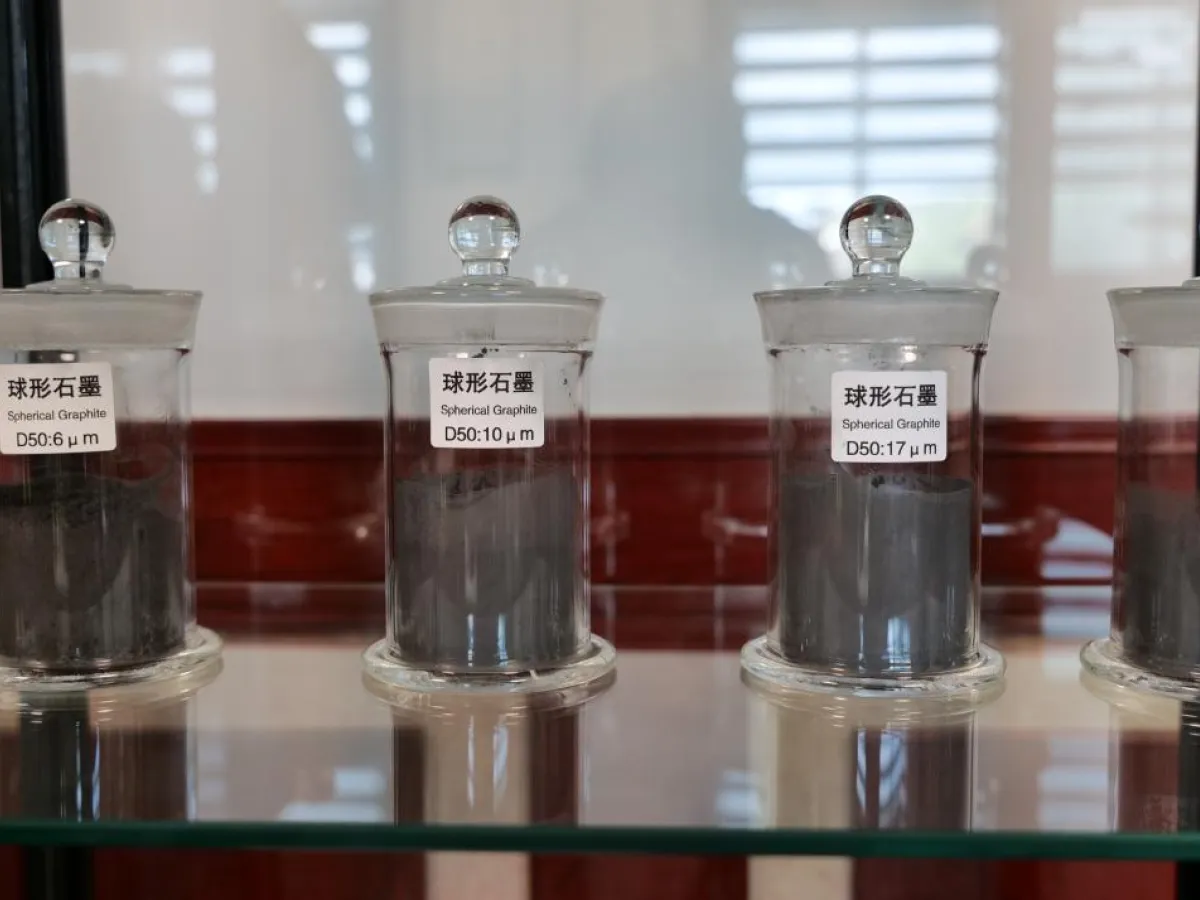
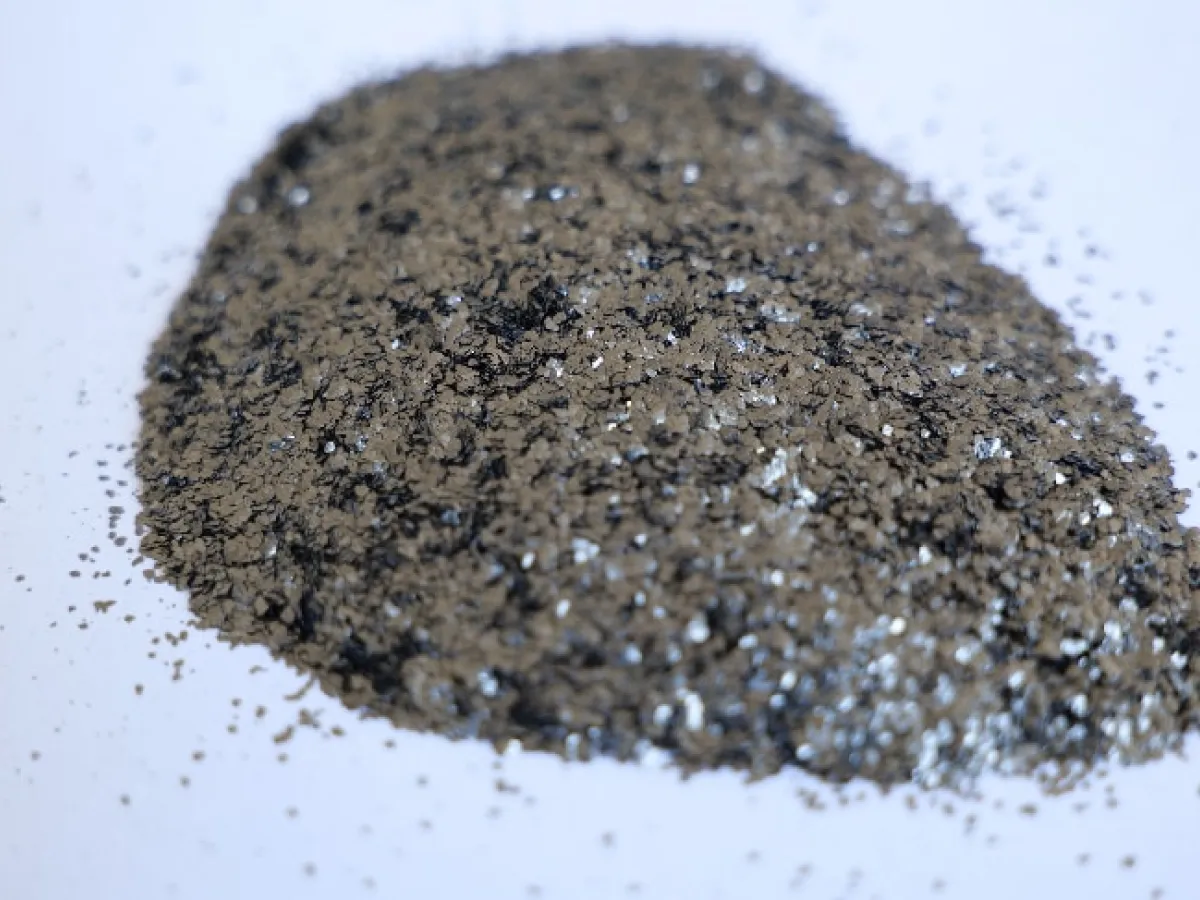
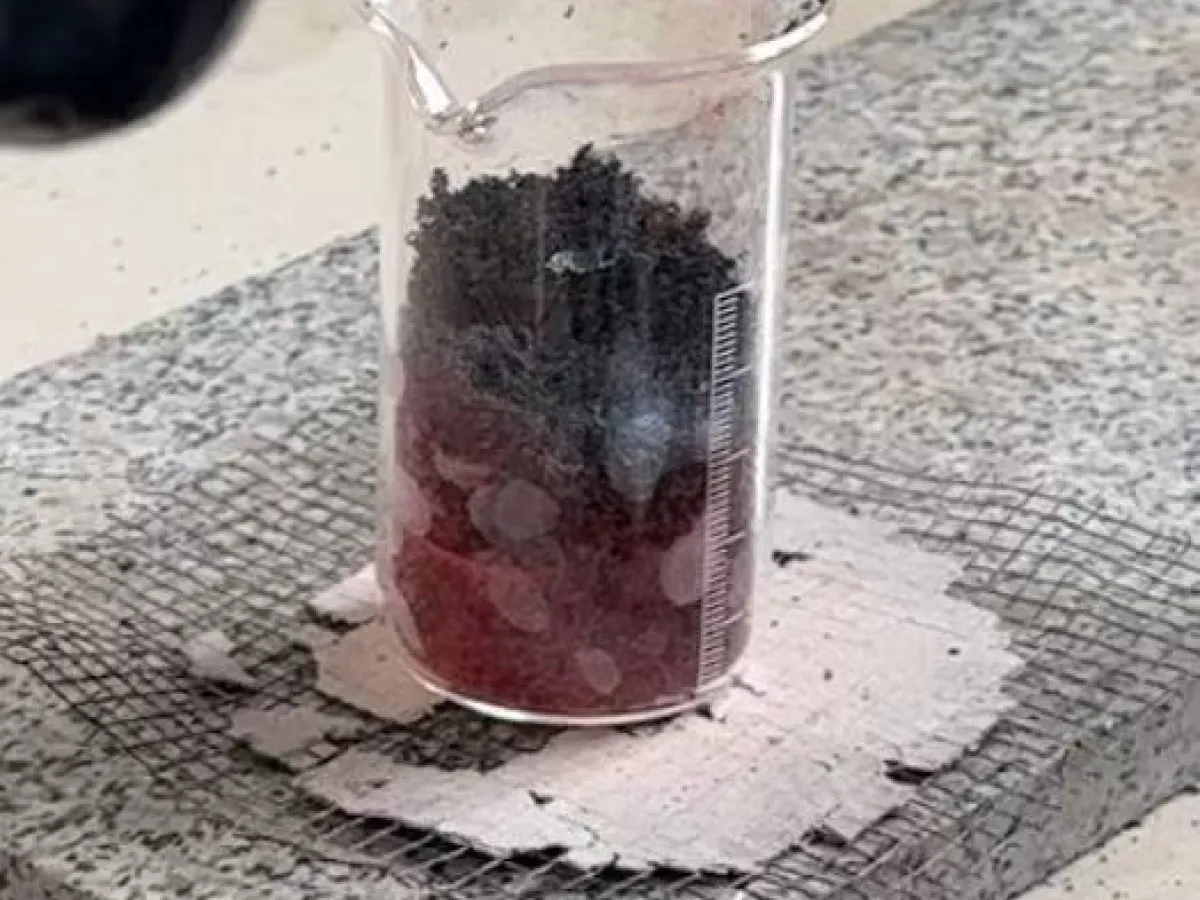
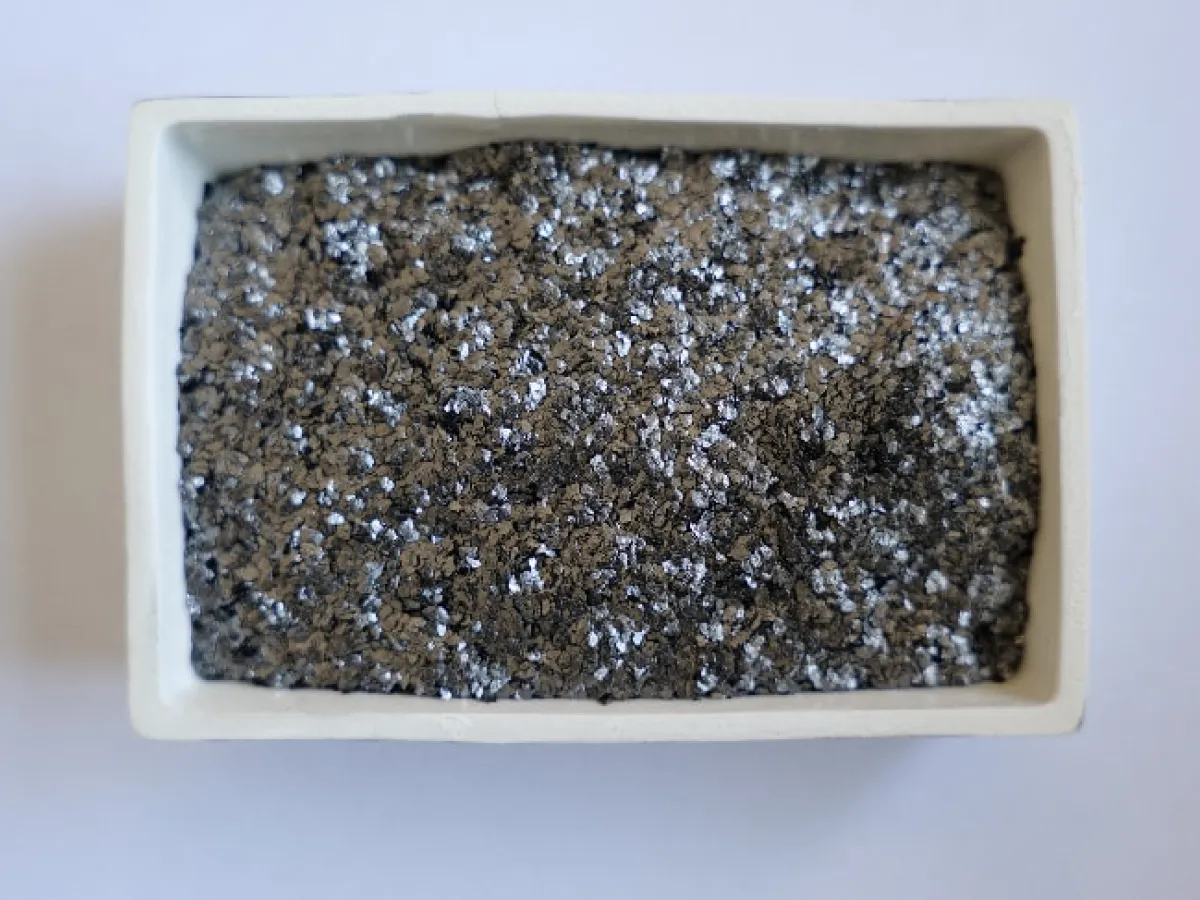
Naturally mined graphite ore typically contains only 5%–15% fixed carbon, which falls far short of the requirements for industrial applications such as refractory materials and lithium-ion battery anodes. The key method for upgrading low-grade raw graphite ore into high-carbon concentrate with a carbon content of 90% or even 95% and above is flotation—which leverages the natural hydrophobic properties of natural flake graphite to “separate” graphite particles from gangue minerals using air bubbles. As a manufacturer of natural flake graphite with over 30 years of deep expertise in the graphite industry, we will outline the complete graphite flotation process in this article.
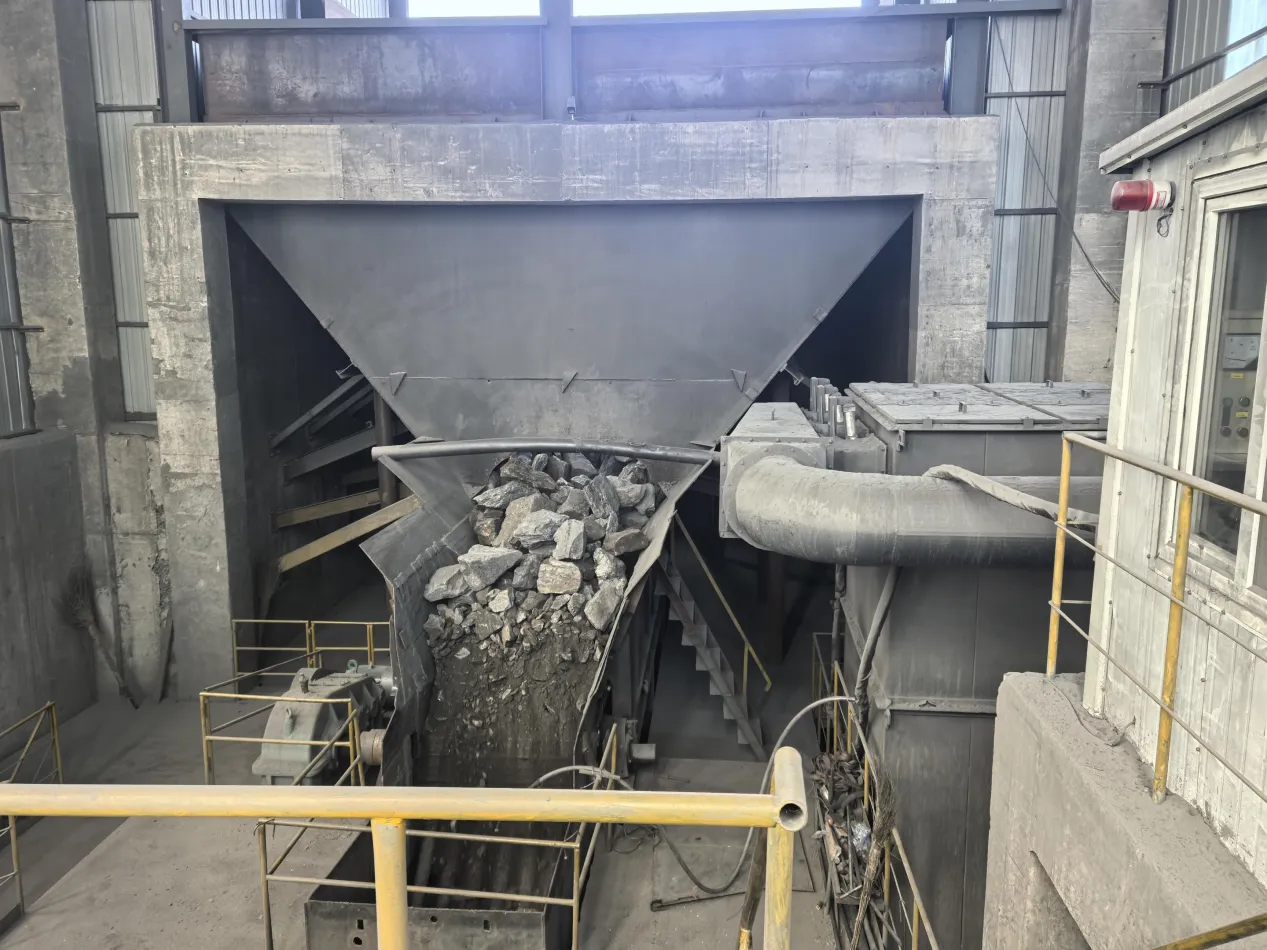
Natural flake graphite possesses excellent natural floatability, which is the foundation for the flotation process. The principle of flotation is straightforward: finely ground natural flake graphite ore is mixed with water to form a slurry. After adding flotation reagents, the surfaces of the graphite particles become hydrophobic, while gangue minerals such as quartz and feldspar remain hydrophilic. Air is introduced into the slurry to form bubbles; the hydrophobic natural flake graphite particles attach to these bubbles and rise to the surface of the slurry, forming a foam layer that is then scraped off by a rake to become concentrate, while the hydrophilic impurities remain in the slurry as tailings. The advantages of the flotation process lie in its high level of maturity, relatively simple equipment, and low energy consumption and costs; it is currently the standard process for nearly all natural flake graphite in industrial production.
The flotation of natural flake graphite is not completed in a single step but follows a “multi-stage grinding and multi-stage separation” process. This is because graphite flakes are tightly intergrown with gangue minerals; a single grinding stage cannot liberate all graphite particles, necessitating staged grinding and separation. A typical process is as follows: After crushing, the raw ore enters the first grinding stage. Once ground to a certain fineness, it undergoes roughing to produce rough concentrate and tailings; the rough concentrate then enters regrinding (the second grinding stage) to further break down any remaining intergrown particles, followed by scavenging; this process is repeated multiple times, with each grinding stage followed by a corresponding flotation stage. Some natural flake graphite ores require five rounds of regrinding and six or even eight rounds of concentration to raise the fixed carbon content from the teens to around 95 percent.
Three main reagents must be added during the flotation process: first, collectors, such as kerosene or diesel, which enhance the hydrophobicity of the natural flake graphite surface, making it easier for the particles to adhere to bubbles; second, foaming agents, such as pine oil (No. 2 oil), which stabilize the bubbles and enable them to form a sufficiently thick foam layer in the slurry; and third, inhibitors, such as water glass, which suppress the flotation of gangue minerals like quartz, thereby improving the concentrate grade. The dosage of these reagents must be precisely adjusted based on the properties of the ore and the fineness of grinding; insufficient dosage results in low recovery rates, while excessive dosage may inhibit graphite flotation or increase costs.
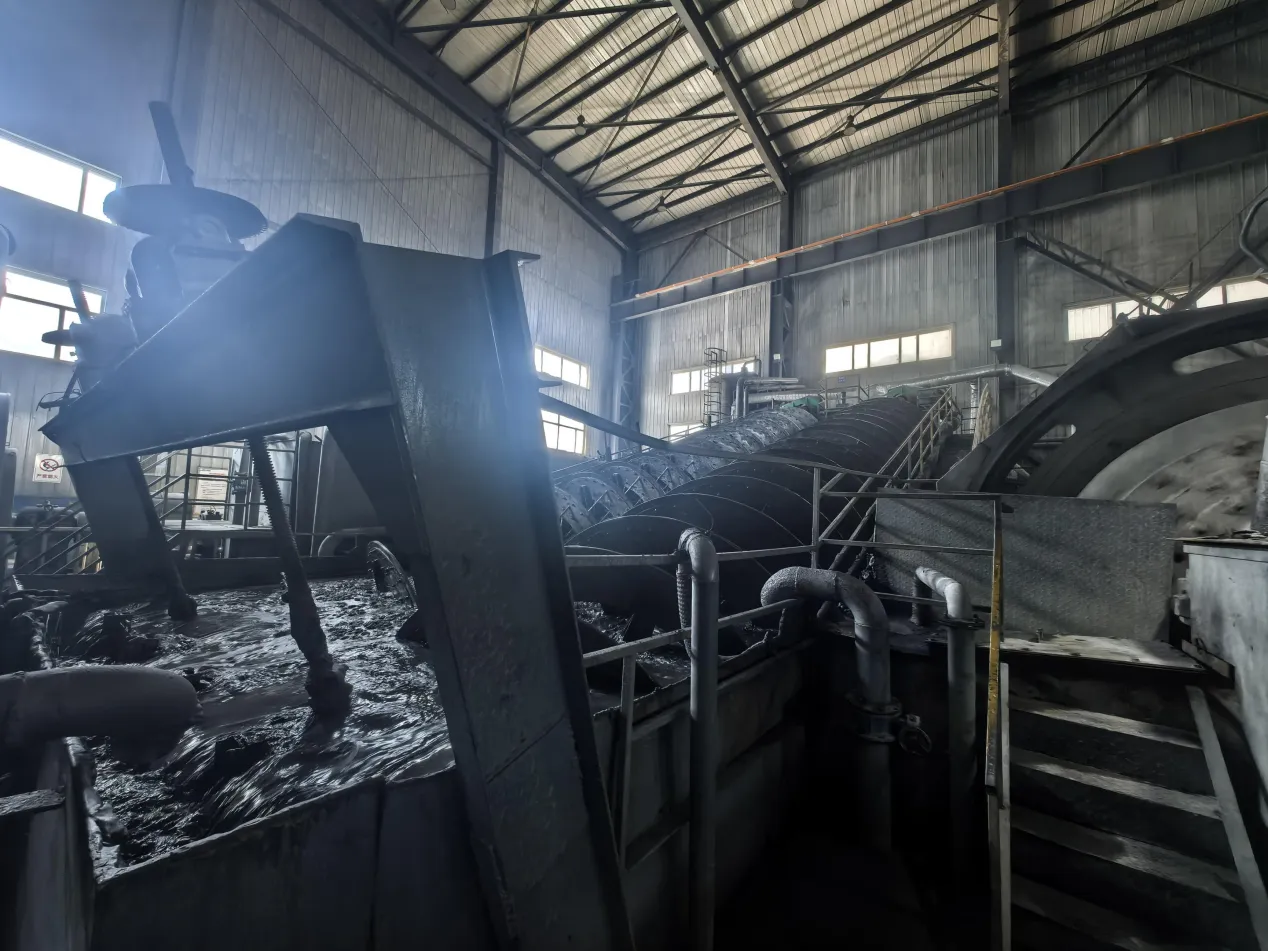
Grinding fineness is one of the most critical control parameters in the flotation process. The finer the grinding, the more thorough the liberation of graphite from gangue, and the higher the concentrate grade; however, excessive grinding can destroy the large-flake structure of natural flake graphite, reducing product value. In actual production, it is necessary to find a balance—ensuring sufficient liberation of individual graphite particles while minimizing damage to the flakes. For example, controlling the grinding fineness during the roughing stage not only yields higher grades and recovery rates but also allows room for subsequent regrinding and re-selection. For natural flake graphite with large flakes, gentler regrinding equipment, such as vertical agitator mills, is used to minimize damage to the flakes.
From low-grade raw graphite ore to high-carbon concentrate, the flotation process is the first step in the purification of natural flake graphite and a critical stage that determines product quality. Through multi-stage grinding and multi-stage separation, combined with precise reagent regimens and control of grinding fineness, the fixed carbon content of natural flake graphite can be increased from around 10–20 percent to over 95 percent. Our natural flake graphite products are manufactured in strict accordance with a well-established flotation process, ensuring consistent and controllable purity and particle size for every batch.
Copyright © 2026 by Qingdao Baohua New Materials Technology Co., Ltd.
| Privacy Policy