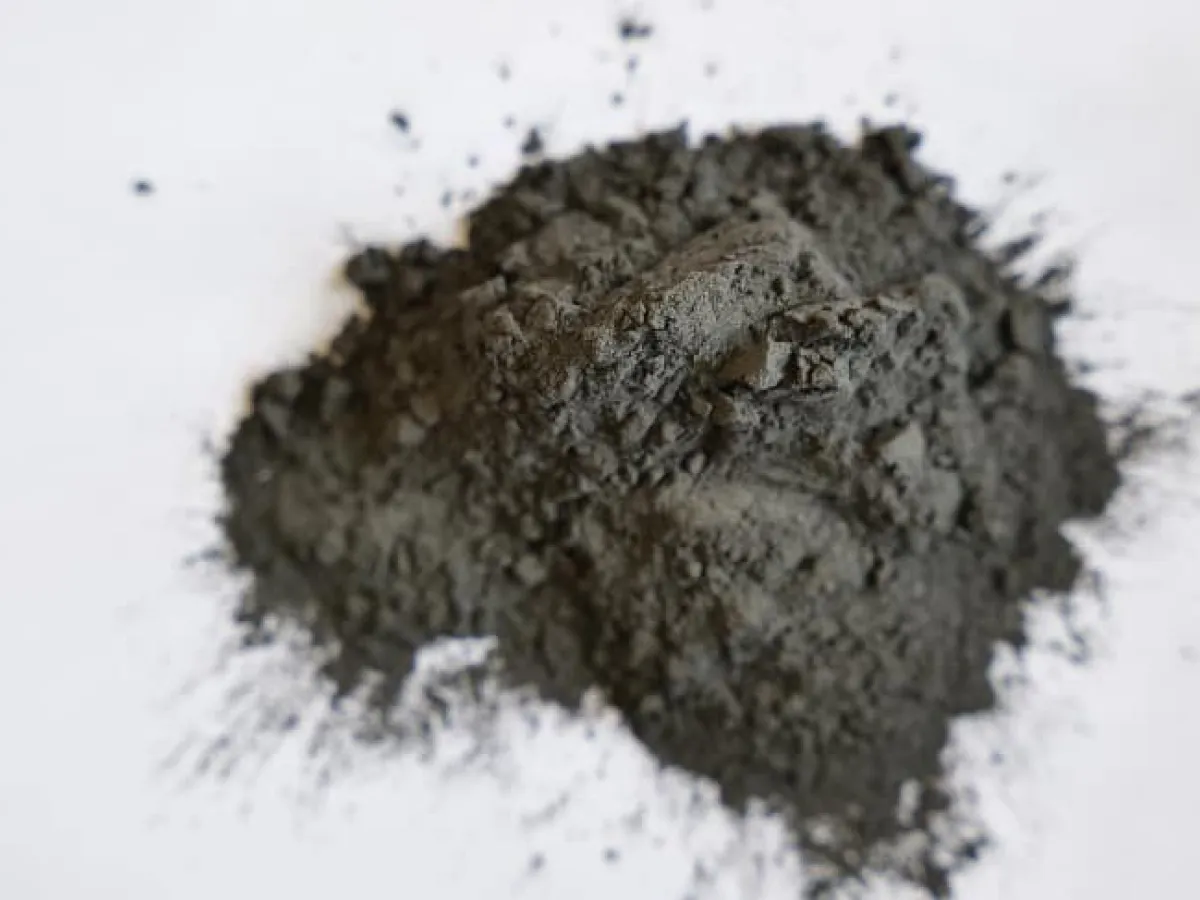
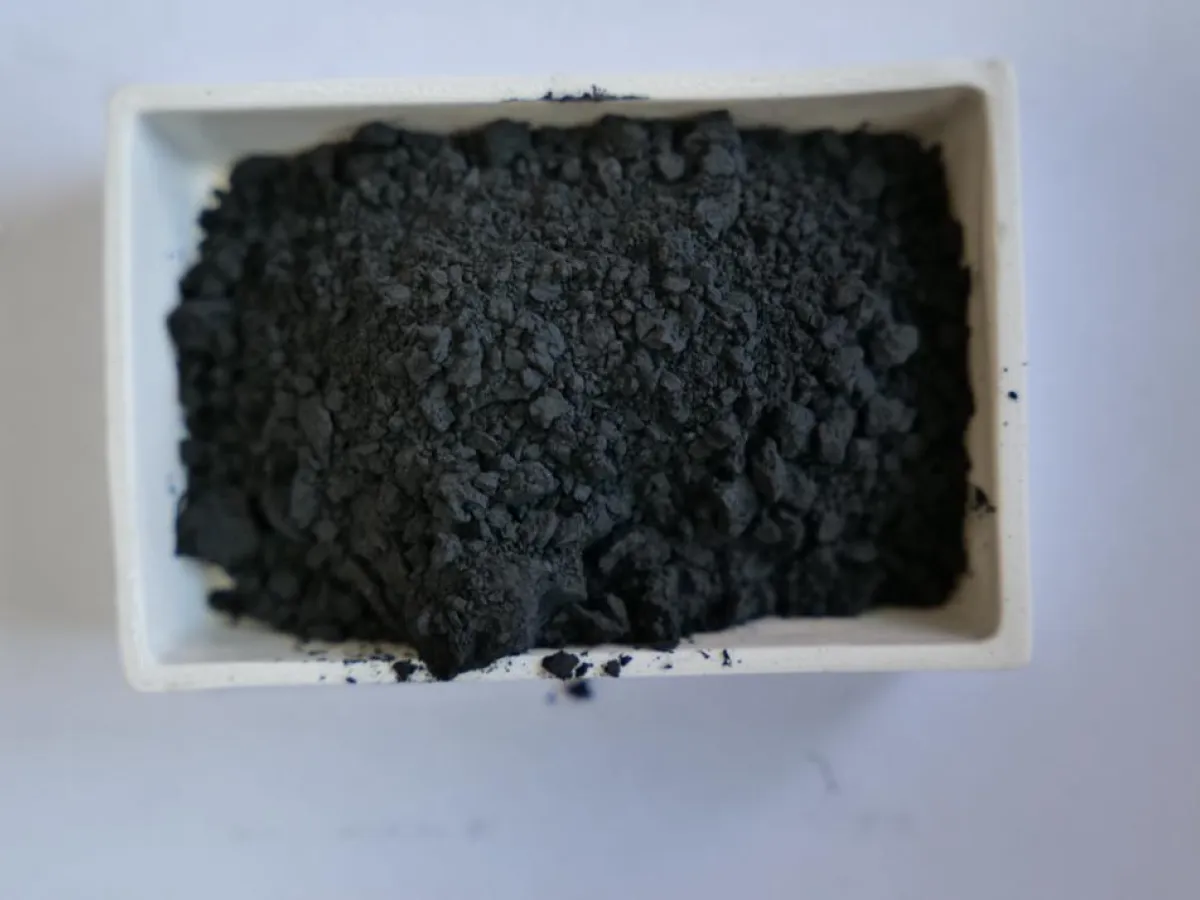
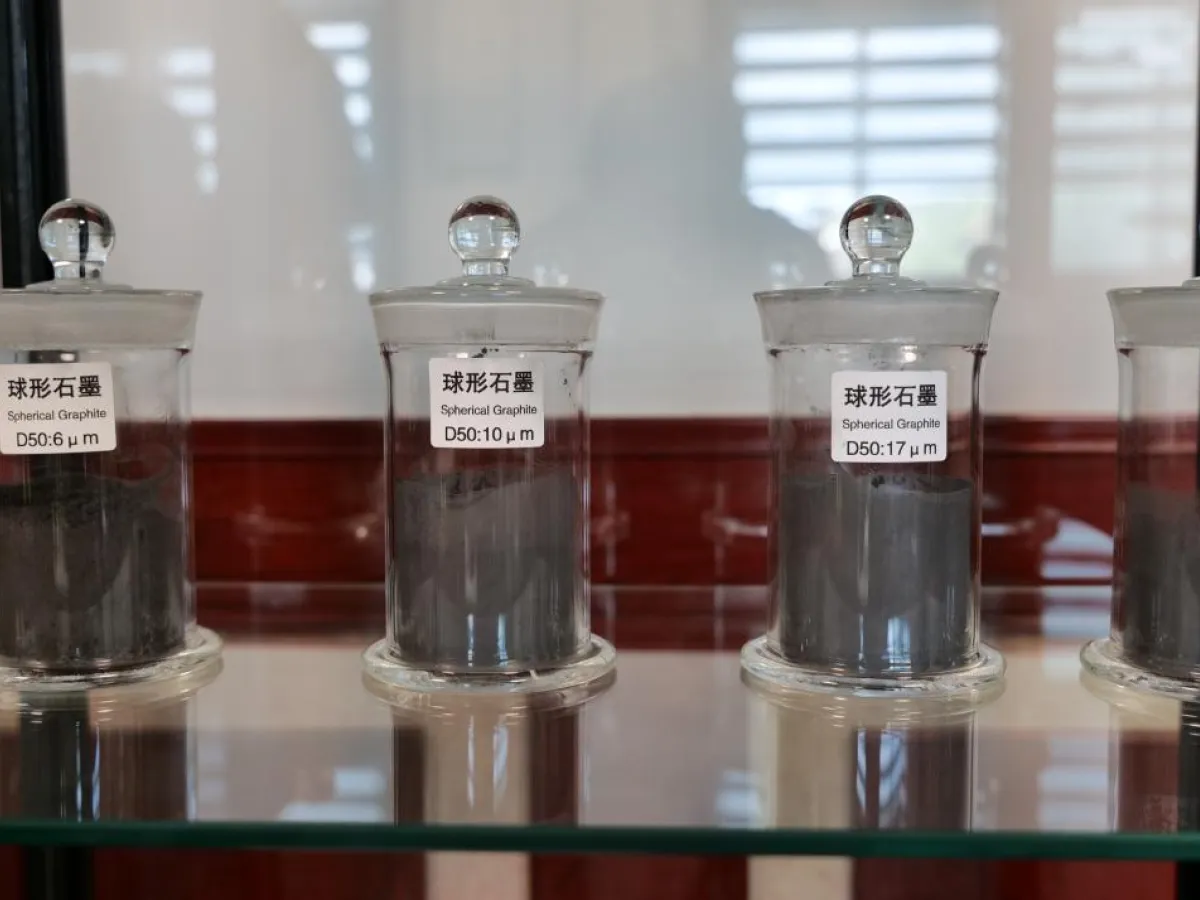
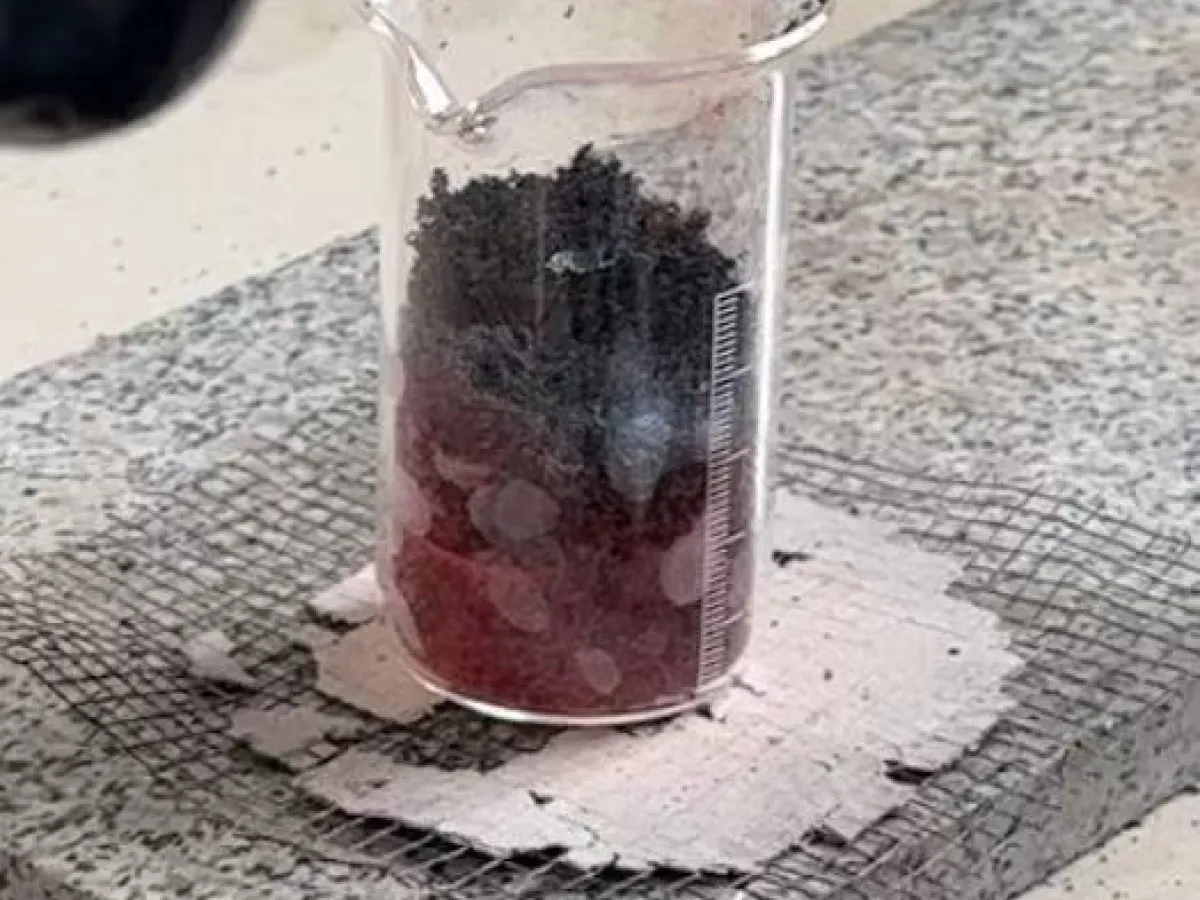
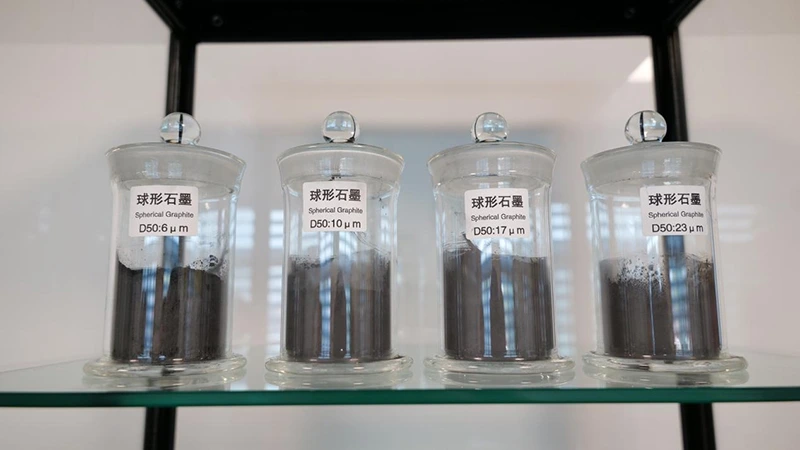
Spherical graphite is one of the most essential raw materials for lithium-ion battery anodes, but many people are unclear about what spherical graphite actually is and how it is produced. Simply put, spherical graphite is a spherical particle produced from high-purity flake graphite through processes such as crushing, shaping, and grading. As a spherical graphite manufacturer with an annual production capacity exceeding 60,000 metric tons, we will walk you through the complete processing journey from flake graphite to spherical graphite.
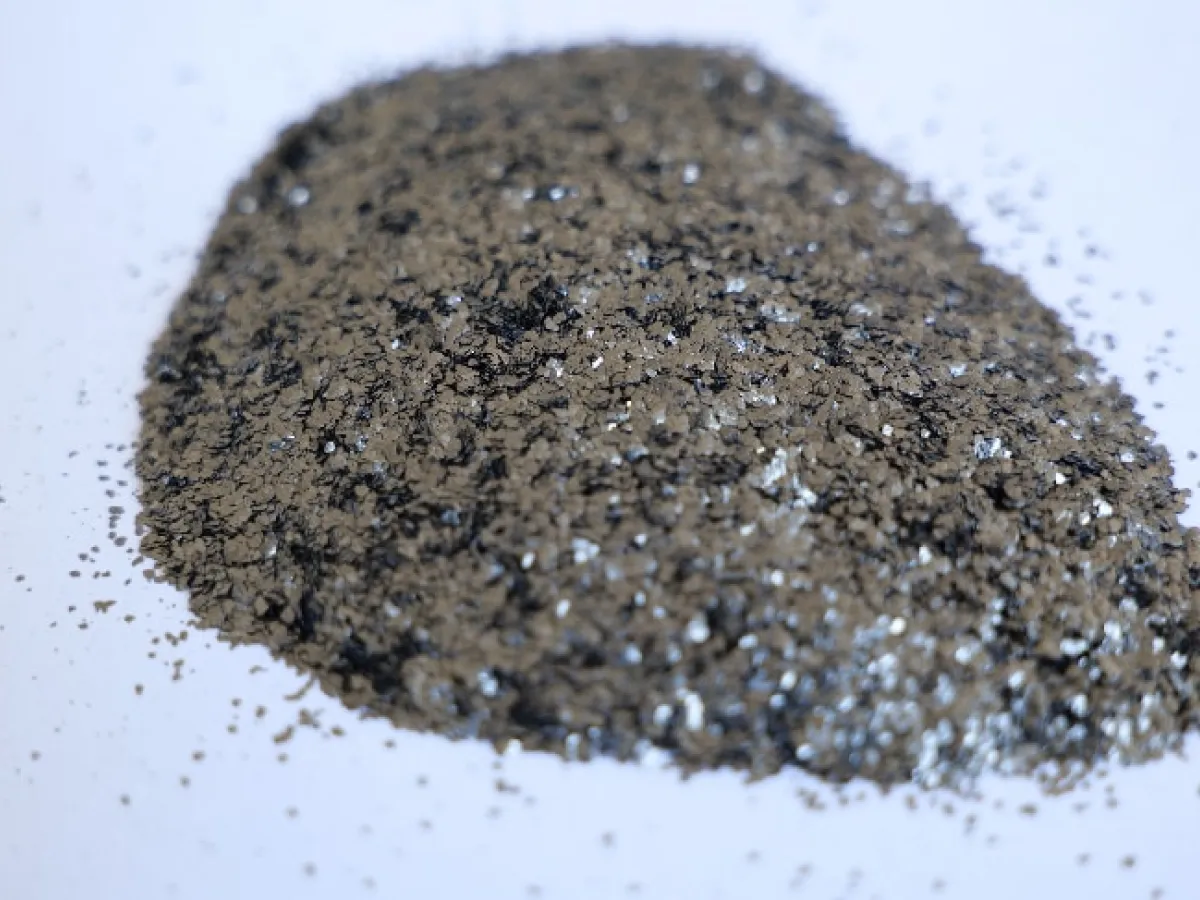
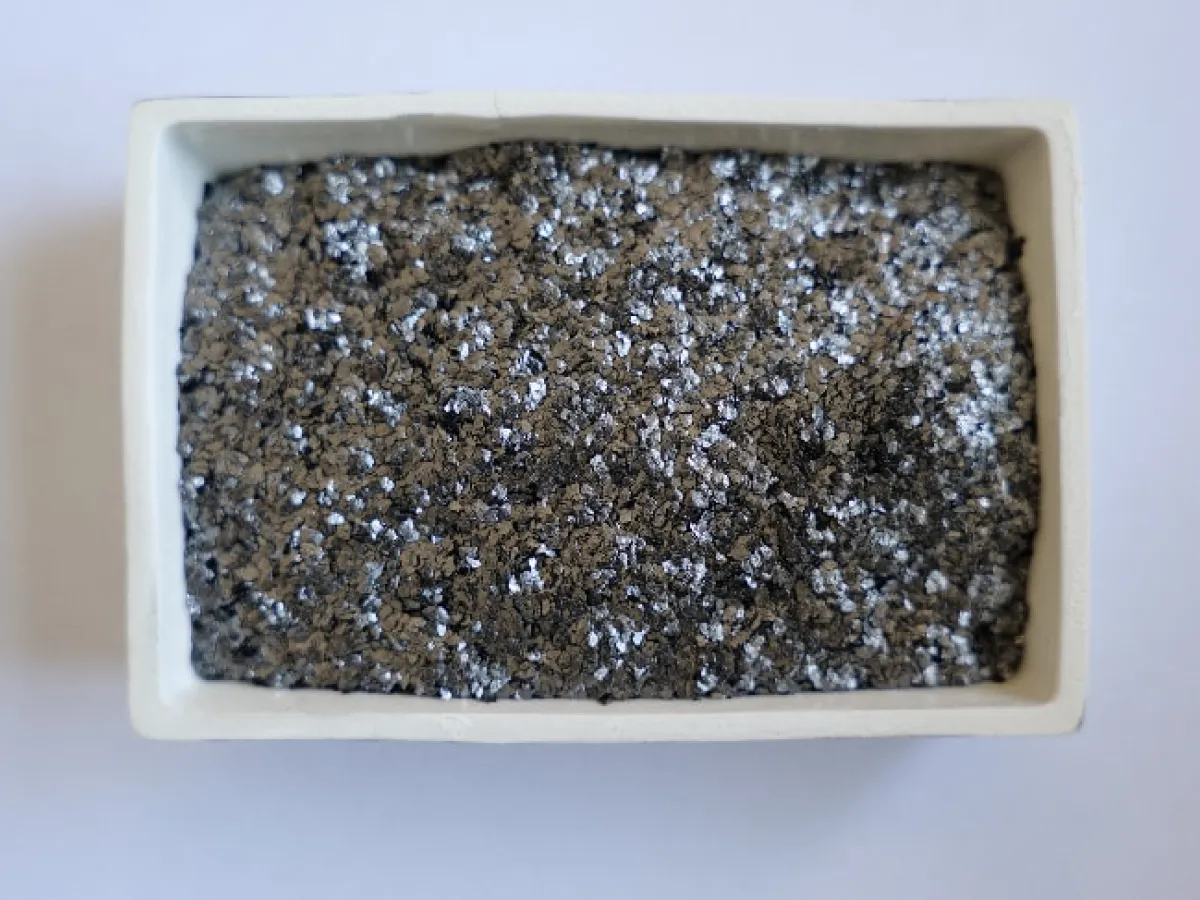
The raw material for spherical graphite is flake graphite. Flake graphite is extracted directly from natural ore and retains its original flake-like crystal structure. When producing spherical graphite, it is necessary to select high-purity flake graphite (typically with a fixed carbon content of 95% or higher), as the purity and crystal integrity of the raw material directly affect the final quality. Our flake graphite comes from our own mines, with an annual production capacity exceeding 120,000 metric tons, ensuring a stable supply of high-quality raw materials for spherical graphite production.
The first step in processing spherical graphite is crushing. The flake graphite is fed into a crushing machine, where mechanical force breaks down large flake graphite particles into smaller ones. The purpose of this step is to prepare the material for subsequent shaping. The particle size of the crushed flake graphite is significantly reduced, but it still retains an irregular flake-like or lump-like shape. The degree of crushing must be precisely controlled, as particles that are too large will affect the shaping results, while particles that are too small will reduce the yield.
The core step in spherical graphite processing is shaping. The crushed flake graphite particles are fed into an air vortex shaping device, where the impact and friction generated by high-speed airflow grind down the sharp edges of the particles, causing the irregular flake-shaped particles to gradually curl and round out, ultimately forming ellipsoidal to spherical particle shapes. The shaping process is the technical challenge in producing spherical graphite, as it directly determines the final product’s sphericity, tapped density, and specific surface area. Our spherical graphite production line employs a multi-stage shaping process to ensure uniform and consistent particle morphology.
The final steps in spherical graphite processing are classification and purification. The classification process uses an air classifier to precisely screen the shaped spherical graphite particles, collecting those within the specified particle size range. Particles that are too coarse are returned to the shaping process for further treatment, while those that are too fine are collected as by-products. After classification, further purification may be required based on customer needs to raise the fixed carbon content of the spherical graphite to 99.95% or higher, thereby meeting the stringent purity requirements for lithium-ion battery anodes.
The transformation from flake graphite to spherical graphite involves multiple processes, including crushing, shaping, classification, and purification. Flake graphite serves as the raw material, while spherical graphite is a value-added product; both share the same origin but differ in form and application. As a manufacturer producing both flake graphite and spherical graphite, we possess a complete industrial chain from ore to finished product.
Copyright © 2026 by Qingdao Baohua New Materials Technology Co., Ltd.
| Privacy Policy