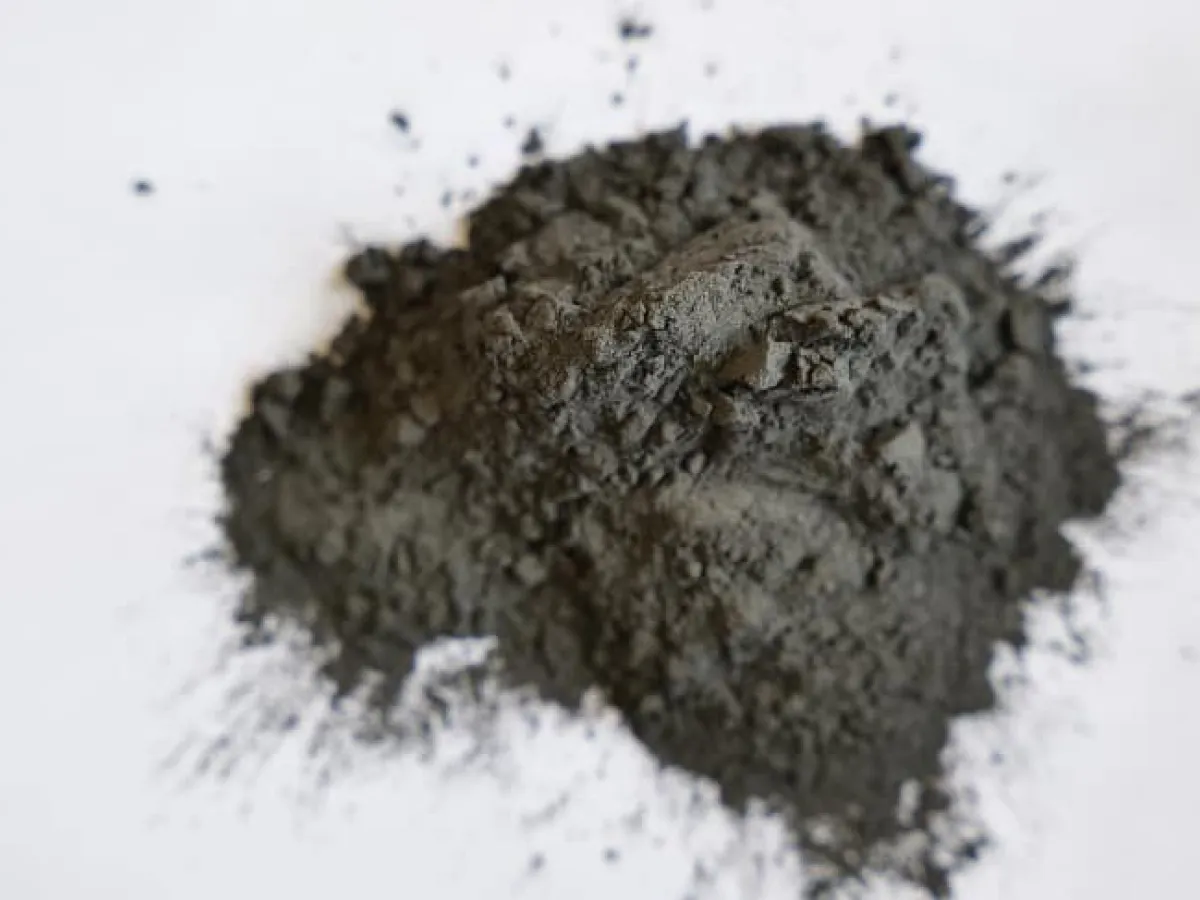
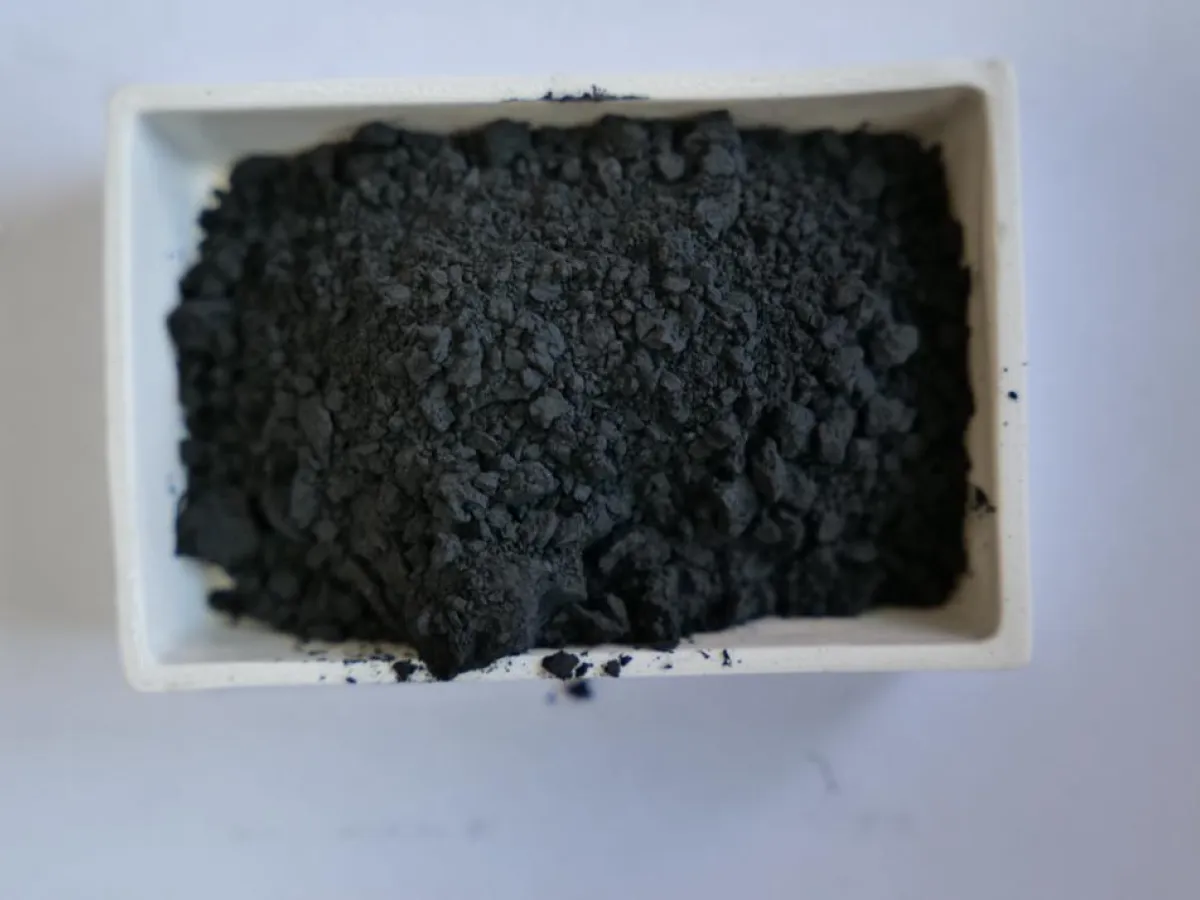
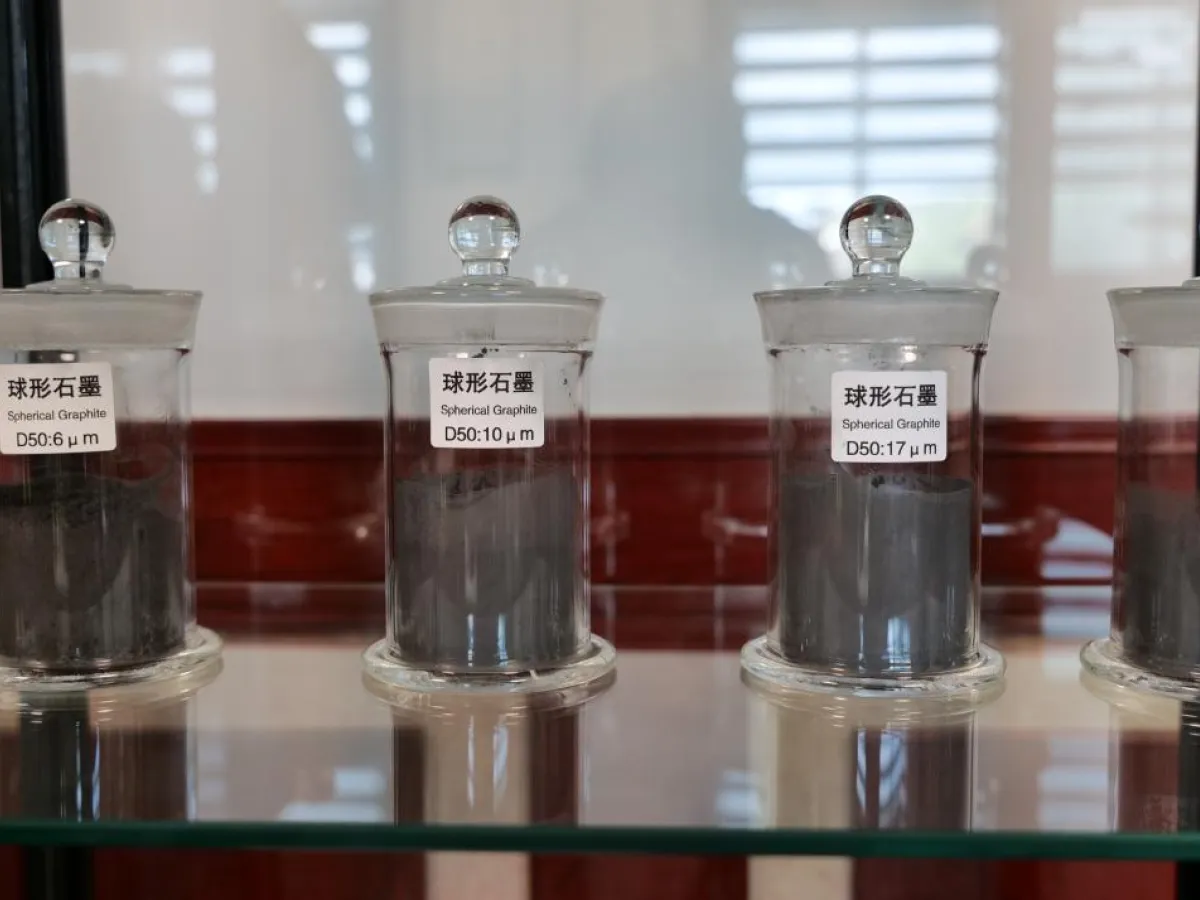
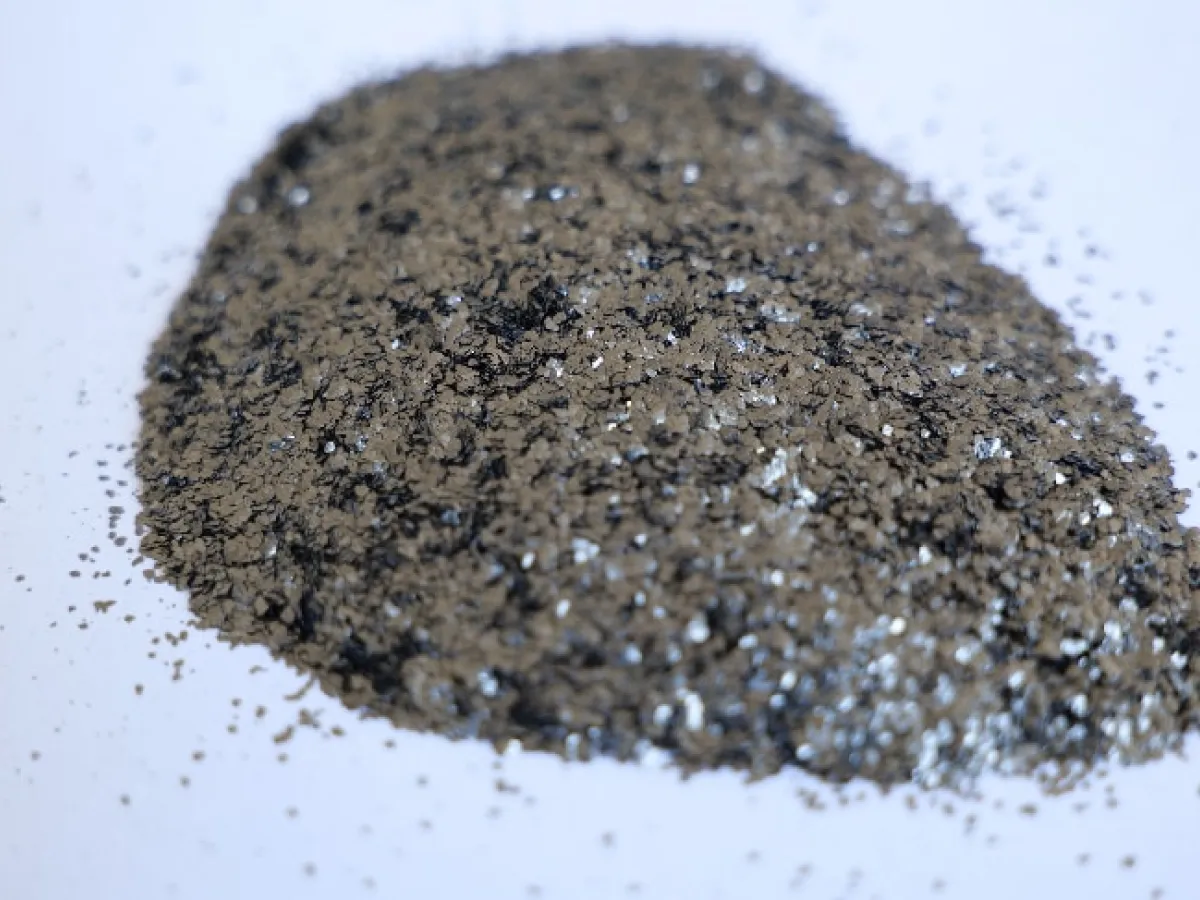
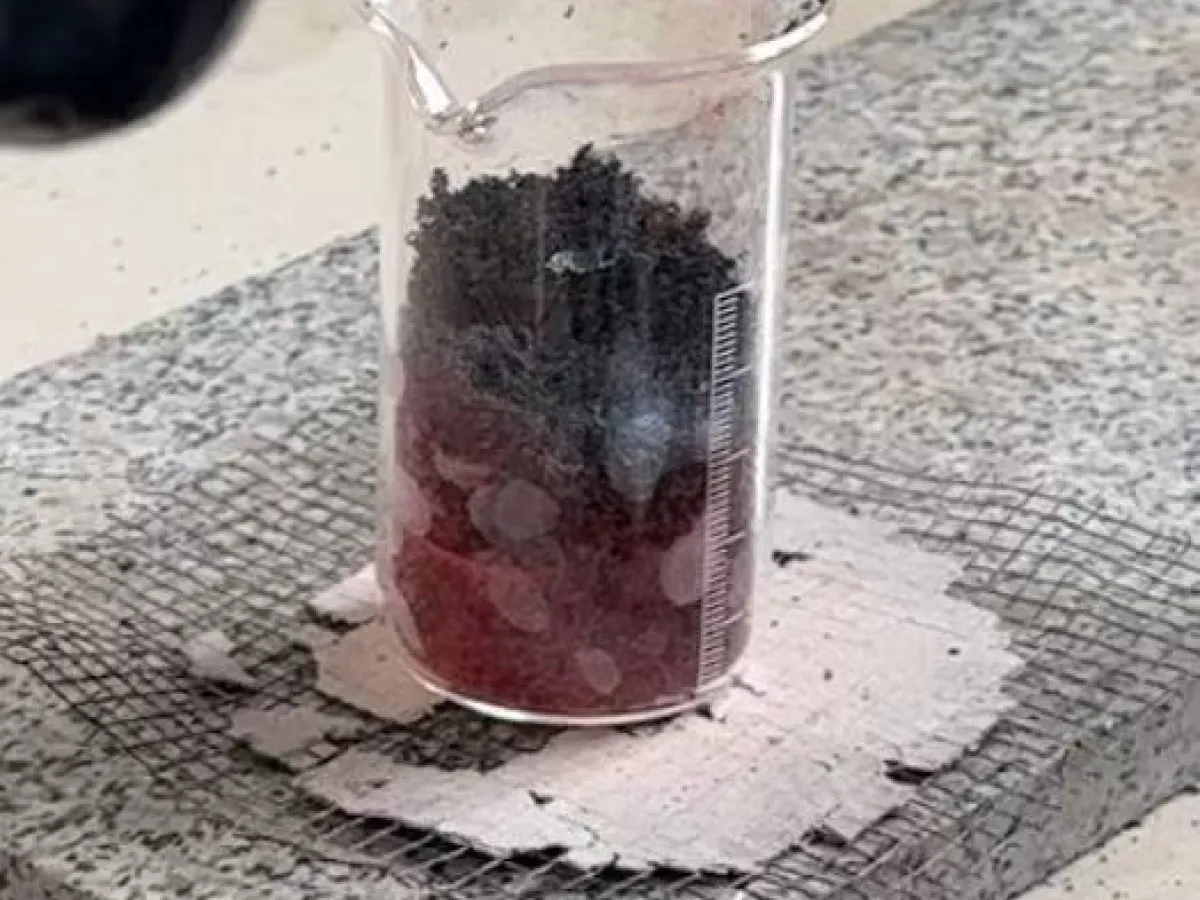
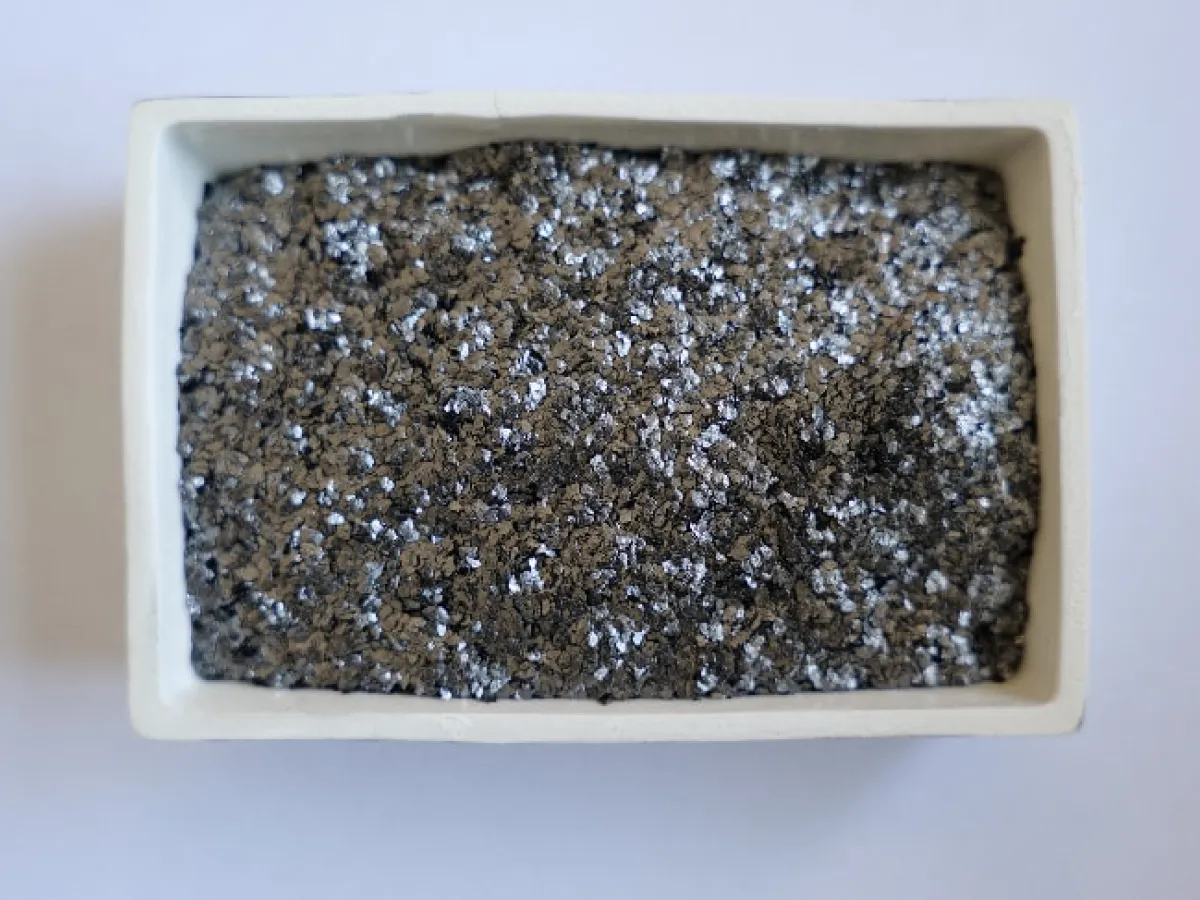
When evaluating the quality of spherical graphite, tapped density is one of the most frequently cited key indicators. But for non-technical personnel, what exactly is the tapped density of spherical graphite? Why does it directly affect the energy density of lithium-ion batteries? As a spherical graphite manufacturer with an annual production capacity exceeding 60,000 metric tons, we will start with the definition of tapped density to explain its relationship with battery performance.
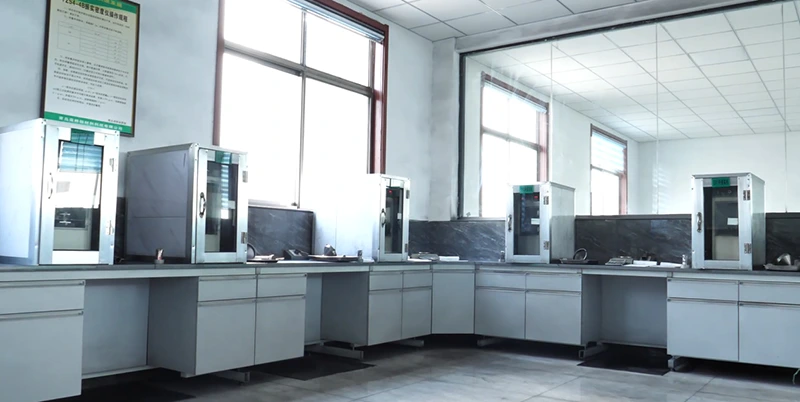
Simply put, the tapped density of spherical graphite refers to the bulk density measured after the spherical graphite powder is compacted under specific conditions, typically expressed in grams per cubic centimeter (g/cm³). The specific measurement method is as follows: a specific mass of spherical graphite is placed into a graduated cylinder and repeatedly vibrated using a vibrating device until the volume no longer changes; the tapped density value is then calculated by dividing the mass by the final volume. High-quality spherical graphite typically has a tapped density of 1.0 g/cm³ or higher, whereas ordinary graphite powder often has a tapped density of only 0.6–0.8 g/cm³.
The tapped density of spherical graphite directly affects the volumetric energy density of lithium-ion batteries. During the coating and calendering processes of the anode electrode, spherical graphite with a higher tapped density can accommodate more active material within the same volume of the electrode, meaning more lithium ions can be intercalated. For electric vehicles, this means that the same battery pack volume can store more electrical energy, which directly translates to a longer driving range. Therefore, designers of high-energy-density batteries always prioritize spherical graphite with a higher tapped density.
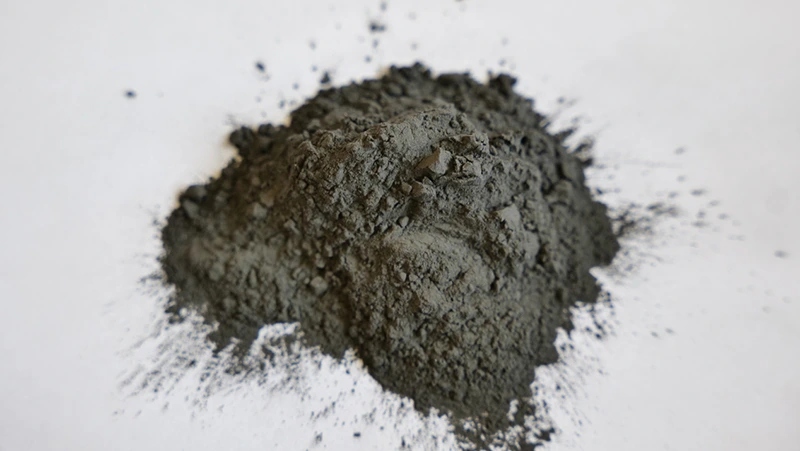
The tapped density of spherical graphite is determined by a combination of factors. First is particle sphericity—the higher the sphericity of spherical graphite, the easier it is for particles to slide past one another and pack tightly, naturally resulting in a higher tapped density. Second is particle size distribution—when a mixture contains both larger and smaller particles, the smaller particles can fill the voids between the larger ones, further enhancing the tapped density. This is why high-quality spherical graphite requires precise control of particle size distribution (D50) and the width of that distribution. As a professional manufacturer of spherical graphite, we use multi-stage shaping and precision classification processes to optimize the particle size profile while ensuring high sphericity, thereby ensuring that the tapped density consistently meets specifications.
Although tapped density is crucial for energy density, it should not be the sole criterion for selection. Excessively high tap density can sometimes be accompanied by an insufficient specific surface area, leading to inadequate lithium-ion insertion pathways and compromising rate performance. Conversely, while an excessively high specific surface area may facilitate fast charging, it consumes more electrolyte and reduces the initial coulombic efficiency. High-quality spherical graphite requires a balance among tap density, specific surface area, particle size distribution, and sphericity. Our technical team will recommend the most suitable combination of spherical graphite specifications based on the customer’s specific battery design (high-energy-density or high-power type).
Tapped density determines how much electrical energy can be stored within a limited space and is a key parameter affecting the volumetric energy density of lithium-ion batteries. Understanding the significance of tapped density and its influencing factors helps procurement and technical personnel better evaluate the quality of spherical graphite and provides an important basis for battery design and selection.
Copyright © 2026 by Qingdao Baohua New Materials Technology Co., Ltd.
| Privacy Policy