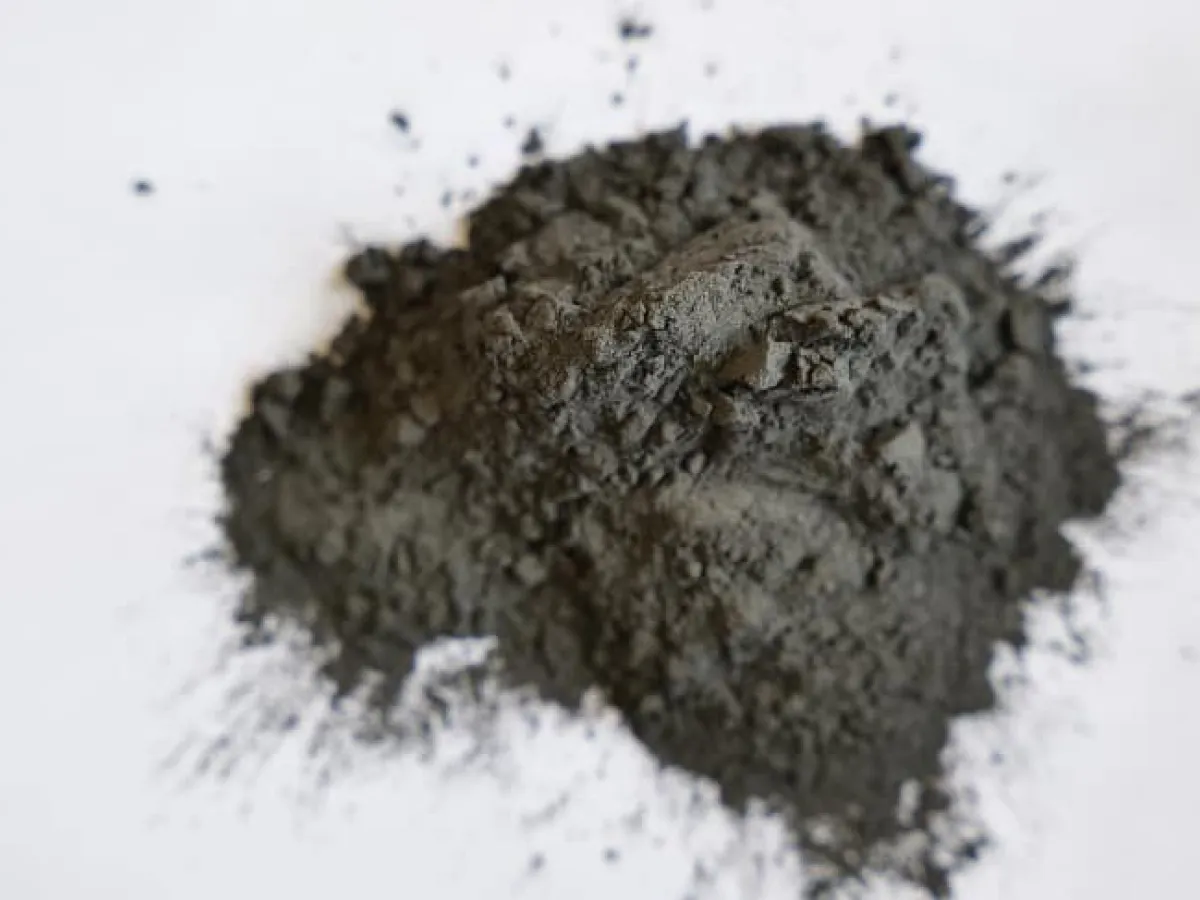
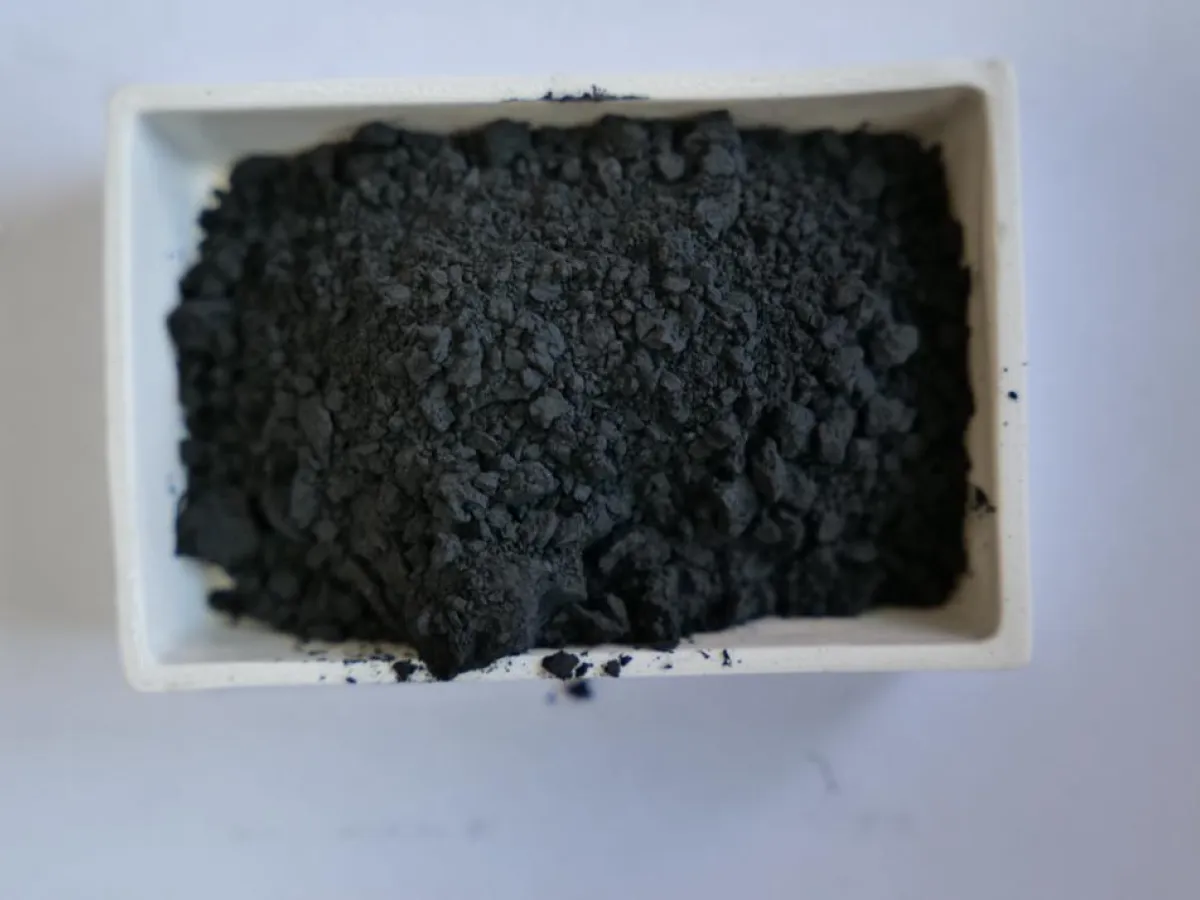
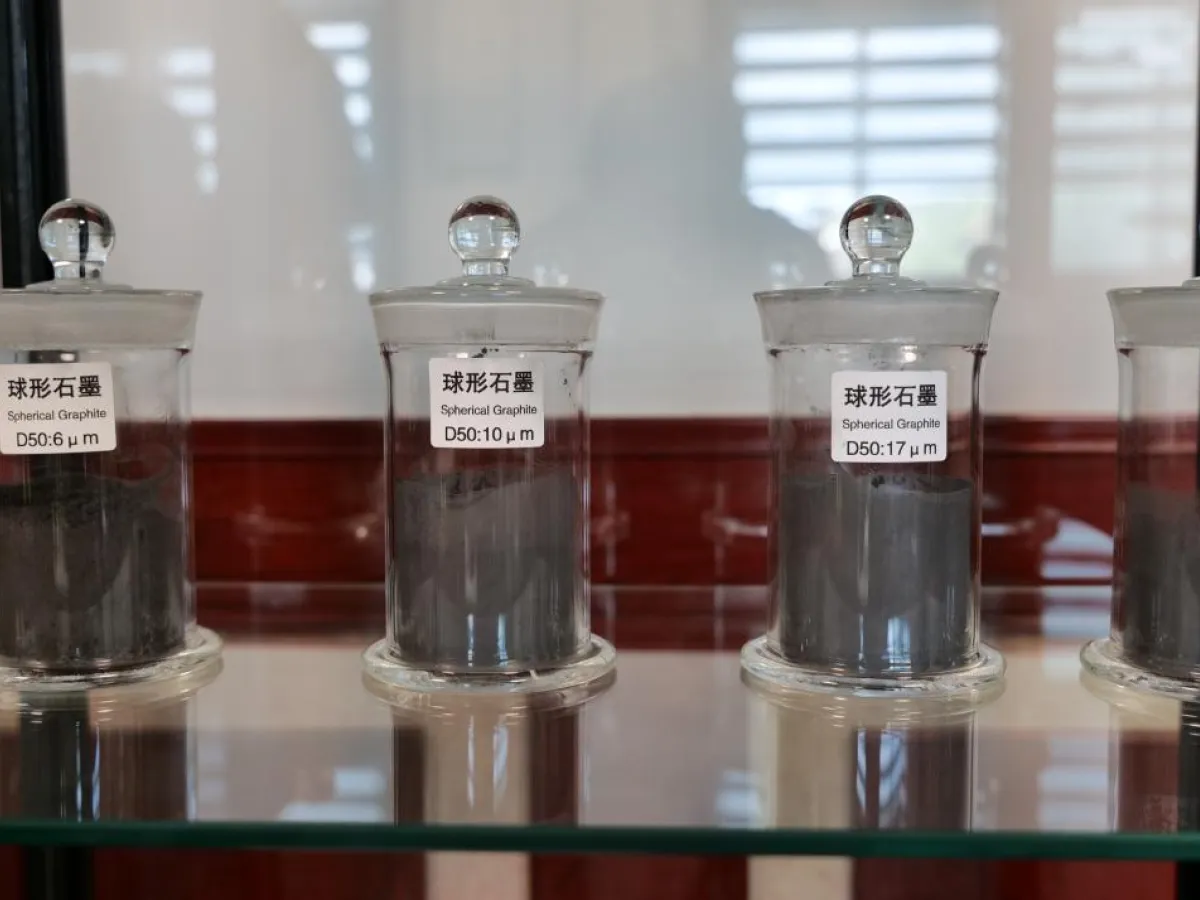
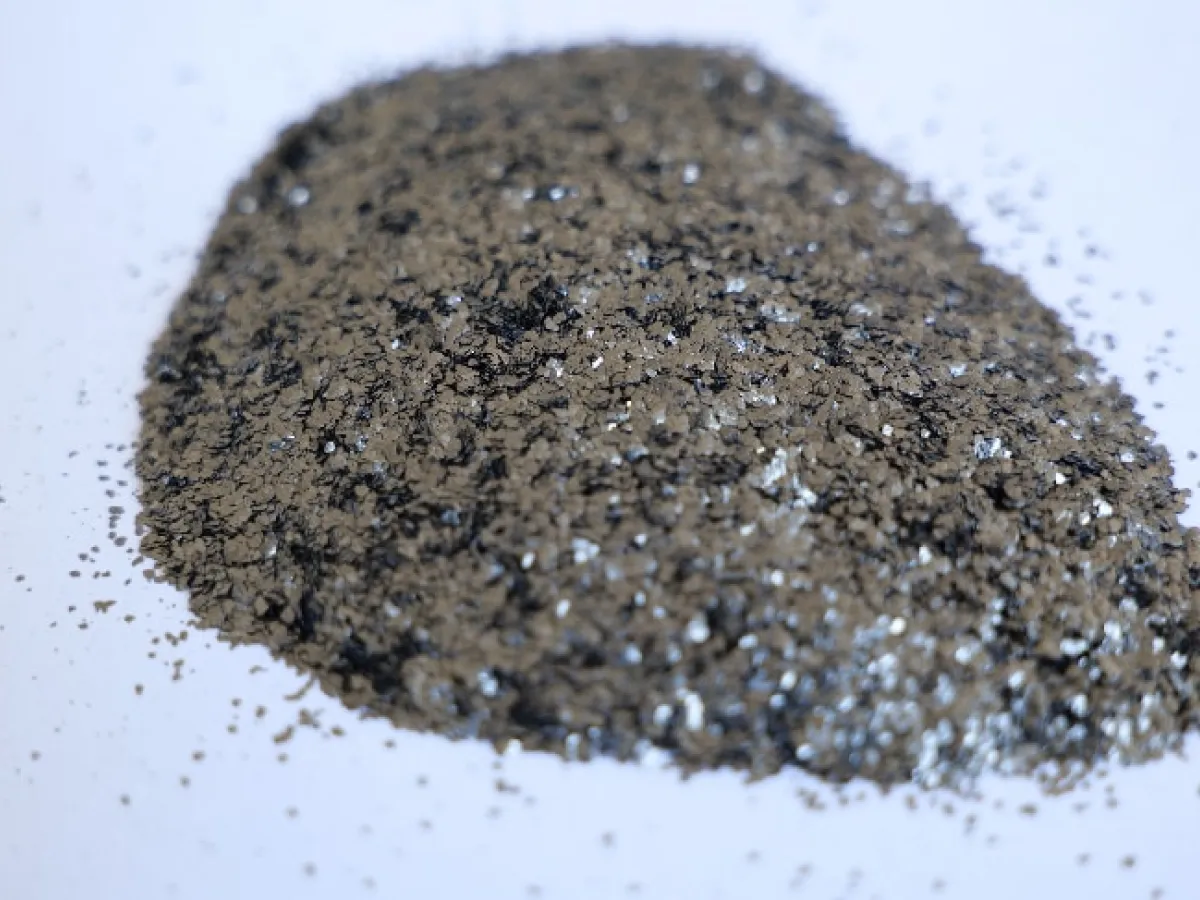
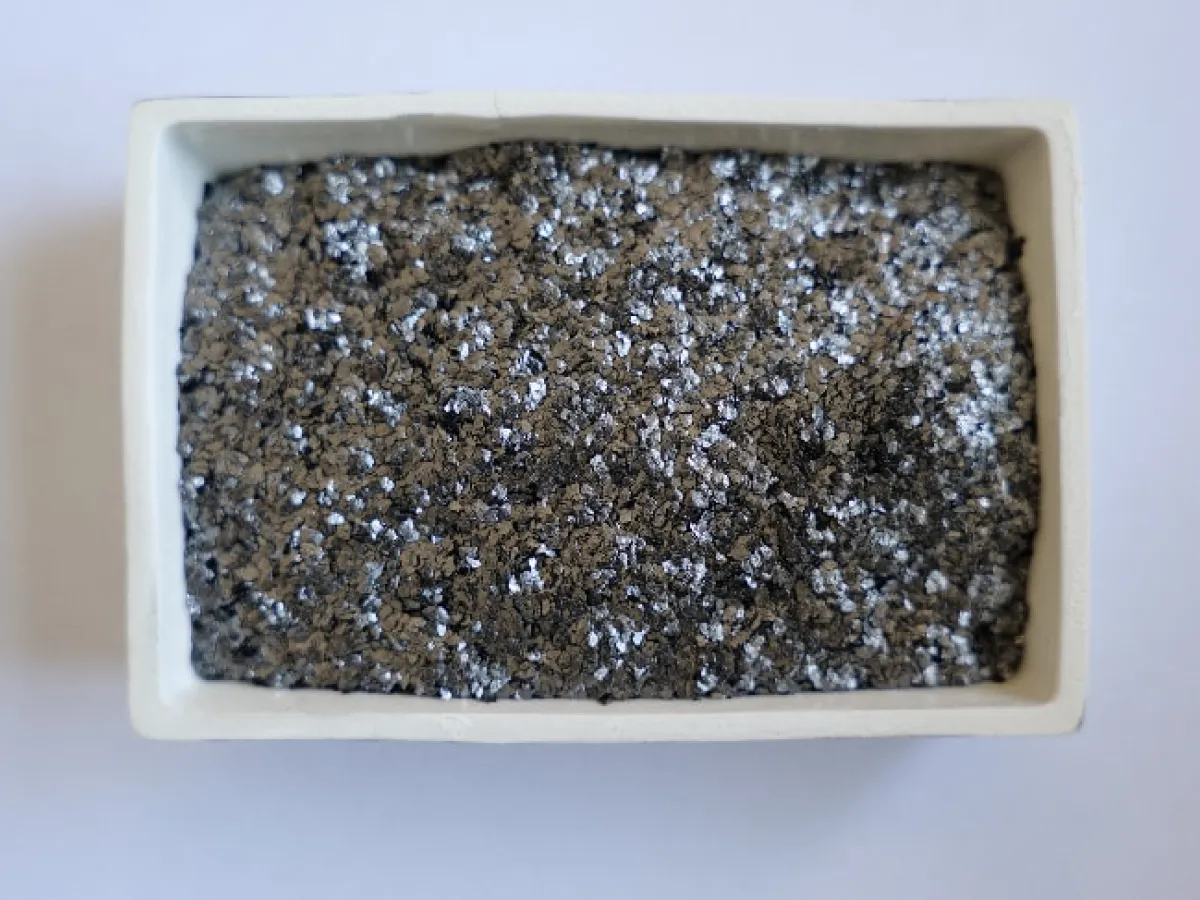
Expandable graphite is a key raw material for the production of high-performance sealing materials and is widely used in dynamic and static sealing applications across industries such as petroleum, chemicals, power generation, shipbuilding, automotive, and aerospace. After undergoing high-temperature expansion treatment, expandable graphite can be directly pressed into graphite sheets, sealing gaskets, and packing rings, or it can be laminated with a metal skeleton to produce reinforced sealing products. These sealing products are capable of long-term, stable operation under harsh conditions such as high temperatures, high pressures, and severe corrosion.
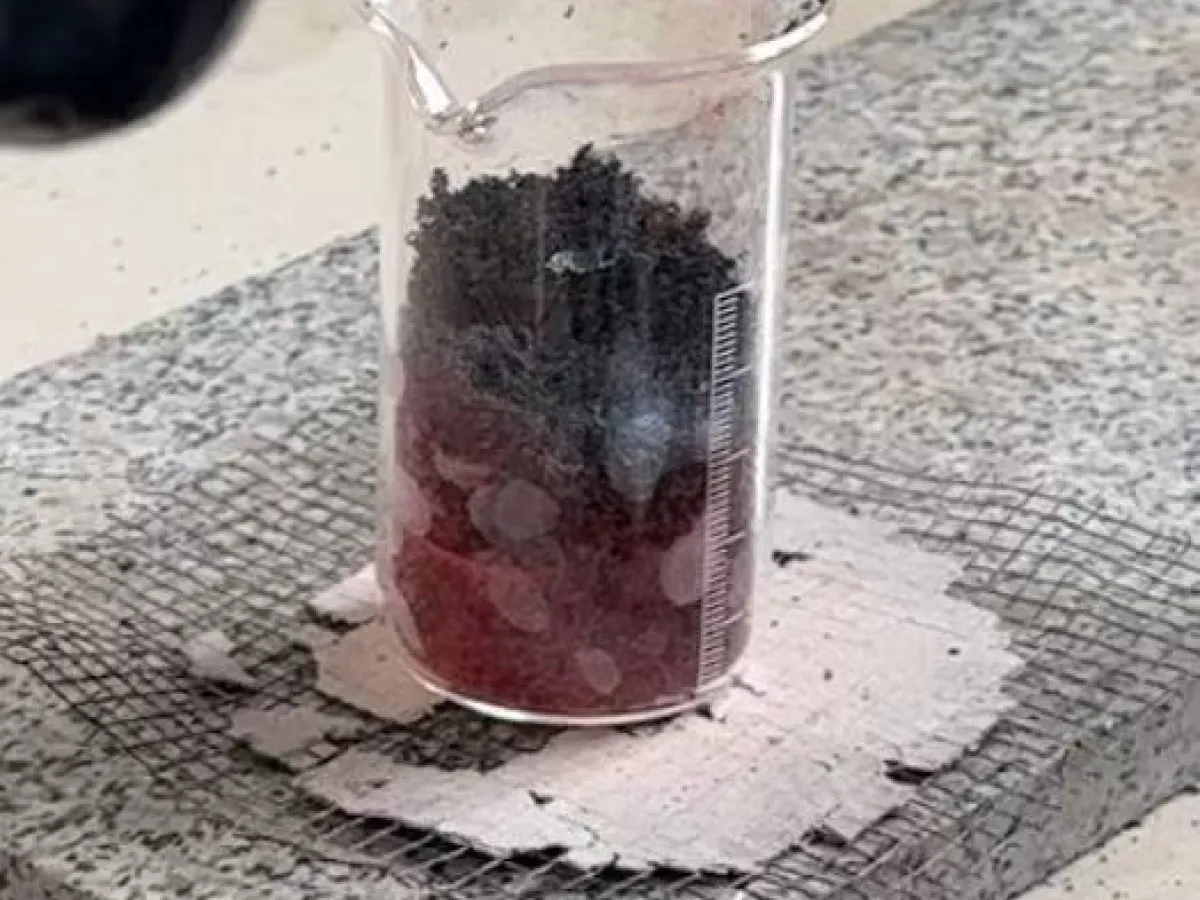
After high-temperature expansion, the flake-like particles of expandable graphite transform into worm-like shapes, expanding 100 to 400 times in volume to form loose, porous expanded graphite. Expanded graphite retains the properties of natural graphite, offering excellent formability, flexibility, ductility, and sealing performance. It can be directly pressed into flexible graphite sheets, rolls, or molded seals without the need for binders. The core advantages of flexible graphite sealing products lie in their excellent compression recovery, high-temperature resistance, and corrosion resistance.
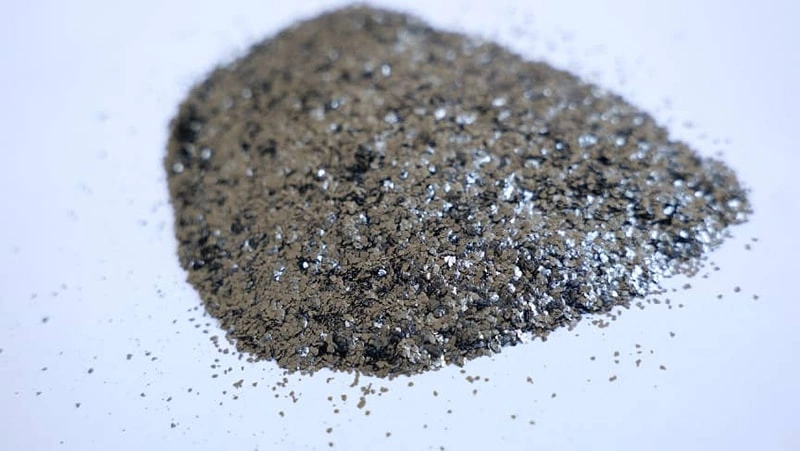
For applications requiring high mechanical strength, such as high-pressure pipelines and flange seals, flexible graphite can be laminated with metal reinforcement layers—such as stainless steel—to produce high-strength graphite gaskets. This structure involves laminating expanded graphite onto the surface of a punched stainless steel sheet, thereby retaining the superior sealing performance of expanded graphite while enhancing overall rigidity and pressure resistance. These gaskets are suitable for temperatures ranging from -200°C to +850°C and pressures ranging from 0 to 40 MPa, and are widely used for sealing equipment such as heat exchangers, pumps, valves, pressure vessels, and diesel engine cylinders.
Expandable graphite also plays a critical role in the field of fire-resistant sealing. By mixing and vulcanizing expandable graphite with a rubber matrix and inorganic flame retardants, expandable sealing strips can be produced for use in building components such as fire doors and fire-resistant glass windows. These sealing strips block smoke flow at room temperature; in the event of a fire, the expandable graphite rapidly expands to fill gaps, providing effective fire and smoke containment throughout the entire process. In addition, there are sealing configurations that use fiberglass tape as a carrier and adhesive to secure the expandable graphite; these are primarily used for fire door seals and must be used in conjunction with room-temperature sealants.
Thanks to its excellent compression recovery, high-temperature resistance, and corrosion resistance after expansion at high temperatures, expandable graphite has become a key raw material in the field of modern industrial sealing. From flexible graphite sealing sheets to metal-reinforced composite gaskets and fire-resistant sealing strips, expandable graphite plays an irreplaceable role in numerous industries, including petrochemicals, nuclear power, shipbuilding, and building fire protection.
Copyright © 2026 by Qingdao Baohua New Materials Technology Co., Ltd.
| Privacy Policy