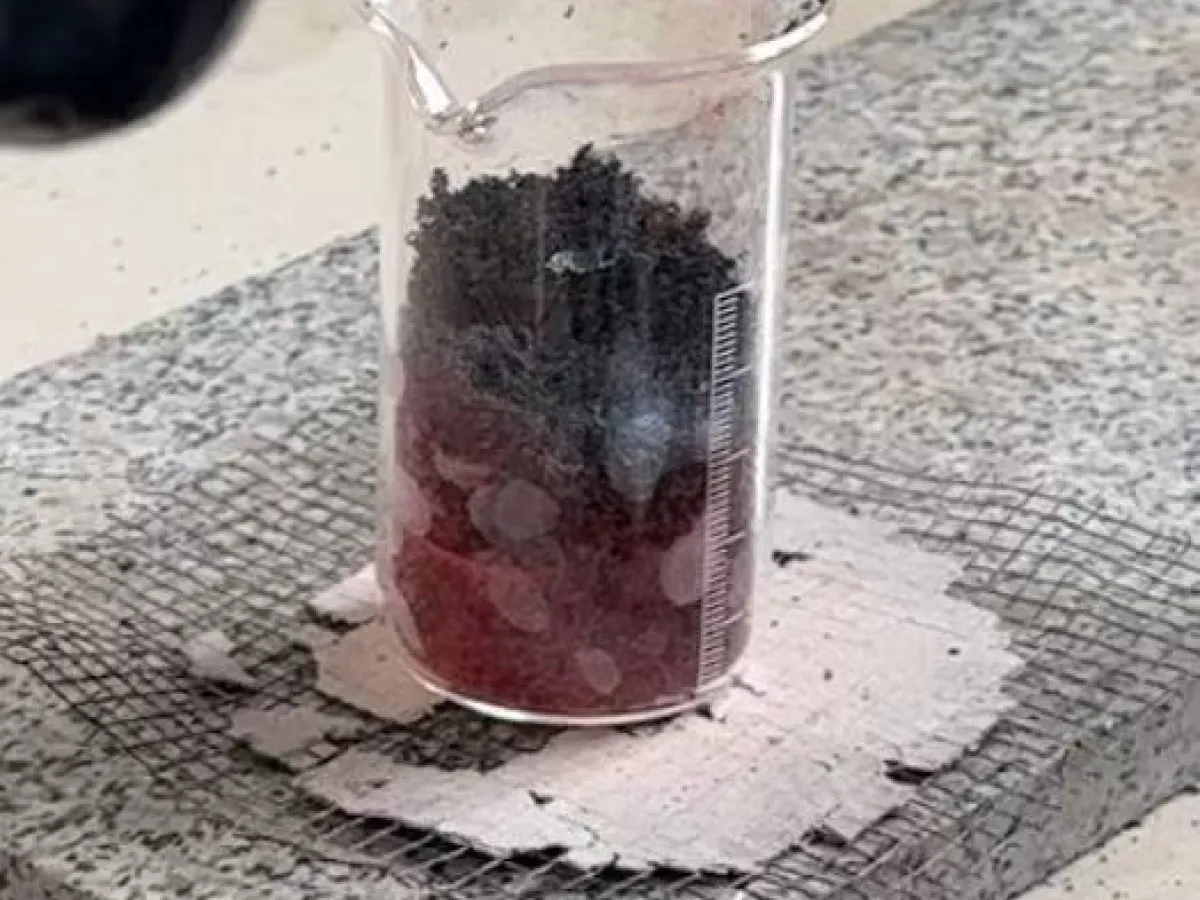
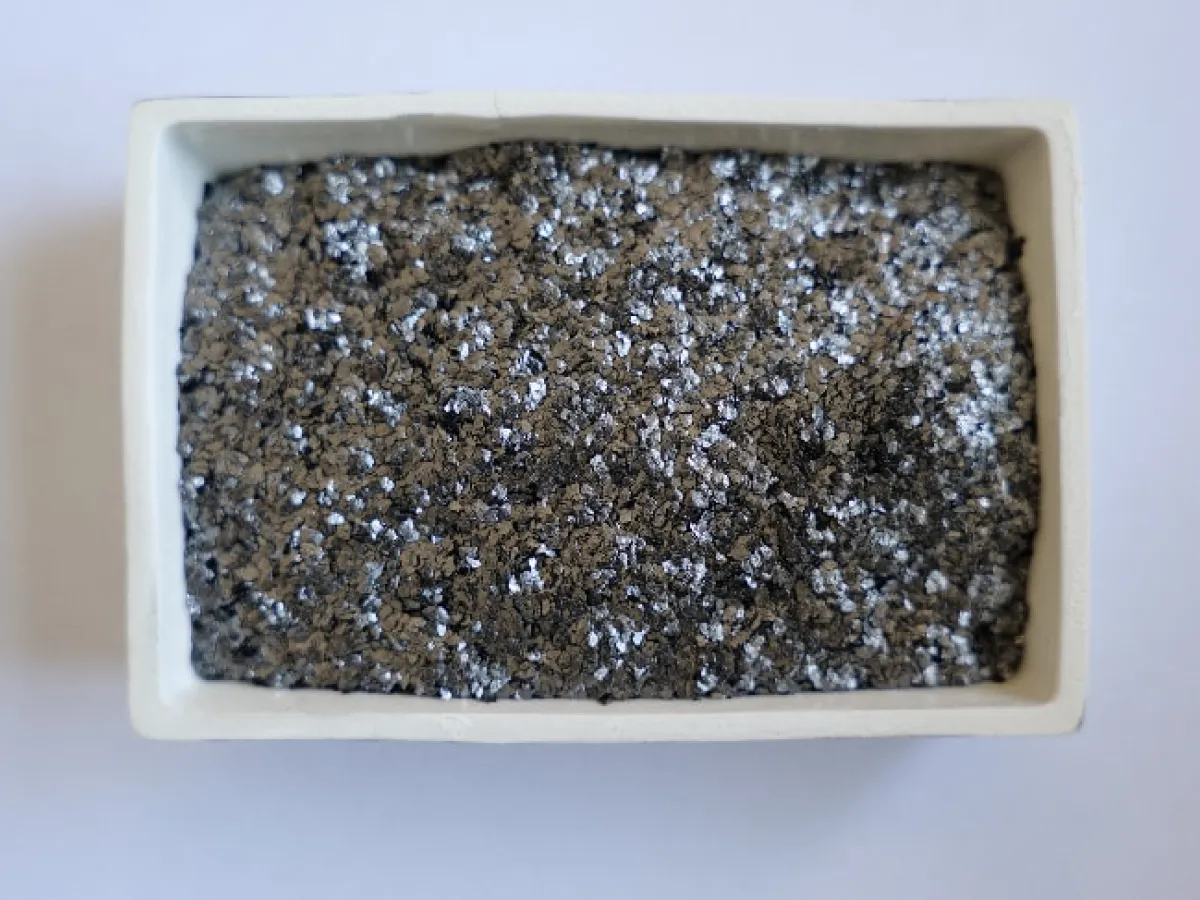
When purchasing expandable graphite, the expansion ratio is one of the most critical technical specifications. The expansion ratio of expandable graphite is typically measured in milliliters per gram (mL/g), representing the volume of one gram of expandable graphite after expansion at high temperatures. The expansion ratios of expandable graphite available on the market range from 60 mL/g to 450 mL/g, with different ratios corresponding to different application scenarios and price points. So, how should you select the expansion ratio for expandable graphite? This article will provide guidance on product selection based on three factors: mesh size, sulfur content, and initial temperature.
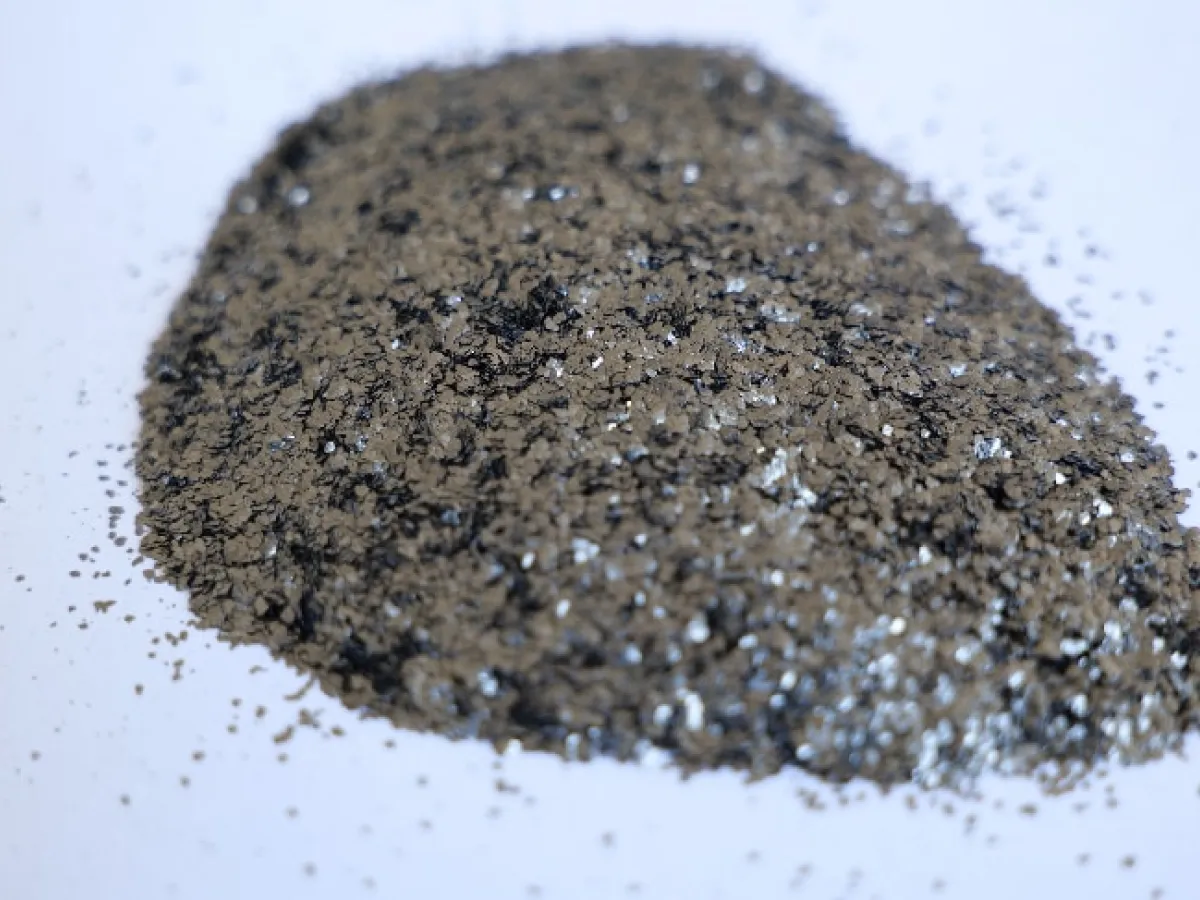
The expansion ratio of expandable graphite is directly related to the mesh size of its raw material, flake graphite. Generally, the coarser the particle size of the expandable graphite, the higher its expansion ratio. 32-mesh expandable graphite can achieve an expansion ratio of 200–400 mL/g; 50-mesh ranges from 200–350 mL/g; 80-mesh ranges from 150–250 mL/g; while 100-mesh and 150-mesh drop to 100–200 mL/g and 100–120 mL/g, respectively. Academic research has also confirmed this pattern: expandable graphite prepared from flake graphite with a particle size greater than 420 μm can achieve an expansion ratio of up to 750 mL/g, whereas when the particle size decreases to 95–85 μm, the expansion ratio is only about 110 mL/g. Therefore, when selecting expandable graphite, the appropriate mesh size must be determined based on the target expansion ratio—coarse mesh sizes (such as 32 mesh and 50 mesh) are suitable for applications requiring high expansion ratios, while fine mesh sizes (such as 100 mesh and 150 mesh) are suitable for scenarios where expansion ratios are not critical.
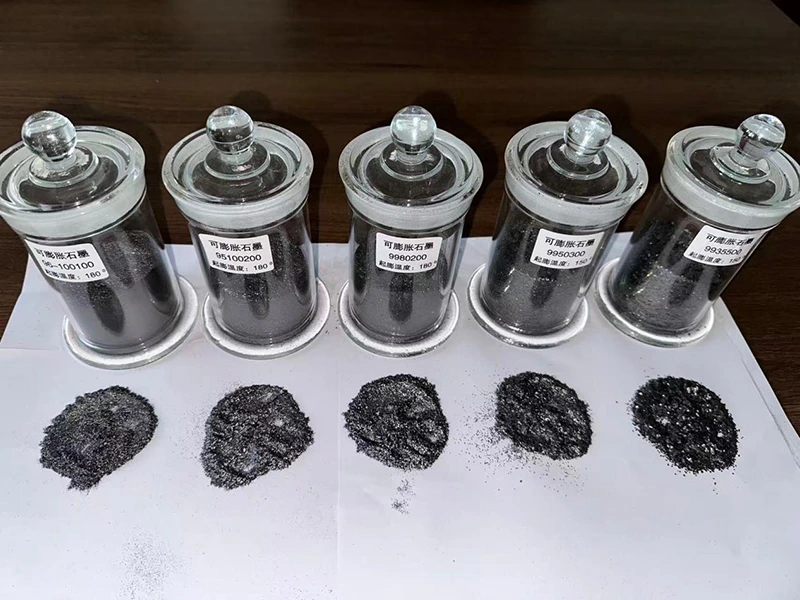
In addition to mesh size, the sulfur content and initial expansion temperature of expandable graphite also influence product selection and cost. Standard expandable graphite has a sulfur content of ≤2.5%, while ultra-low-sulfur types have a sulfur content of ≤0.02%. Low-sulfur expandable graphite offers significant advantages in corrosion-sensitive fields such as electronics and nuclear power, but it is typically more expensive. Furthermore, the initial expansion temperature of expandable graphite is categorized into three ranges: low-temperature type (80–150°C), medium-temperature type (150–240°C), and high-temperature type (approximately 300°C). Low-temperature expandable graphite expands at lower temperatures and is suitable for applications requiring a rapid response in the early stages of a fire, such as fire-retardant coatings and flame-retardant sealants; high-temperature types, on the other hand, are suitable for applications requiring higher thermal stability.
The selection of the expansion ratio for expandable graphite requires a comprehensive consideration of mesh size, sulfur content, and initial expansion temperature. Coarser mesh sizes (32 mesh, 50 mesh) provide higher expansion ratios (200–400 mL/g) and are suitable for applications requiring large expansion volumes, such as fire protection and sealing; finer mesh sizes (100 mesh, 150 mesh) have lower expansion ratios (100–200 mL/g) and are suitable for applications with less stringent expansion requirements. Additionally, ultra-low-sulfur expandable graphite is suitable for corrosion-sensitive applications, while the low-temperature type is ideal for early-stage fire protection. Our expandable graphite products cover a wide range of mesh sizes, expansion ratios, and sulfur content specifications and can be customized to meet your specific needs.
Copyright © 2026 by Qingdao Baohua New Materials Technology Co., Ltd.
| Privacy Policy