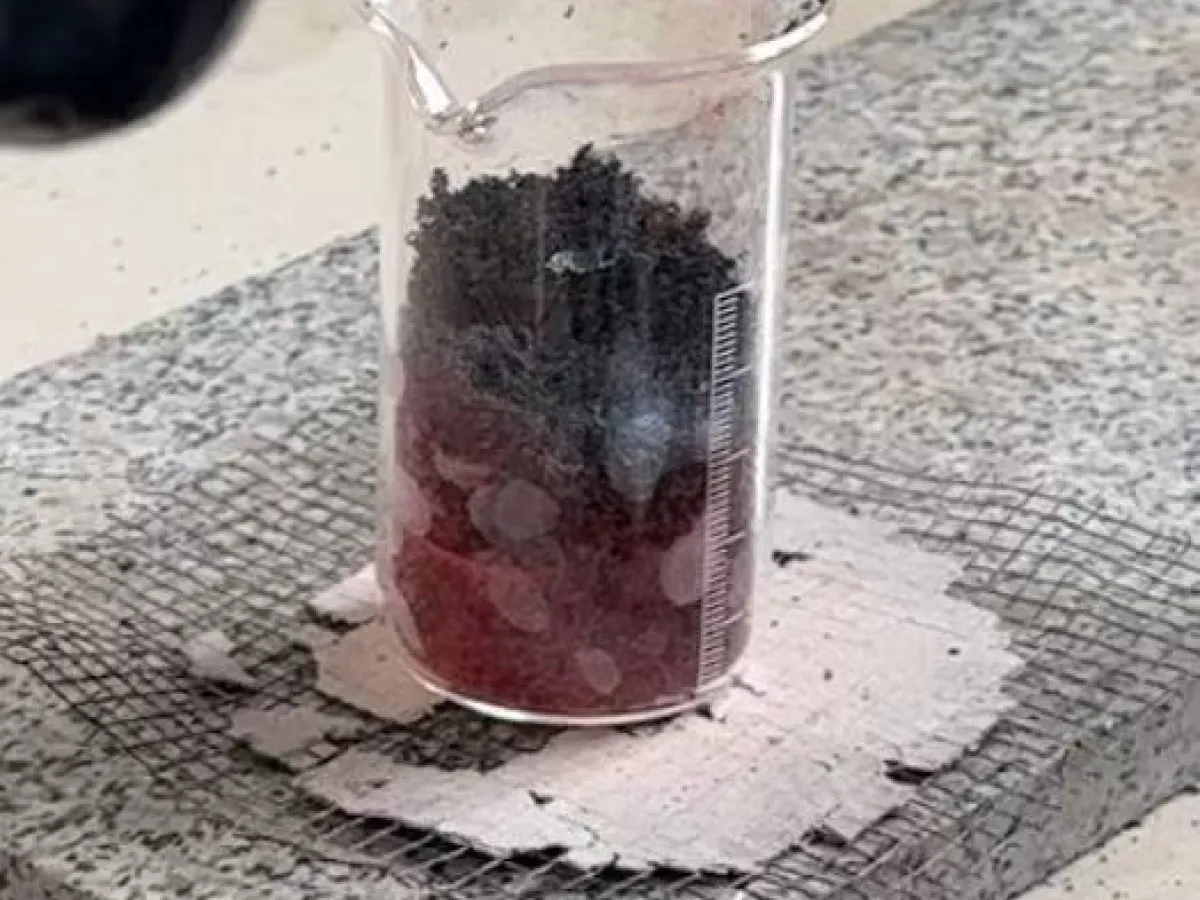
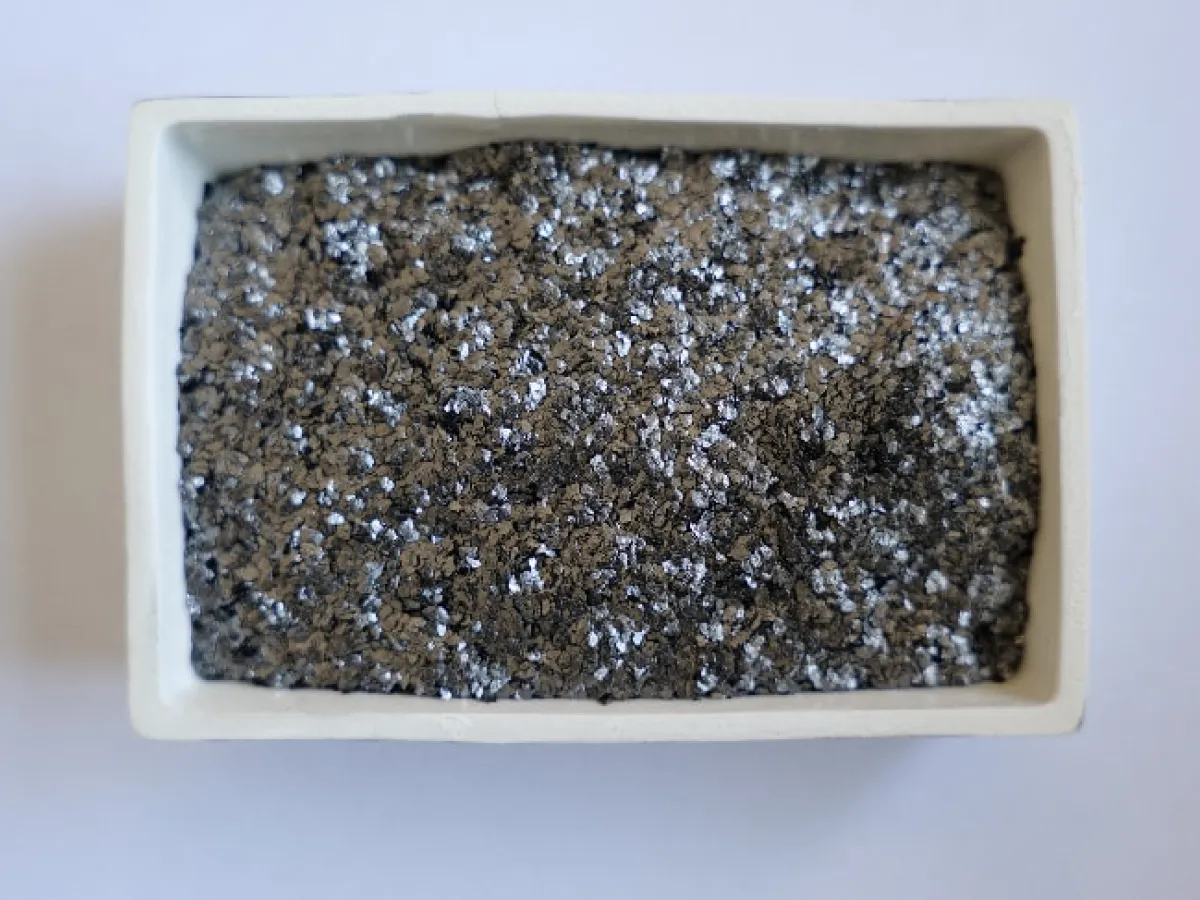
When purchasing expandable graphite, sulfur content is one of the most critical specifications, alongside mesh size and expansion ratio. The sulfur content of standard expandable graphite and ultra-low-sulfur expandable graphite can differ by as much as two orders of magnitude, and this difference directly affects the product’s applications, price positioning, and environmental performance. So, what exactly are the differences between these two types of expandable graphite? What are their respective advantages and application areas? This article provides a detailed analysis.
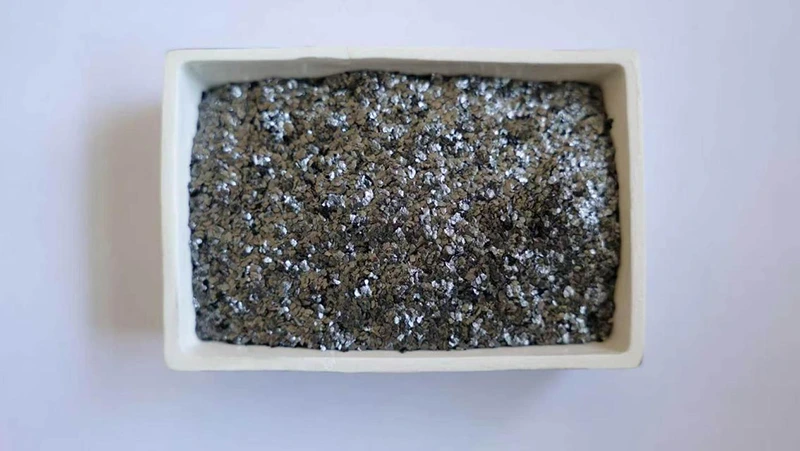
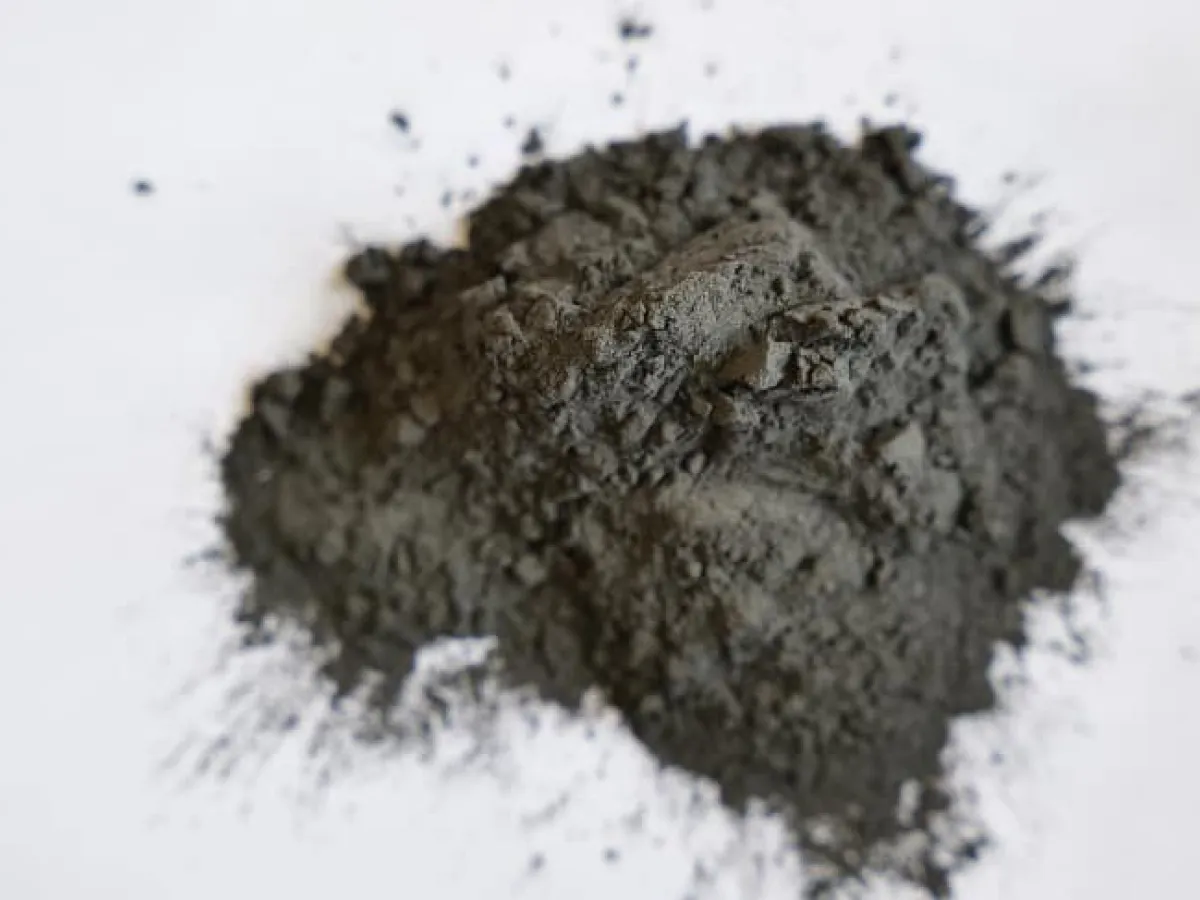
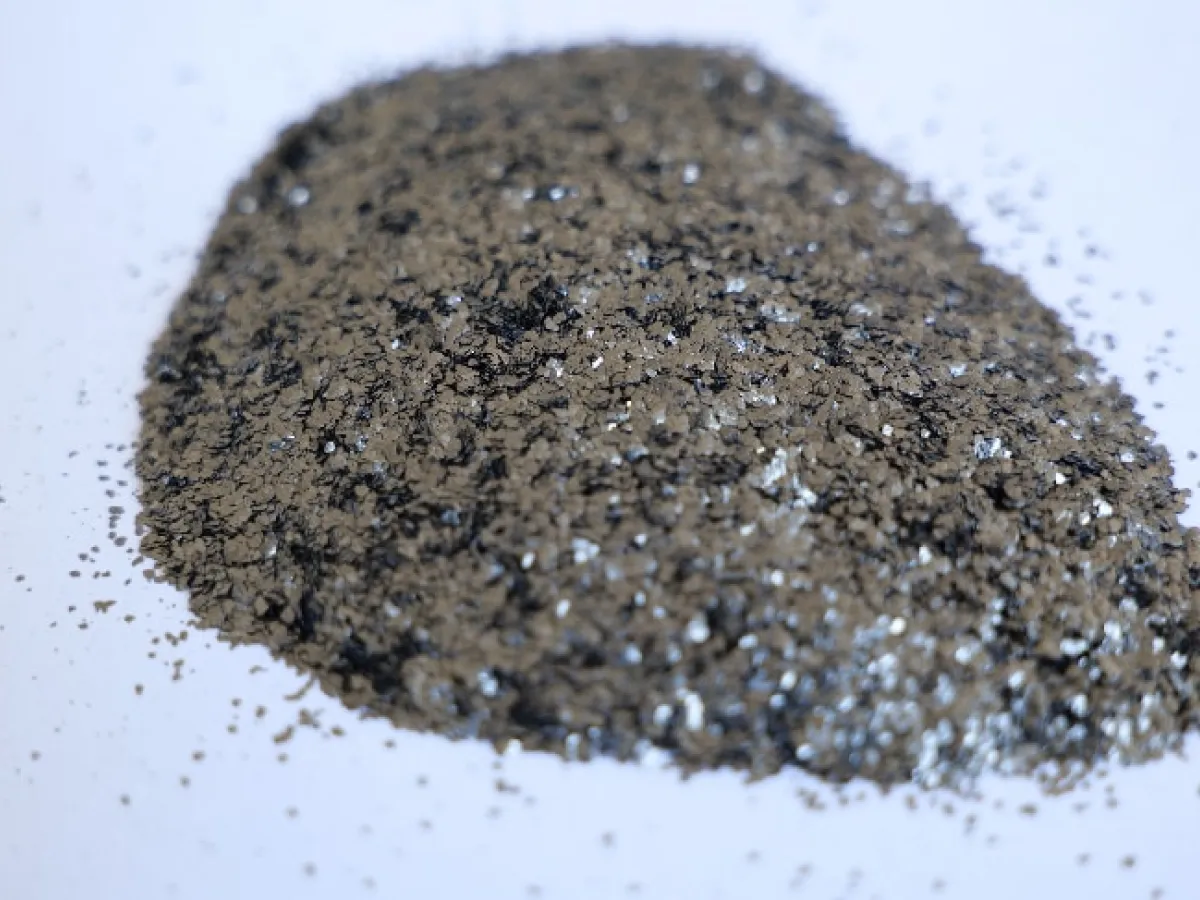
The sulfur content of standard expandable graphite typically ranges from 2.2% to 2.5%, and some residual sulfur (at the ppm level) remains after expansion. Due to mature production processes and lower raw material costs, standard expandable graphite is the most common product type on the market and is relatively economical. It is suitable for general industrial applications where sulfur content is not a critical concern, such as sealing materials and flame-retardant fillers in the steel, metallurgy, petroleum, chemical, and machinery industries. In the vast majority of conventional applications, standard expandable graphite meets basic performance requirements and is the preferred choice for cost-sensitive projects.
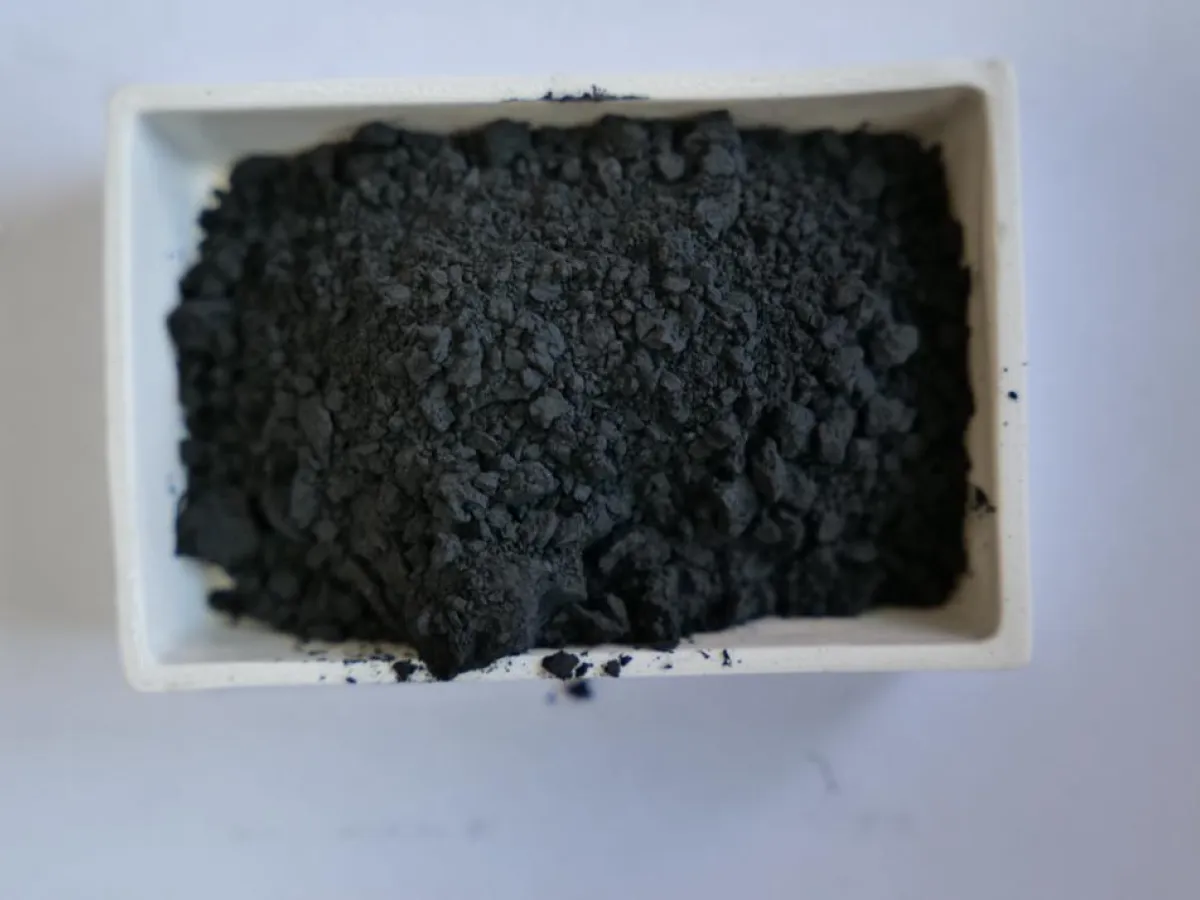
Ultra-low-sulfur expandable graphite has a sulfur content controlled below 0.03%, and can even be as low as 0.02%—a reduction of two orders of magnitude compared to standard expandable graphite. By reducing the sulfur content, seal materials made from this expandable graphite are less likely to corrode metal contact surfaces when used under high-temperature, high-pressure, or highly corrosive conditions, effectively preventing the risk of leakage. Ultra-low-sulfur expandable graphite is primarily used in fields with extremely high corrosion resistance and safety requirements, such as nuclear energy, aerospace, nuclear power, automotive, and precision instruments. Although it is more expensive, ultra-low-sulfur expandable graphite is increasingly penetrating international markets such as the United States, Japan, and Germany, where it is gaining recognition from high-end customers.
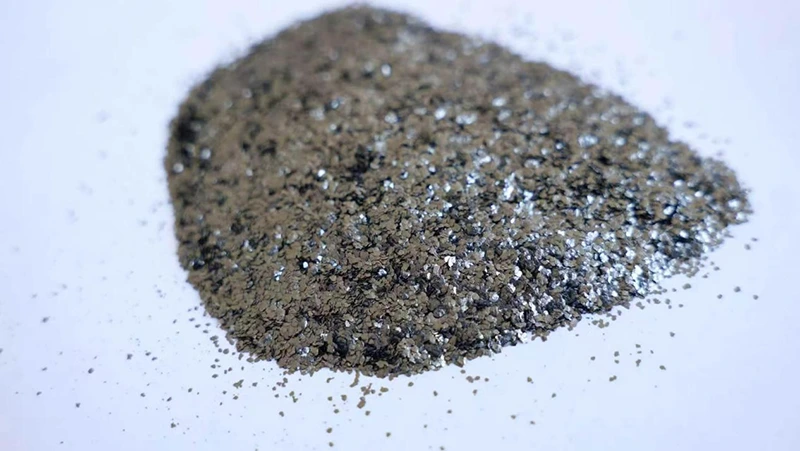
Building on the ultra-low-sulfur foundation, some manufacturers have also developed sulfur-free expandable graphite. These products use nitric acid, phosphoric acid, or organic acids as intercalants instead of sulfuric acid, eliminating the introduction of sulfur at the source. Sulfur-free expandable graphite emits only 0.8% of the SOx released by traditional products during high-temperature expansion, offering significant energy-saving and environmental benefits. Additionally, sulfur-free products typically have a pH value closer to neutral and lower hygroscopicity, making them suitable for applications with strict requirements for both corrosion resistance and moisture protection.
Standard expandable graphite meets general industrial needs at an affordable cost, with a sulfur content of ≤2.5%; ultra-low-sulfur expandable graphite serves high-end applications with higher purity and lower corrosiveness, featuring a sulfur content of ≤0.03% or even lower. The choice of expandable graphite type depends on a comprehensive assessment of the end application’s requirements for corrosion resistance, environmental standards, and cost budget.
Copyright © 2026 by Qingdao Baohua New Materials Technology Co., Ltd.
| Privacy Policy