In the field of graphite materials, “expandable graphite” and “expanded graphite” are two terms that are often used interchangeably, but they are actually two distinct products at different stages of production, with different forms and properties. For users new to graphite materials, understanding the difference between expandable graphite and expanded graphite is the foundation for proper product selection and procurement. As a manufacturer that produces a wide range of graphite products, we will clarify these two concepts for our readers in this article.
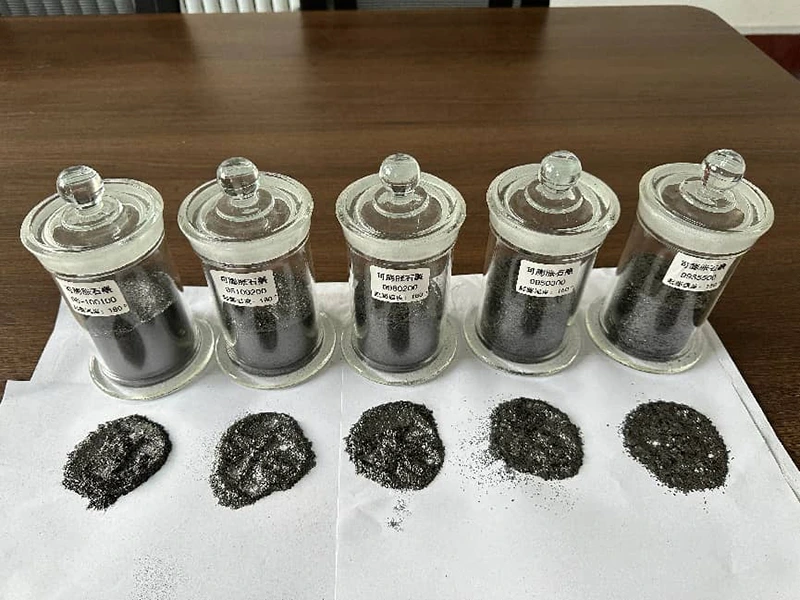
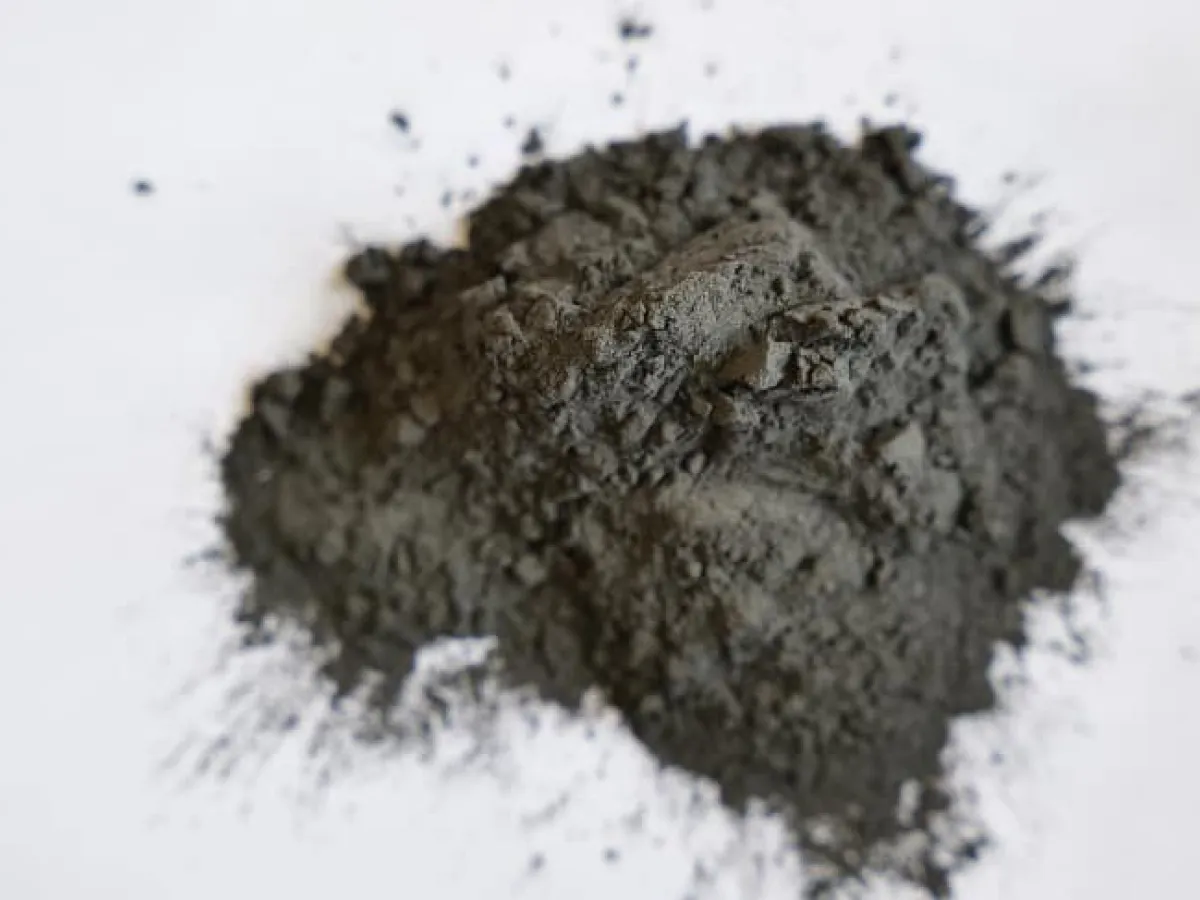
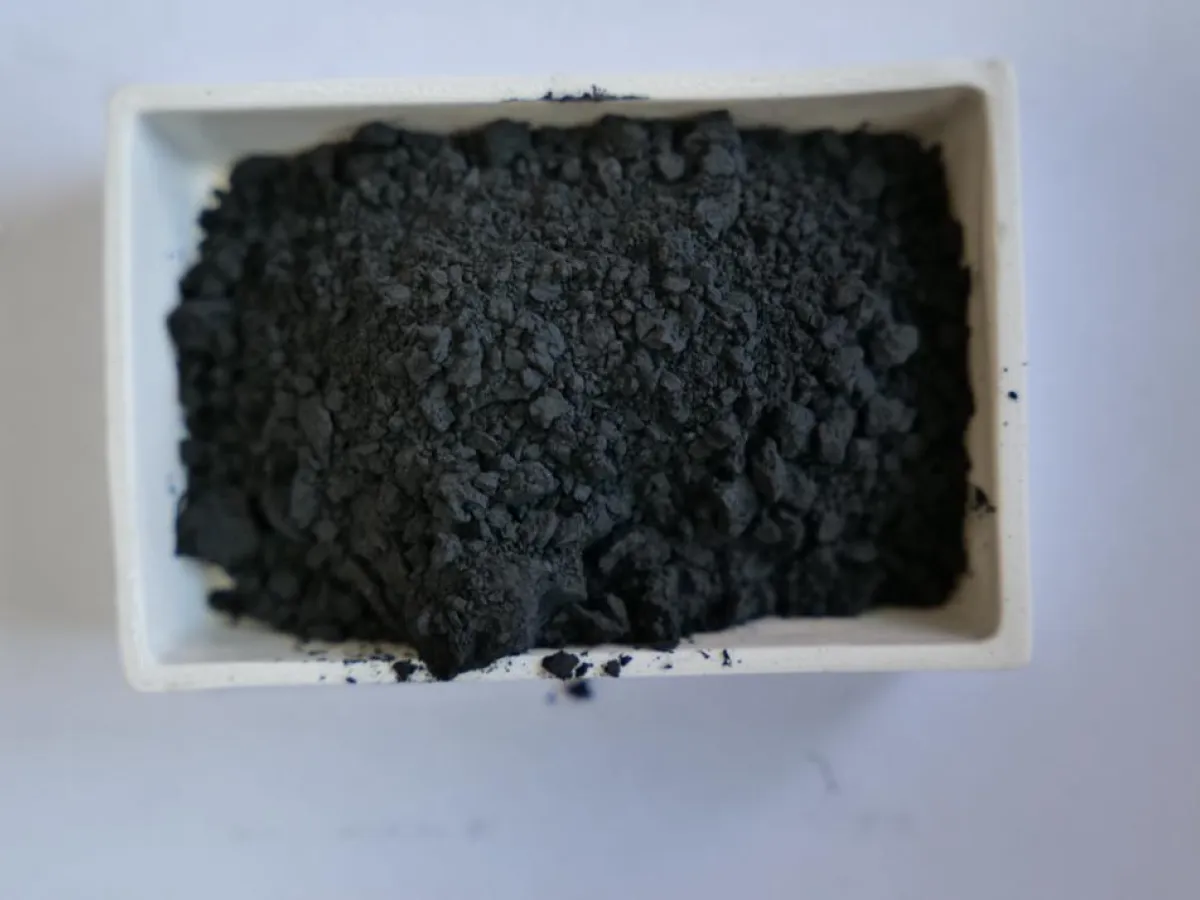
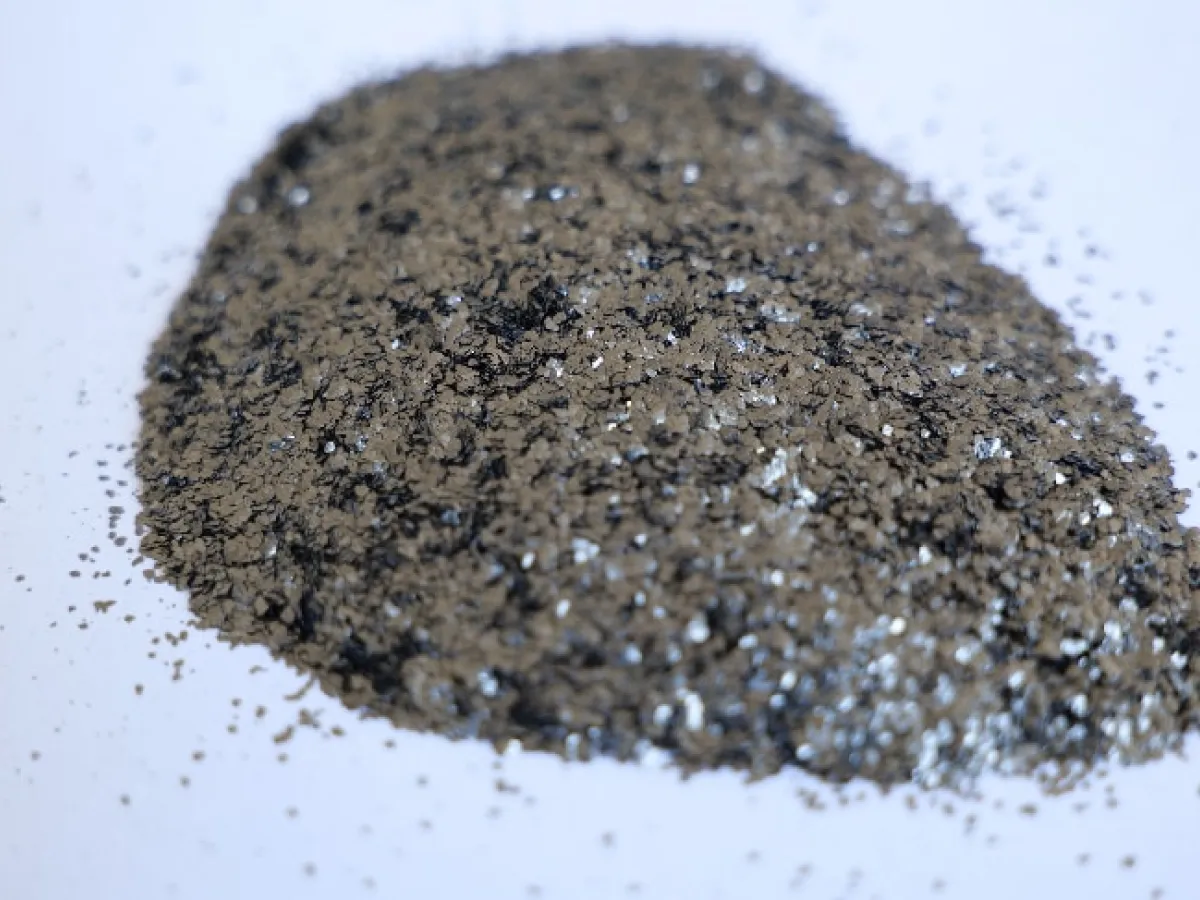
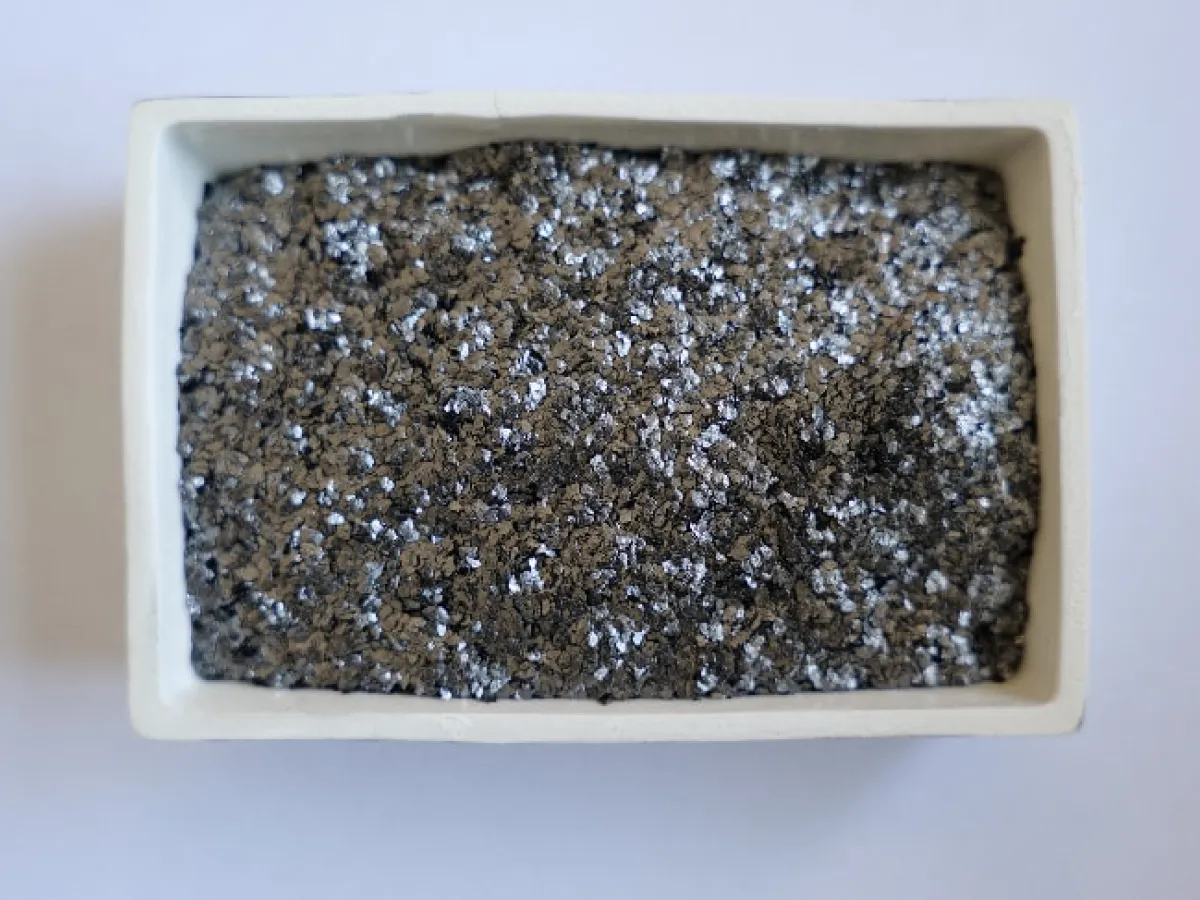
Expandable graphite is an intermediate product resulting from intercalation treatment, which retains the flake-like morphology of flake graphite. It is made from flake graphite as the raw material; through chemical or electrochemical methods, specific intercalants are inserted between the graphite layers to form graphite intercalation compounds. Expandable graphite is chemically stable at room temperature and appears similar to ordinary flake graphite, but intercalated substances are embedded between its layers. The core characteristic of expandable graphite is its “expandability”—when heated to a certain temperature, the interlayer substances rapidly decompose and vaporize, generating thrust that causes the graphite layers to expand dramatically along the C-axis.
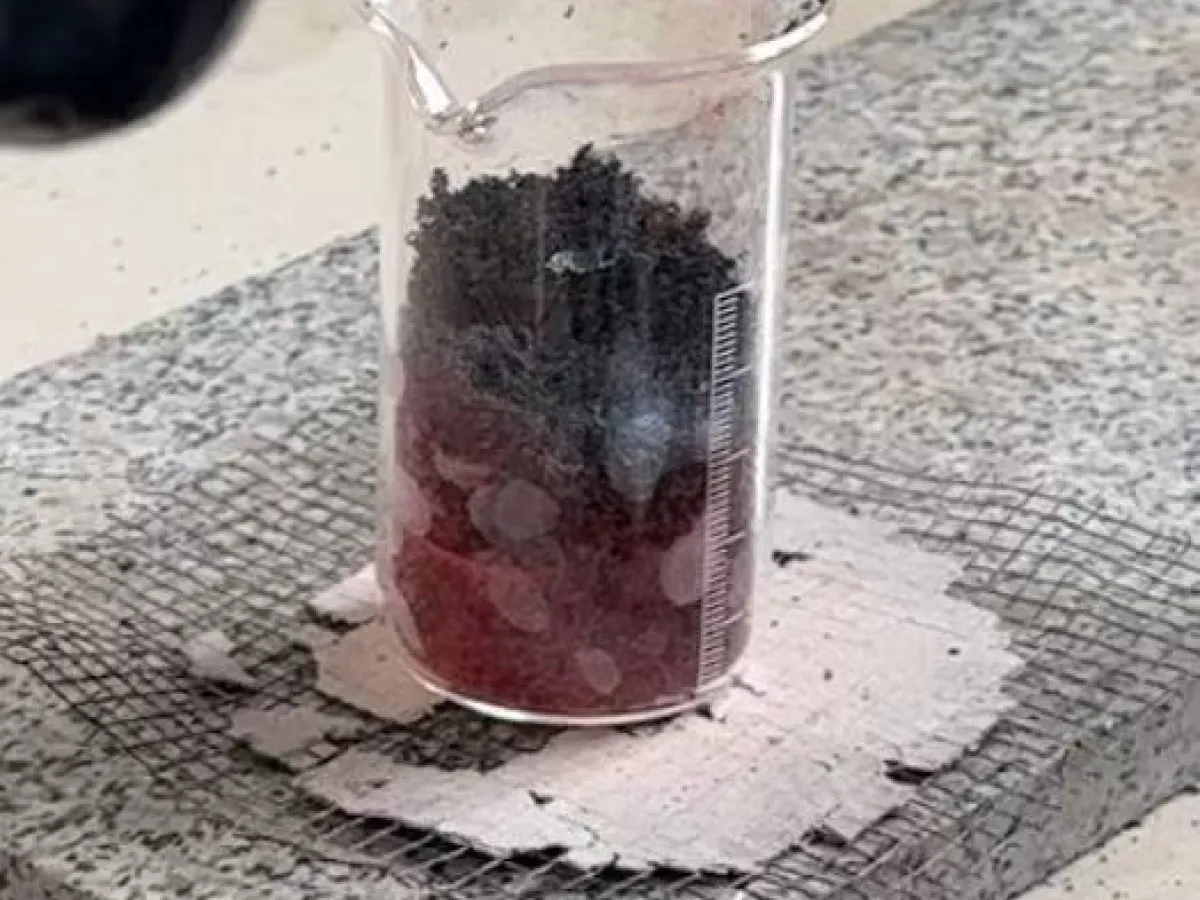
Expanded graphite is the final product obtained after expandable graphite undergoes high-temperature expansion treatment. When expandable graphite is heated to high temperatures, the interlayer material rapidly decomposes and vaporizes; the resulting gas pressure pushes the graphite layers apart, causing the expandable graphite to expand vertically by tens to hundreds of times, forming a worm-like or fluffy, flocculent substance with a highly porous structure. Compared to expandable graphite, expanded graphite has a significantly lower density and a markedly larger specific surface area, and it exhibits good flexibility, resilience, and adsorption properties. Expanded graphite can be used directly in end applications such as sealing gaskets, flame-retardant fillers, and oil adsorption.
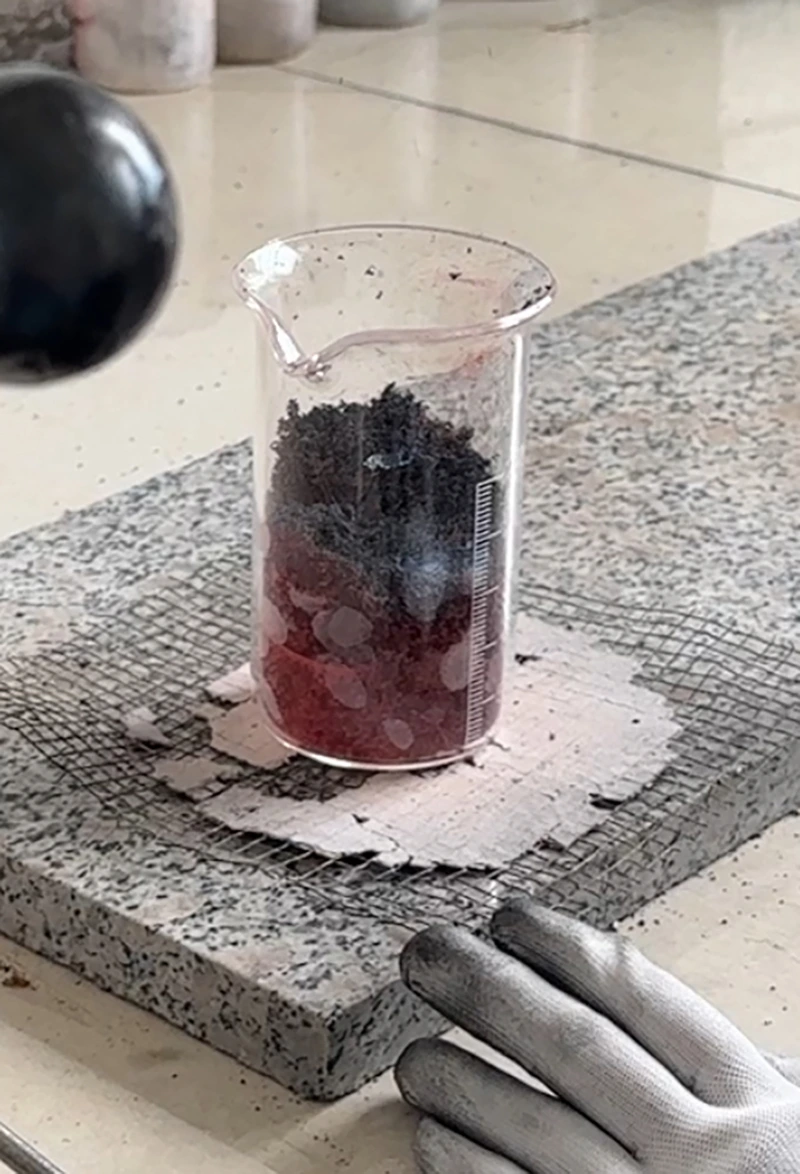
The difference between expandable graphite and expanded graphite can be understood from multiple perspectives. First is the difference in morphology—expandable graphite retains a flake-like form, while expanded graphite takes on a worm-like, fluffy form. Second is the preparation stage—expandable graphite is a semi-finished product, while expanded graphite is the final product. Third is density—expandable graphite has a higher density, while expanded graphite has an extremely low density. Finally, there is the method of application—expandable graphite is added as a functional filler to fire-retardant coatings and sealants, where it expands in situ to perform its function during a fire; expanded graphite, on the other hand, is used directly in sealing gaskets, adsorbent materials, and similar applications. Simply put, expandable graphite is a “raw material capable of expansion,” while expanded graphite is the “finished product that has already expanded.”
Expandable graphite and expanded graphite are different forms of the same material at different stages of processing. Expandable graphite is a flake-like intermediate product resulting from intercalation treatment, retaining the “potential” to expand; expanded graphite is the worm-like final product obtained after expandable graphite has expanded under heat. While the two differ in form, density, and application, they together constitute important links in the graphite deep-processing industrial chain.
Copyright © 2026 by Qingdao Baohua New Materials Technology Co., Ltd.
| Privacy Policy