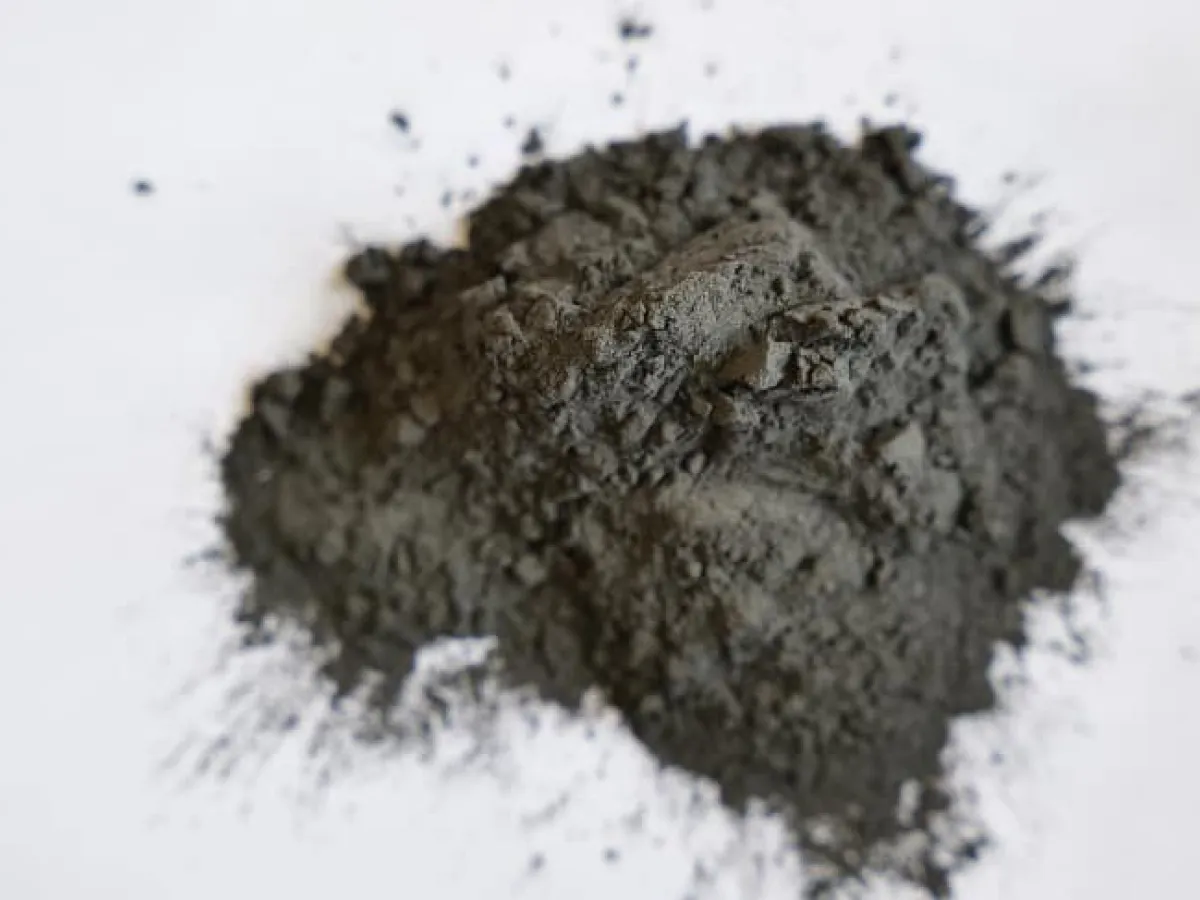
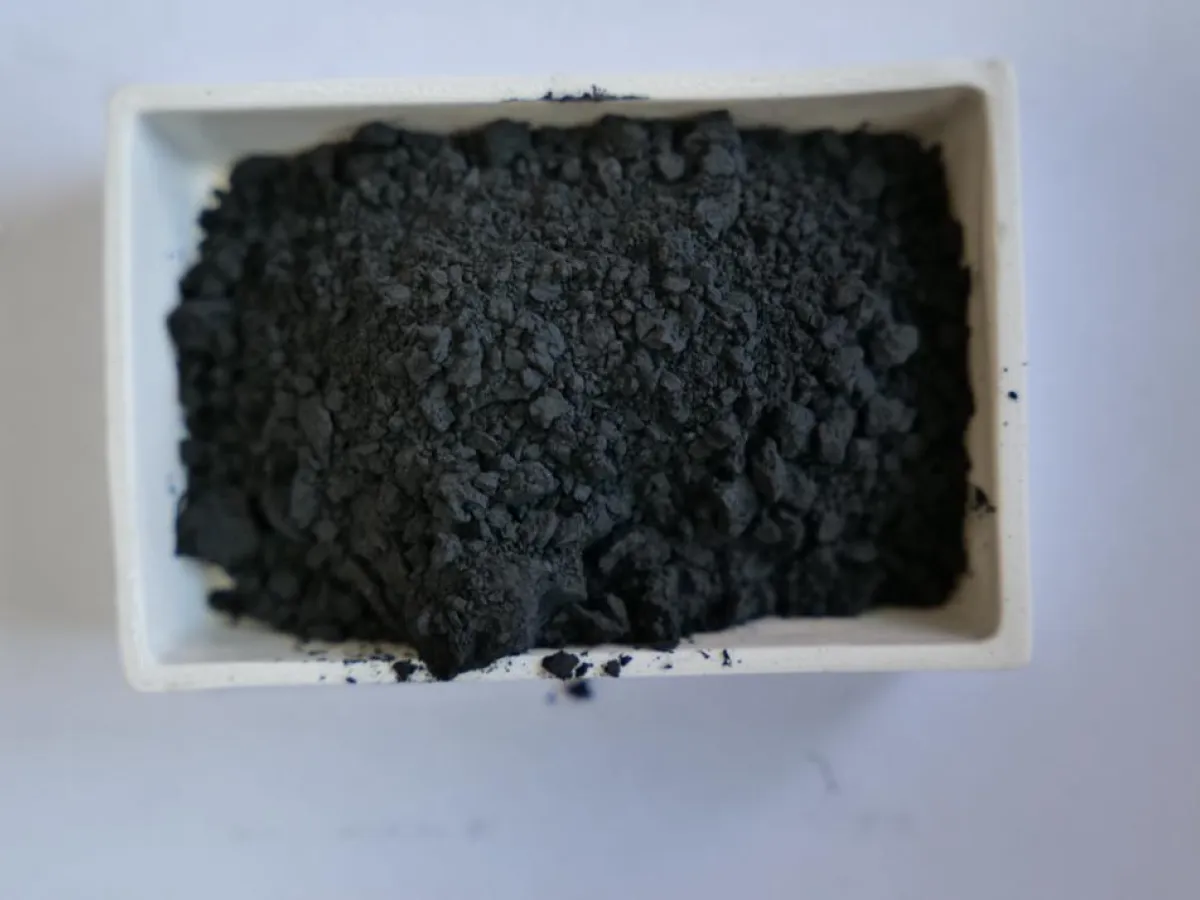
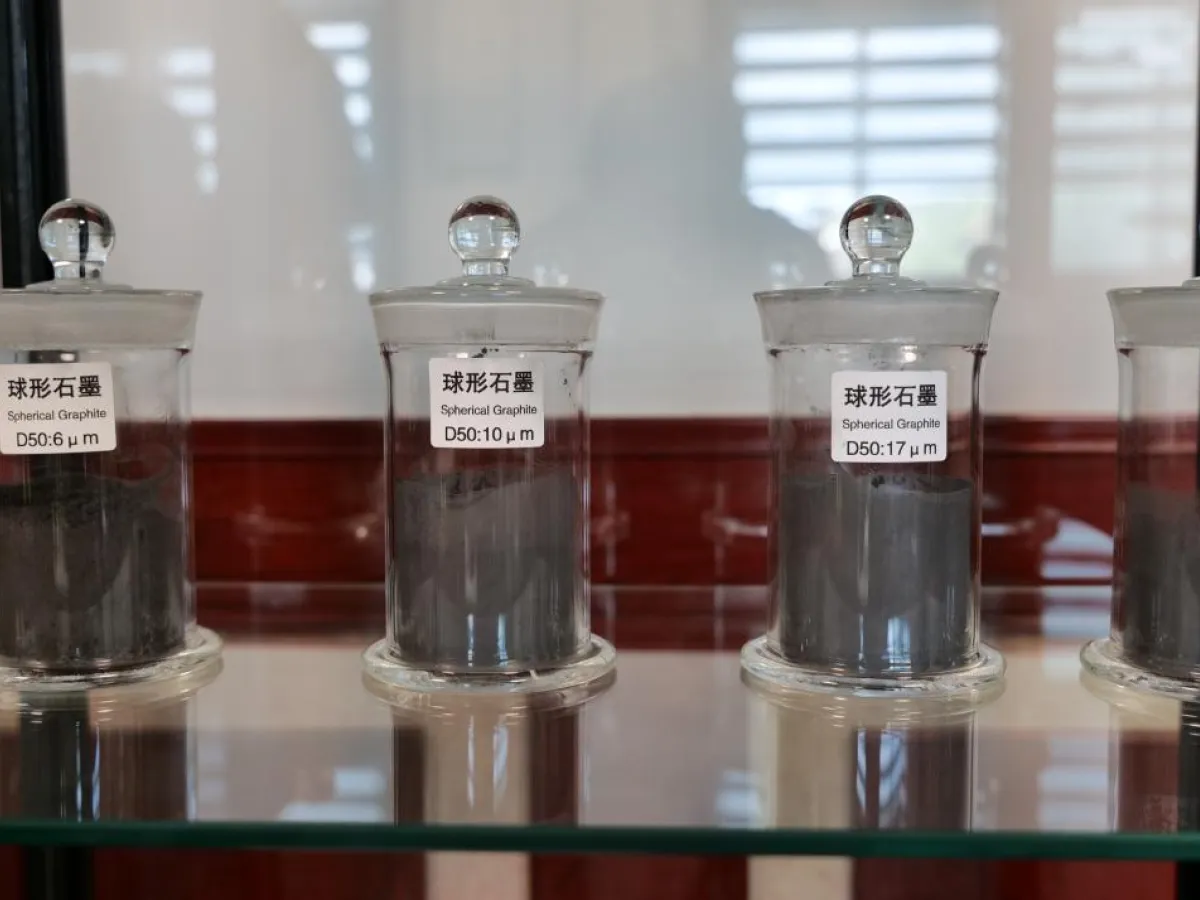
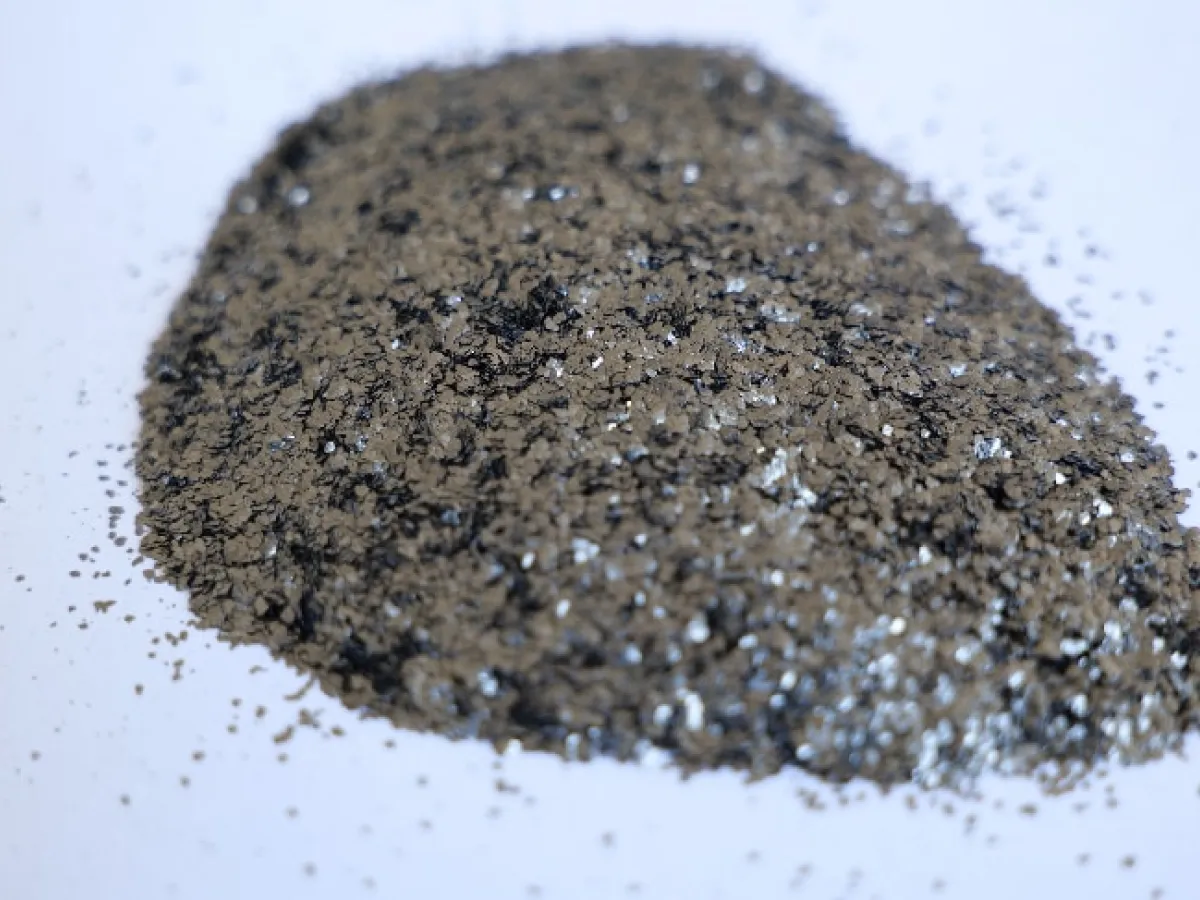
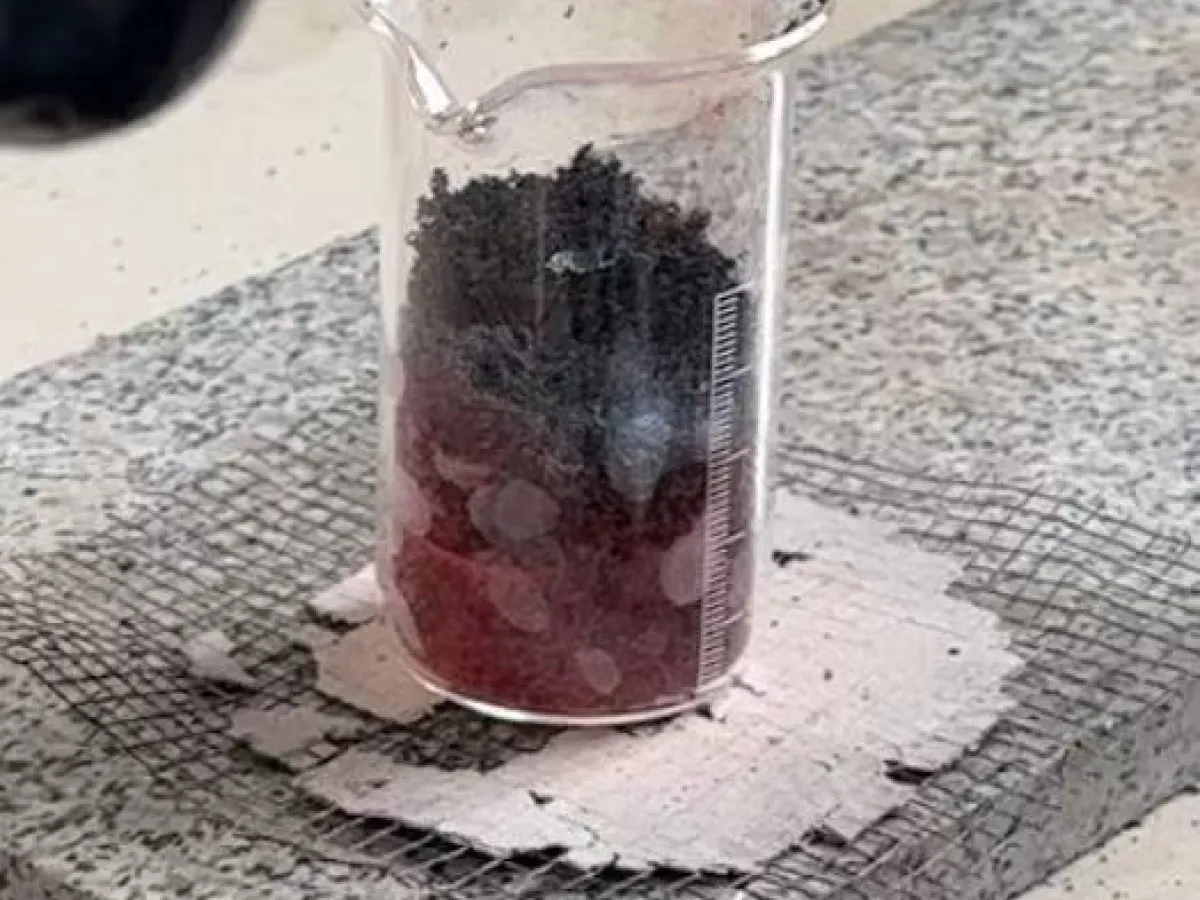
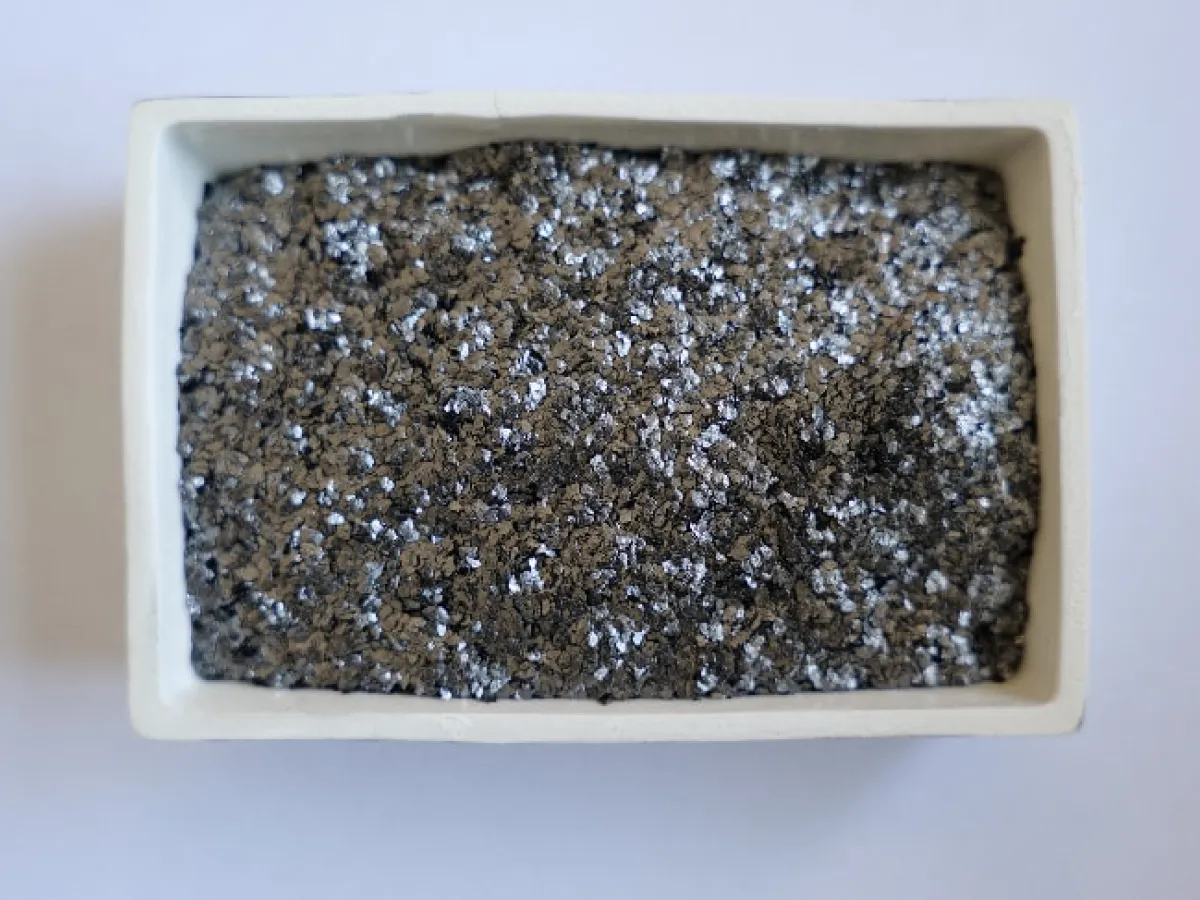
Expandable graphite is an important value-added graphite product. It is made from flake graphite as the raw material; through an intercalation process, specific chemical substances are inserted between the graphite layers to form a special graphite intercalation compound. Unlike ordinary flake graphite, expandable graphite expands tens to hundreds of times along the C-axis at high temperatures, forming a worm-like, porous structure. This property gives it broad application value in fields such as flame retardancy, sealing, and adsorption.
The core of the intercalation process for expandable graphite is the insertion of foreign substances between the layers of flake graphite. The carbon atoms in natural graphite form a hexagonal lattice structure with overlapping planes, and the layers are held together solely by weak van der Waals forces, which provides the spatial conditions necessary for the insertion of foreign substances. During the preparation of expandable graphite, intercalants (such as acids like sulfuric acid or nitric acid) are introduced between the layers of flake graphite via chemical or electrochemical methods to form graphite intercalation compounds. This process requires the use of an oxidizing agent—the oxidizing agent first opens the interlayer spaces of the flake graphite, creating positively charged carbon planes, allowing the intercalant to smoothly enter the interlayer channels.
Currently, the most mature and widely used process for preparing expandable graphite is the chemical oxidation method. This process uses flake graphite as the raw material, which is mixed in specific proportions with an oxidizing agent and an intercalant. The mixture is then stirred and reacted under controlled temperature conditions to allow the intercalant to fully penetrate the interlayer spaces of the flake graphite. After the reaction is complete, the material is washed with water to remove excess acid, filtered, and dried to yield expandable graphite. The expansion ratio of expandable graphite can be controlled by adjusting the ratio of raw materials to intercalants.
In addition to the chemical oxidation method, there are various other methods for preparing expandable graphite, including the electrochemical method, the vapor diffusion method, and the melting method. The electrochemical method involves placing flake graphite in an electrolyte and applying an electric current to achieve intercalation through anodic oxidation. Since the acid solution can be recycled, this method causes minimal environmental pollution and has attracted significant attention in recent years. Furthermore, research on expandable graphite is moving toward sulfur-free production—traditional products use sulfuric acid as an intercalant, leaving large amounts of sulfur in the final product, which can easily release corrosive and harmful gases such as sulfur dioxide during high-temperature expansion processing.
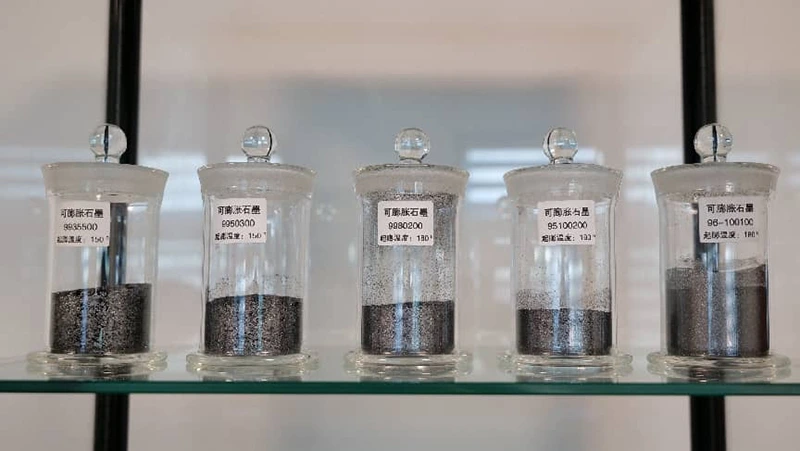
Expandable graphite is a functional carbon material derived from the further processing of flake graphite. Through an intercalation process, chemical substances are inserted between graphite layers, imparting high-temperature expansion properties. The chemical oxidation method is currently the most mature industrial preparation method, while new processes such as the electrochemical method are also continuously evolving. Our expandable graphite products cover a wide range of expansion ratios and carbon content specifications and can be customized to meet specific customer application requirements.
Copyright © 2026 by Qingdao Baohua New Materials Technology Co., Ltd.
| Privacy Policy