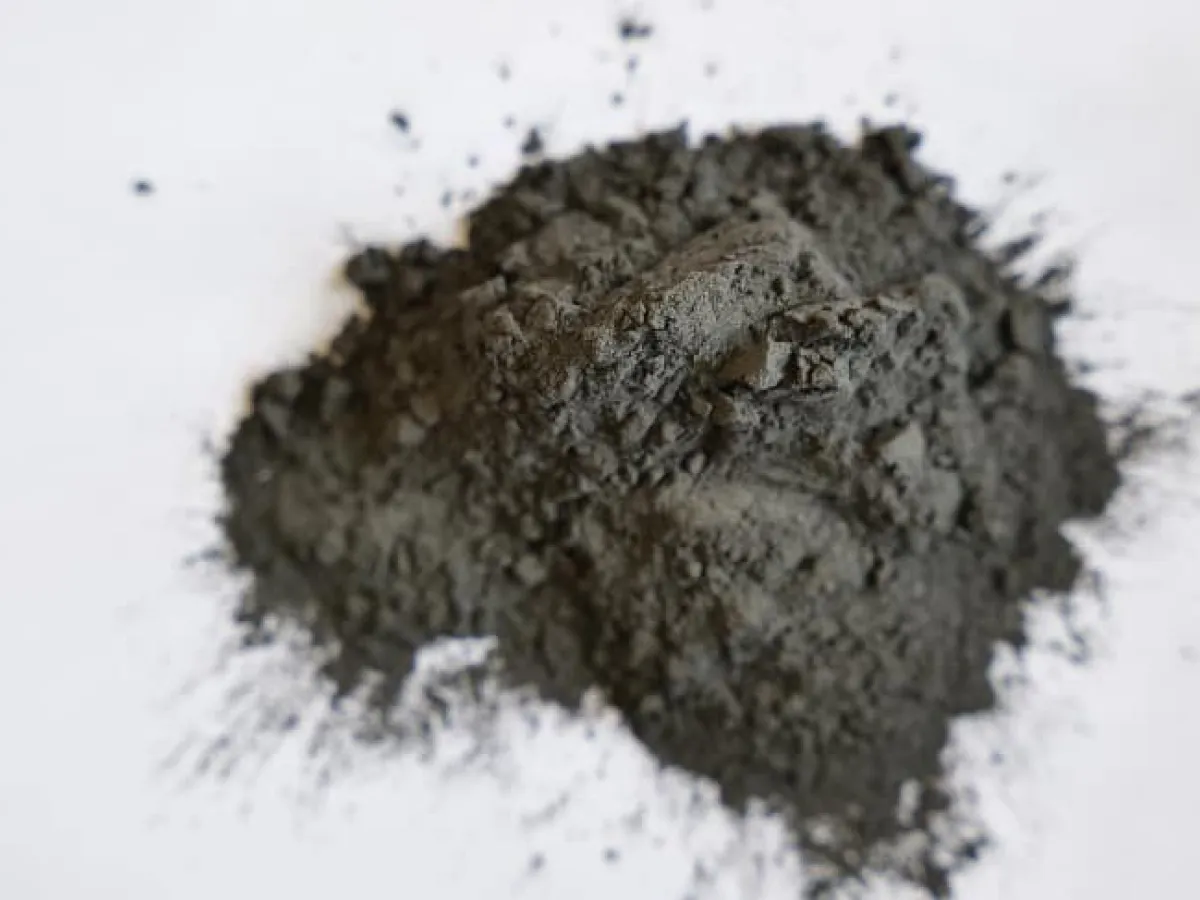
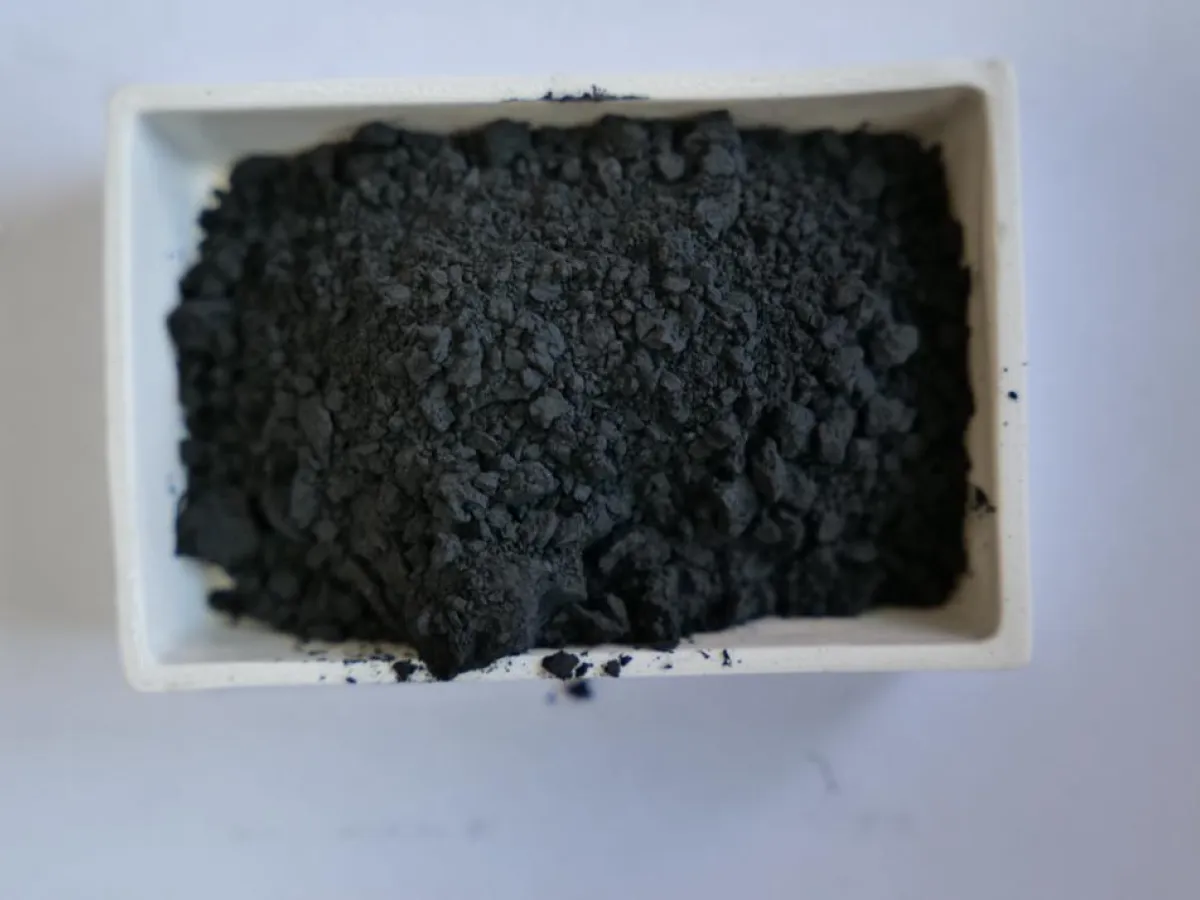
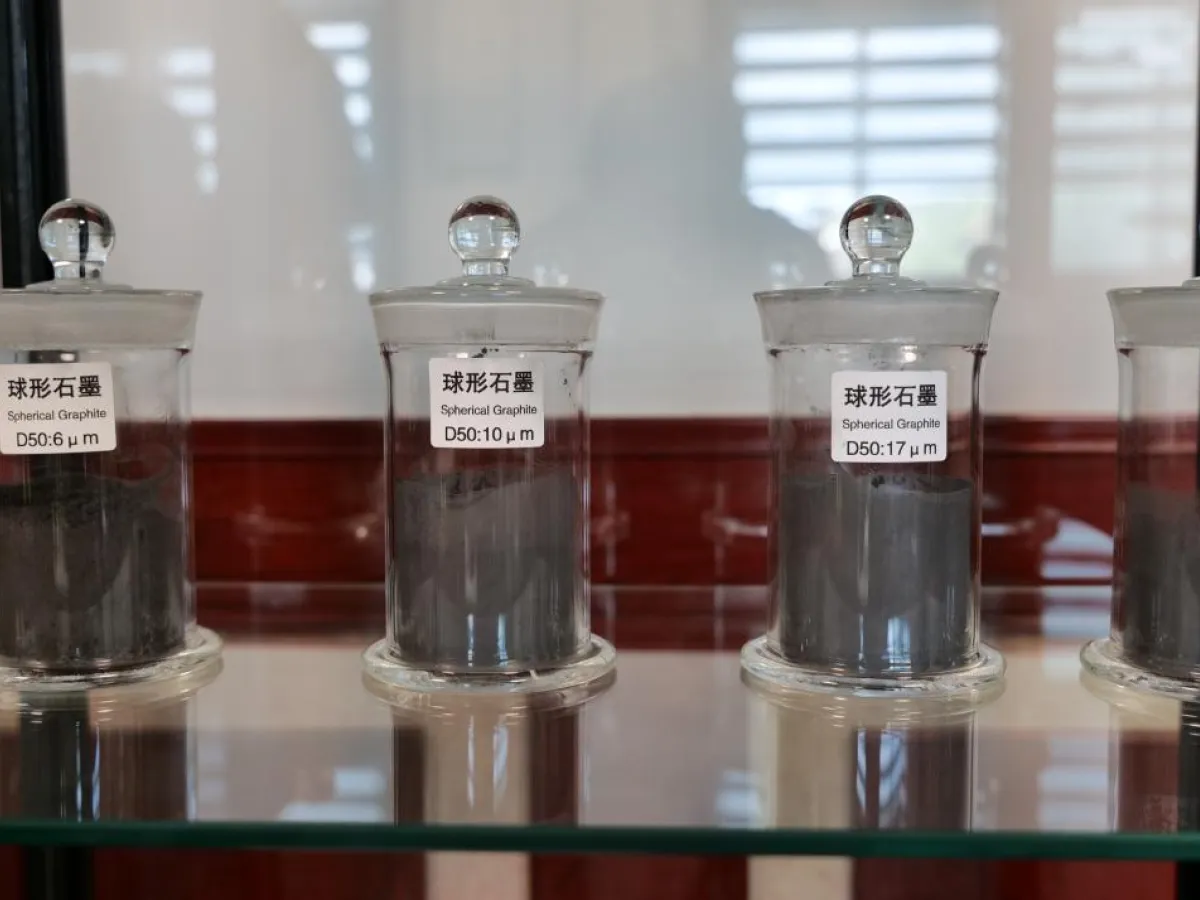
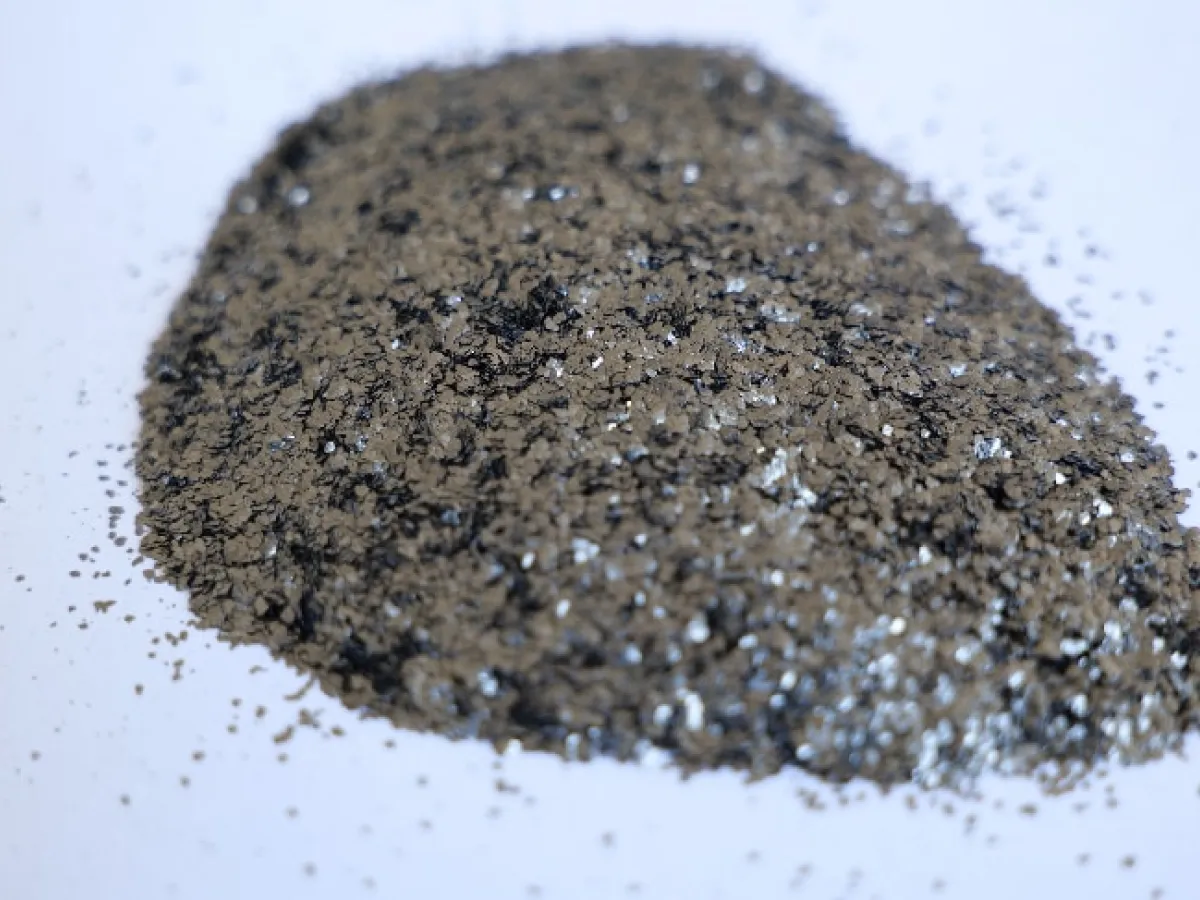
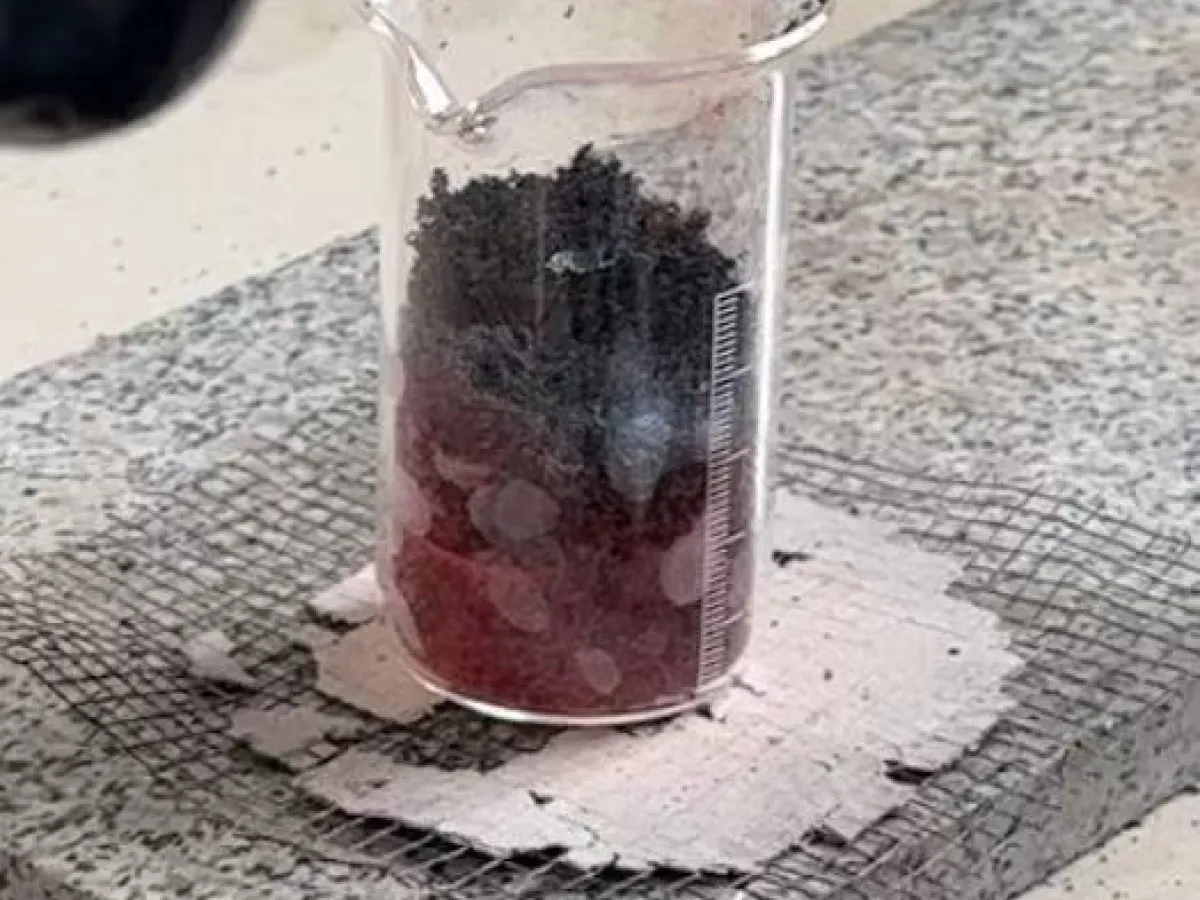
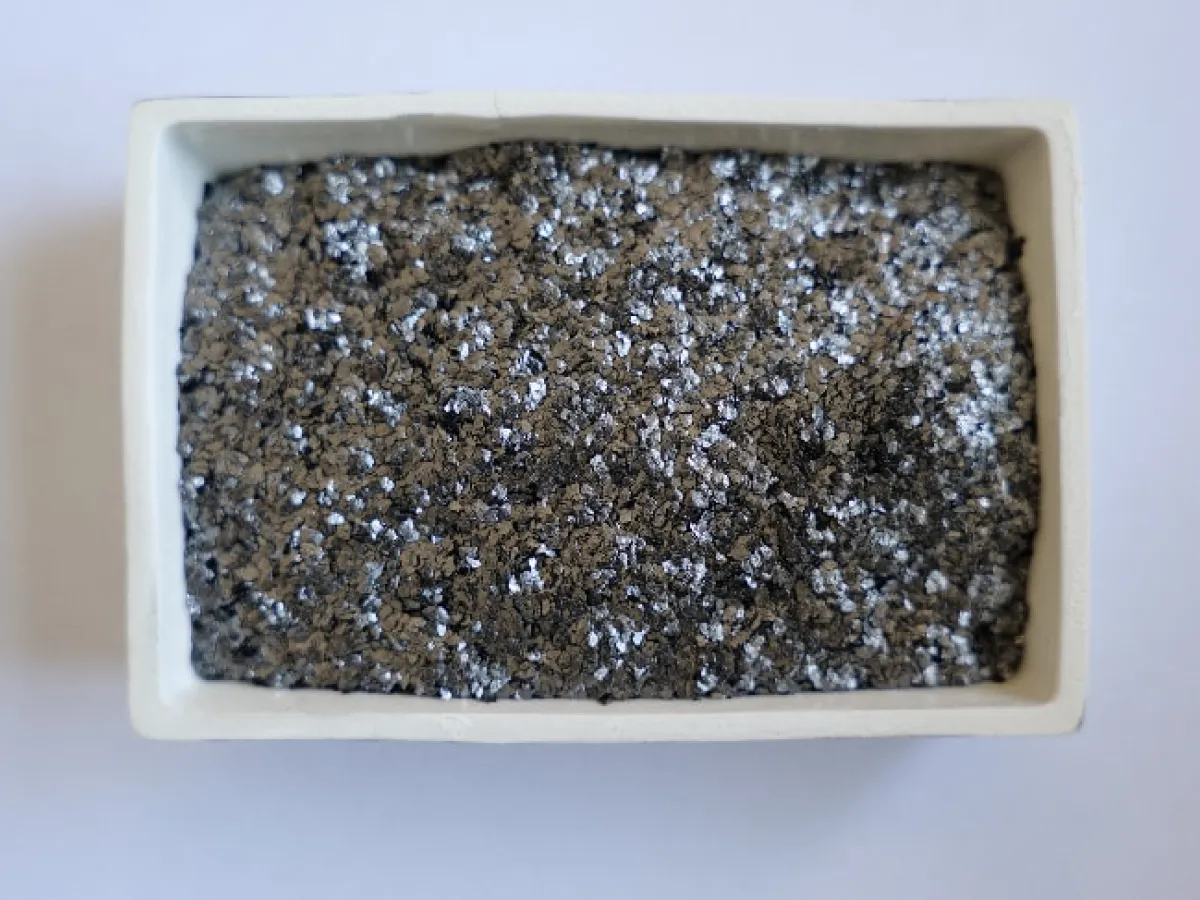
When purchasing spherical graphite, buyers often focus on technical specifications such as purity, tapped density, and particle size distribution, but tend to overlook the impact of packaging, storage, and transportation on product quality. In fact, improper packaging or storage conditions can cause spherical graphite to absorb moisture, agglomerate, or become contaminated, resulting in discrepancies between the test data upon arrival and the factory test reports. As a spherical graphite manufacturer with an annual production capacity exceeding 60,000 metric tons, we will outline the key considerations for the packaging, storage, and transportation of spherical graphite in this article.
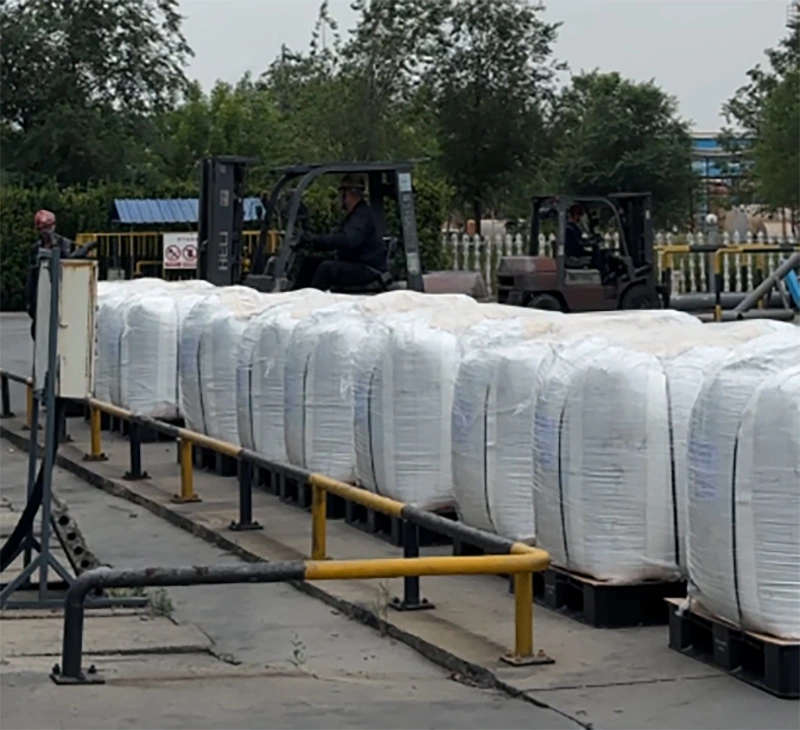
The packaging of spherical graphite must meet three basic requirements: moisture protection, contamination prevention, and damage prevention. According to the national standard GB/T 38887-2020 “Spherical Graphite,” the packaging of spherical graphite should ensure that the product remains free from moisture and impurities during transportation and storage. Common packaging methods for spherical graphite involve sealing the inner layer in a polyethylene plastic bag and the outer layer in a woven bag or bulk bag; some high-end products use inert gas anti-static packaging. For export orders, additional protective measures—such as palletizing and stretch-wrapping—are required to meet maritime shipping standards. Furthermore, each packaging unit must be clearly labeled with the product name, grade, batch number, net weight, production date, and manufacturer information to facilitate traceability.
The storage of spherical graphite has specific environmental requirements. The most critical factor is moisture protection—spherical graphite particles are fine and have a large specific surface area, making them prone to absorbing moisture when exposed to humid air, which leads to particle agglomeration. Once agglomeration occurs, the particles are difficult to redisperse during subsequent anode formulation and coating processes, affecting electrode uniformity and battery performance. Therefore, it should be stored in a sealed container in a dry, cool environment and should not be exposed to air for extended periods. Avoid heavy pressure to prevent particle breakage; it should also be stored separately from oxidizing agents to prevent chemical reactions. According to industry standards, reserve samples of spherical graphite should be stored in sealed containers and have a shelf life of up to 18 months.
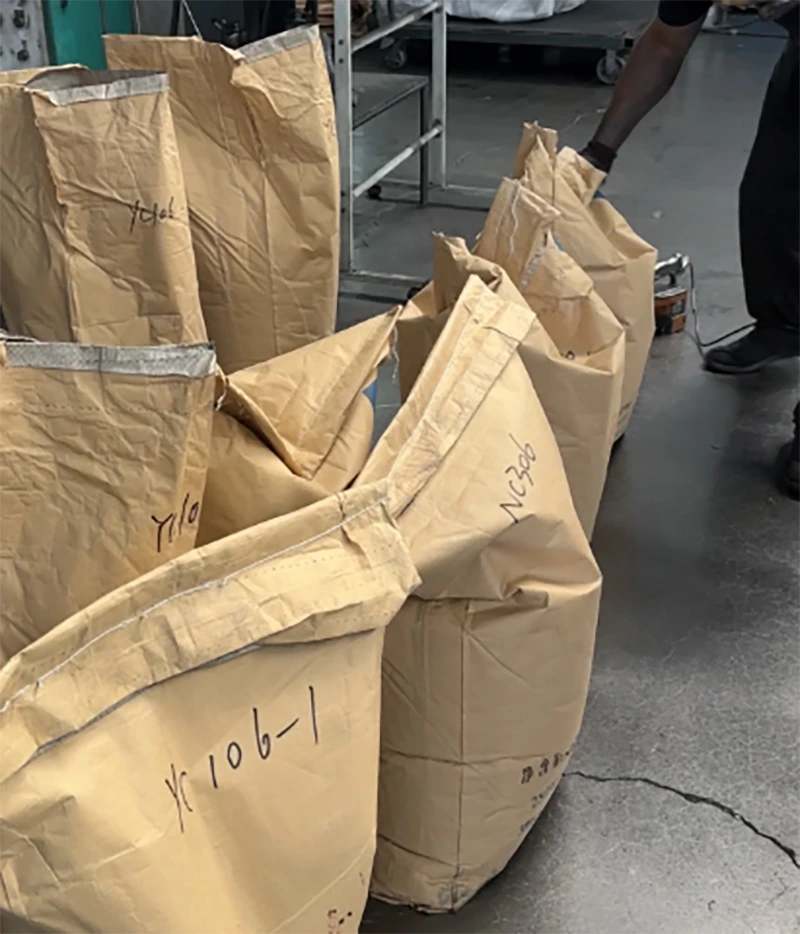
Protective measures must also be taken for spherical graphite during transportation. First, transport vehicles should be equipped with rain and sun protection to prevent the spherical graphite from becoming damp or exposed to direct sunlight en route. Second, packages should be neatly stacked and secured inside the cargo compartment to prevent damage or collapse due to jolts during transit. When exported by sea, spherical graphite is typically transported as general cargo; however, moisture-proof measures must still be taken inside the container (such as placing desiccants), and pallet packaging must be secured. For high-purity spherical graphite, it should also be avoided to be consolidated with cargo that may introduce impurities.
Upon receipt of the spherical graphite, customers are advised to conduct an arrival inspection as soon as possible. First, check whether the outer packaging is intact and free of signs of moisture or damage. If damaged packaging is found, priority should be given to sampling and testing that batch of spherical graphite to confirm whether quality has been affected. Second, verify that the product name, lot number, and specifications on the packaging labels match the order. Sampling and testing should be conducted in accordance with GB/T 1427; samples should be placed in polyethylene containers and sealed for storage to facilitate subsequent re-inspection.
While the packaging, storage, and transportation of spherical graphite may seem like logistical matters, they actually have a direct impact on the final quality of the product when it reaches the customer. Proper packaging, a dry and cool storage environment, and measures to prevent moisture and damage during transit are all critical to ensuring the quality of spherical graphite during the “last mile.” Our spherical graphite products are packaged and stored in strict accordance with national standards, and we can provide customized packaging and transportation solutions upon customer request.
Copyright © 2026 by Qingdao Baohua New Materials Technology Co., Ltd.
| Privacy Policy