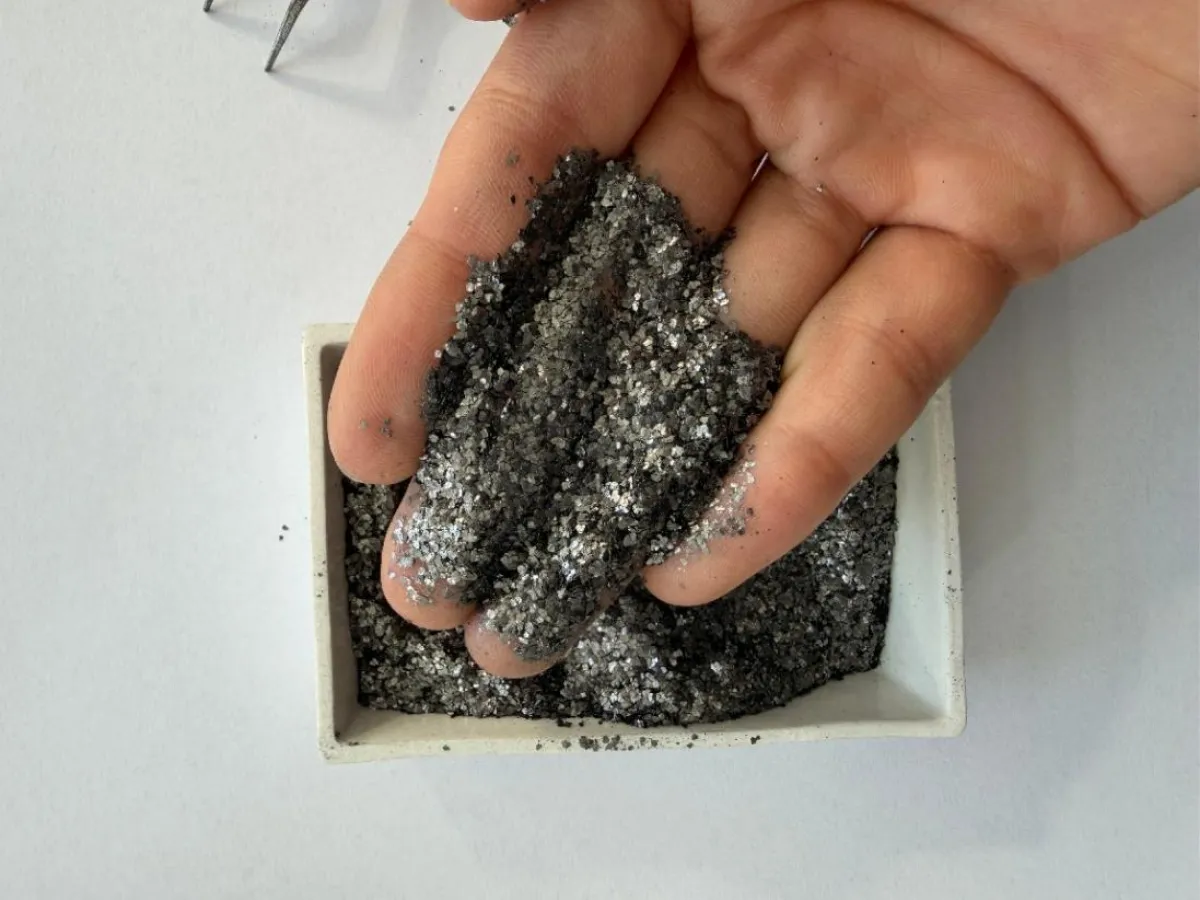
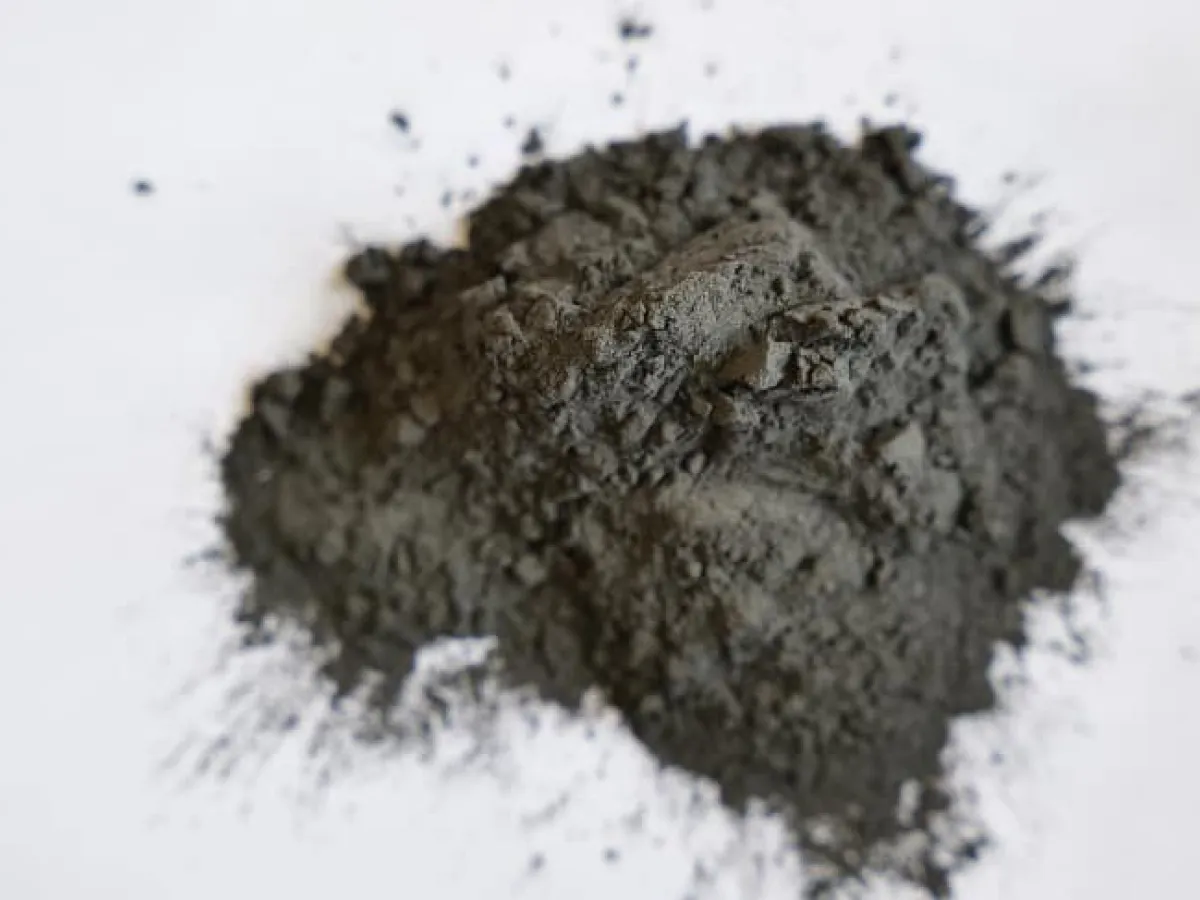
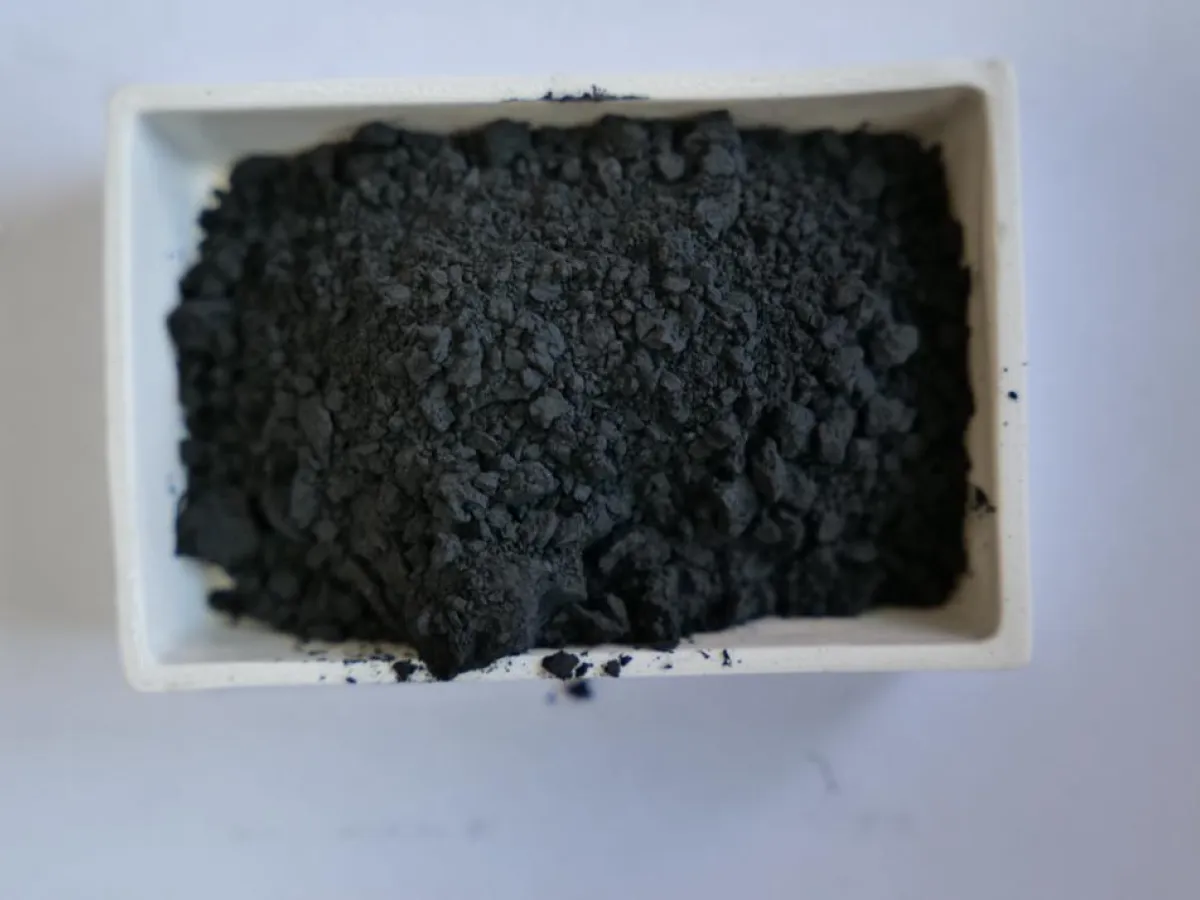
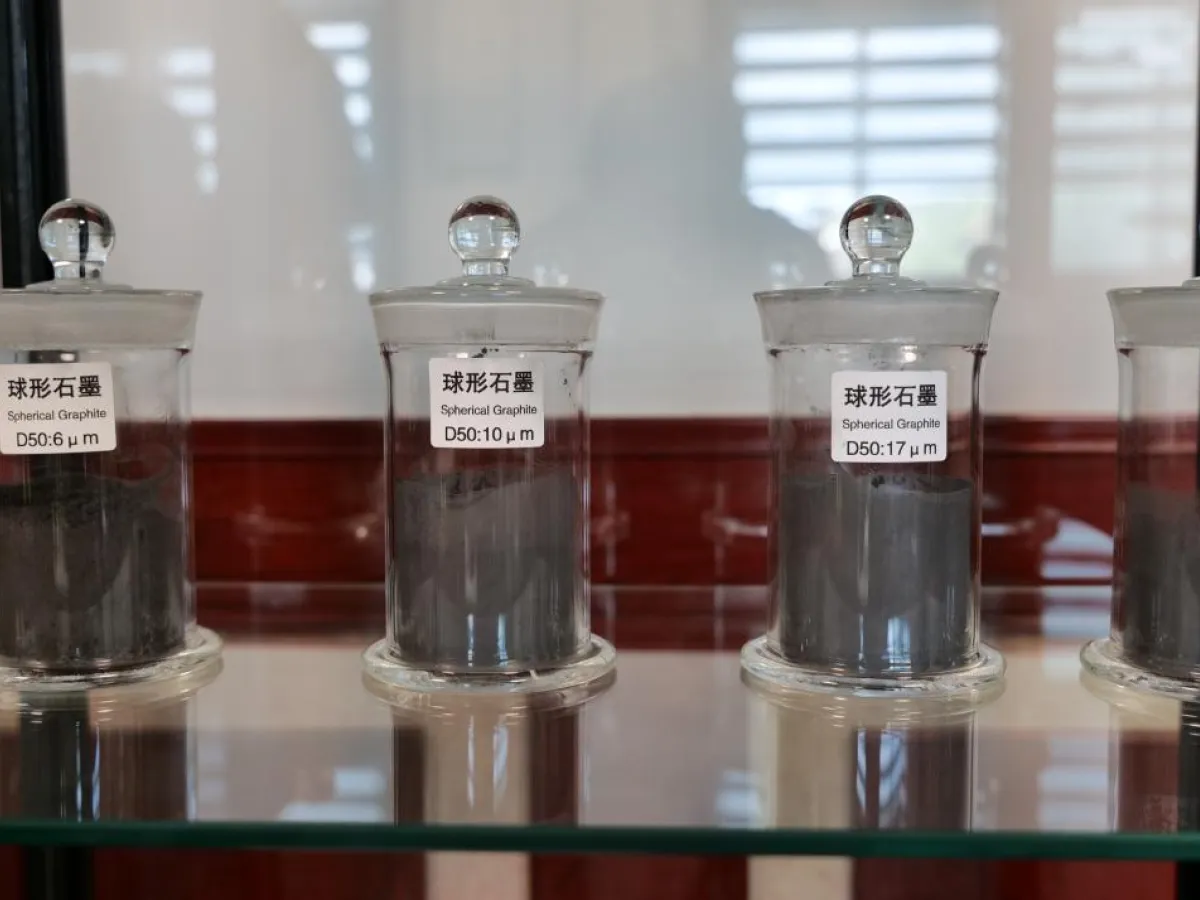
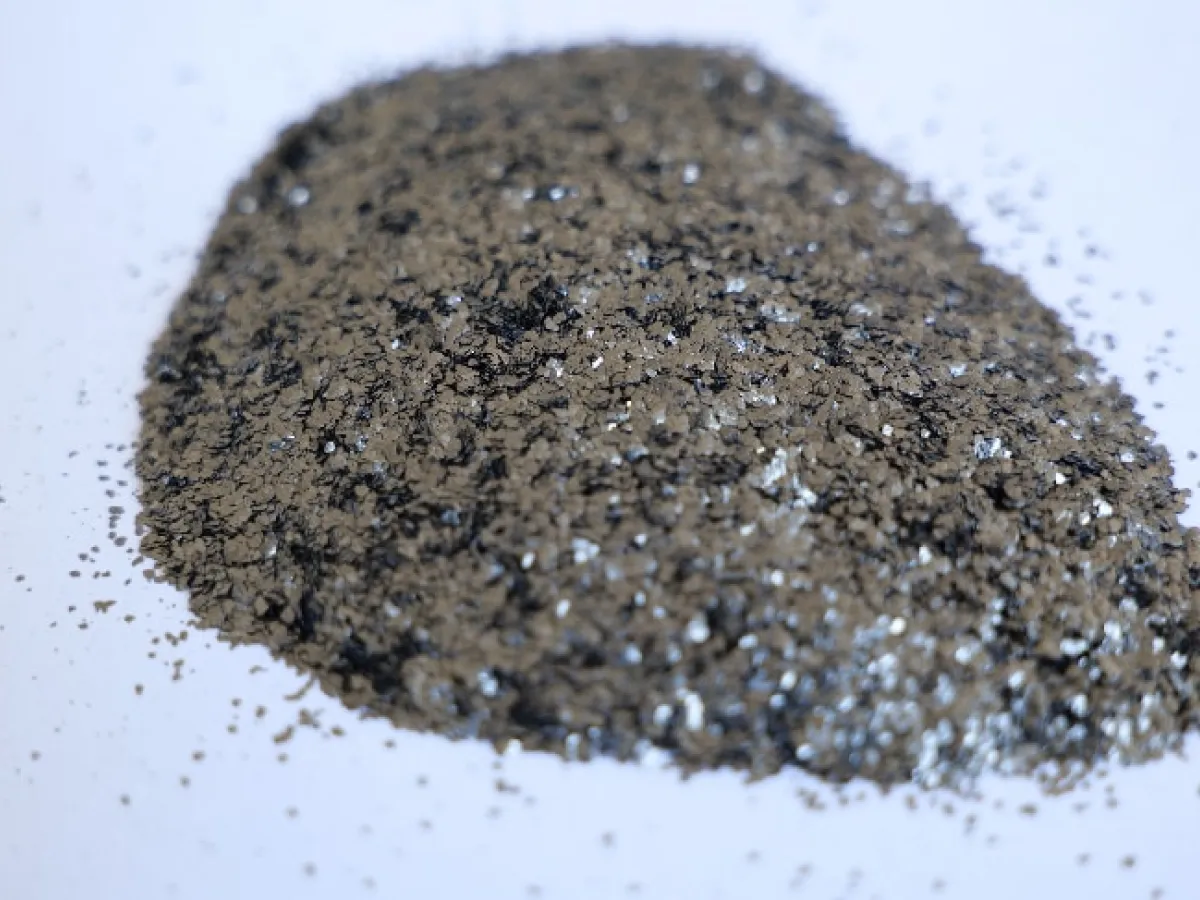
Among the technical specifications of spherical graphite, particle size distribution is one of the key parameters that determine battery performance. While D50 (median particle size) is the most commonly cited value, considering D50 alone is insufficient—the width of the particle size distribution is equally important. So, what is the difference between a narrow and a wide particle size distribution for spherical graphite? How do they each affect battery performance? As a manufacturer of spherical graphite with an annual production capacity exceeding 60,000 metric tons, we will start with the basic concepts of particle size distribution to explain the differences between narrow and wide distributions.
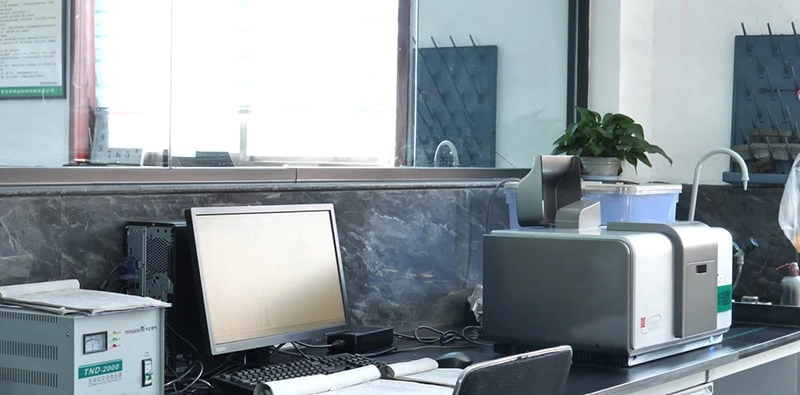
The D50 of spherical graphite refers to the particle size value corresponding to the point where 50% of the cumulative particle size distribution is reached, measured in micrometers (μm). For example, D50 = 18 μm means that 50% of the spherical graphite particles are smaller than 18 μm, while the other 50% are larger than 18 μm. However, D50 only reflects the “average” particle size and does not indicate the degree of particle size dispersion. When evaluating the width of a particle size distribution, the Span value is typically used as a metric, calculated as (D90 – D10) / D50. A smaller Span value indicates a narrower particle size distribution and a more concentrated particle size range; a larger Span value indicates a wider particle size distribution and a more dispersed particle size range.
Spherical graphite with a narrow particle size distribution (typically with a Span value less than 1.2) offers significant advantages in battery production. First, spherical graphite with a concentrated particle size distribution forms a more uniform electrode surface during the coating process, preventing electrode defects caused by the accumulation of fine powder or the protrusion of large particles. Second, spherical graphite with a narrow particle size distribution is subjected to more uniform stress during calendering, resulting in better consistency in electrode density and reducing the risk of localized overcharging or over-discharging within the battery cell. Finally, batteries using spherical graphite with a narrow particle size distribution exhibit smaller capacity variations between batches and higher product consistency. Therefore, high-end electric vehicle batteries typically specify the use of spherical graphite with a narrow particle size distribution.
Spherical graphite with a wide particle size distribution (Span value greater than 1.5) contains a higher proportion of fine particles (smaller than D10) and coarse particles (larger than D90). The presence of fine particles increases the specific surface area of the spherical graphite, leading to higher electrolyte consumption and reduced initial coulombic efficiency; coarse particles, on the other hand, may cause scratches during coating or result in particle breakage during calendering. Furthermore, the packing behavior of spherical graphite with a wide particle size distribution within electrode sheets is more complex, making it difficult to predict and control. However, in certain cost-sensitive applications where energy density requirements are not as high (such as energy storage batteries), spherical graphite with a wide particle size distribution offers certain cost advantages due to fewer production steps and higher yield rates.
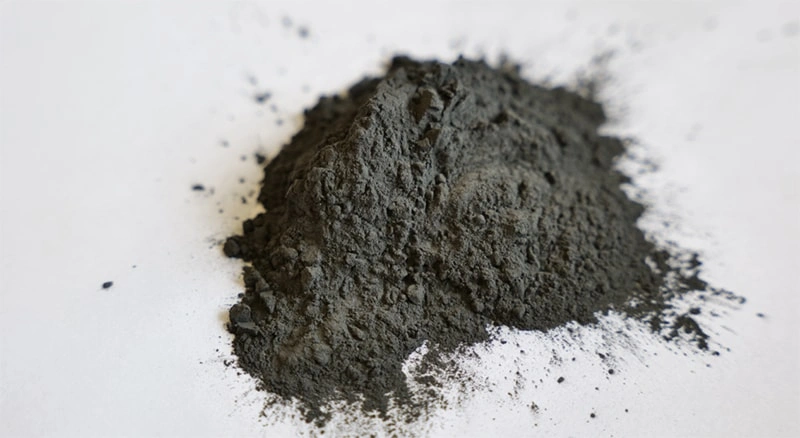
The advantages of spherical graphite with a narrow particle size distribution include better consistency, more uniform electrode sheet quality, and more stable electrochemical performance; however, it requires more precise classification during production, resulting in a relatively lower yield and higher costs. The advantages of spherical graphite with a wide particle size distribution include a simpler process, higher yield, and lower costs; however, the variation in particle size can lead to issues such as uneven electrode sheets, increased electrolyte consumption, and batch-to-batch variations. When procuring and using spherical graphite, the choice between a narrow or wide particle size distribution depends on the battery product’s positioning—high-end electric vehicle batteries prioritize narrow distributions, while certain energy storage or low-end batteries may accept wide distributions.
The width of spherical graphite’s particle size distribution directly affects battery consistency, energy density, and production yield. Narrow-distribution spherical graphite offers more stable performance and higher quality at a higher cost, making it suitable for high-end power batteries; Wide-distribution spherical graphite, on the other hand, offers lower costs at the expense of some performance and is suitable for price-sensitive applications. Our spherical graphite products support customization across a range of specifications, from narrow to wide distributions, and we can flexibly adjust the particle size distribution curve to meet customers’ battery design requirements.
Copyright © 2026 by Qingdao Baohua New Materials Technology Co., Ltd.
| Privacy Policy