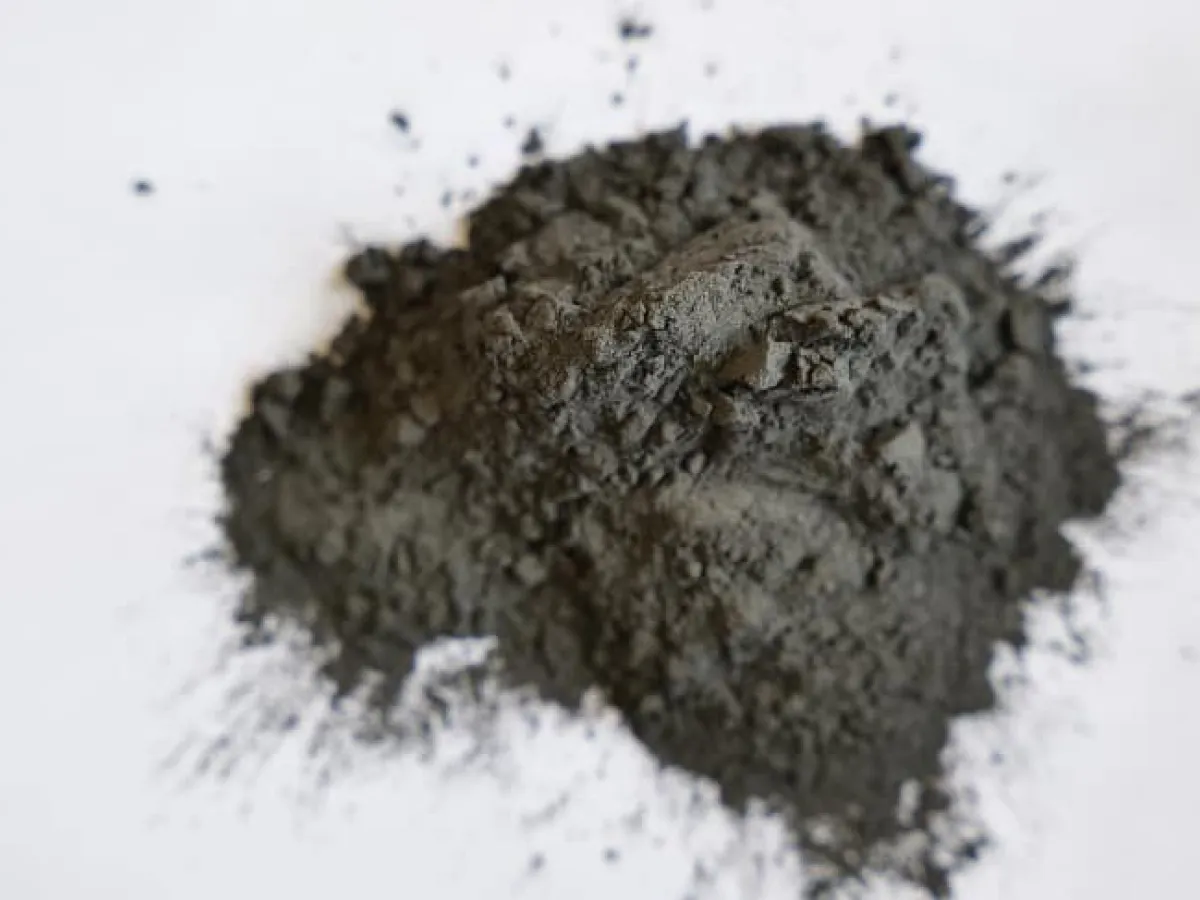
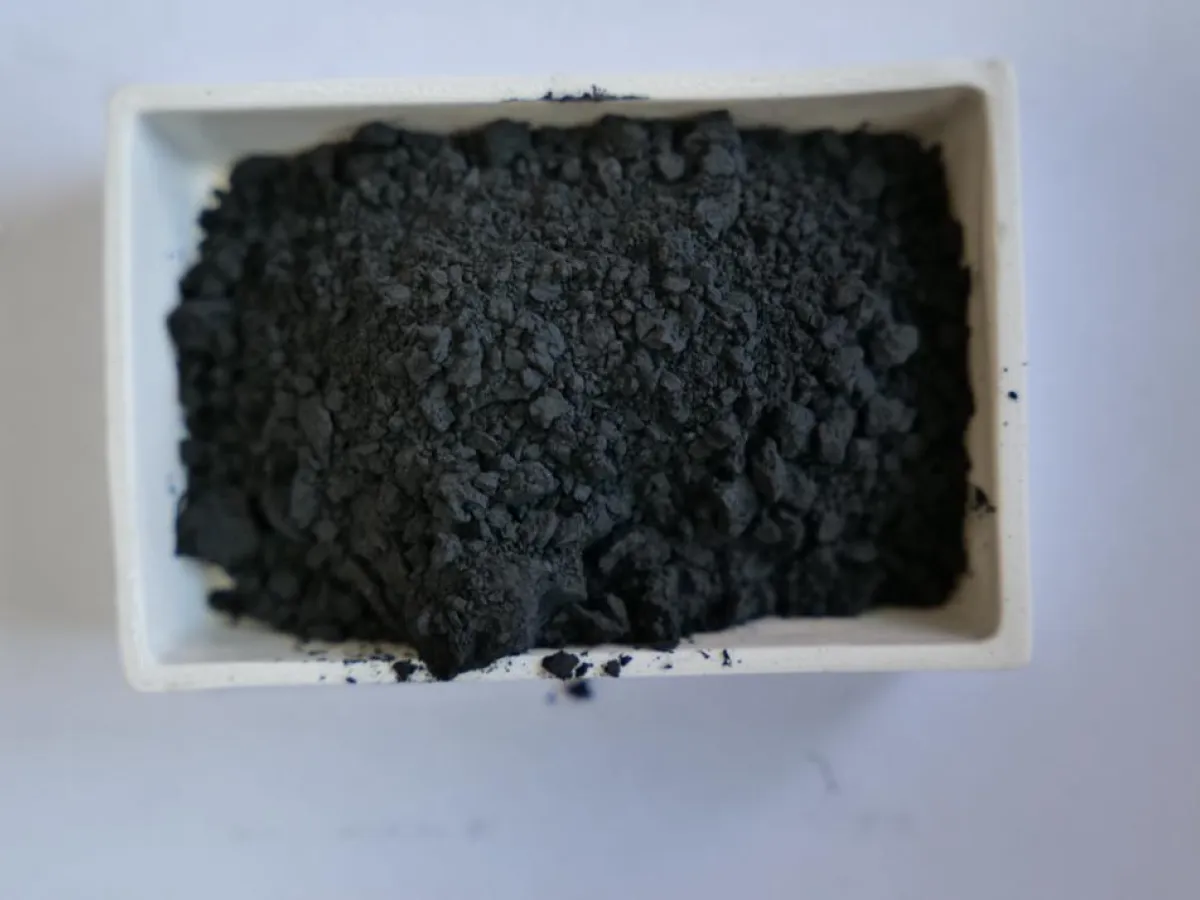
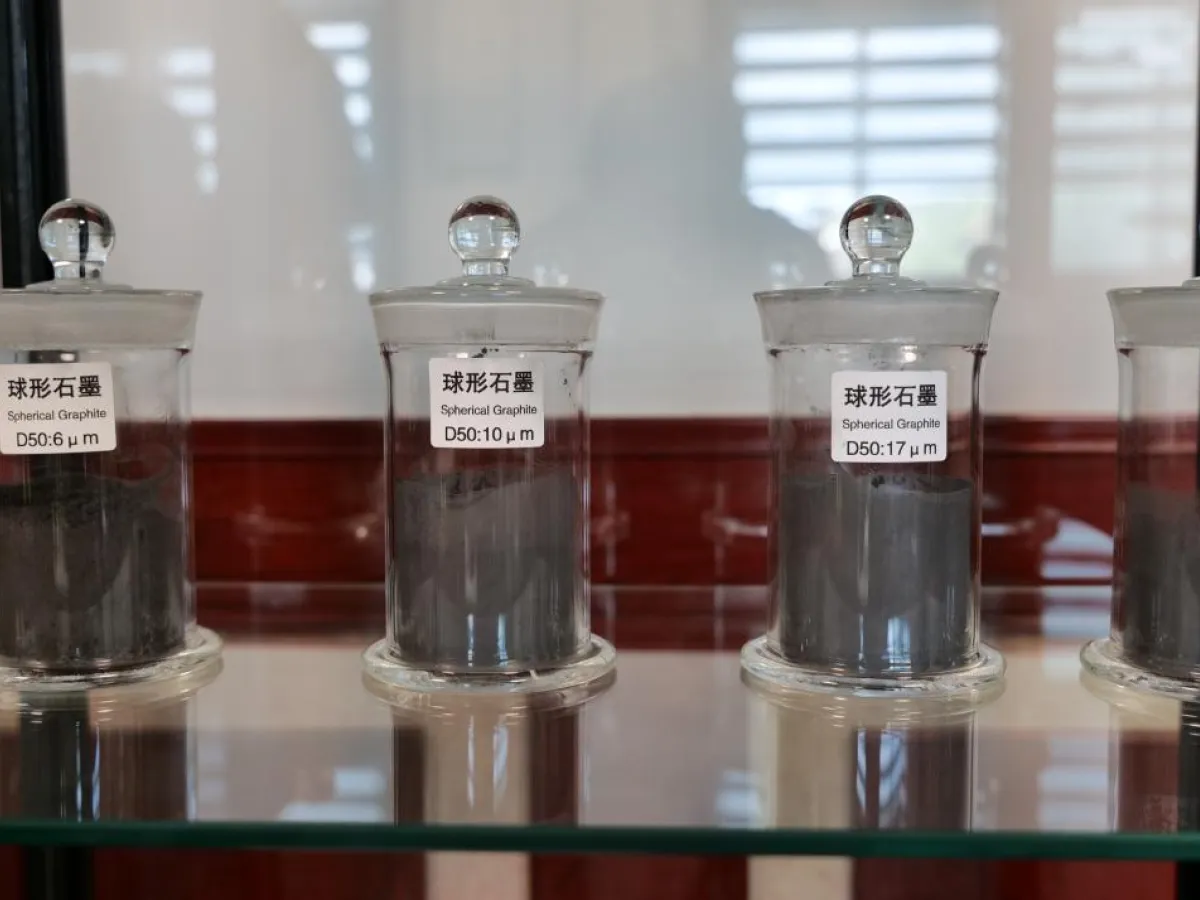
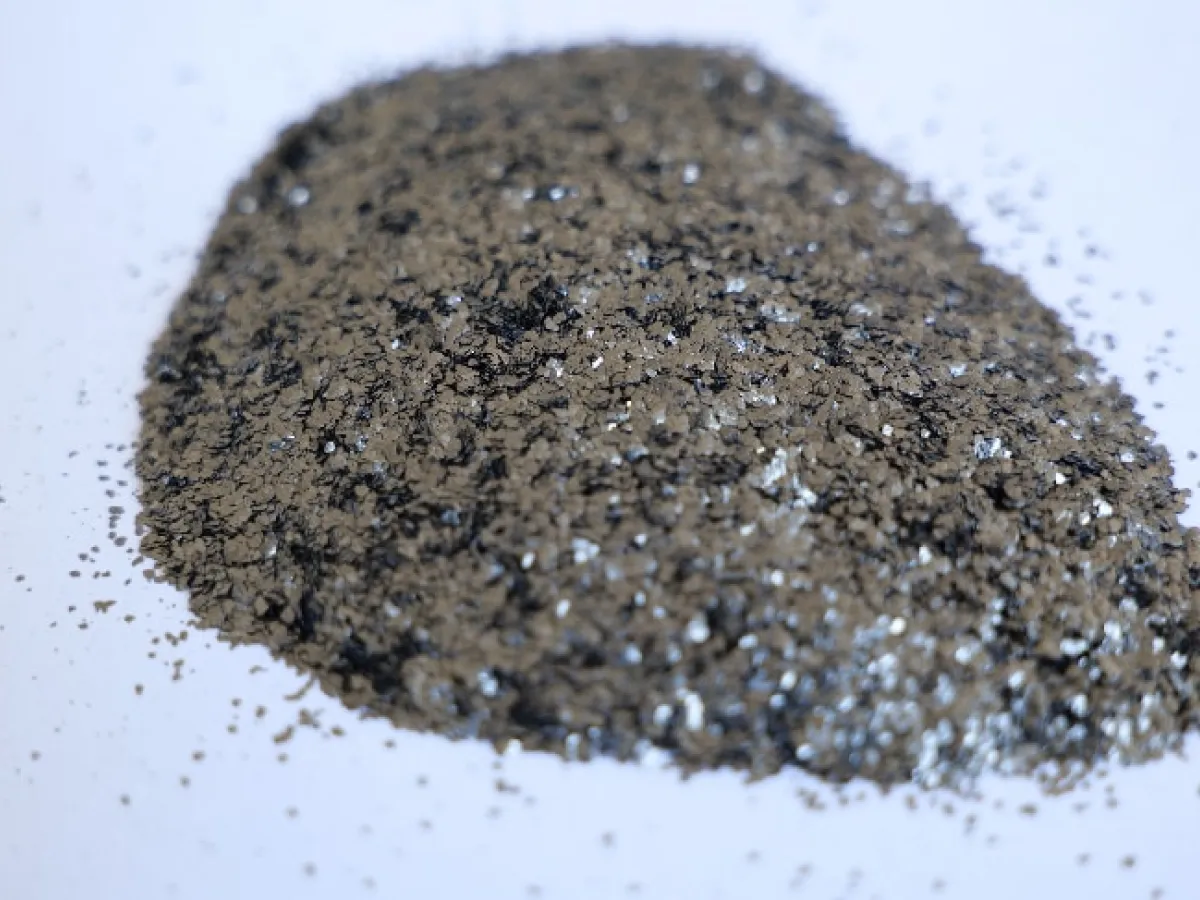
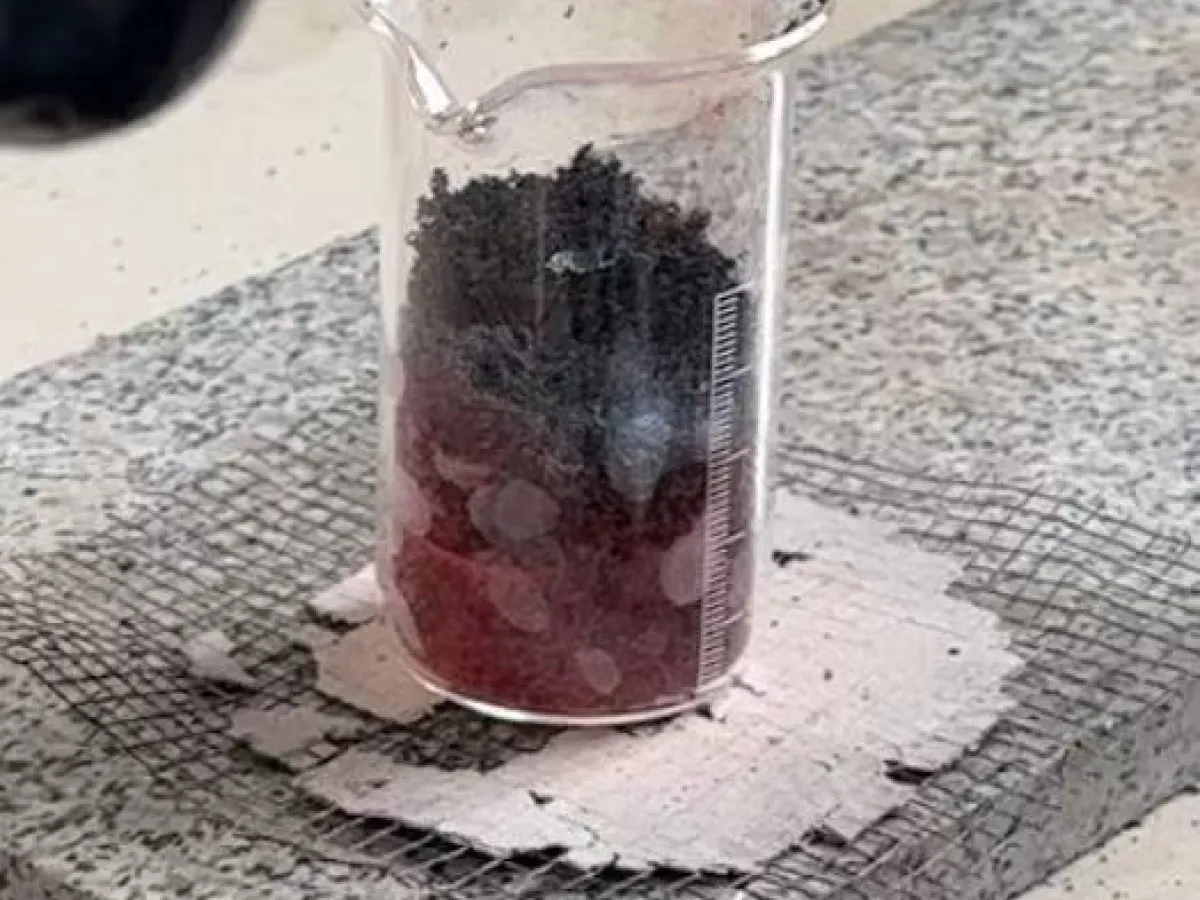
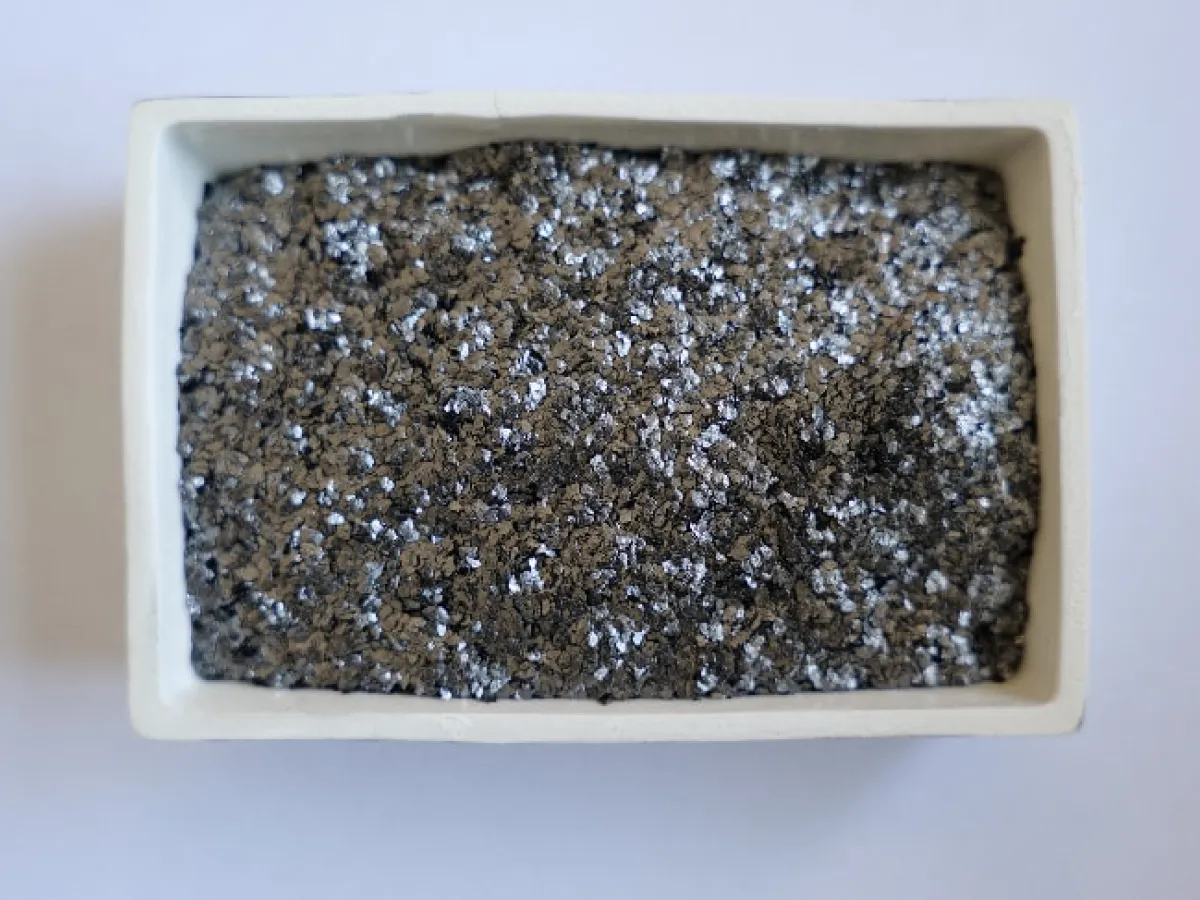
The spherical particles of spherical graphite offer superior flowability. During the production of lithium-ion battery anodes, spherical graphite must undergo processes such as pipeline conveyance, mixing and agitation, and coating. The small contact area between spherical particles results in low friction, allowing them to roll freely like bearings, making them less likely to clog pipelines or adhere to the inner walls of equipment. In contrast, flake-shaped or irregularly shaped graphite (if not sufficiently spherical) tends to get stuck together, leading to uneven flow, which in turn affects production efficiency and the uniformity of electrode coating thickness.
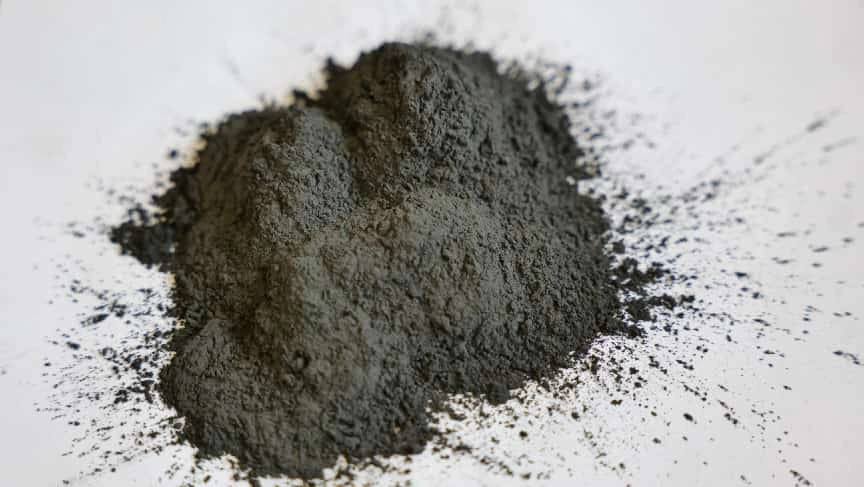
The spherical shape of spherical graphite enables a higher tapped density. When spherical particles are packed together, particles of different sizes can fill the gaps between each other, forming a compact packing structure. A high tap density means that more spherical graphite can be packed into the same volume of anode electrode, thereby increasing the volumetric energy density of the lithium-ion battery. High-quality spherical graphite can achieve a tap density of 1.0 g/cm³ or higher, whereas ordinary flake graphite powder typically has a tap density of only 0.6–0.8 g/cm³. This is why high-energy-density batteries must use spherical graphite.
The spherical shape of spherical graphite confers isotropic properties. During the electrode sheet compaction process, flake-shaped particles tend to align parallel to each other, resulting in differing rates of lithium-ion insertion and extraction in different directions (anisotropy). In contrast, spherical graphite particles are subjected to uniform forces in all directions and exhibit no significant orientation. This isotropy allows lithium ions to rapidly enter the interior of the particles from all directions, significantly enhancing the battery’s rate capability and fast-charging performance. This is the core advantage of spherical graphite over flake graphite in terms of electrochemical performance.
The spherical morphology of spherical graphite helps control the specific surface area. For a given volume, spherical particles have the smallest surface area. For spherical graphite, the specific surface area must be controlled within a reasonable range—too small a value impedes lithium-ion insertion pathways, while too large a value consumes more electrolyte and reduces the initial coulombic efficiency. High-quality spherical graphite, through precise shaping processes, maintains a specific surface area below 5 m²/g while preserving sufficient active surface area. In contrast, flake graphite, due to its irregular shape, often exhibits an excessively high specific surface area that is difficult to control.
Spherical graphite adopts a spherical structure because this shape offers four major advantages: better flowability, higher tap density, isotropic electrochemical performance, and a controllable specific surface area. These characteristics make spherical graphite an indispensable choice for lithium-ion battery anode materials.
Copyright © 2026 by Qingdao Baohua New Materials Technology Co., Ltd.
| Privacy Policy