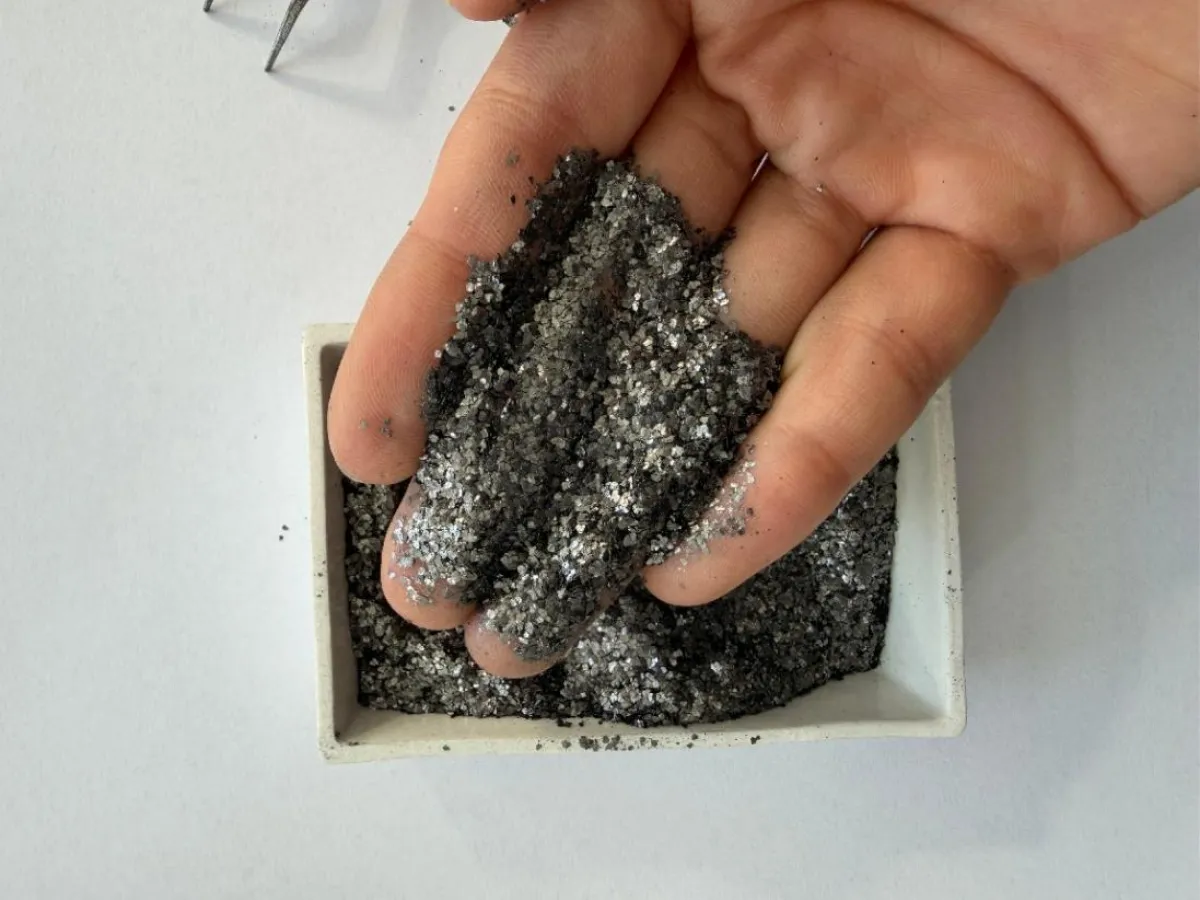
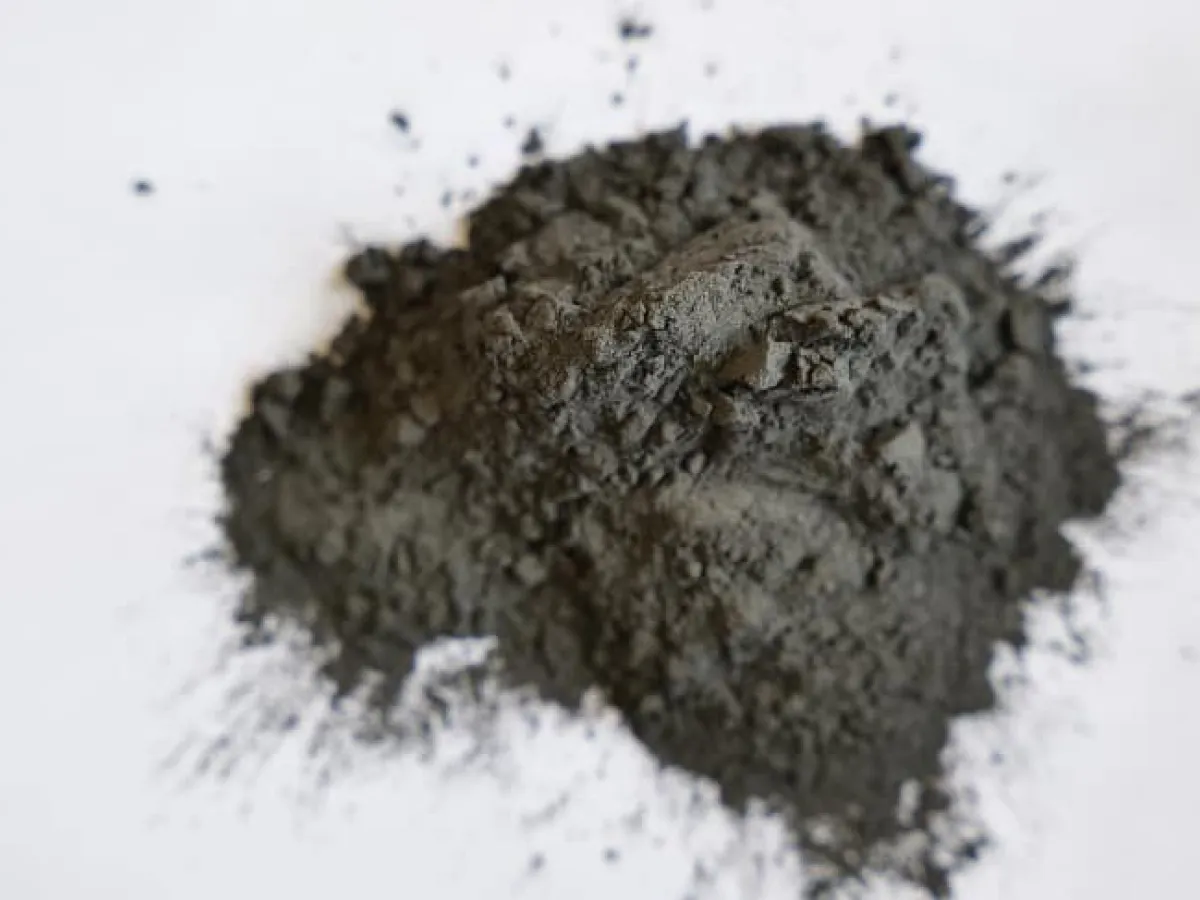
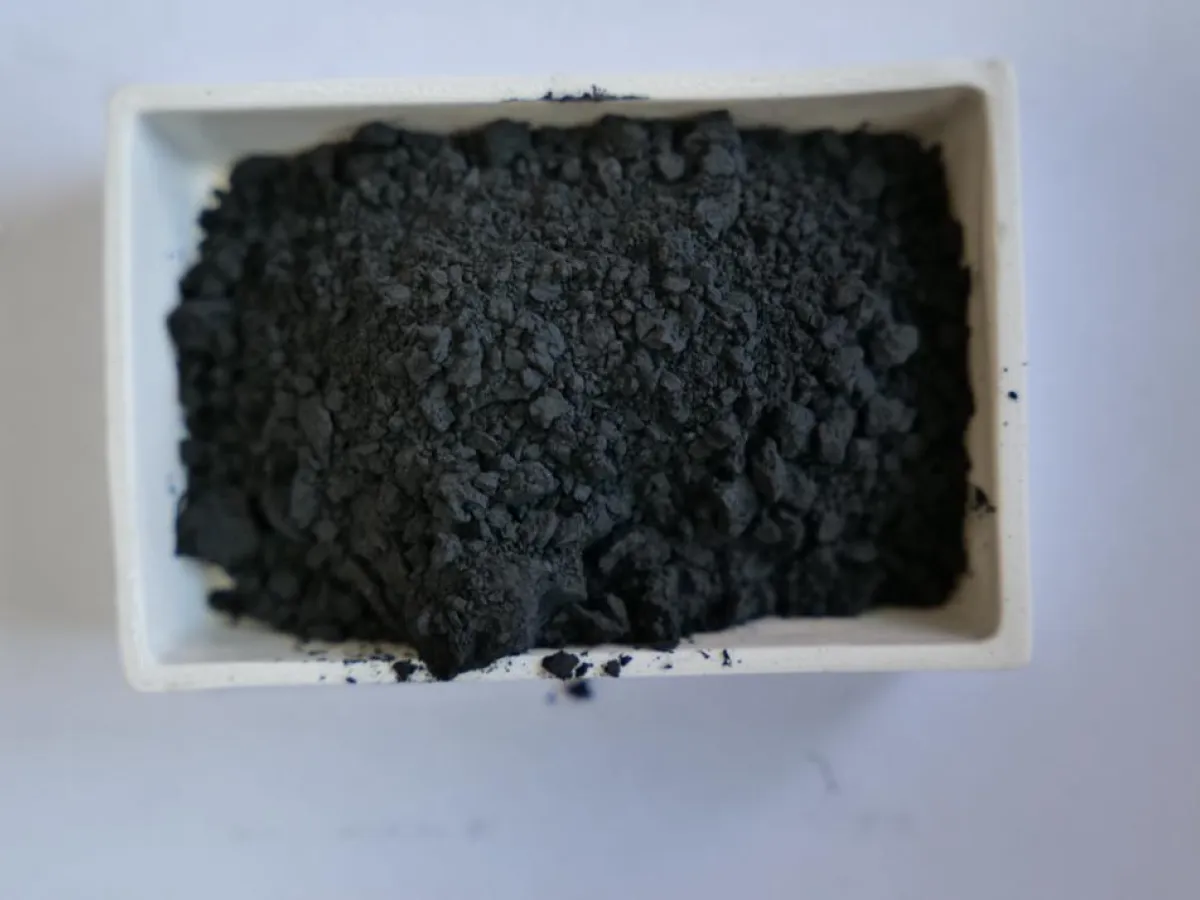
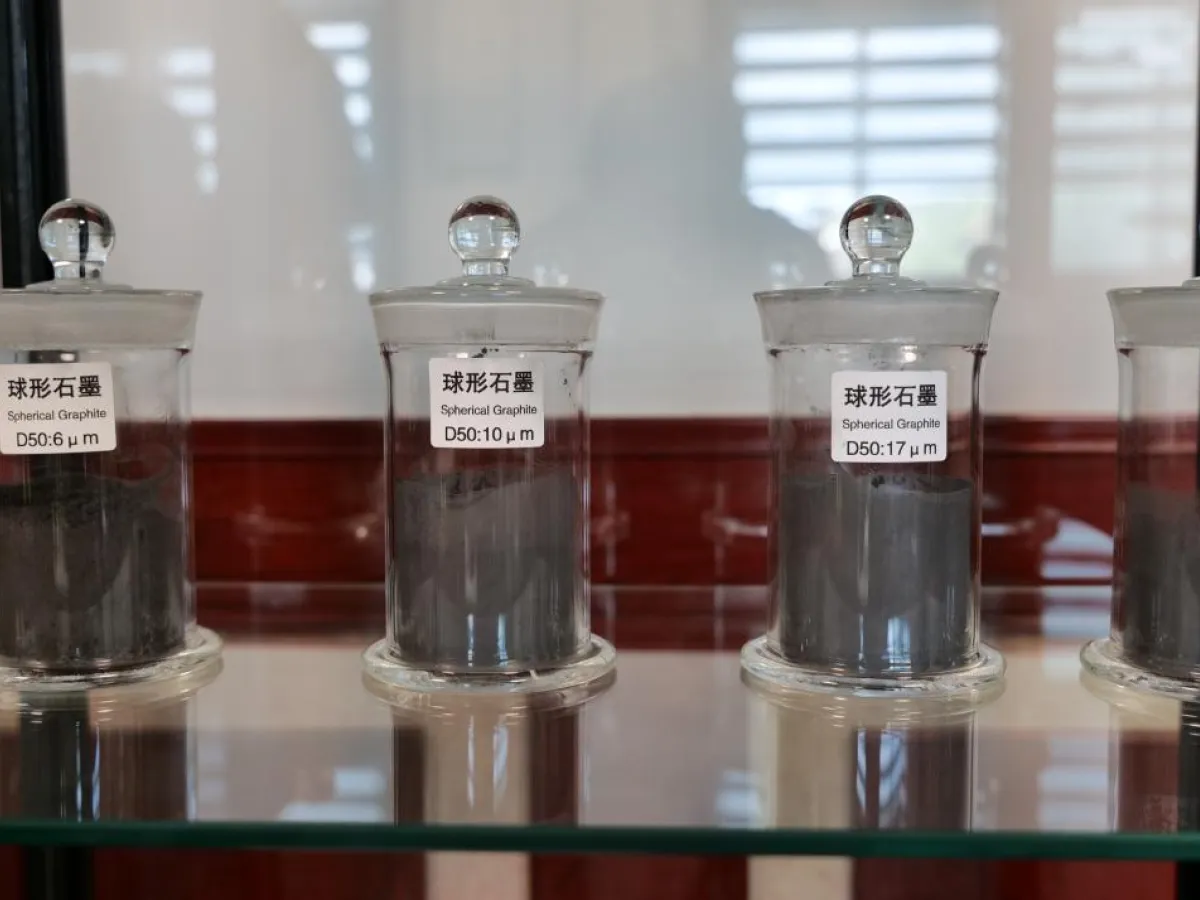
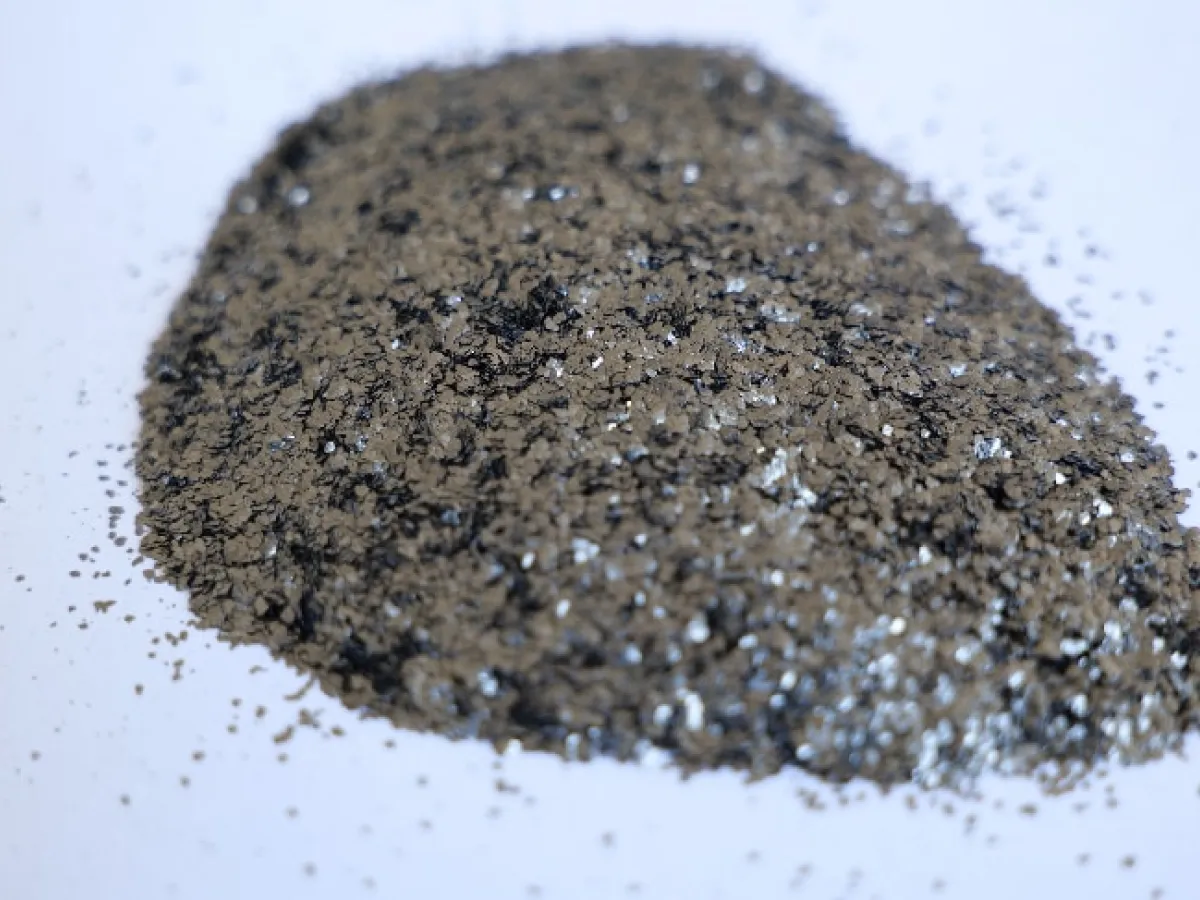
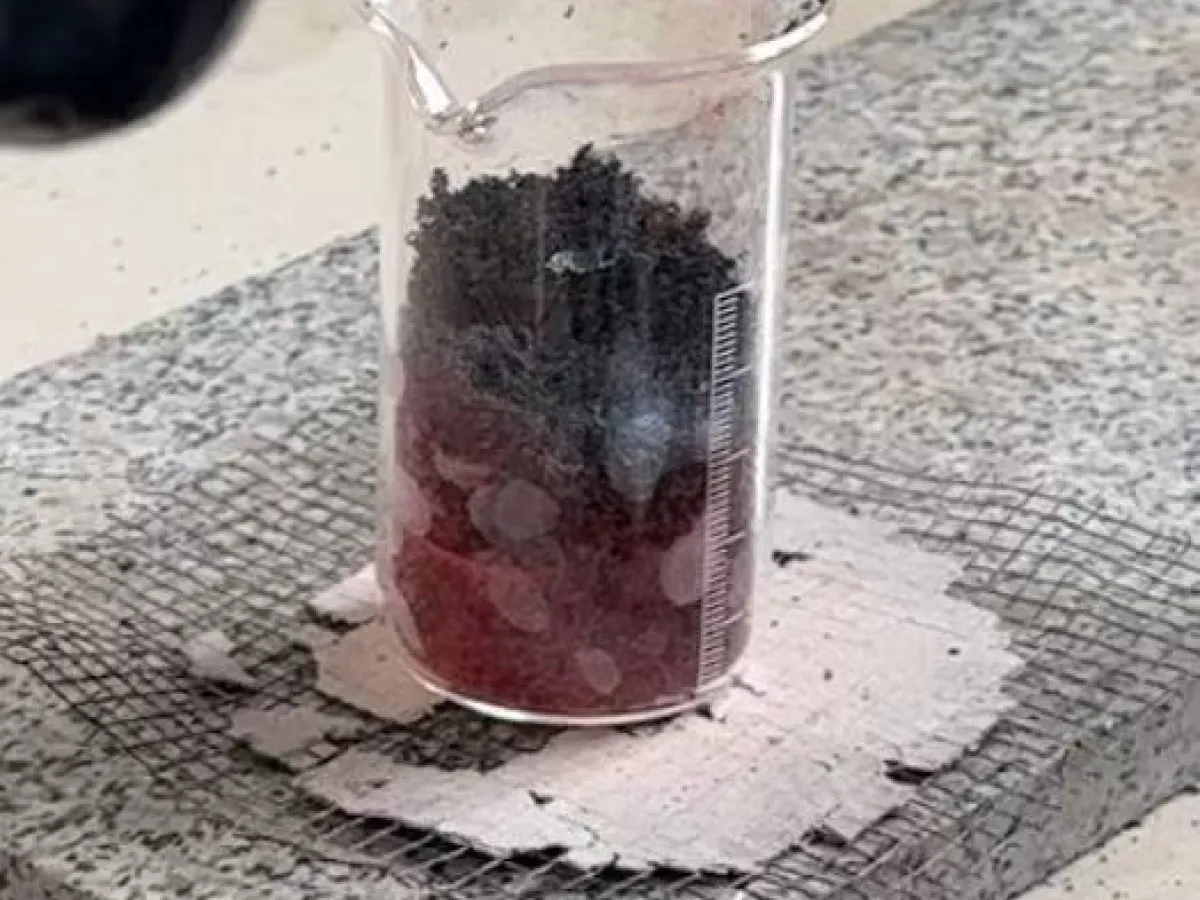
Spherical graphite is produced from high-quality natural flake graphite through processes such as pulverization, shaping, grading, and purification. Its unique spherical or near-spherical particle structure makes it suitable for direct use as an anode material in lithium-ion batteries. Compared to flake graphite, spherical graphite offers significant advantages in terms of packing density, rate capability, and cycle life, and is widely used in new energy vehicle power batteries, energy storage batteries, and consumer electronics batteries.
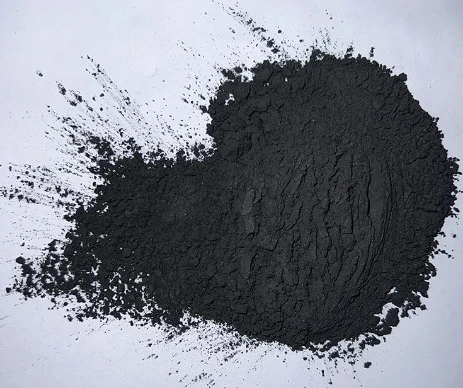
Why is Spherical Graphite Chosen for Lithium-Ion Battery Anodes?
Spherical graphite has become the mainstream choice for anode materials primarily due to the following core performance advantages:
- Higher packing density: Spherical particles allow for tight packing, increasing the compacted density of the electrode sheet
- Excellent rate capability: Uniform microporous channels form between particles, facilitating rapid lithium-ion insertion and extraction
- Good isotropy: The spherical structure allows lithium ions to enter from all directions, reducing internal resistance
- Stable cycling performance: Cycle life is further enhanced after surface coating treatment
- High initial Coulombic efficiency: When paired with a suitable electrolyte system, it can reach over 93%
These characteristics make spherical graphite the preferred solution for current commercial lithium-ion battery anode materials.
Spherical Graphite Production Process
Flake graphite concentrate → Coarse crushing → Fine grinding → Spherical shaping → Classification → Chemical purification/High-temperature purification → Surface modification (optional) → Final product
Among these steps, spheronization is the core technological process. Using specialized equipment, the fine graphite powder undergoes repeated impact and shearing, gradually rounding the edges of flake-shaped particles to form spherical or ellipsoidal particles. The success rate of spheronization and the ability to control particle size distribution directly determine product quality.
Key Technical Specifications of Spherical Graphite
- Particle Size (D50): Common specifications include 10 μm, 15 μm, 18 μm, and 25 μm; different particle sizes are selected based on battery design
- Specific Surface Area (BET): Typically controlled within the range of 1.0–2.5 m²/g; affects initial efficiency and rate performance
- Tapped Density: ≥0.9 g/cm³; high-quality products can reach 1.0 g/cm³ or higher
- Purity (Fixed Carbon Content): ≥99.95%; high-purity products are used in high-end power batteries
- Moisture and Impurity Content: Magnetic contaminants such as iron, cobalt, and nickel must be strictly controlled to the ppm level
Applications of Spherical Graphite
Primarily used in the following lithium-ion battery segments:
- New energy vehicle power batteries: Require high rate capability, long cycle life, and high safety
- Energy storage battery systems: Emphasize a balance between cost control and cycle life
- Consumer electronics batteries: Smartphones, laptops, seeking high energy density
- Power tools and light electric vehicles: Require high rate discharge capability
Differences Between Spherical Graphite and Flake Graphite
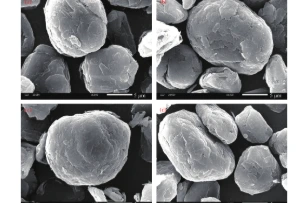
- Morphological Differences: Flake graphite is plate-shaped, while spherical graphite is spherical or near-spherical
- Processing Level: Flake graphite is a semi-finished product, while spherical graphite is a highly processed product
- Primary Applications: Flake graphite is used in refractory materials, seals, and as raw material for spherical graphite; spherical graphite is used directly as the anode material in lithium-ion batteries
- Technical barriers: The production process for spherical graphite is more complex, with higher equipment and technical barriers
- Market price: Spherical graphite is typically significantly more expensive than flake graphite
Future Market Outlook
With the continued expansion of the global new energy vehicle and energy storage industries, demand for spherical graphite is expected to maintain strong growth. According to industry forecasts, global demand for spherical graphite will exceed 2 million metric tons by 2030.
At the same time, as next-generation silicon-carbon anode technology advances toward commercialization, spherical graphite will continue to play a vital role as a key conductive matrix and a buffer material for volume expansion.
Spherical graphite serves as a critical intermediate product bridging natural flake graphite and high-end lithium-ion battery anodes. With its superior physicochemical properties and mature industrial infrastructure, it has become an indispensable strategic material in the new energy industry chain.
Copyright © 2026 by Qingdao Baohua New Materials Technology Co., Ltd.
| Privacy Policy