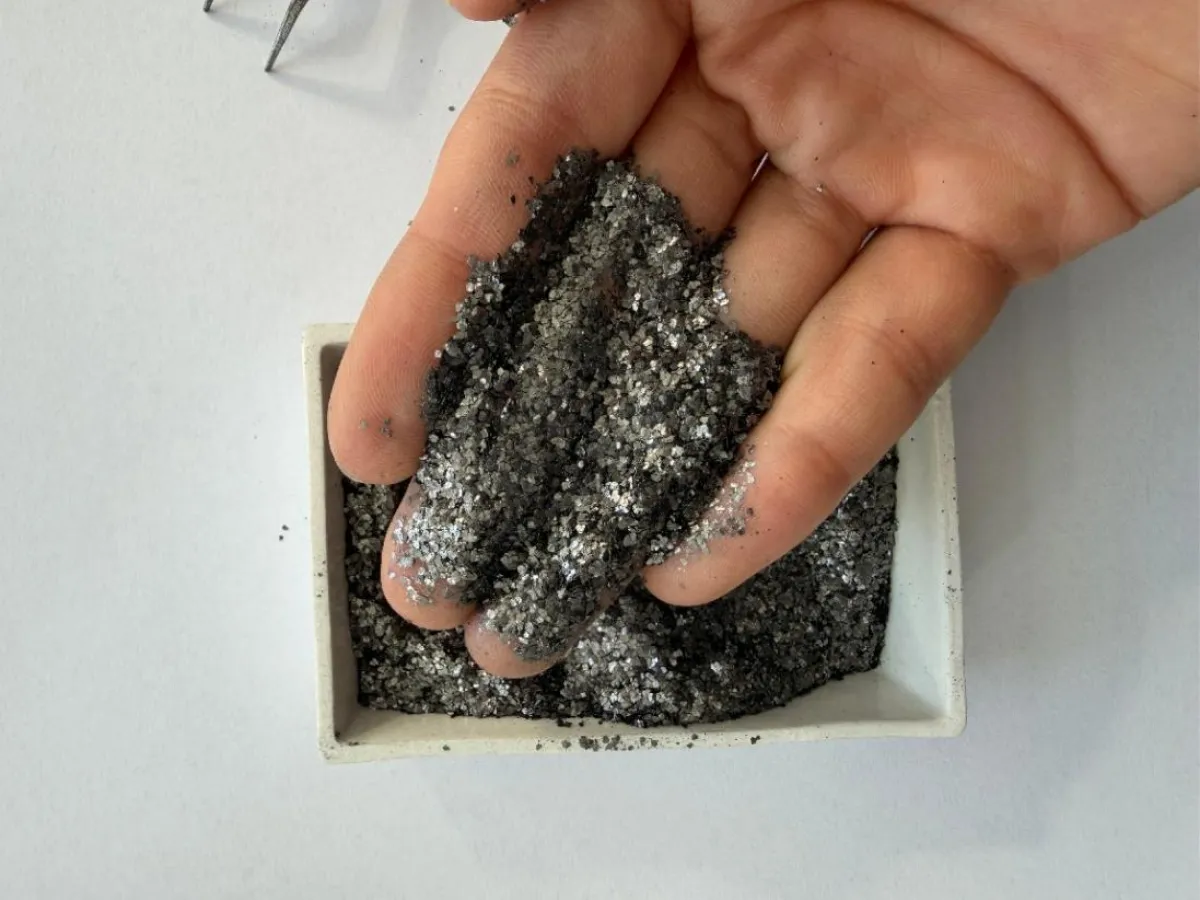
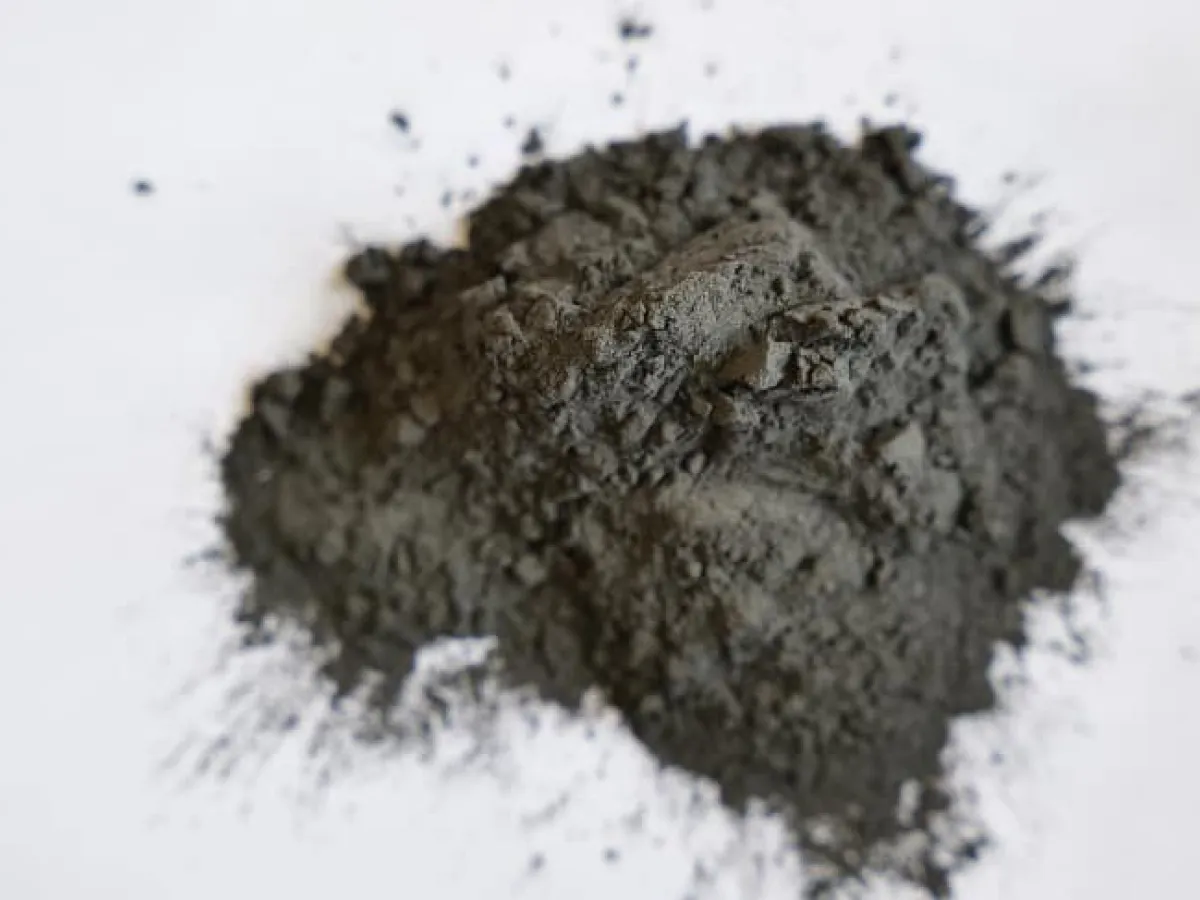
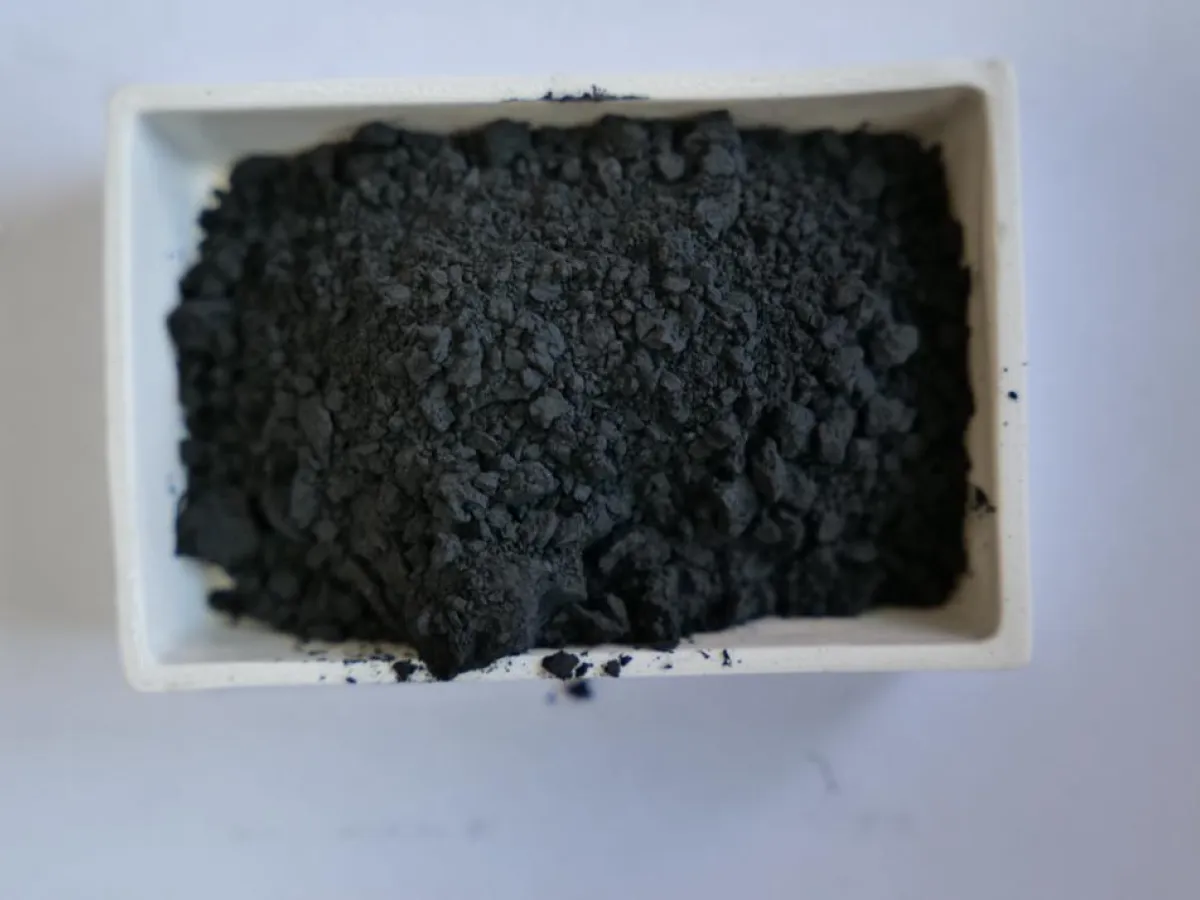
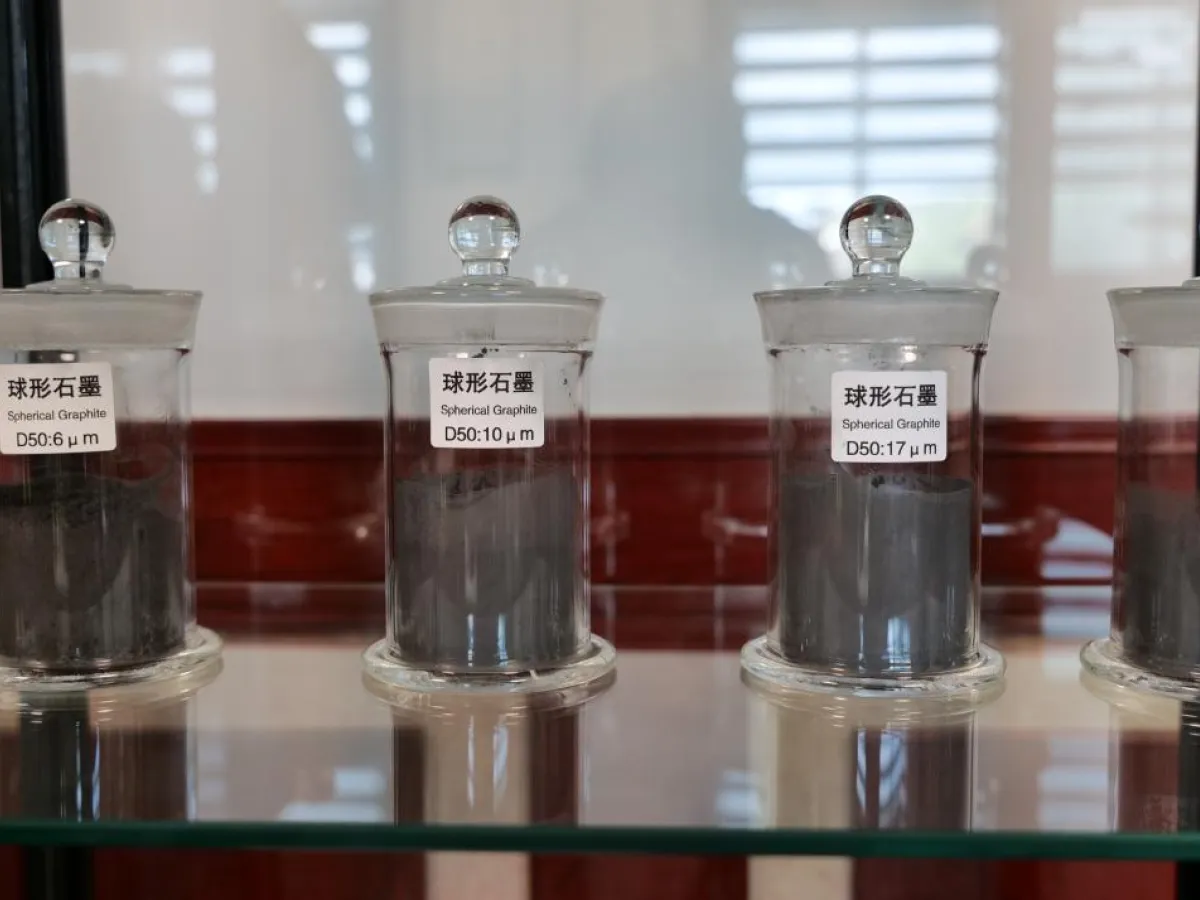
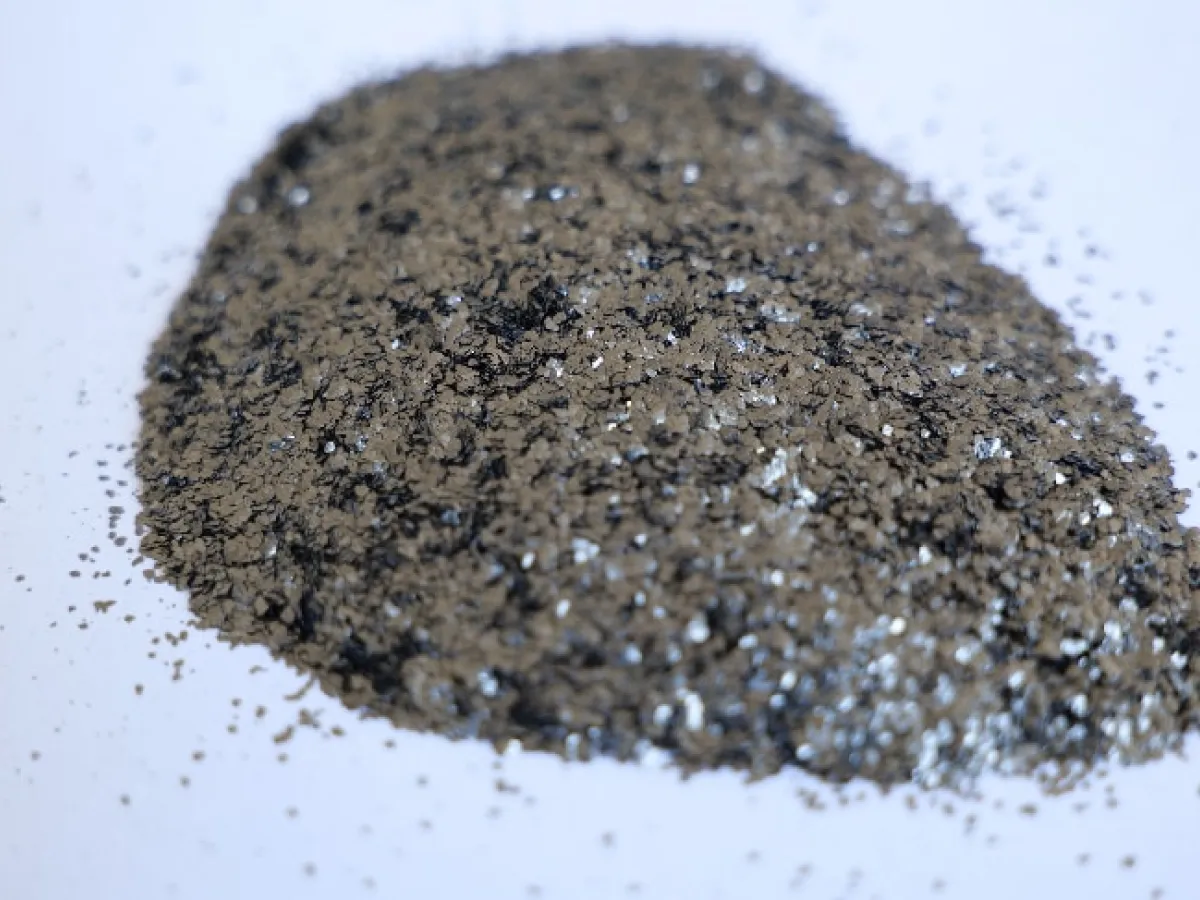
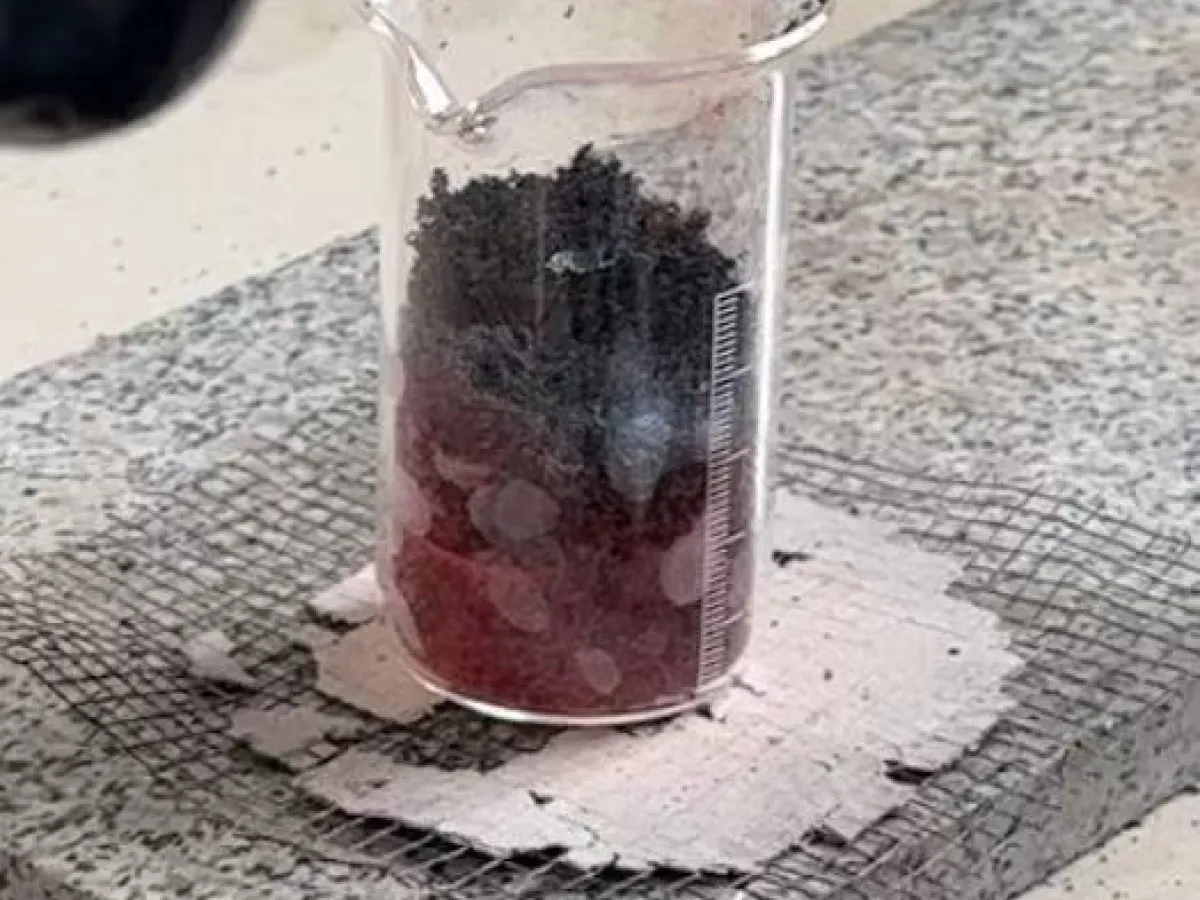
High-purity graphite features well-formed flake crystals that are thin and highly ductile, with excellent physical and chemical properties. It offers superior thermal conductivity and high-temperature resistance, making it widely used in industrial sectors such as metallurgy, chemical engineering, aerospace, electronics, machinery, and nuclear energy. In particular, large-sized, high-quality high-purity graphite, as a substitute material, has broad application potential in high-tech and emerging technology fields, with promising prospects for future use.
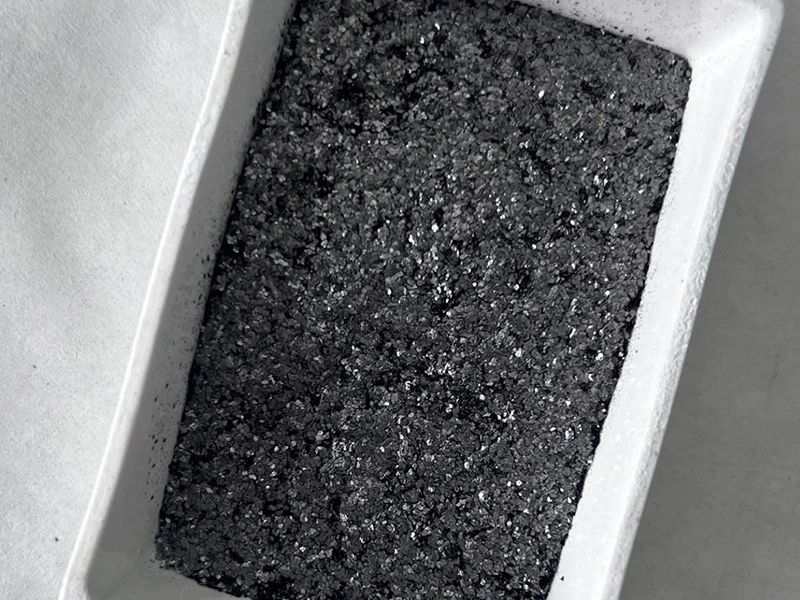
High-purity graphite refers to graphite with a carbon content exceeding 99.99%. It offers advantages such as high strength, high density, high purity, excellent shock resistance, high-temperature resistance, oxidation resistance, low electrical resistivity, corrosion resistance, and ease of precision machining. As an ideal inorganic non-metallic material, it is used in the manufacture of electric heating elements, graphite for electrical discharge machining (EDM), sintering molds, and cathode ray tube anodes. It is widely applied in the metallurgical industry for advanced refractory materials and coatings, stabilizers for pyrotechnic materials in the military industry, pencil leads in the light industry, carbon brushes in the electrical industry, electrodes in the battery industry, and catalyst additives in the fertilizer industry, among others. Through further processing, high-purity graphite can also be used to produce high-tech products such as graphite emulsion, graphite sealing materials and composites, graphite products, and graphite anti-friction additives, making it an important non-metallic mineral raw material across various industrial sectors.
High-purity graphite flakes feature complete crystallization, thin layers, and excellent toughness, along with superior physical and chemical properties. They possess good thermal conductivity and high-temperature resistance, making them widely used in industrial sectors such as metallurgy, chemical engineering, aerospace, electronics, machinery, and nuclear energy. In particular, large-sized, high-quality high-purity graphite, as a substitute material, has broad application potential in high-tech and new technology fields, offering extensive prospects for future use.
There are two methods for purifying high-purity graphite: wet purification and pyrometallurgical purification. Wet purification includes flotation, acid-base leaching, and hydrofluoric acid treatment; pyrometallurgical purification includes chlorination roasting and high-temperature processing.
Copyright © 2026 by Qingdao Baohua New Materials Technology Co., Ltd.
| Privacy Policy