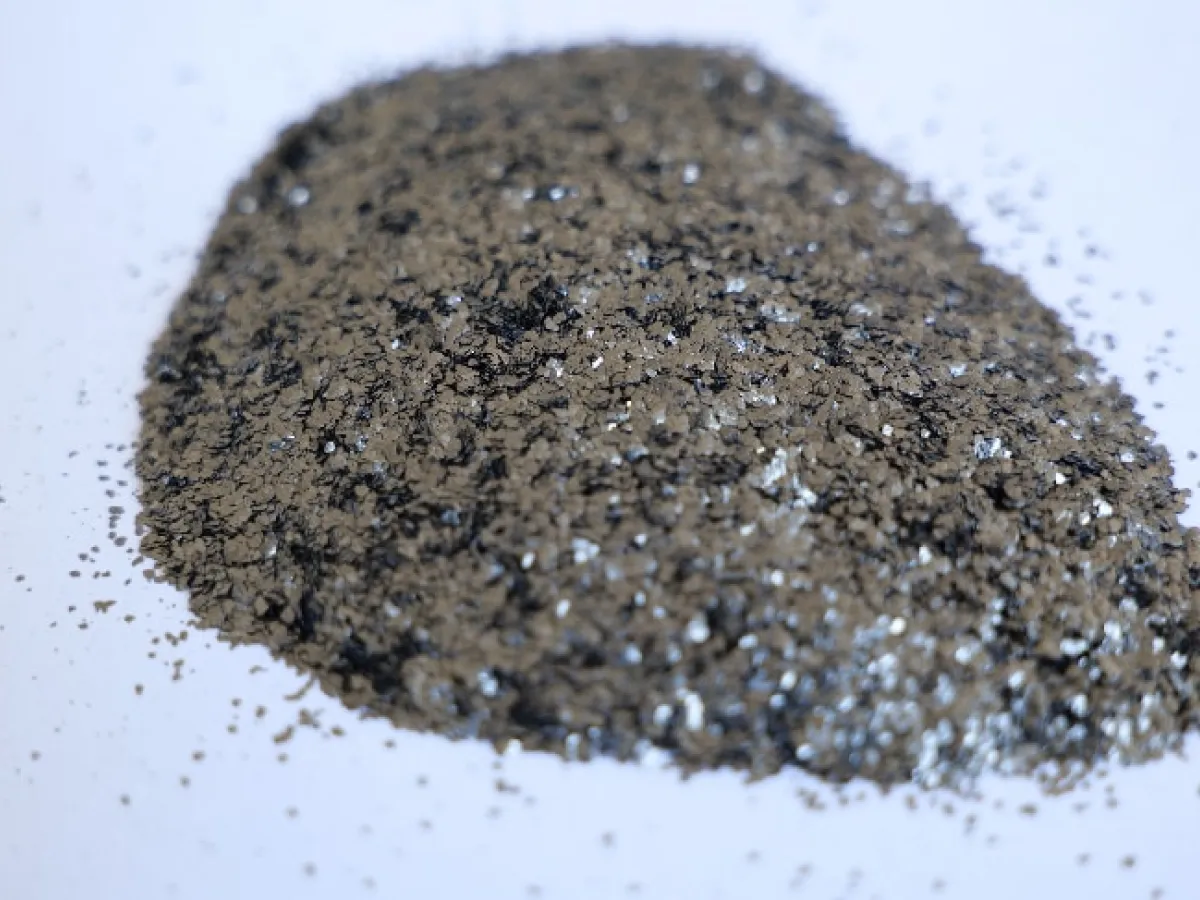
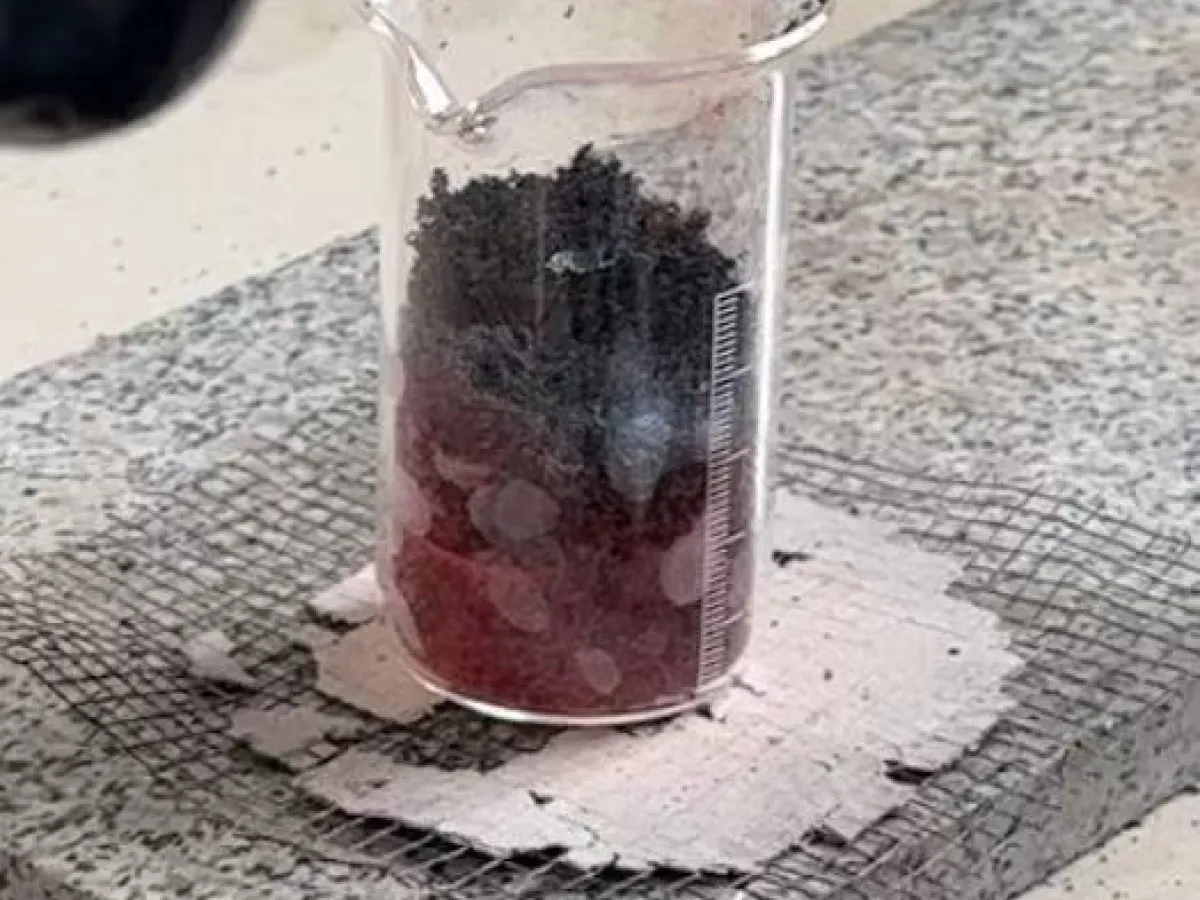
If expandable graphite powder is found to be impure, what are the causes of this defect? Let’s explore this together with the Expandable Graphite Powder Network.
If expandable graphite powder is found to be impure, what are the causes of this defect? Let’s explore this together with the Expandable Graphite Powder Network.
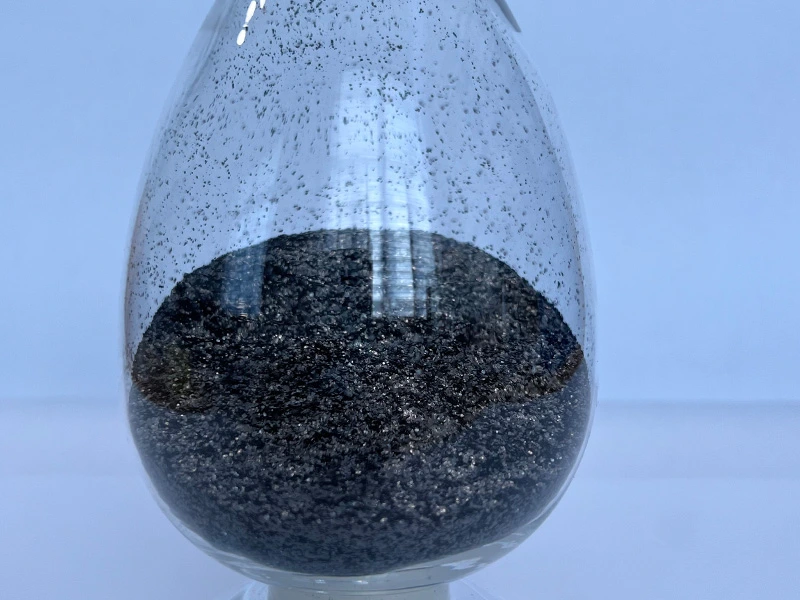
1. Selection of Raw Materials Under identical production conditions, the purity of high-purity graphite is directly related to the ash content of the selected raw materials. Civilian-grade expandable graphite products follow this pattern: raw materials with high ash content result in products with high ash content. Therefore, the ash content of petroleum coke used to produce high-purity graphite must be below 15%. Below 15%. Although there are no specific requirements for boron content, it is analyzed, with actual values generally below 0.5 ppm. As a result, the total ash content of the product is around 5 ppm, the boron content is approximately 0.1 ppm, and the thermal neutron absorption cross-section is 3.8–3.94 mb.
2. High-Temperature Tempering and Concurrent Halogenation Treatment The temperature during graphitization, as well as whether concurrent halogenation treatment is performed, has a fundamental impact on the extent of ash removal. Various impurity components generally begin to evaporate only after 1500°C and are largely eliminated by 2500°C. Concurrent halogenation treatment yields significantly more effective impurity removal. Taking a specific product as an example, thermal purification reduces ash content by only about 7%, whereas halogen lamp chemical purification can reduce it by approximately 30 times.
3. Strict and rigorous control of purification conditions throughout each production process, with particular attention to these conditions, is a key issue that should be consistently emphasized in the production and refinement of nuclear-grade high-purity graphite. This helps prevent external impurities from infiltrating raw materials and the paste, which is crucial for ensuring the purity of nuclear-grade high-purity graphite. During graphitization and subsequent processing, water, oil, sweat, and other contaminants must be strictly prohibited from coming into contact with the product.
4. Commonly Used Equipment for Expandable Graphite Powder Production: After raw materials arrive at the plant and undergo pre-crushing and mixing processes, their ash content generally increases. Specifically, the ash content of raw materials after calcination is approximately 5% higher than before calcination, while the ash content of the paste after mixing is approximately 7% higher than that of the calcined raw materials. The increase in ash content is attributed not only to poor storage of raw materials after arrival, which allows contamination by dust and impurities, but more critically to metal particles and refractory materials generated by wear in the production equipment. Therefore, developing equipment for the production of high-purity graphite that minimizes or prevents an increase in product ash content is a research topic worthy of serious consideration. For example, installing electromagnetic separators to remove metal particles from the crushed raw materials.
Copyright © 2026 by Qingdao Baohua New Materials Technology Co., Ltd.
| Privacy Policy