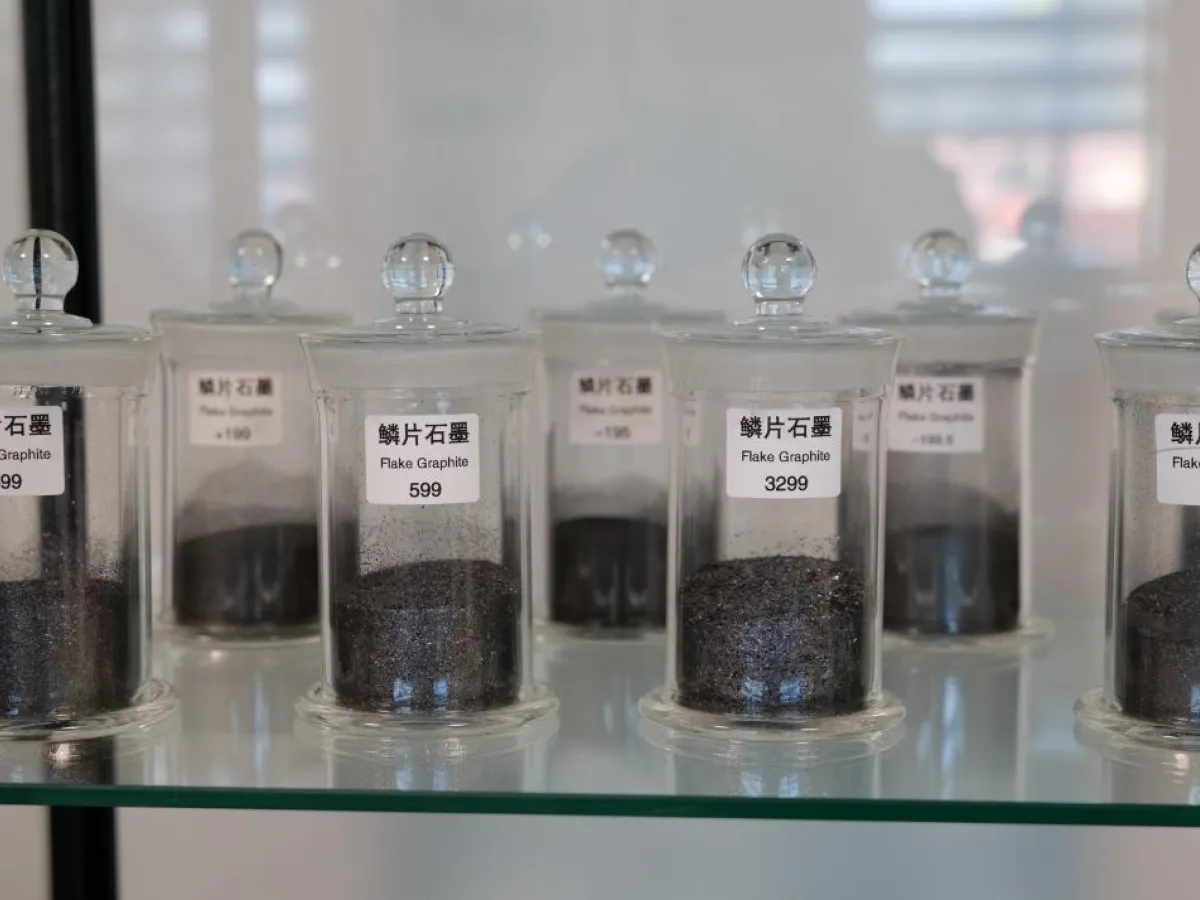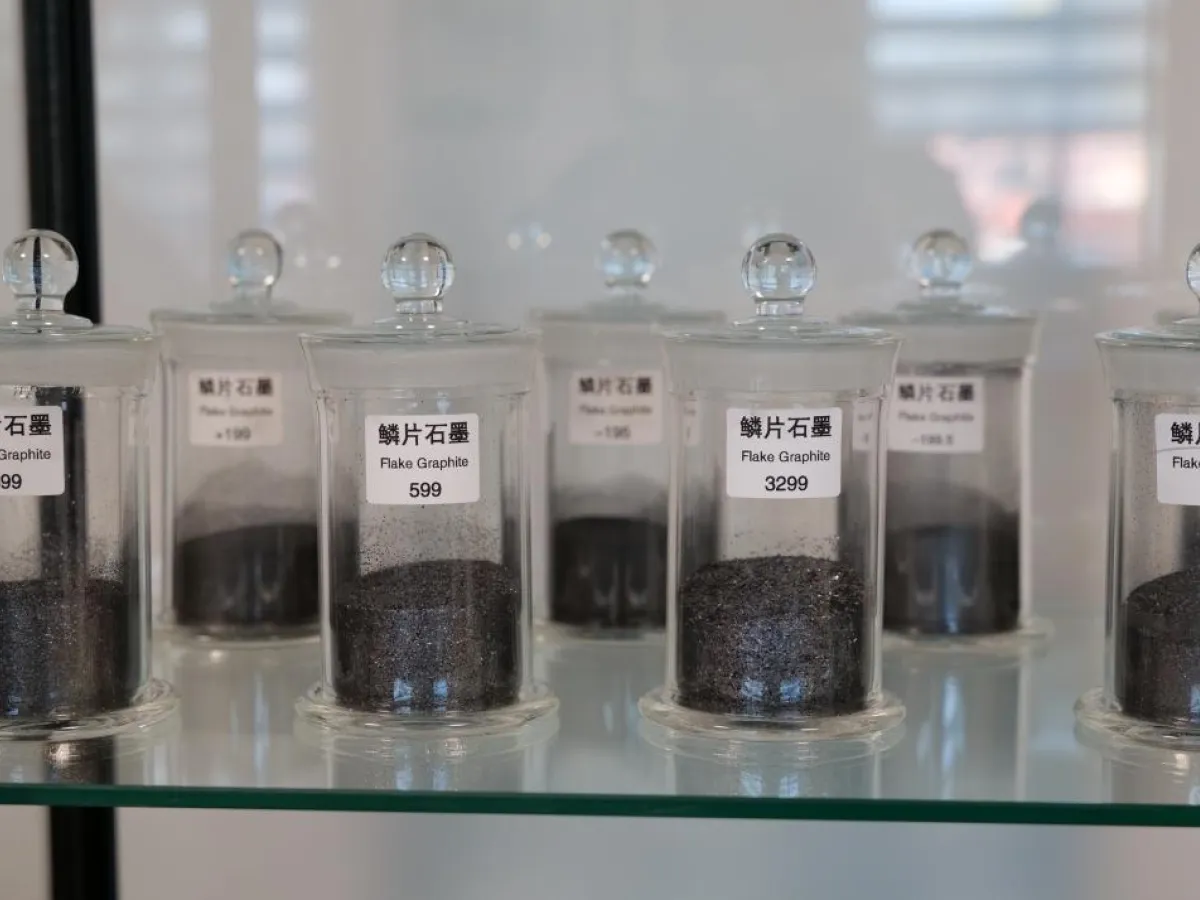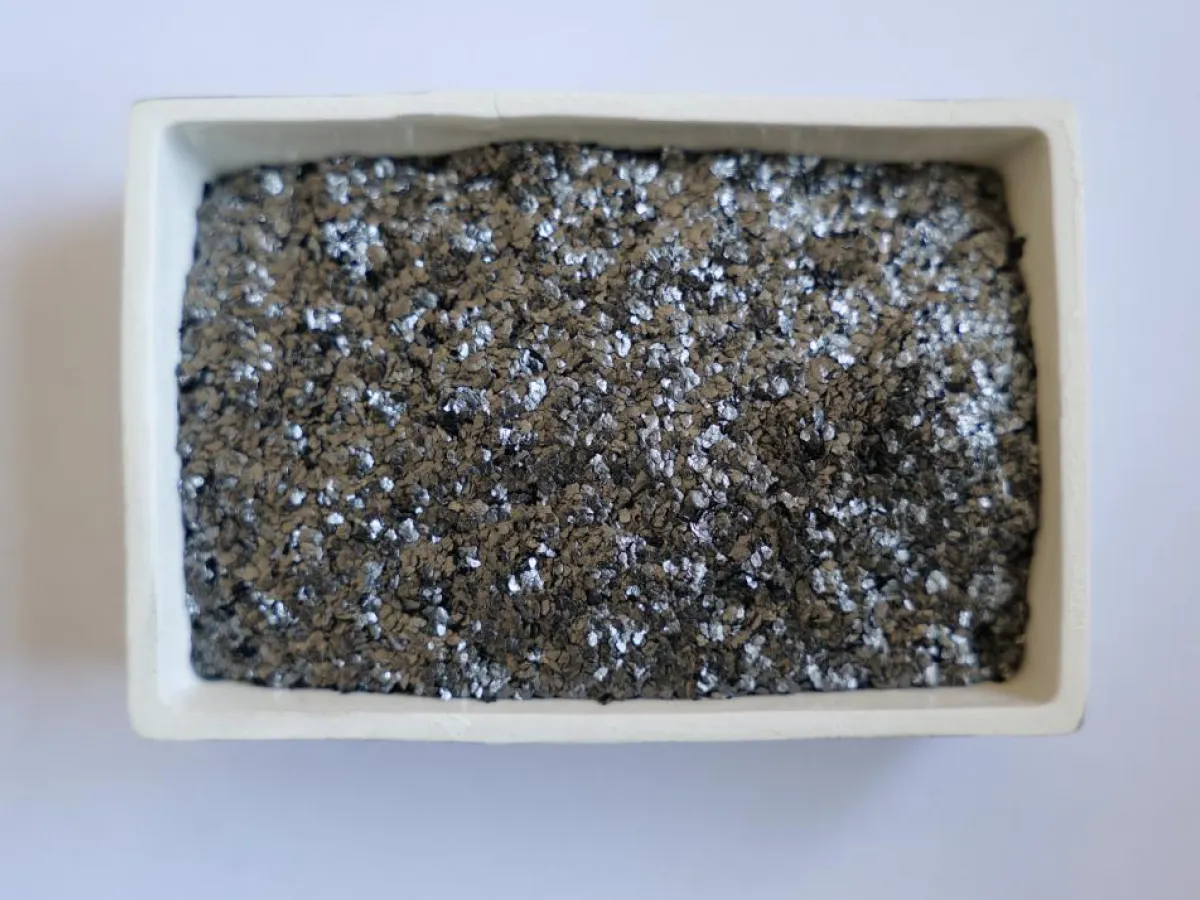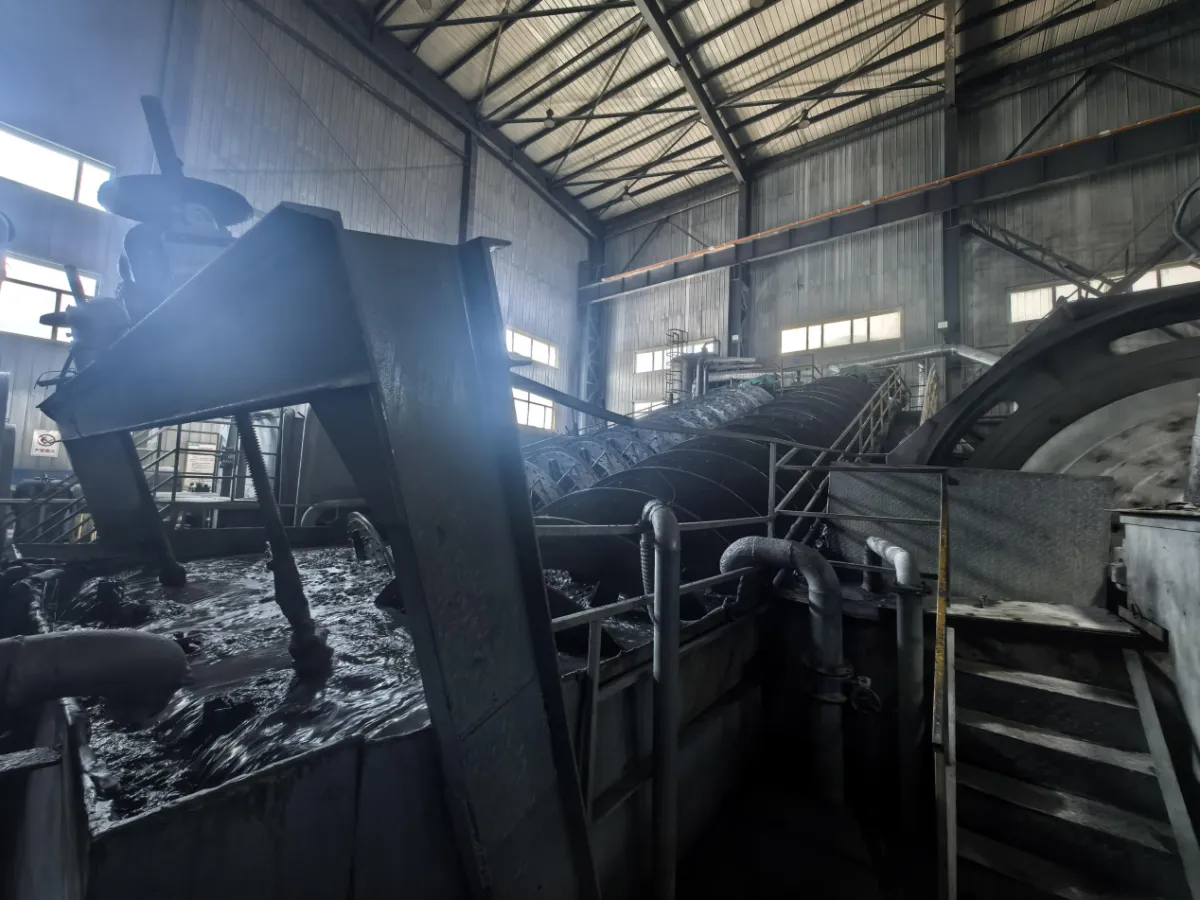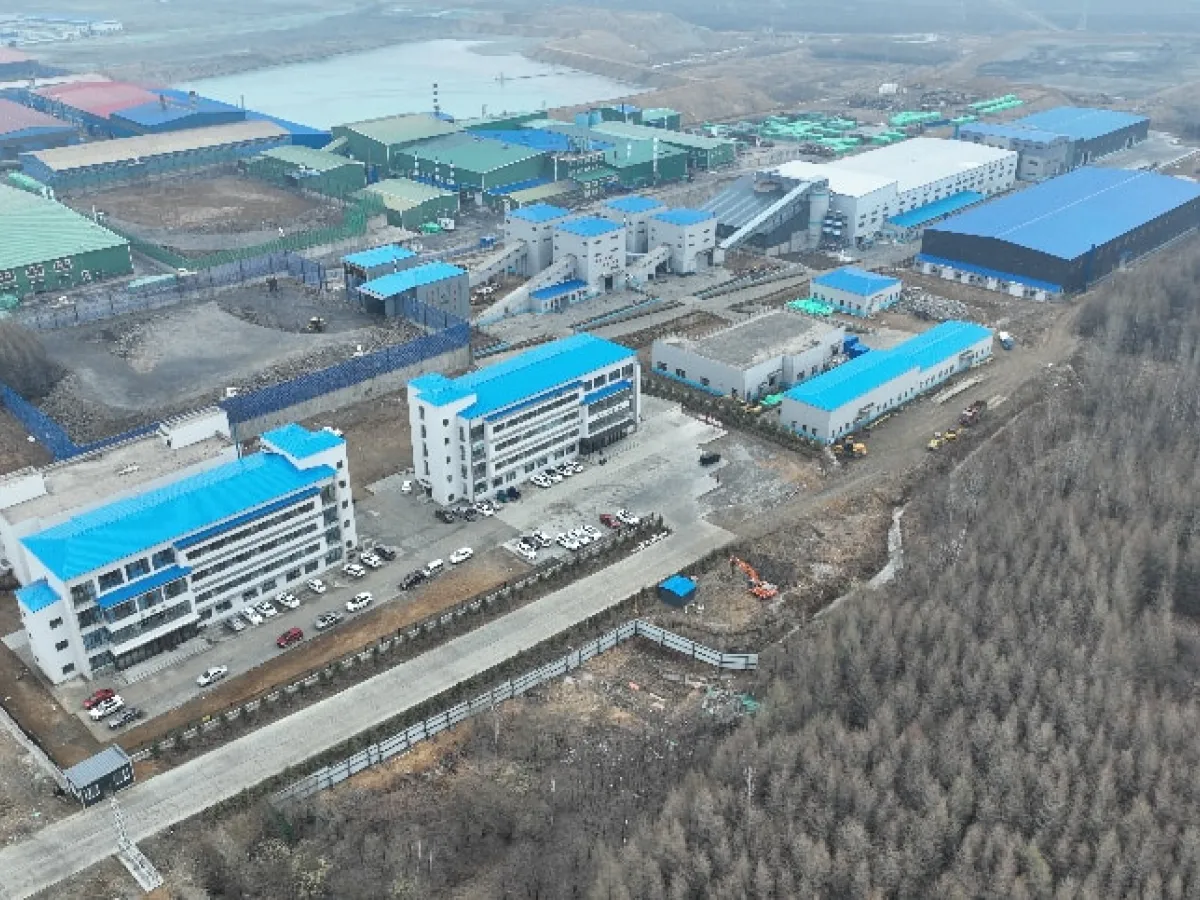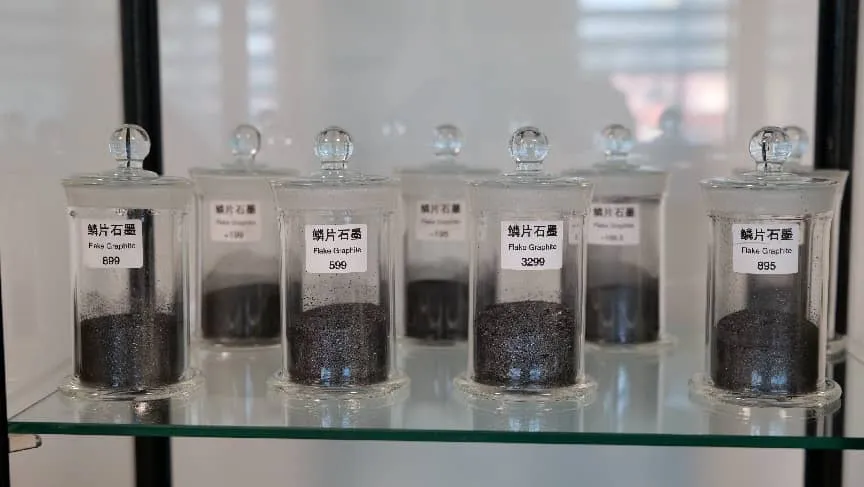
Effective December 1, 2023, China has officially added natural flake graphite and its products to the export control list for dual-use items, prohibiting their export without a license. This policy marks an upgrade in China’s control over strategic resources from “temporary measures” to “institutionalized controls,” triggering a chain reaction in the global graphite supply chain. As a manufacturer of natural flake graphite with over 30 years of experience in the graphite industry, we will analyze the core elements of this policy and its far-reaching implications for the global supply chain in this article.
According to Announcement No. 39 of 2023 issued by the Ministry of Commerce and the General Administration of Customs, the natural flake graphite and its products subject to export controls include flake-shaped natural graphite, spheroidized graphite, and expandable graphite, covering multiple customs commodity codes. Exporters must apply to the Ministry of Commerce through provincial-level commerce authorities for a “Dual-Use Items and Technologies Export License,” submitting documents such as export contracts, technical specifications or test reports, and proof of end-users and end-uses. At the same time, temporary export controls on certain other graphite items listed in the original 2006 announcement have been lifted, reflecting an optimization strategy of “adding some items while removing others.”
China holds an absolutely dominant position in the global graphite supply chain. In 2024, China’s production of natural flake graphite reached approximately 1.28 million metric tons, accounting for 65%–70% of the global total. More crucially, China controls the vast majority of global processing capacity for high-purity graphite and spherical graphite, enjoying significant advantages in terms of processing costs and scale. The United States has ceased domestic graphite production for many years, and its reliance on foreign sources for natural graphite has long stood at 100%. The European Union’s reliance on foreign sources is also nearly 100 percent, and China’s export controls have exacerbated its supply chain concerns.
China’s export controls on natural flake graphite have posed severe challenges for overseas downstream companies that are highly dependent on Chinese supplies. Battery manufacturers in Japan and South Korea rely on China for approximately 90% of their synthetic graphite supply. South Korean companies previously attempted to establish their own production lines but were forced to abandon the effort due to substandard manufacturing processes. Even if the United States’ sole natural graphite mine were to begin production, it would take at least five years to come online, and the country lacks the technology to process natural flake graphite into high-purity anode materials. Analysts estimate that China’s export controls could result in a shortfall of up to 180,000 metric tons per year in overseas markets.
In April 2026, Pu Nai Co., Ltd., a company listed on the A-share market, was indicted on suspicion of smuggling 1,243.55 metric tons of natural flake graphite to the United States, marking the first criminal case since the implementation of graphite export controls. The company misdeclared tariff codes to ship controlled graphite in batches to its U.S. subsidiary under the designation “other powdered natural graphite.” The executives involved in the case have been placed under criminal detention. This case demonstrates that export controls have established a comprehensive law enforcement system encompassing “customs inspections, anti-smuggling operations, and prosecution by the procuratorate,” and any attempt to circumvent these controls will face severe legal consequences.
Faced with supply chain risks stemming from China’s export controls on natural flake graphite, Europe and the United States are accelerating the development of their domestic supply chains. The United States is supporting its domestic graphite processing industry through policies such as the Inflation Reduction Act, while the European Union has launched the “Critical Raw Materials Alliance” and set a target to reduce dependence on any single country by 2030. However, building production capacity overseas faces multiple obstacles, including equipment, technology, energy consumption, and environmental protection, and it is expected to take 5–8 years to rebuild a complete supply chain. In the short term, the global natural flake graphite supply chain will remain highly dependent on China.
China’s export control policy on natural flake graphite represents an institutional upgrade in the management of strategic national resources. While this policy safeguards national security, it is also forcing the global supply chain to accelerate its restructuring. For companies engaged in the import and export of graphite, accurately understanding the scope of the controls, strictly adhering to licensing procedures, and ensuring compliant operations are key to avoiding legal risks and safeguarding business continuity.
Copyright © 2026 by Qingdao Baohua New Materials Technology Co., Ltd.
| Privacy Policy