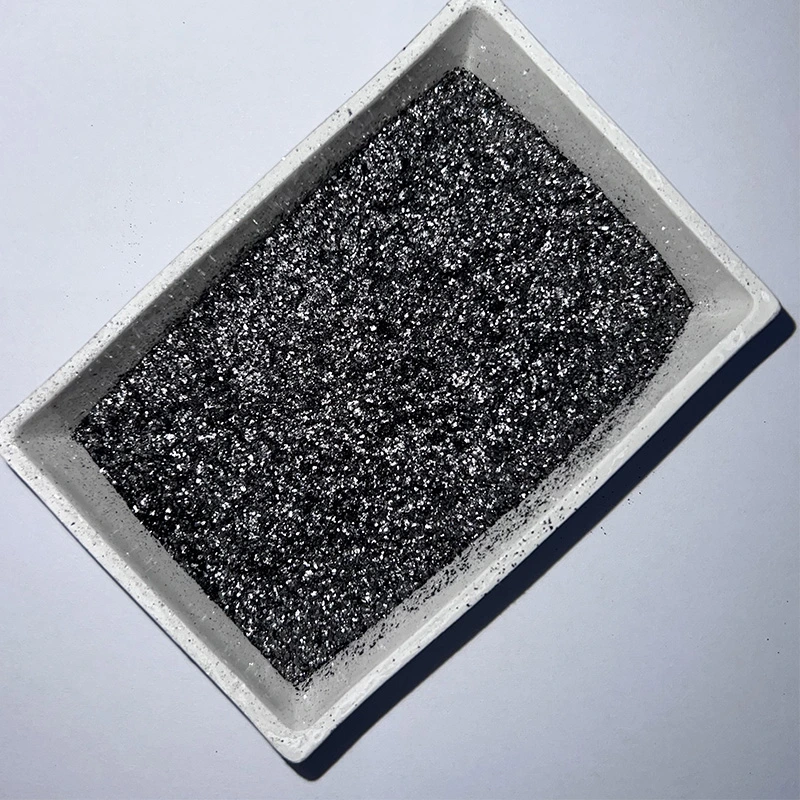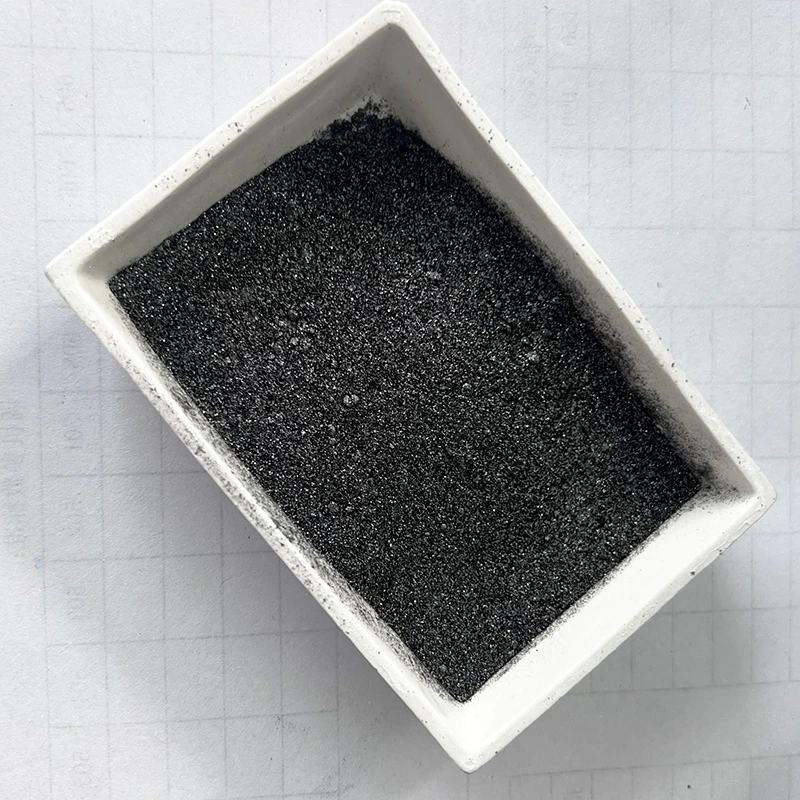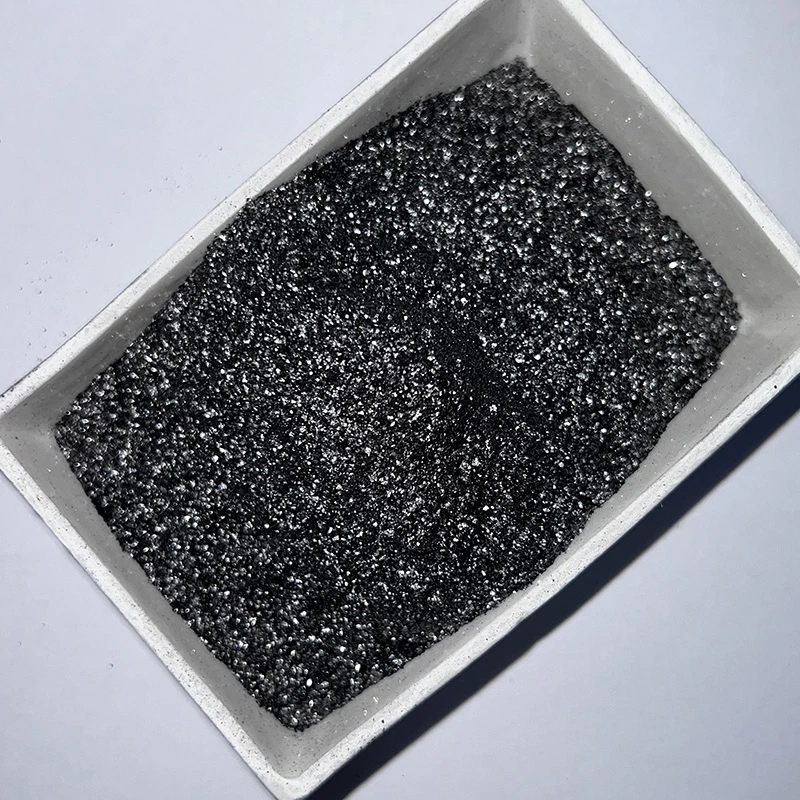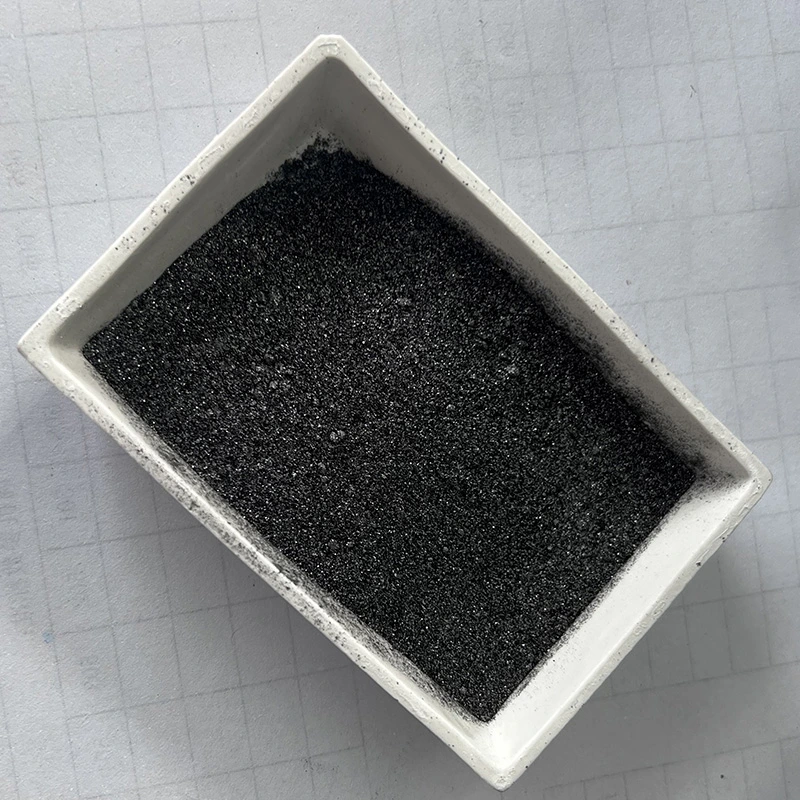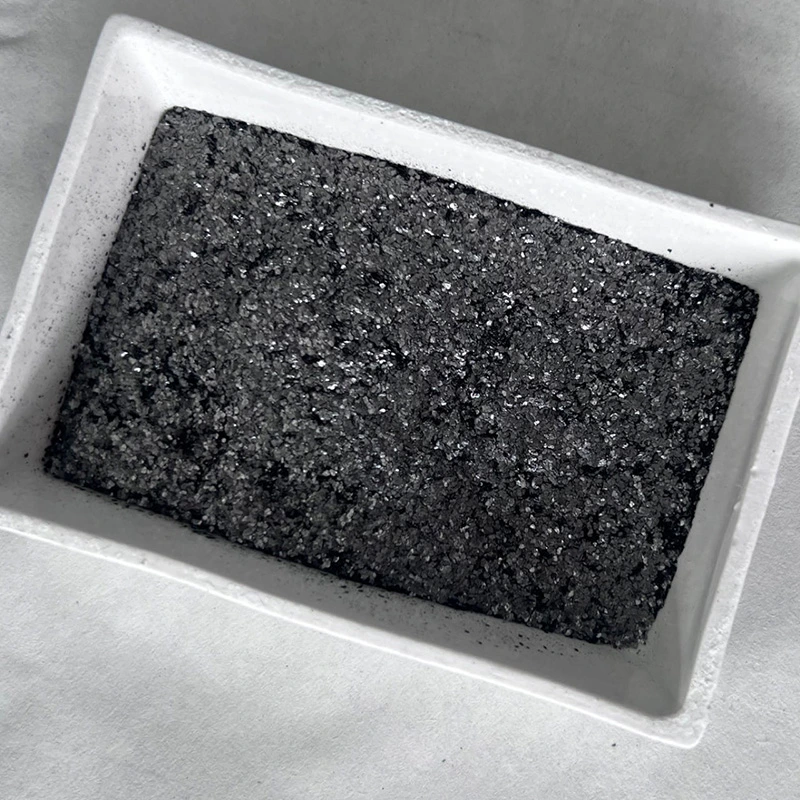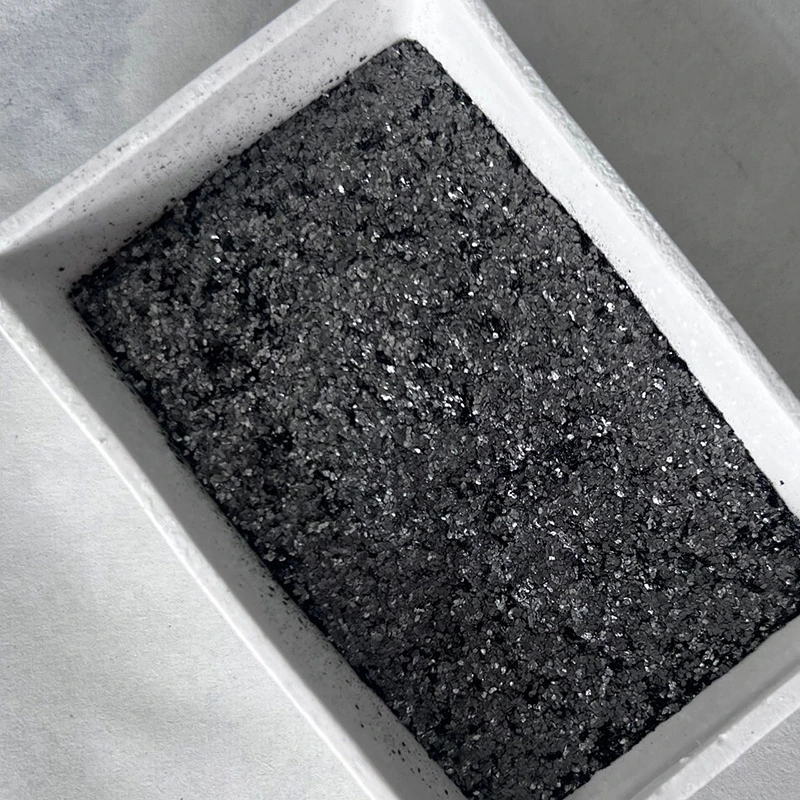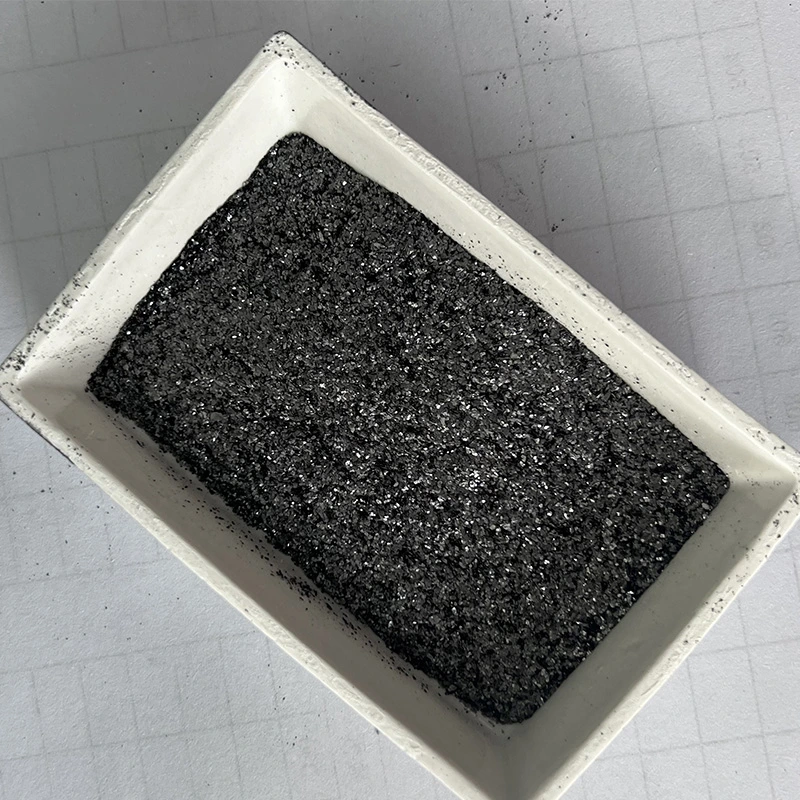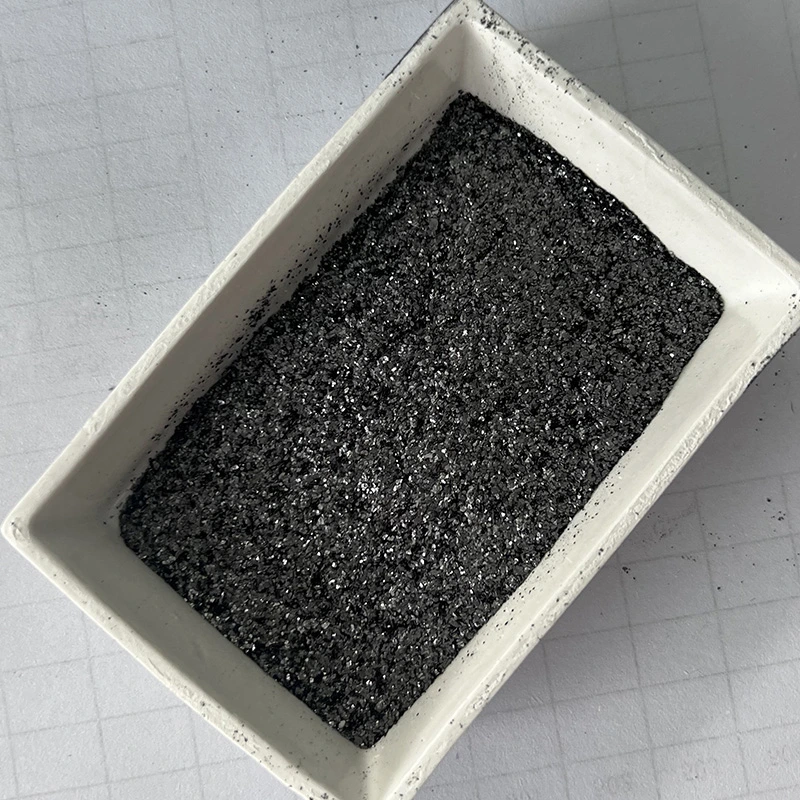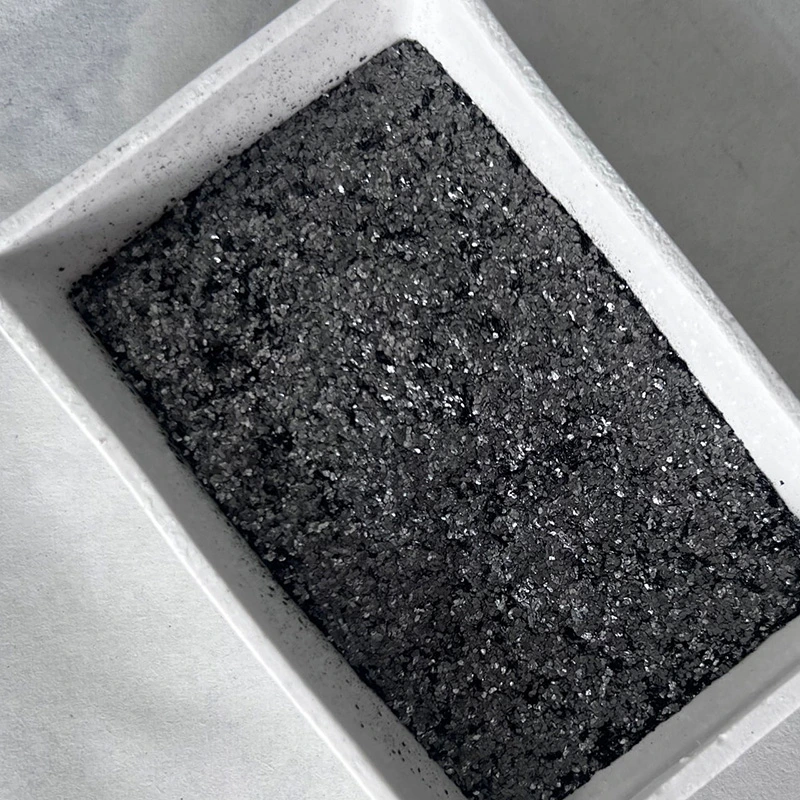


Natural flake graphite crystals have a flake-like structure and are formed through high-pressure metamorphism; they are classified into two types: large flakes and fine flakes. The flake crystals are intact, thin, and highly ductile. Their floatability, lubricity, and plasticity are superior to those of other graphites. They also possess excellent thermal shock resistance, electrical conductivity, and thermal conductivity, as well as resistance to acids, alkalis, and corrosion. Under oxygen-free conditions, they can withstand high temperatures (with a melting point exceeding 3,000 degrees Celsius).
High-carbon graphite is produced from natural flake graphite through processes such as sorting and processing. It retains the core characteristics of natural flake graphite, featuring an intact layered structure, excellent toughness, and well-balanced physical and chemical properties. With outstanding cost-effectiveness, it meets the fundamental and functional requirements of mid-to-high-end industrial sectors. As one of the most widely used graphite varieties, it can be used directly or further processed into various graphite products.
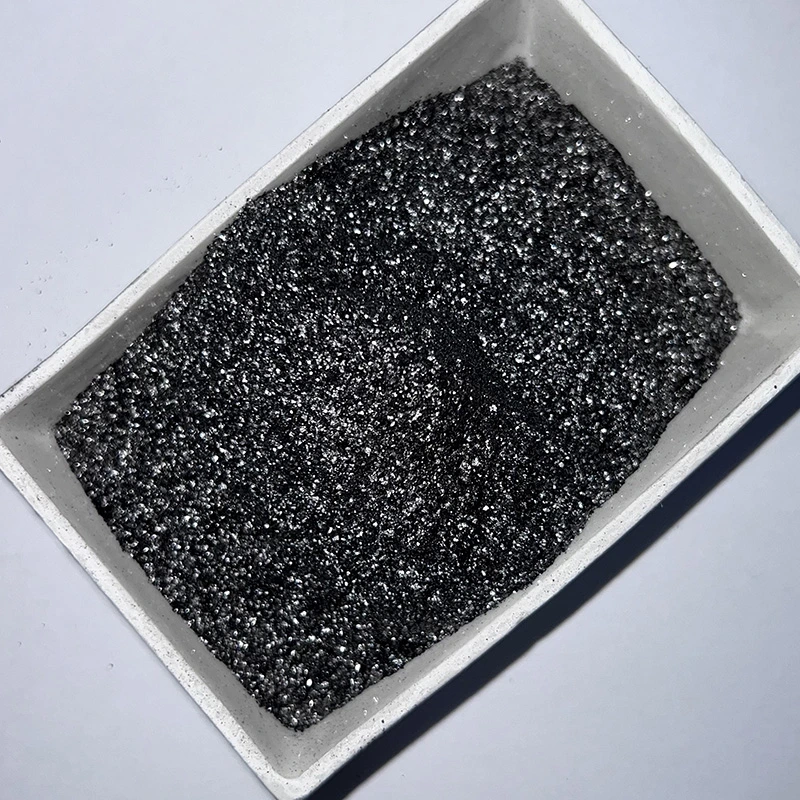
The core characteristics of high-carbon graphite include an intact flake structure, good toughness, excellent lubricity and plasticity, high-temperature resistance, acid and alkali resistance, and good electrical and thermal conductivity. It is cost-effective and has a wide range of applications. Its applications span multiple industries, including machinery, metallurgy, chemical engineering, military, light industry, national defense, electronics, batteries, education, and refractory materials. Specific uses include advanced refractory materials and coatings in the metallurgical industry; stabilizers for pyrotechnic materials in the military industry; pencil leads in the light industry; carbon brushes in the electrical industry; electrodes in the battery industry; and catalyst additives in the fertilizer industry. After further processing, it can be used to produce high-tech products such as graphite emulsion, graphite sealing materials and composites, graphite products, and graphite anti-friction additives, making it an important non-metallic mineral raw material for various industrial sectors.
High-carbon graphite is produced using natural flake graphite as raw material. It undergoes processes such as crushing, grinding, and flotation to separate and purify the material, removing impurities and increasing the fixed carbon content, ultimately yielding high-carbon graphite products of various specifications. Depending on application requirements, it can be further processed to produce various graphite derivatives.
There is a key issue with the use of flake graphite in refractory materials: poor wettability.
Specifically:
Flake graphite has low surface tension, and its surface contains approximately 0.45% volatile organic compounds.
The graphite surface is highly hydrophobic, resulting in poor wettability with the silicate liquid phase.
It tends to agglomerate in castables, making it difficult to disperse uniformly, which affects the material’s density.
It should be stored in a dry, well-ventilated environment to prevent caking caused by moisture. Avoid direct sunlight and high temperatures. Packaging must be tightly sealed to prevent moisture absorption and deterioration.
Expandable graphite is a graphite intercalation compound. It is produced by using natural flake graphite as raw material and introducing acids (such as sulfuric acid) and oxidizing agents into the graphite layers through chemical or electrochemical methods.
Graphite consists of countless layers of graphene stacked on top of one another, while graphene is a single layer of graphite. You can think of it this way: if you repeatedly wrap graphite with adhesive tape and peel it off, you may eventually obtain a single layer of graphene—which is, in fact, how it was originally discovered.
Copyright © 2026 by Qingdao Baohua New Materials Technology Co., Ltd.
| Privacy Policy