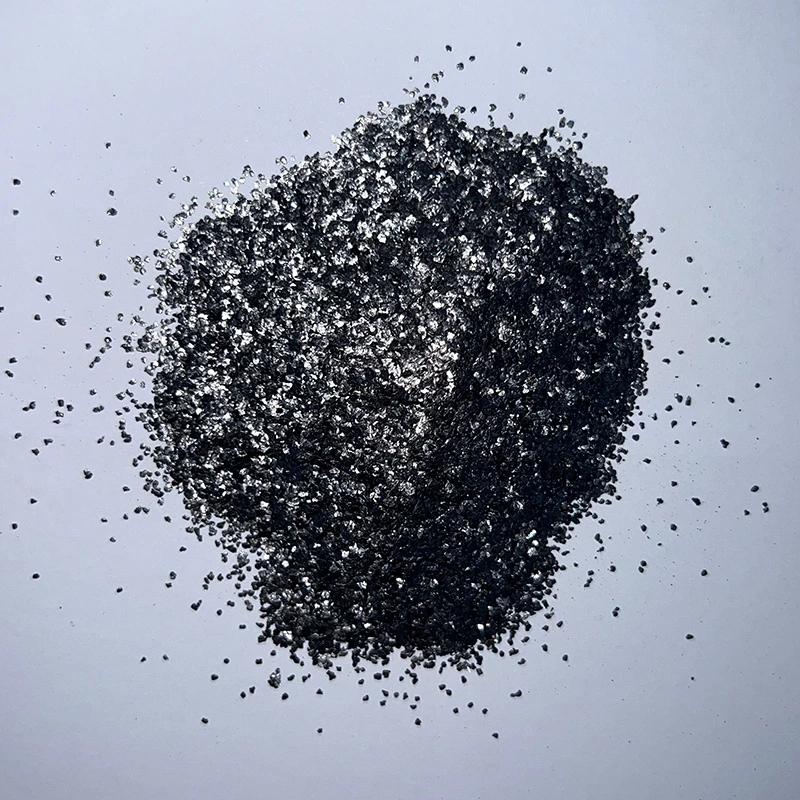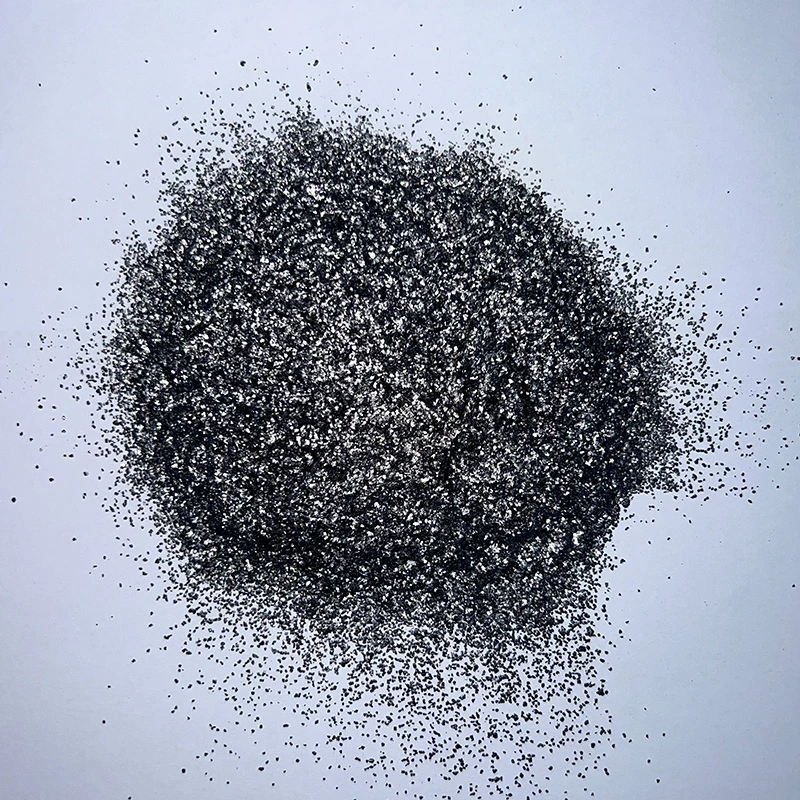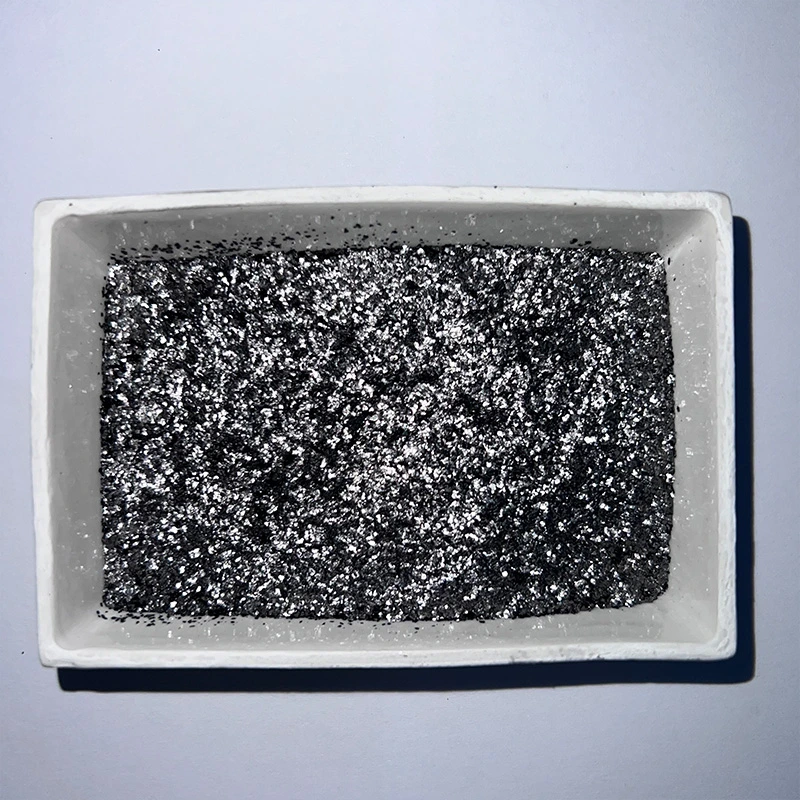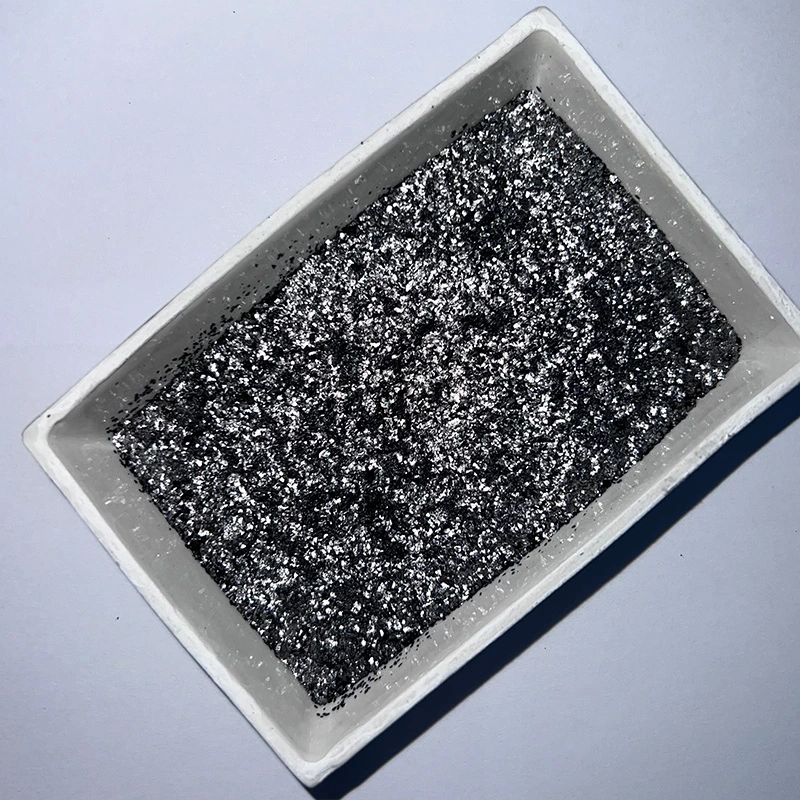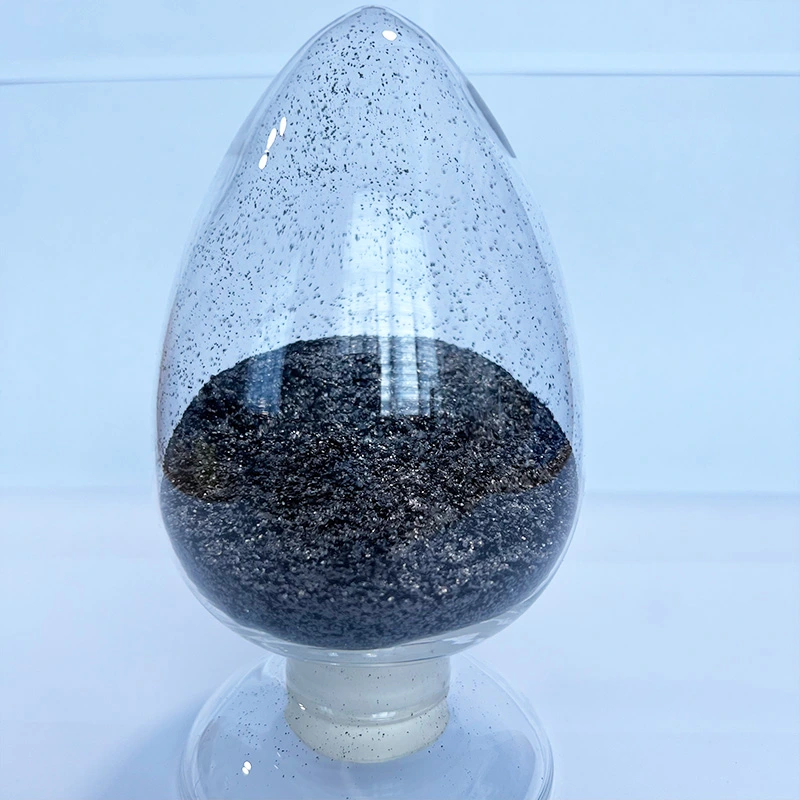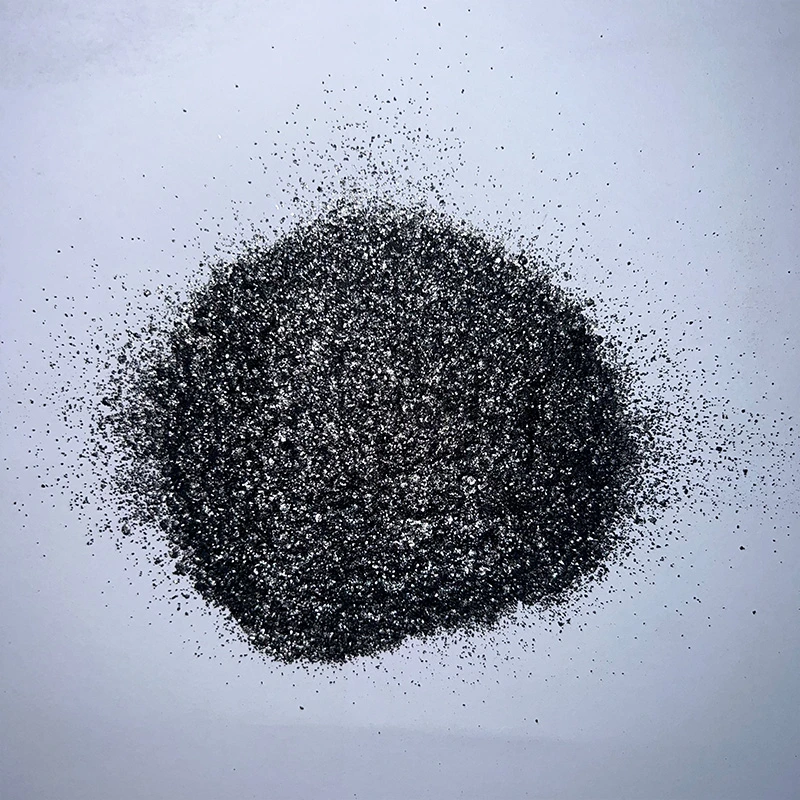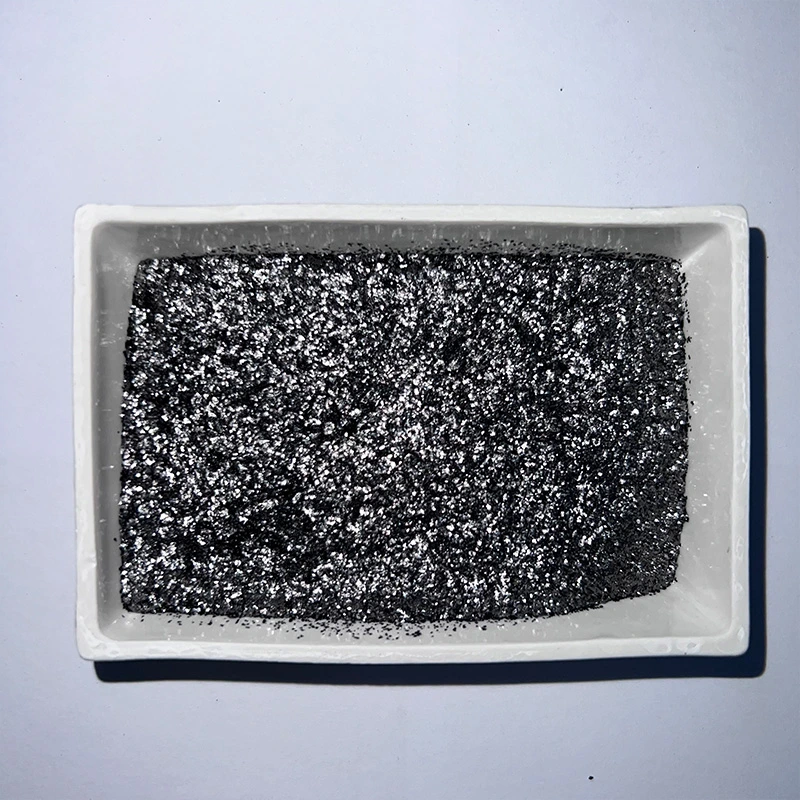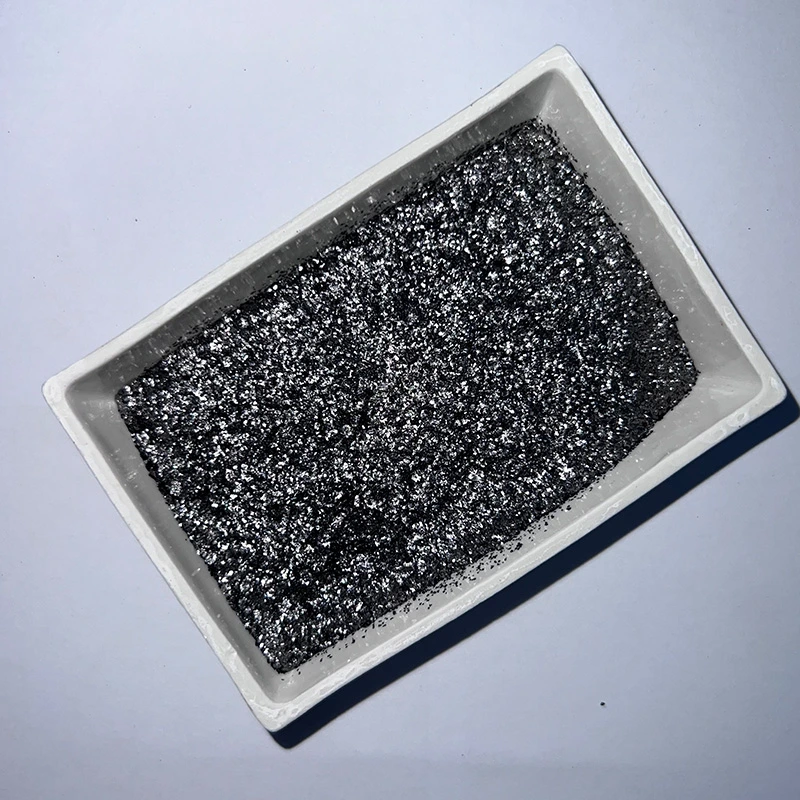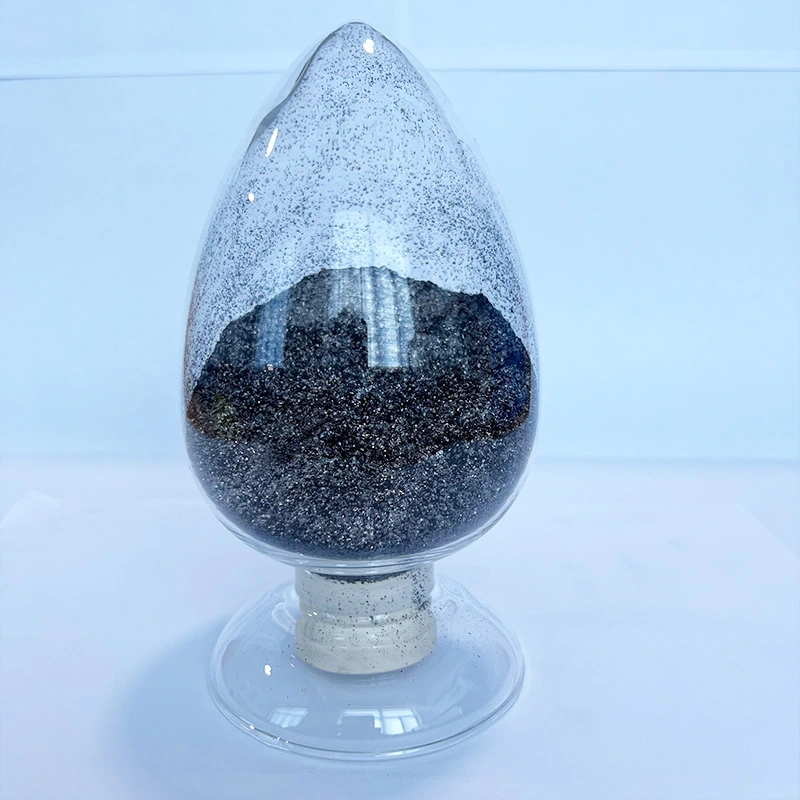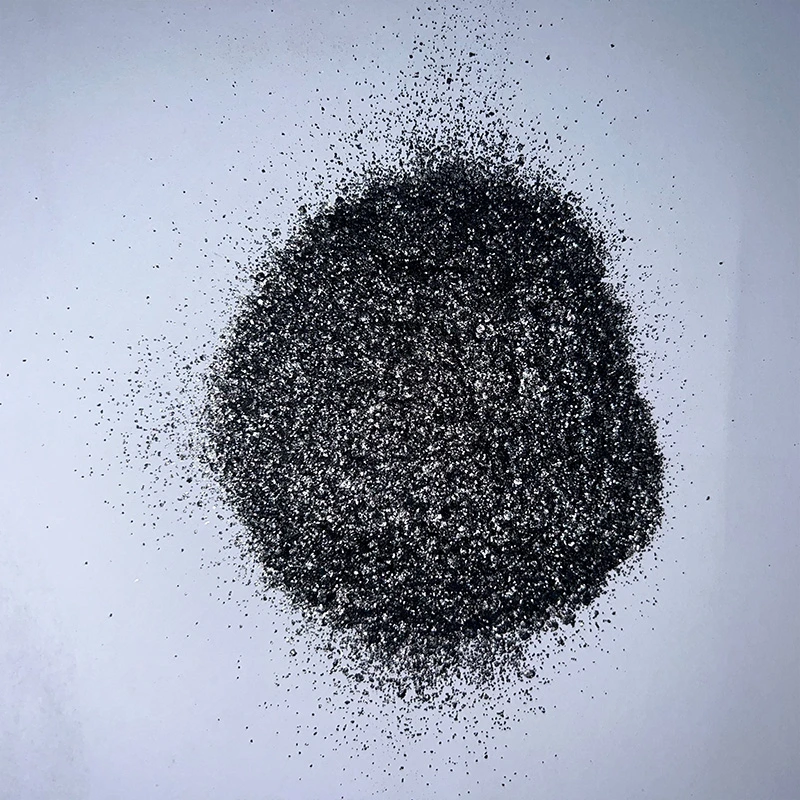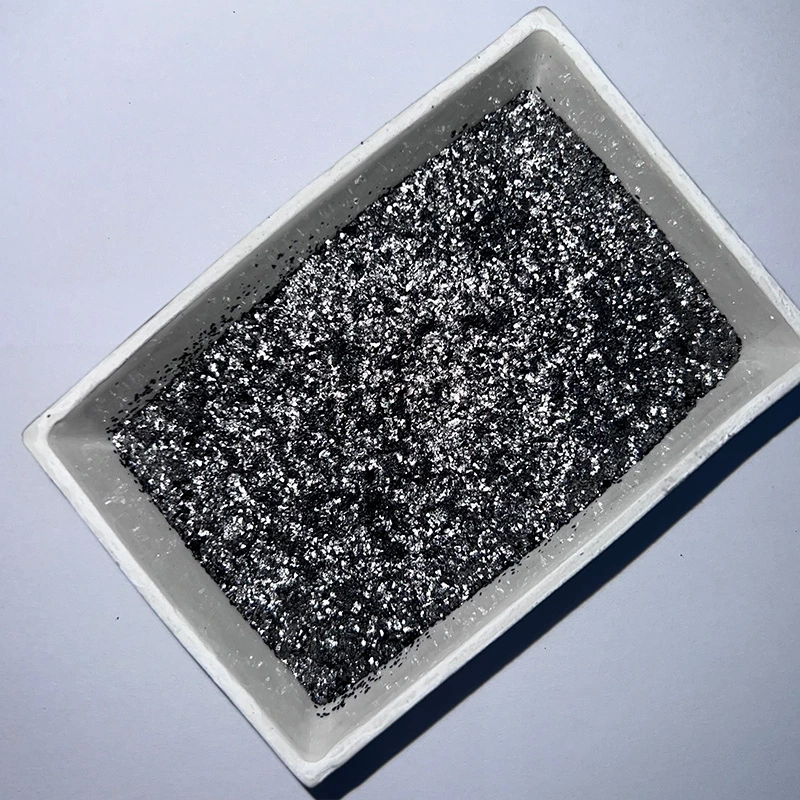
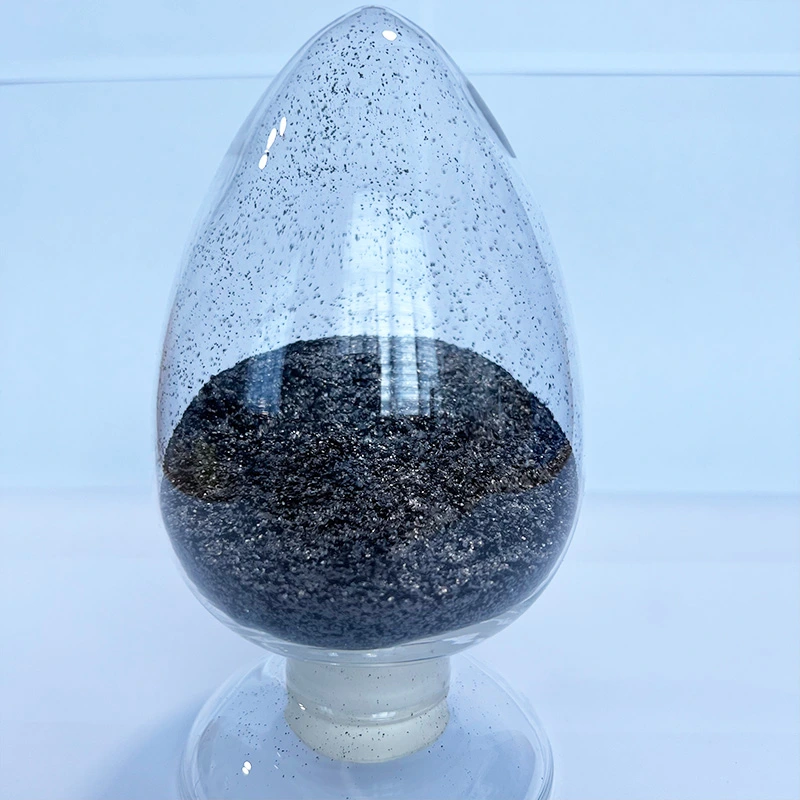
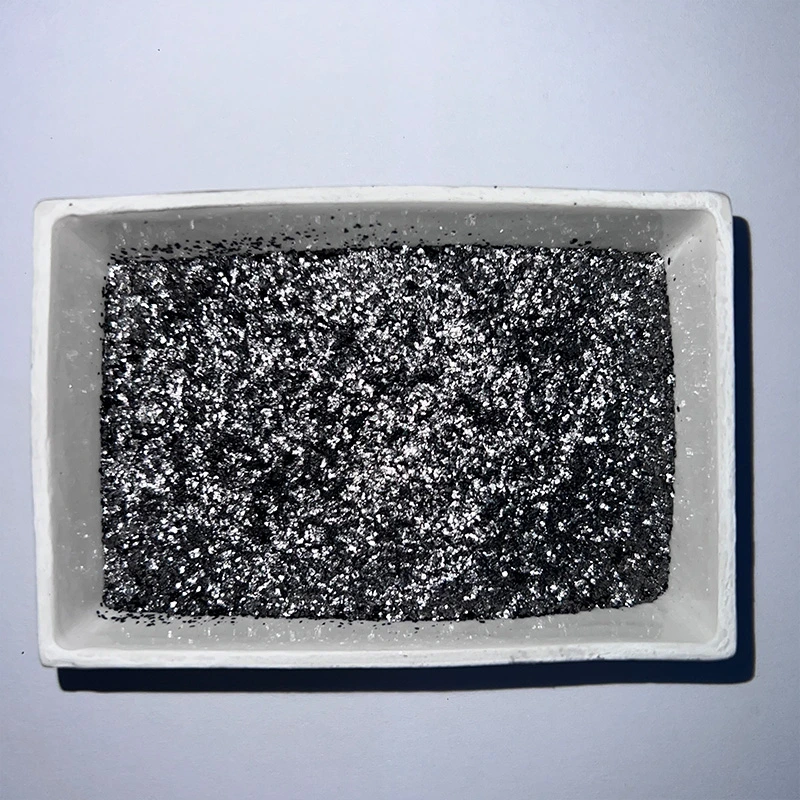
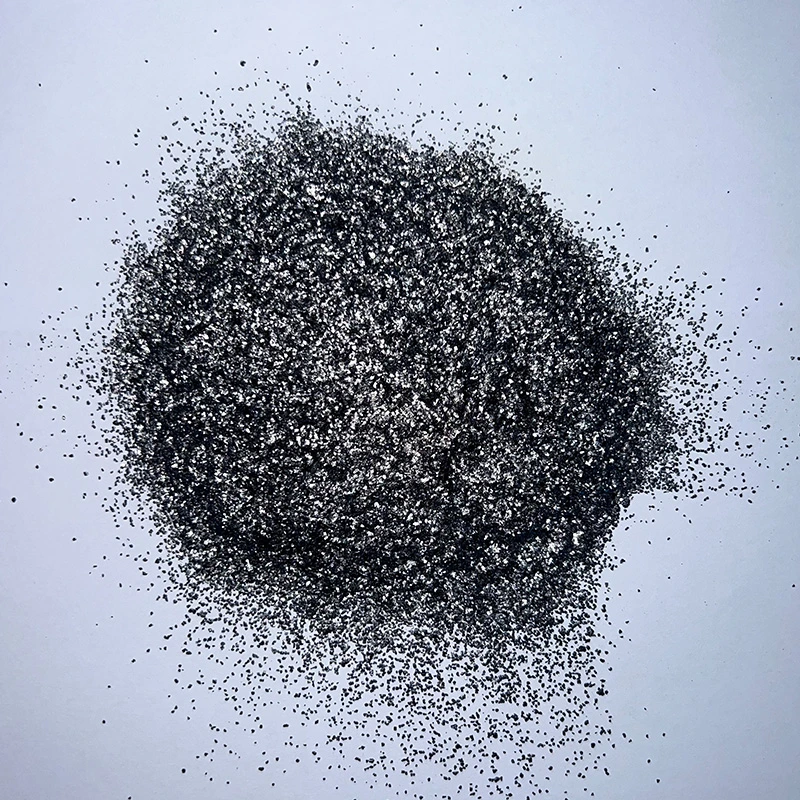


Expandable graphite is lightweight and possesses excellent electrical and thermal conductivity, high-temperature resistance, and resistance to acid and alkali corrosion. It also exhibits good elasticity, lubricity, plasticity, and chemical stability. Under specific conditions, it can expand, demonstrating unique functional properties.
Expandable graphite was first discovered by the German scientist Schaufautl. In 1841, he immersed natural graphite in a mixture of concentrated HNO₃ and concentrated H₂SO₄; after drying, he observed that the graphite had expanded. In 1963, the American company Union Carbide first applied for a patent on the manufacturing technology for expandable graphite and achieved industrial-scale production in 1968. Made from natural graphite through processes such as intercalation and oxidation, it combines multiple excellent properties and is a multifunctional graphite material.
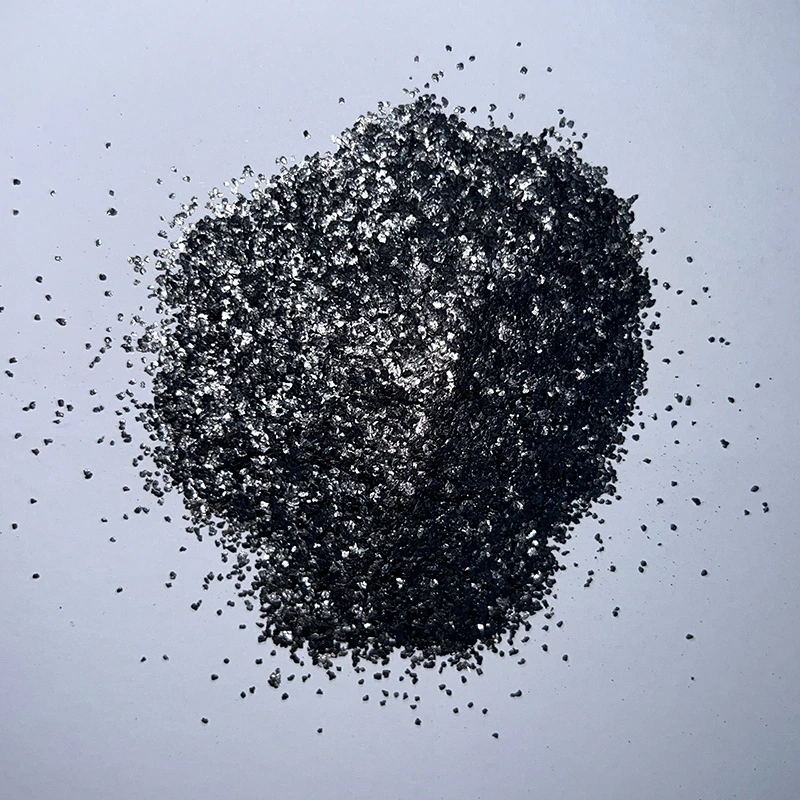
The core characteristics of expandable graphite include light weight, excellent electrical and thermal conductivity, high-temperature resistance, resistance to acid and alkali corrosion, good resilience, superior lubricity and plasticity, strong chemical stability, and expandability. It has a wide range of applications, primarily in sealing materials, environmental protection, medicine, high-energy battery materials, and flame retardant and fireproofing fields, making it a new type of graphite product that combines functionality with practicality.
Expandable graphite is produced using natural graphite as the raw material. The core process involves an intercalation oxidation technique, in which the graphite is immersed in a specific acid solution (such as a mixture of concentrated nitric acid and concentrated sulfuric acid). Through processes including immersion and drying, the intercalant penetrates the graphite layers, ultimately resulting in expandable graphite. In industrial production, the intercalant ratio and processing techniques are optimized according to product performance requirements to enhance product quality.
| Standard component content | ||||||
|---|---|---|---|---|---|---|
| NO. | Model | Expandable multiple | ash% | Moisture% | Mesh size% | Remarks |
| 1 | 9980140-200 | 140~200 | ≤1 | <1 | 80mesh>80 | |
| 998080-140 | 80~140 | ≤1 | <1 | 80mesh>80 |
|
|
| 9980200-230 | 200~230 | ≤1 | <1 | 80mesh>80 |
|
|
| 2 | 99100140-180 | 140~180 | ≤1 | <1 | 100mesh>80 | |
| 9910080-140 | 80~140 | ≤1 | <1 | 100mesh>80 | ||
| 3 | 9580140-200 | 140~200 | ≤5 | <1 | 80mesh>80 | |
| 958080-140 | 80~140 | ≤5 | <1 | 80mesh>80 | ||
| 9580200-250 | 200~250 | ≤5 | <1 | 80mesh>80 | ||
| 4 | 9935500 | 500 | ≤1 | <1 | 35mesh>80 | |
| 5 | 9950300 | 300 | ≤1 | <1 | 50mesh>80 | |
| 6 | 9950250 | 250 | ≤1 | <1 | 50mesh>80 | |
| 7 | 9550300 | 300 | ≤5 | <1 | 50mesh>80 | |
| 8 | 9550250 | 250 | ≤5 | <1 | 50mesh>80 | |
| 9 | 99.980200 | 200 | ≤0.1 | 80mesh>80 | ||
There is a key issue with the use of flake graphite in refractory materials: poor wettability.
Specifically:
Flake graphite has low surface tension, and its surface contains approximately 0.45% volatile organic compounds.
The graphite surface is highly hydrophobic, resulting in poor wettability with the silicate liquid phase.
It tends to agglomerate in castables, making it difficult to disperse uniformly, which affects the material’s density.
It should be stored in a dry, well-ventilated environment to prevent caking caused by moisture. Avoid direct sunlight and high temperatures. Packaging must be tightly sealed to prevent moisture absorption and deterioration.
Expandable graphite is a graphite intercalation compound. It is produced by using natural flake graphite as raw material and introducing acids (such as sulfuric acid) and oxidizing agents into the graphite layers through chemical or electrochemical methods.
Graphite consists of countless layers of graphene stacked on top of one another, while graphene is a single layer of graphite. You can think of it this way: if you repeatedly wrap graphite with adhesive tape and peel it off, you may eventually obtain a single layer of graphene—which is, in fact, how it was originally discovered.
Copyright © 2026 by Qingdao Baohua New Materials Technology Co., Ltd.
| Privacy Policy