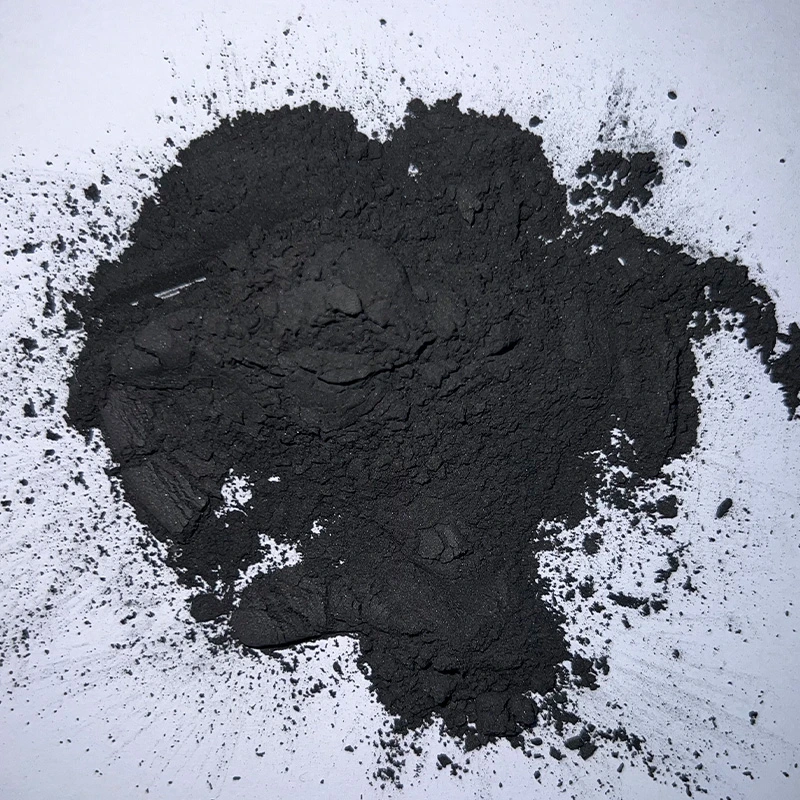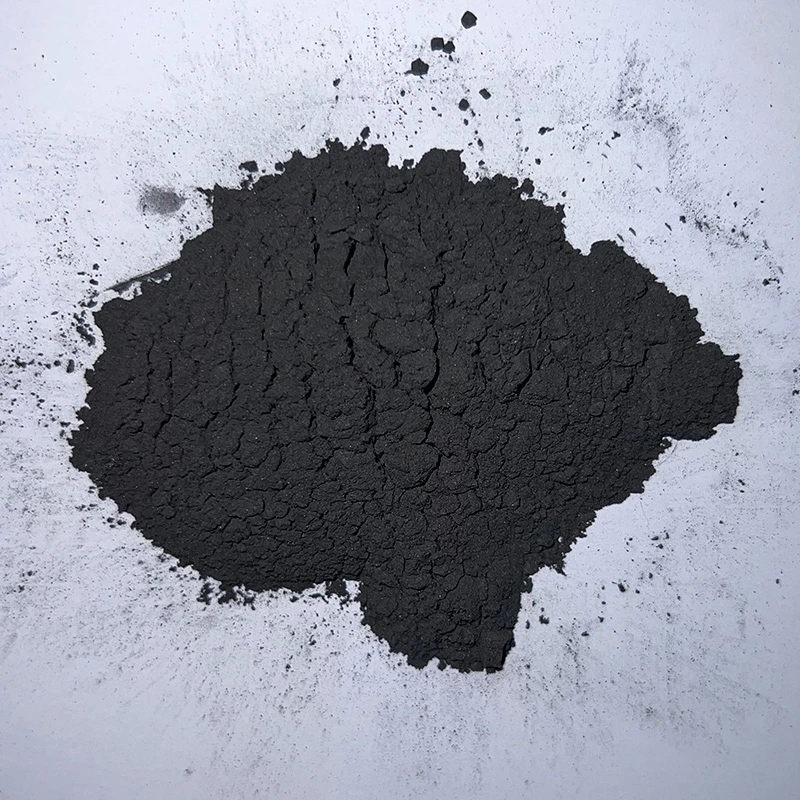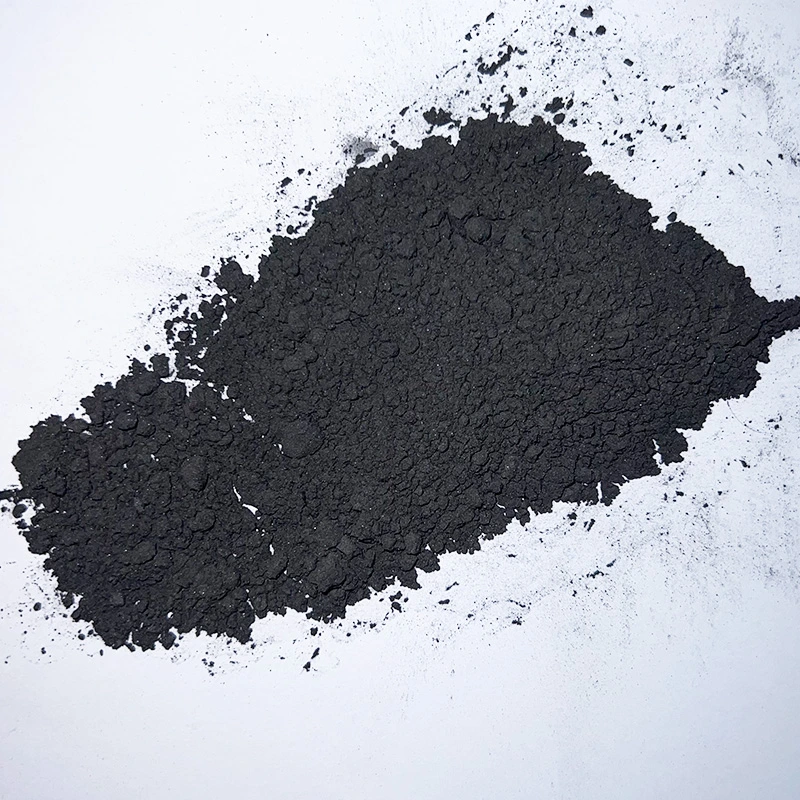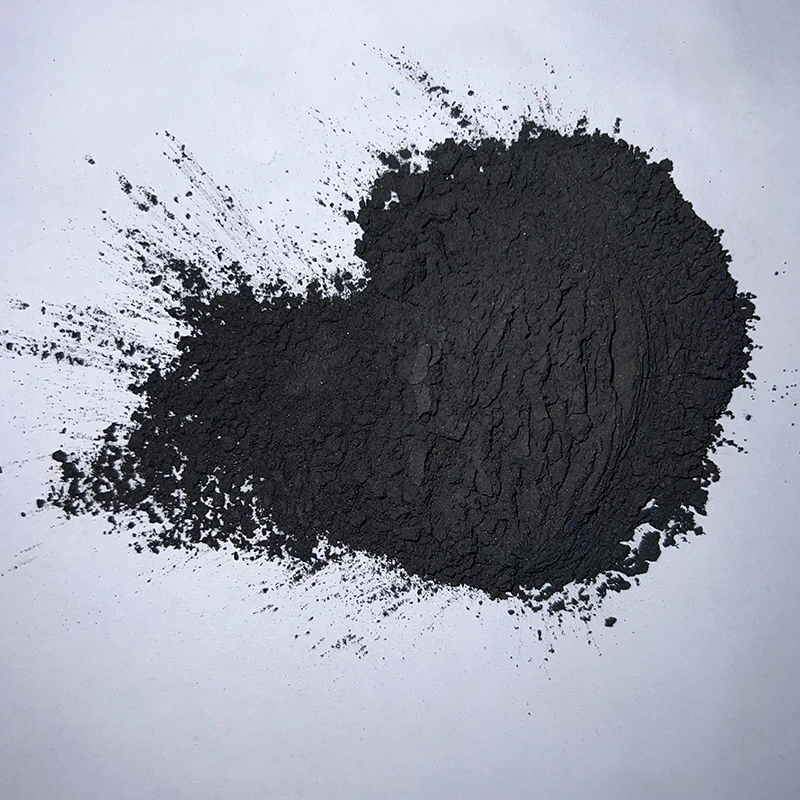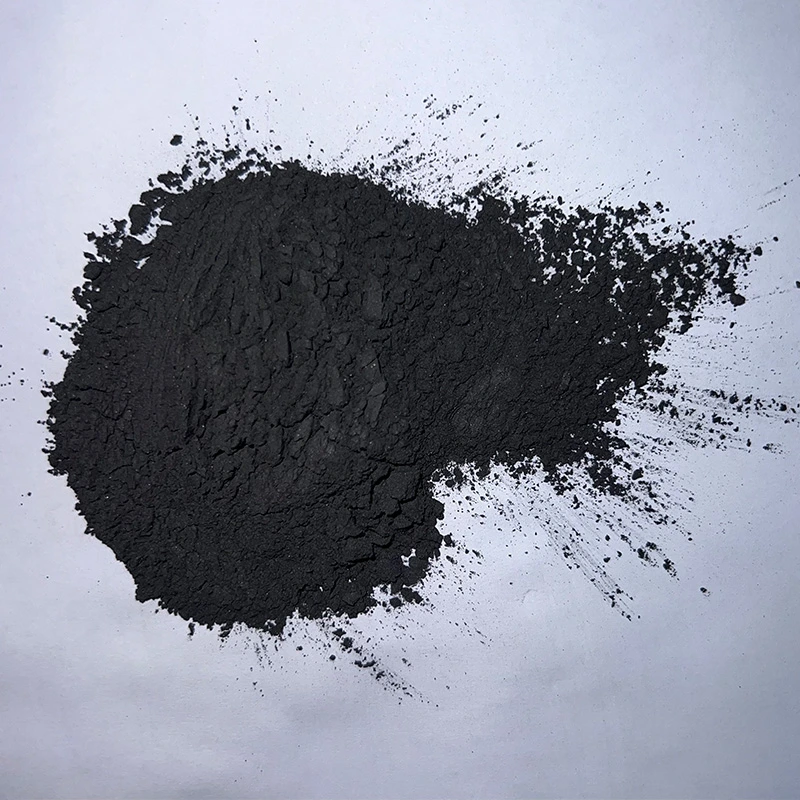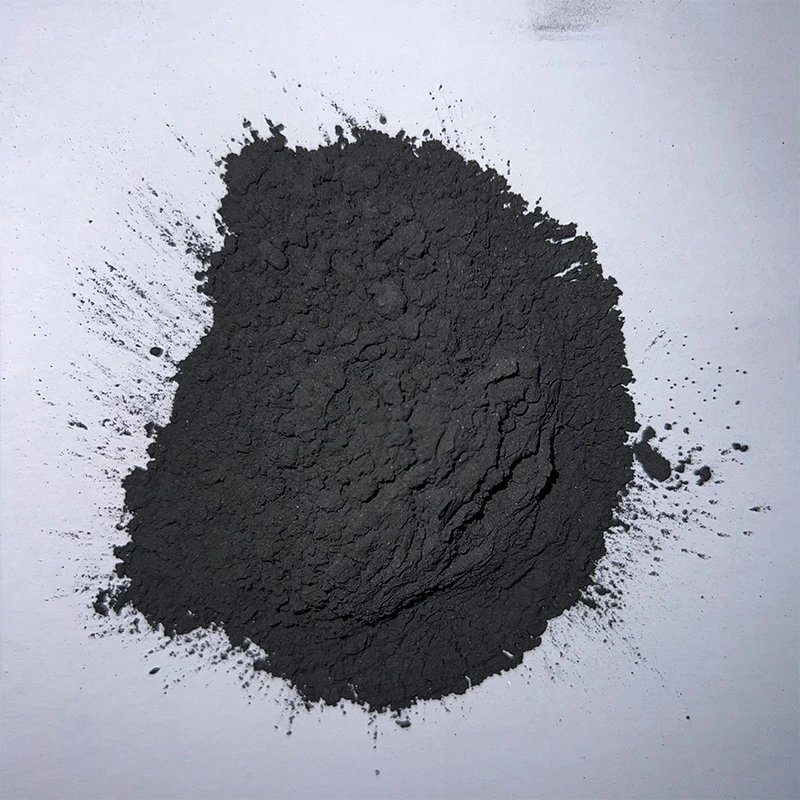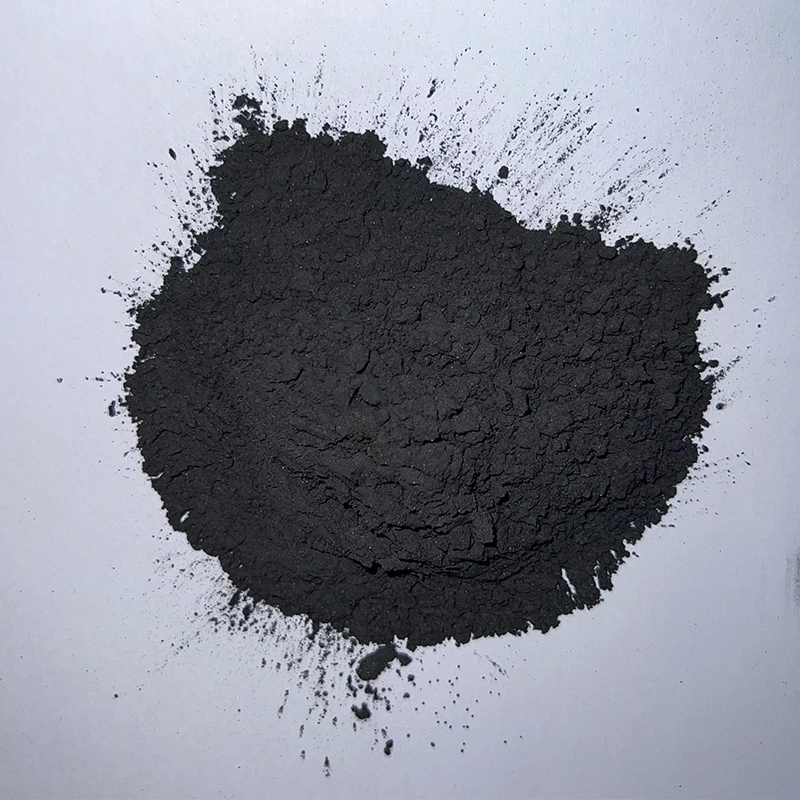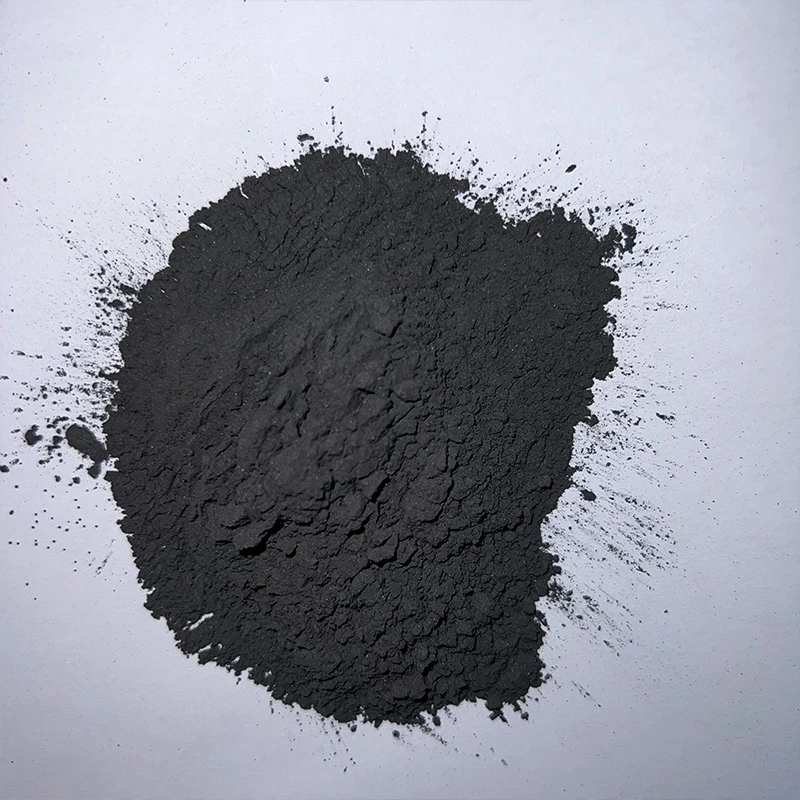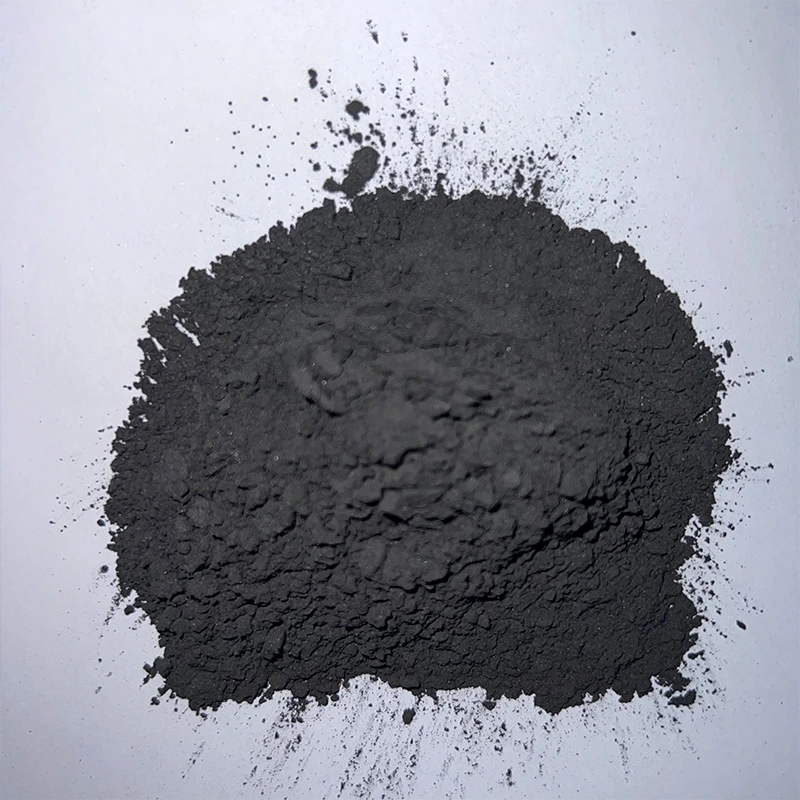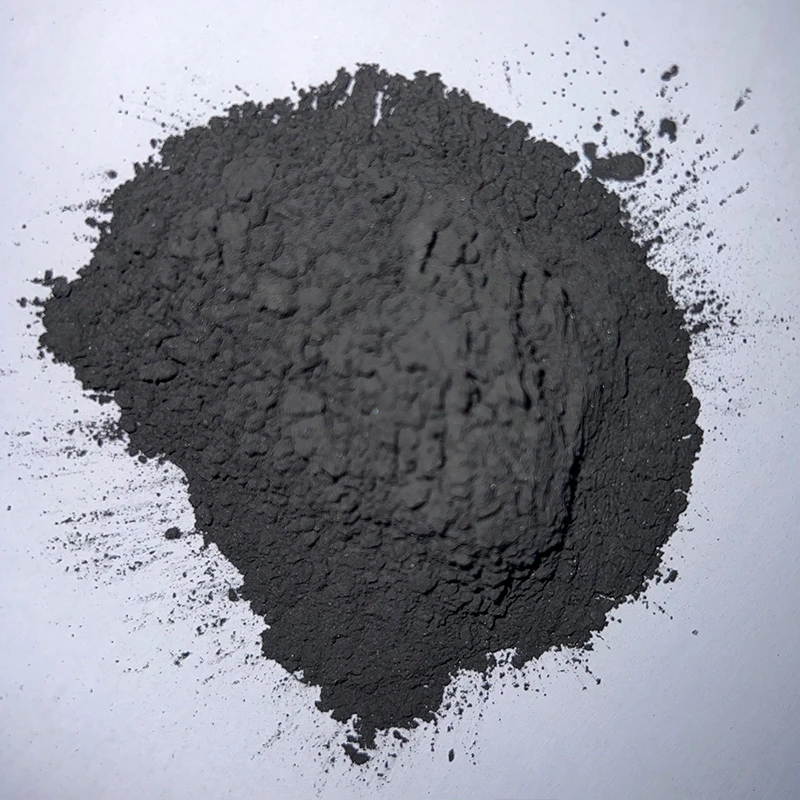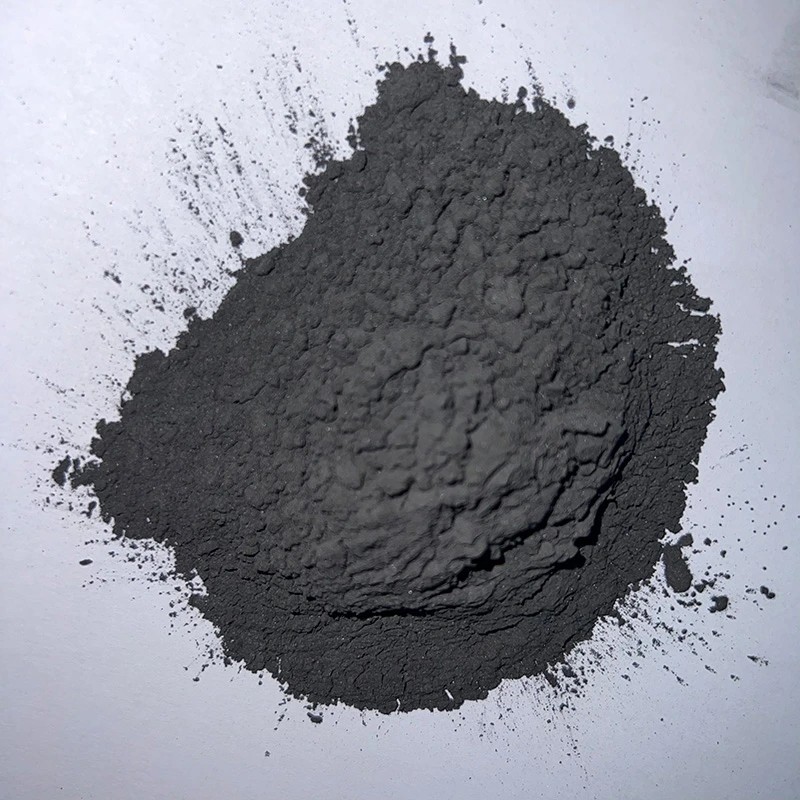
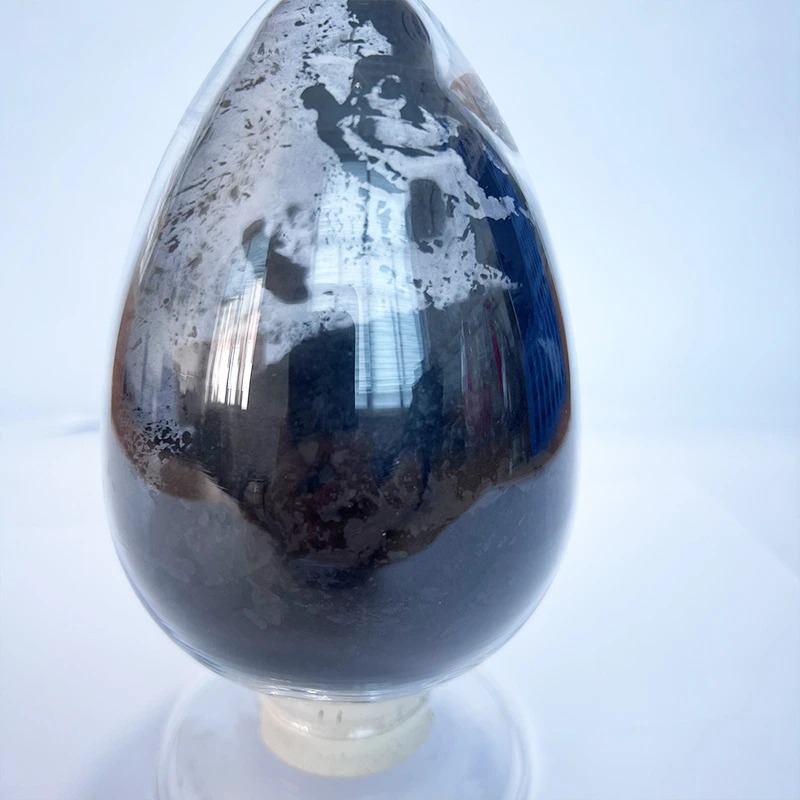
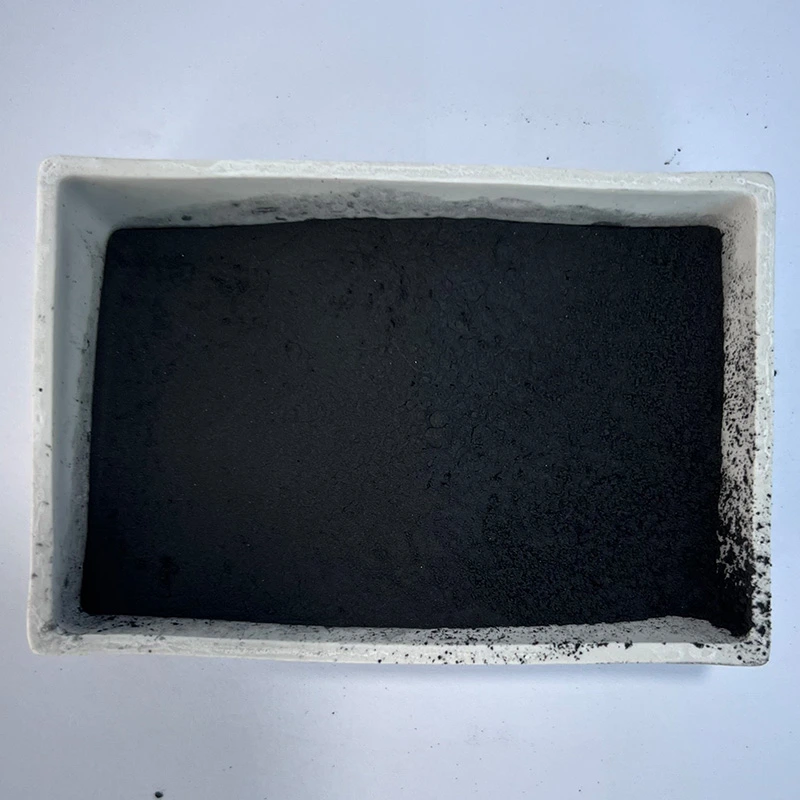
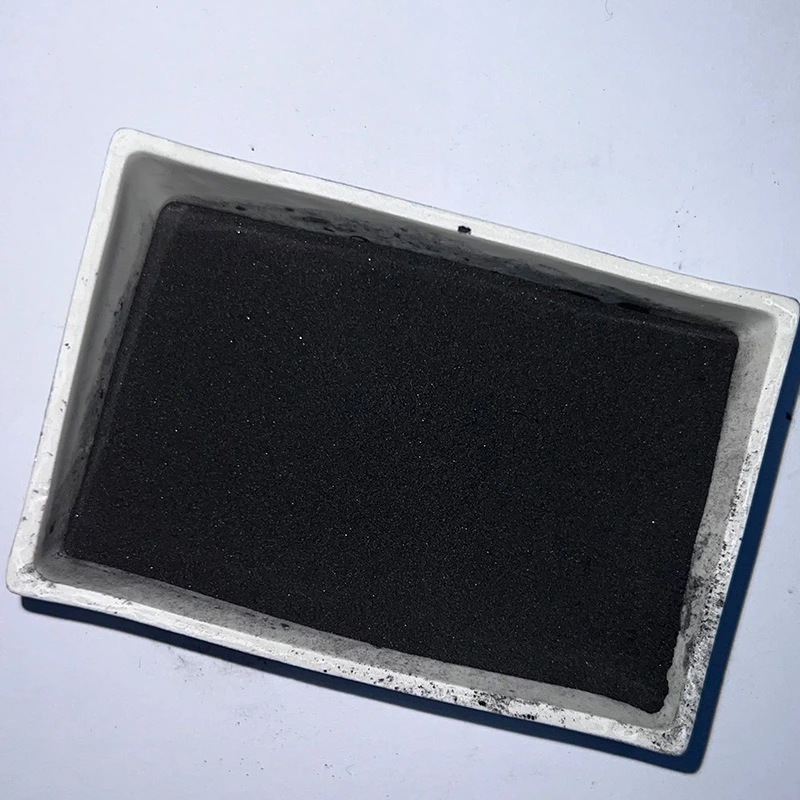


Spherical graphite features high crystallinity, excellent electrical conductivity, a high theoretical lithium-ion capacity, and a low, flat charge-discharge potential. It also offers superior chemical stability, high charge-discharge capacity, and a long cycle life. As an eco-friendly material, it meets the core performance requirements for lithium-ion battery anode materials.
Spherical graphite is a crucial component of lithium-ion battery anode materials and represents the next-generation anode material for lithium-ion battery production both domestically and internationally. Produced from dry graphite concentrate through specific processing techniques to form a spherical structure, it combines excellent conductivity, high crystallinity, and low cost, effectively enhancing the charging and discharging performance as well as the cycle stability of lithium-ion batteries.
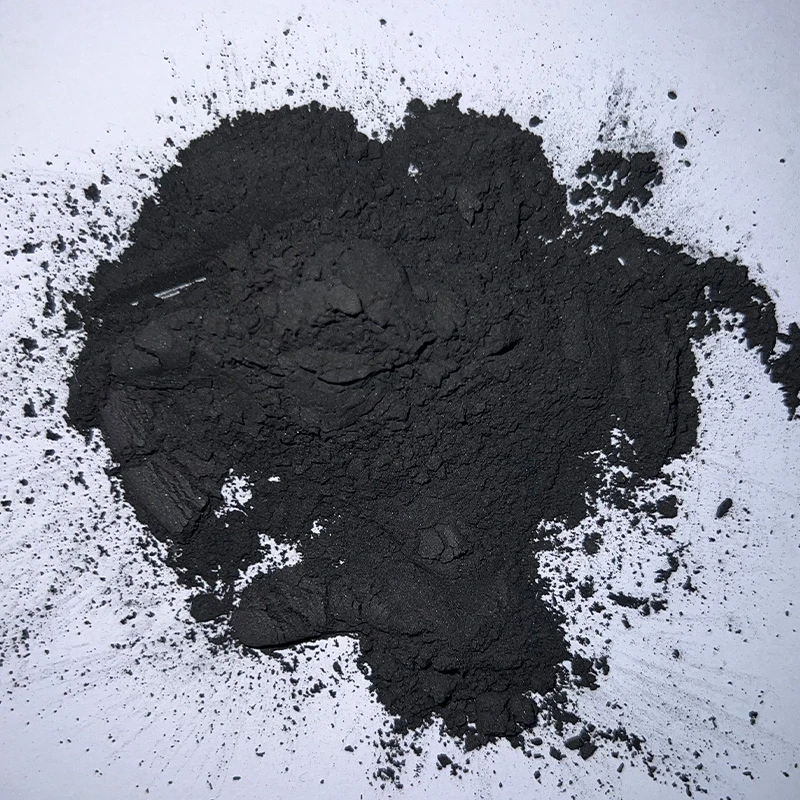
The core characteristics of spheroidal graphite include high crystallinity, excellent conductivity, strong chemical stability, high theoretical lithium-ion capacity, low and flat charge-discharge potentials, high charge-discharge capacity, long cycle life, eco-friendliness, and controllable costs. Its primary application lies in the lithium-ion battery industry. As a core component of anode materials, it is widely used in the production of various lithium-ion batteries, including power batteries, consumer batteries, and energy storage batteries, making it an indispensable key material in the new energy battery sector.
The spherical graphite processing procedure consists of two main stages: First, in the spheroidal graphite production workshop, dry graphite concentrate undergoes processes such as coarse crushing, sizing, and magnetic separation to produce the initial spherical graphite product. Subsequently, the material is transferred to the purification workshop, where it undergoes a high-temperature purification process to remove impurities and enhance purity, ultimately yielding high-purity spheroidal graphite products tailored to meet the requirements of various lithium-ion battery specifications.
| NO. | Model | Dmin | D10 | D50 | D90 | Dmax | TAP(g/m³) ■ |
BET (㎡/g) ■ |
C% ■ |
ASH% ■ |
PH ■ |
|---|---|---|---|---|---|---|---|---|---|---|---|
| 1 | SG10-1 | ≥3.5 | 7.0±0.5 | 10.5±0.5 | 14.5-16.0 | ≤26.5 | ≥0.86 | 9.0-10.5 | ≥99.95 | ≤0.05 | 3.9-4.9 |
| 2 | SG10-2 | ≥3.5 | 7.0±0.5 | 10.5±0.5 | 14.5-16.0 | ≤26.5 | 0.83-0.86 | 9.0-10.0 | ≥99.95 | ≤0.05 | 3.9-4.9 |
| 3 | SG10-3 | ≥3.0 | 6.3-7.1 | 10.6-11.4 | 17.0-19.0 | ≤30.2 | 0.74-0.80 | 7.3-8.3 | ≥99.95 | ≤0.05 | 3.9-4.9 |
| 4 | SG10-4 | ≥3.5 | 6.5-8.3 | 10.5-12.0 | 17.5-18.5 | ≤35.0 | ≥0.850 | 8.5-9.5 | ≥99.95 | ≤0.05 | 3.9-4.9 |
| 5 | SG10-5 |
|
6.3-7.1 | 10.4-11.3 | 17-19 | 0.65-0.7 | ≤9 | ≥99.95 | ≤0.05 | 4.0-6.5 | |
| 6 | SG11-1 |
|
5.5-7.5 | 10.5-13.5 | 18-22 | 0.8-0.84 | 7-10 | ≥99.95 | ≤0.05 | 4.0-6.5 | |
| 7 | SG11-2 |
|
7-8 | 10-12 | 17-20 | ≥0.95 | 7-8 | ≥99.95 | ≤0.05 | 4.0-6.5 | |
| 8 | SG6-1 |
|
4-5 | 6.3-7.3 | 9.4-10.6 | 0.72-0.78 | 11-12 | ≥99.95 | ≤0.05 | 4.0-6.5 | |
| 9 | SG6-2 | 4.5±0.5 | 6.5±0.5 | 9.5±1 | 0.76±0.04 | 12.2±0.5 | ≥99.95 | ≤0.05 | 5-6.5 | ||
| 10 | SG14 |
|
8±0.5 | 15±0.5 | 27.5±1.5 | ≥0.9 | 8.5±1.0 | ≥99.95 | ≤0.05 | 4.0-6.5 | |
| 11 | SG15 |
|
8.5-10.5 | 13.5-15.5 | 17.5-21.5 | ≥0.96 | ≤7 | ≥99.95 | ≤0.05 | 4.0-6.5 | |
| 12 | SG8-1 | ≥2.8 | 5.8±0.6 | 8.8±0.8 | 13.0±1.0 | ≤23.0 | 0.74-0.78 | 9.5-10.5 | ≥99.95 | ≤0.05 | 4.0-6.5 |
| 13 | SG8-2 |
|
4.5-6 | 7-9 | ≥11 | ≥0.68 | ≤11 | ≥99.95 | ≤0.05 | 4.0-6.5 | |
| 14 | SG8-3 |
|
4.5-6 | 7-9 | ≥11 | ≥0.75 | ≤11 | ≥99.95 | ≤0.05 | 4.0-6.5 | |
| 15 | SG23-1 |
|
13.5-14.5 | 20.5-22.5 | 32-34 | 0.95-0.98 | 4.8-5.8 | ≥99.95 | ≤0.05 | ≥4.0 | |
| 16 | SG23-2 |
|
10.8-13.2 | 20-23 | 36-41 | ≤80.0 | 0.94-1.04 | 4.7-5.3 | ≥99.95 | ≤0.05 | 4.0-6.5 |
| 17 | SG17-1 | 9-12 | 16.5-19.5 | 27.5-32.5 | 0.80-0.9 | 5.5-6.5 | ≥99.95 | ≤0.05 | 5.5-6.5 | ||
| 18 | SG17-2 | 10.5-12.0 | 16.5-18.5 | 27.0-29.0 | 0.87-0.92 | 5.5-6.5 | ≥99.95 | ≤0.05 | ≥4.0 | ||
| 19 | SG17-3 | ≥7.0 | 11.0±0.7 | 18±0.7 | 30±1 | ≤70.0 | 0.87-0.93 | 4.3-4.9 | ≥99.95 | ≤0.04 | ≥4.0 |
| 20 | SG17-4 | 7.1±1.0 | 10.4±0.6 | 17.5±0.7 | 27.1±1.0 | ≤45.0 | 0.97-1.04 | 4.4-5.2 | ≥99.95 | ≤0.04 | ≥4.0 |
There is a key issue with the use of flake graphite in refractory materials: poor wettability.
Specifically:
Flake graphite has low surface tension, and its surface contains approximately 0.45% volatile organic compounds.
The graphite surface is highly hydrophobic, resulting in poor wettability with the silicate liquid phase.
It tends to agglomerate in castables, making it difficult to disperse uniformly, which affects the material’s density.
It should be stored in a dry, well-ventilated environment to prevent caking caused by moisture. Avoid direct sunlight and high temperatures. Packaging must be tightly sealed to prevent moisture absorption and deterioration.
Expandable graphite is a graphite intercalation compound. It is produced by using natural flake graphite as raw material and introducing acids (such as sulfuric acid) and oxidizing agents into the graphite layers through chemical or electrochemical methods.
Graphite consists of countless layers of graphene stacked on top of one another, while graphene is a single layer of graphite. You can think of it this way: if you repeatedly wrap graphite with adhesive tape and peel it off, you may eventually obtain a single layer of graphene—which is, in fact, how it was originally discovered.
Copyright © 2026 by Qingdao Baohua New Materials Technology Co., Ltd.
| Privacy Policy